The Boom of the Olive Oil Market in China
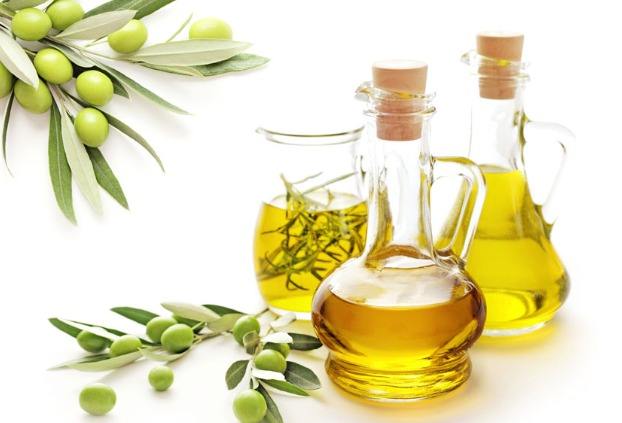
Since 2013, China is considered as the greatest importer of olive oil and this market is now undergoing a 100% growth annually. According to the International Olive Oil Council, China is the one of the biggest markets to grow in the oil industry.
The China’s olive oil market
Because the country has almost 10 million square kilometers of land and over 1.5 billion people who are paying more and more attention to their food consumption, China is now a huge market for olive oil. The olive industry is still growing with an increase of nearly 30% per year. Due to a great nutrition value, olive oil is more and more welcomed in China. More than 250 olive oil brands are present on the Chinese market and about 100% of the imports come from Greece, Spain, Italy, Portugal or Argentina. The main consumption cities of olive are the big cities such as Beijing, Shanghai or other second-tier cities. Chinese’s disposable income is increasing, the Chinese middle class is also increasing health awareness and Chinese people standard of living in improving. Consequently, more and more Chinese start to appreciate the olive oil and start to buy it.

According to statistics from China Customs, the country imported approximately 12.25 million tons of olive oil last year. In addition, the quantity and the value of olive oil imported from Italy and Spain reached 60%. Consequently, China is one of the largest importers of Spanish olive oil, and Spain is the major exporter to China, sharing 57.5% of the market. Even if China belongs to the semi-tropical climate and that it has found some adaptable regions for growing olives, the country’s geographical environment is unsuitable for mass production. Moreover, there is a serious lack of olive planting knowledge restricting the development of mass olive planting in China.
How is the olive oil used in China ?
In China, olive oil is also considered as a healthy oil that can help consumers to reduce cholesterol, prevent cardiovascular disease, delay senility or prevent cancer. Moreover, Chinese consumers are more and more paying attention to their health, and foreign products are trusted for containing better ingredients and being healthier. Furthermore, in China, imported food products are often used as gift. A decent gift is a must to show how respectful you are to the person who will receive the gift. For example, during the Chinese New Year, olive oil sales increased and 60% of the sales are for gift purpose.
How to promote your olive oil in China ?

The rapid growth of the olive oil market has attracted foreign olive oil producers. Indeed, many international brands, such as Sol Dela Mancha, Colavita or Oro Tikalo, have already taken a large market share. Consequently, a good branding strategy is essential to dominate China olive oil market.
Increase your visibility on Baidu

SEO on Baidu is the key for the visibility of your olive oil brand in China. Baidu is the most used search engine in China, ranks 5th among the most visited sites in the world and currently has more than 800 million web pages. Baidu now offers a wide range of services, such as web searches, image search, music, forums or a Q&A service. SEO on Baidu requires several steps, which may be different from what needs to be done on Google. The notions of trust and notoriety remain essential for companies wishing to enter the Chinese market and be visible on Baidu.
E-commerce platforms
The development of new technologies and the increased use of smartphones and tablets allowed an explosive growth of the ecommerce in China. One of the best Chinese e-commerce platform is Tmall which is part of Alibaba group led by Jack Ma. This is definitely the largest B2C platform in China, it offers a wide a selection of affordable products and decent logistics and attracts value-conscious shoppers. Contrary to its competitor Taobao, the company has made arrangements to ensure that products sold on Tmall are authentic. Known as the “Amazon of China”, JD.com is also one the main B2C e-commerce platforms and is Tmall’s biggest rival. Consequently, using e-commerce platforms to develop your business is a must to efficiently enter the olive oil market.

Social media
China is the world largest connected country : more than 90% of Chinese people have an account on at least one Chinese social network. Wechat is the social media the most used in China and, regardless of the size of your company, it is an essential media to develop your marketing strategy in the country. By promoting your olive oil on social media, you can build a community surround your company, reach your target, get feedback and create a friendlier company image.

In China, olive oil is truly considered as a healthy oil and the country is still a booming market for olive oil with a great scale. And with the rise of Chinese income, consumers are gradually adding this ingredient to their daily cooking.
A Chinese website
A website in Chinese is necessary to enter a market and realize branding. This is an efficient solution to increase the popularity of your olive oil, influence consumers with content and design, and develop the image of your company in the country. Moreover, having a website written in mandarin is essential. Chinese consumers spend more than 40% of their daily life on Internet and these internet users trust more Chinese website than English website.

We are a digital marketing agency based in Shanghai and our team of 42 experts can help you to promote your olive oil products in China. Do not hesitate to contact us !
Read also :
-
Tips for a Successful influencer Campaign in China
Cost-Effective Agency
KPI and Results focused. We are the most visible Marketing Agency for China. Not because of huge spending but because of our SMART Strategies. Let us help you with: E-Commerce, Search Engine Optimization, Advertising, Weibo, WeChat, WeChat Store & PR.