
Top Agent and Food Distributor in China – F&B Distribution Company
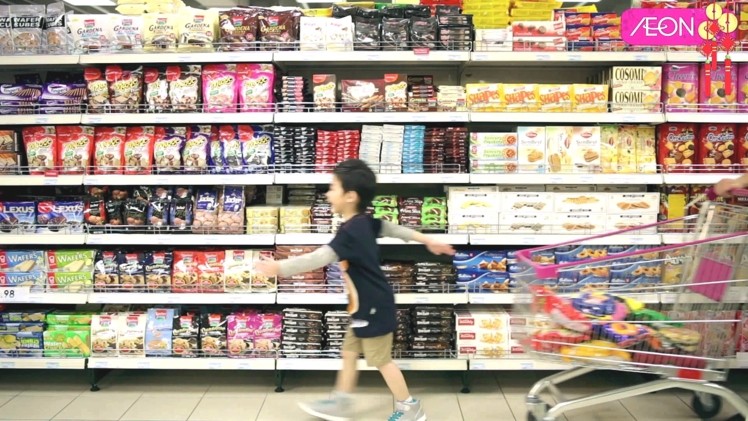
Founded in 2012, SAC is an agent & distributor for International food Brands in China. With a portfolio of over 60 International leading brands from 10 countries, we supply international and local retail chains, supermarkets, Specialized imported Store Chains, online e-Commerce platforms, top hotels, and restaurants. We are an agent for importing goods to China.
Cost-Effective Agency
KPI and Results focused. We are the most visible Marketing Agency for China. Not because of huge spending but because of our SMART Strategies. Let us help you with: E-Commerce, Search Engine Optimization, Advertising, Weibo, WeChat, WeChat Store & PR.
Need a Food Distribution Company for China?
If you want to contact us, send us your Brand information with details
Food Market in China
The Chinese Food Industry will reach USD 70 Billion in 2020.
China is known for a buoyant opportunity for International food companies at this moment in time. International companies are trying to break into the Chinese market not merely due to its unstoppable economic growth or for its inexpensive labor but rather for the increased purchasing power of its consumer market.
Source – Marketing to china
We selected Quality F&B Brands for the Chinese Market
We help to adapt to the market, and work on the Branding, (because in China Branding is everything)

Our Distribution Agency for “China”

Our headquarter is in Shanghai with representatives in Beijing, Shenzhen, Chengdu, Qingdao, Chongqing, Dalian, Tianjin, Canton, Nanjing, Hangzhou.
We have access to more than 800 distribution Channels in China. We help international brands to find and manage Chinese food distributors.
We are a team of 80+ People
Product & Brands we are Interested :
- Imported Food Brands
- International Beverage Brands
- Food Service
- Beers Brands
- Snacks brands
- Liquor & Spirit Brands
- Wine Companies
How to qualify?
- Chinese food wholesale distributors network
- wholesale Chinese food products,
- agents and distributors in China
- China product distributors & China distributor’s wholesale
- We have Contacted with Major food distributors in China
- We are Chinese sales agents & contact with Chinese wholesale
- We are agents for importing goods from China
- Some clients call us the platform with the best Chinese distributors
Our Partners & Distribution Channels in China
- Wallmart
- Carrefour
- Auchan
- METRO
- RT-Mart
- Tesco
- China Resources Vanguard
- CitySuper
- JUSCO*
- Lianhua Supermarket/BHG
- Lotte Mart
- Lotus Supermarket (Chinese Supermarket)
- Wumart (Chinese Supermarket)
- Fulande (Chinese Supermarket)
- Jingkelong (Chinese Supermarket)
- Baozhen (Guarantee) in Hainan
- Fields (online supermarket)
- CityShop (imported Store)
- Parkson
- CTC Food International, INC
- Freshmart
- Ito Yokado (Huatang )
- BaiHuo 百花百货
- Feidan
- Pines
- Jenny Lou’s
- Epermarket (online Supermarket)
- Ole
- China Foods Inc
- Tmall – Hema
- JD Fresh
- Yihaodian
Restaurants, Food chains, Asian restaurants, and Asian groceries are good sources to sell, but usually, they deal with food importers. These important purchase all kinds of Asian food products, Southeastern Food, Supplies quality products. All company imports perfect snacks, Ethnic Food, recipes, Middle Eastern Foods, organic brands, fresh food service, Japanese Food, or for example Sysco Asian Foods or Dumplings.
These Asian food products importer can be good for high-quality food products also. All Food Importers have a regional distributor and with technology solutions, a fleet of trucks, and a wide range of products they assure restaurant supplies, local supermarket delivery, small shops, or wholesale food suppliers. Wholesale Asian Food Distributors can have a really high-volume food service business. All types of restaurants, brands for restaurants, Chinese restaurants works of food importers.
Distributors Wholesellers in China
- Beijing Asian food wholesale
- jiangsu Asian food wholesaler
- Ali Fine Foods
- Balaji Wholesale Foods
- Bangladeshi food Corp
- Caribbean food distribution Ltd
- Atlanta Asian Foods operation Ltd
- shanghai group supermarkets
- Shanghai Indian Food distribtion Ltd
- Thailand Fruit Importation Company
- American groceries & mart (Papi Jia)
- Asian grocery Food Services Group
- Association of South Korean distributors in China
- A South America importer called Ashida
- Central and South America Spirit ( Importer)
- The Canadian Food Distributors”Company
- China Foods franchise (USA company)
Specialty Food Distributors are a good way to reach the right clients. Many Asian food importers
are also Asian Food Wholesale Distributors Importers, and specialized in Asian specialty foods
Need a Food Distribution Company for China?
If you want to contact us, send us your Brand information with details
To reach Chinese Food Importer & Wholesaler, business needs brands with marketing support
creative marketing campaigns; All distributors prefer to work with market leader

Send us an email to receive our F&B case studies

We are searching to export a high end fruit products in the major cities in China, can you help ?
Yes we can help you, contact us by email , we will explain our condition.
Dear
We are producer of choco spread from Bosnia and Herzegovina and we are looking for supplier in China
Sure. We contact you. 😉
Can be an agent in ethiopia and Somalia.
Please WhatsApp me for better chatting and understanding.
Hello Admin,
We are an online distributor with 5 online stores and 10 000 active clients, and we would like to be added in your distributor data base, and interested to partner with some of your clients.
Can you contact me via wechat
Good morning,
My name is Marco Roman. I have a business degree. I speak English and French.
I have experience as a foreign salesman.
I am interested in finding a Chinese distributor / business partner to make contact between Italian and Chinese companies, for example to export Italian products to China. I live in Friuli Venezia Giulia, on the border with the Veneto region. Contact me if interested.
Best regards,
Marco Roman
Hello sir
This is Qureshi from India
I’m a buffalo meat expoter
Contact +919650850454
Hello Yao, I’m interested to know your business better, as you mention that you’re online distributor. I am a food and beverage producers in Indonesia. Where can i contact you, or may I have your number thank you ????
Hi mr,
My name is Marco Roman. I have a business degree. I speak English and French.
I have experience as a foreign salesman.
I am interested in finding a Chinese distributor / business partner to make contact between Italian and Chinese companies, for example to export Italian products to China. I live in Friuli Venezia Giulia, on the border with the Veneto region. Contact me if interested.
Best regards,
Marco Roman
Nice to see you . We have products from Argentina that you may like.
How can I contact you?
Good morning, nice to see you here. We are very interested to work with you.
How to connect with you?
Hello! We are wine exporters from Georgia, and we have partners in China. Tell me please, are you interested in Georgian wines? If you are interested, please contact us by e-mail enterprise.lee8@gmail.com. Thanks
+8801642996901 my wechat we supply any food item from Bangladesh, we are exporter, please contact us
Hi Sir,
We are Indonesia company distributing and exporting into more than 25 countries worldwidely.
They are all consumer products :
1. All type of coffee and related products
2. Tea mixture products
3. Chocolate mixture products
4. Tobacco cigars , cigarillos, pipe tobacco etc.
5. Snacks
Please contact if there are CIS countries importers and distributors.
With thanks
Julius
We will contact you Julius.
Good day to you!
We are Sri Lankan company called Elephant house; we are exporting into more than 26 countries world widely.
these are consumer products we produce:
1. All type of meat products
2. Beverages
3. Ice creams
4. Ginger beer soft drink with natural ginger.
Please contact if there are any importers and distributors.
Thank You So Much,
we need to sell live lobsters, live mud crabs, dried sea cucumber and dried fish maws, frozen lobsters, shrimp etc. Please whatsapp +254 777 476 337.
hello im an distributor in the middle east with top quality fruit like apple and orange and more many more
Hello,
I want to Sell in China a new Food Brand from East Europe. I will send you all our material.
Yes Sure. Thank you for your interest.
We are looking for a distributor for our products UHT Milk (long life milk) in China
our factory in Kingdome of Saudi Arabia
If interested, please contact me.
we will contact you via Email. 🙂
Greeting from Nepal
We have good distribution channel with young and experience team. We are searching food supplier from other countries to Nepal.
I supply cassava floor from Nigeria to any part of the world.
Please kindly advise on the type of food products of your interest
Hi there. We are producers of gluten free healthy food snack. In our portfolio are protein bars, protein nuts, protein kex, milkshake, spreads, organic pasta, organic rice.
Hello,
We are a Chinese Store, and would like to be listed to receive your new Brand, how can I do it?
How Can I contact you ?
What material you need ?
Hi, this is Aslam from New Horizon. We are searching foodstuff product for export to Africa, Darusalam.
Please do let us know if you are able to supply the said product to us by return mail for further negotiation.
K rgds / Aslam
923009261085
hi, please contact me on wechat: +84797998007, we are Vietnam coffee manufacturer.
Hello Victoria,
After some research your product is not enough popular in China sorry we are not interested.
yes no problem Johny.
Hello, I am looking for a coffee distributor in China, can I get your contact? please reach me through my mail
Good afternoon Johny,
We would like to export our coconut product in china. If you are interested please visit our website at lionheartfarms.com.ph.
We are manufacturer of coconut sugar, syrup and aminos and etc.
We are glad to receive your feedback. Thank you and have a nice day ahead.
We will contact you. Johny Wang is in our database of Distributors in China.
Dear Sirs,
After reading your profile, I write to seek business co operation with your esteemed company to enter the Chinese market and distribute and sell our products.We can offer the following brand products under our labels
1.0 Chateau Siwela wines produced in Bordeaux, France
1.1 Siwela 100% Fruit Juices produced in South Africa
1.2 Siwela Dried Fruits and Nuts produced in South Africa
1.3 Siwela Squillos Chocolate Spread with Hazelnut equivalent to Nutella produced in Italy.
1.4 Siwela Peanut Butter with several variants either produced in South Africa or India.
Our products are produced by highly experienced companies on contract under our labels and meet all stringent food and beverage requirements of international standards and regulations.
We seek to engage your esteemed company to gain entry into the Chinese market.
We would be pleased to co operate with your company in all respects that would enable us to achieve our objectives through your trusted services.
I look forward to receive your support and commendations to co operate in this regard.
Wanting too disscus long term distribution for baby food formula products. Moving average 6 million units plus monthly. Looking for warehousing distribution advertising marketing.
Hi Larry
my name is abe…im going through same issues.
could we have a talk ?
im in israel.
Hello Larry,
What is the Brand? any website? Are you the brand or an agent?
My name is Abdulatif Abdumannobov. I am Manager in Department of Foreign Economic Activities in the holding “N’MEDOV”. The group of companies under the single brand “N’MEDOV” is one of the leaders of the food industry in Uzbekistan and consists of 4 companies:
• Ardent Foods – production of instant noodles and pasta products under brands “HOT LUNCH”, “PASTA DI LUCHO”.
• Chococream – production of chocolate paste under brands “CHOCOCREAM”, “CHOCOTELLA”; and Vienna Waffles “Velona”.
• Finland Butter – production of butter and margarine under brands “FINLAND”, “ШВЕДСКОЕ”, “DONNA”, “КИЕВСКОЕ”, “SANTO”, “СЛИВОЧНОЕ УДОВОЛЬСТВИЕ”; and biscuit pancake “PANKIE”, also new product soufflé cake “OKEYK”.
• Glory Food – production of confectionery products under brands “ESTELLO”, “VALENCIA”, “MORELIA”, “КАРАВАН” and cookies with glaze “Bitten”,”BittenMax”.
Good morning, I have a business degree. I have experience as a foreign salesman. I am interested in finding a Chinese distributor / business partner to make contact between Italian and Chinese companies, for example to export Italian products to China. I live in Friuli Venezia Giulia, on the border with the Veneto region. Contact me if interested. Best regards
Hi,
I have premium vanilla pods and would like to distribute in Chinese market, especially fine dining restaurants, luxury hotels…etc
Can you help?
Yes, we can help you Ahmad.
i want to sale frozen chicken and chicken feets in huge amount from pakistan if u can intrusted so u can help
Yes you can try. Good luck. 😉
how can i sale you sir tell me in detail pleaze
i want to export a chicken feet and frozen chicken in big cities of china ? if u can help so contact me through email and contact me
Hello,
I represent a large group in Water in Russia, and we are ready to invest in the Chinese Market for 2020, we have a big plan for Marketing and advertising and searching for serious distributors in China.
I want to know more about your Brand Sergei.
Hello Sergei contact as soon as possible. We can do business together.. Iam Importer of petroleum products
Dear Sir or Madam
I am interesting to contact with Chinese distributors for selling Italian pasta in China
I am waiting your reply
Thank you
We have receive your message, and contact you just now. Have a nice day
Hello
We are searching for International Brands of Food and Snacks to distribute in South of China.
We would like to be the exclusive distributor, and want to work with active partners who really want to enter the Chinese Market and do active promotion.
Can we enter to your pool of distributor @Admin?
Yes, we contact you , add you on wechat and put you in our list. Have a nice day.
We are interested in distributing our honey products from Armenia to China. Please tell me all the ways how can I do it.Thanks
Good day Isabella,
We would like to invite you to be our distributor. We are manufacturer of coconut sugar, syrup and aminos. You can visit us on our website at lionheartfarms.com.ph for better understanding.
We are glad to receive your feedback. Thank you and have a nice day ahead.
Hi i am umar farooq from INDIA i also searching parties in china and i want to export meat in china
Dear Sir,
We are extremely delighted to present to you an opportunity to distribute National Food Industries products under various brands namely Mr. Krisps, Bakeman’s Emirates Pofaki, and various products under these brands, in China.
We already contacted you have a nice day
Dear Sir,
We are Australian Food Distributor and Manufacturer.
Seeking For Partnership For Australian’s foods to be exported and sold in Your channel networks in China.
Thank you and Hope To hear from you promotly.
Regards,
James – CEO
OriginFood Supply.
Australia & New Zealand
Reach me at
originfoodsupply@gmail.com
Hi,
I am a co-owner in Melbourne Australia, i’ve a factory producing 7.2million tins worth of Baby Formula, we have a CNCA, ISO9001 and HACCP CERTIFICATE to sell Baby Formula with a approval to use MADE IN AUSTRALIA LOGO.
Feel free to Email me
Yes Sure. done. 😉
Please send us your Website and email we are interested
Hello
We are opening several imported Small Stores in 10 cities in China, and would be glad to be part of your network to connect with small Foreign Brand.
We are searching Milk, Spiriti, Diary, dry Fruits, snacks, and pasta sauces
I will send you an email, and we will be glad to add you in our distributor list 😉
dear sir
we are mobile phone accessories brand in china. it is new brand and we wish to appoint dealers distributors in the china and worldwide. how you can help to promote our brand..
I represent a distribution company in Canada that imports Sri Lankan Tea into North America and I was wanting to know if you can help me in bringing it into the China market. Please see our website below for our products we have available. Looking to form strong partnership for your area. I look forward to hearing from you soon. Thanks
On linkedin you can find distributors in China.
There is group https://www.linkedin.com/groups/10359519/
Hi There
I have emailed you guys and thought I should comment as well.
I own a company called Fogdog Brands. we currently have 7 lines that we sell to New Zealand supermarkets and few in Australia. we would like to expand and sell into China market.
our website is fogdog.co.nz for further information
Do you think we would there is any possibility for us?
Dear Sir,
I am coffee exporter from Vietnam,
I look for distributors our coffee in China.
Please contact with me for further information.
Regards,
Victoria
Hello,
What is the name of our Brand and your Website?
Hi Sandy Sun,
My brand is Honee coffee and website honeecoffee.com/
Wechat: +84797998007
hi there,
we have slaughter of lamb and beef. and we can provide good quality meats and testicles. How can i export them to China?
Hi Naime,
We are a new retail store in West China, and we are searching for Local Brands, with good quality. What is your Website? Your Brand Name?
Hi. I have got syrups and juices to sell. Traditional and organic ones. Isotonic drinks as well in biodegradable bottles. Please contact me, if you wish to know more.
Hi
We have dried fruits export from thailand such as durian,mango,jack fruit
Looking for distributors in china or other country. if you interest about dried fruit please contract back to me for more in formation.
Thank you
Got
CommentPlease contact me to explain about yuor service
We will contact you 🙂
We are a canned coffee drink manufacturer in Singapore , the name is JAVACAFE latte, JAVACAFE mocha, JAVACAFE Cappucinno content of each can 240 cc .
High caffeine coffee with cow milk , chocolate natural ingredient.
We are looking for importer and distributor in China.
Hi. I have some coffee syrups to sell. If you are interested, please do not hesitate to contact me.
I am interested 😉
how to contact you, you have no website in China? nothing I can find you
Hi, we are coffee manufacturer in Vietnam. Now new product is canned black coffee with slight sweetness from stevia. Please contact me if you need. My wechat is +84797998007
Dear All,
Hope things are fine with you in China.
I have products like Organic Virgin Coconut Oil , Organic Coconut Roasted Chips, under my private labelling and Italian Pasta. I am looking for a Chinese distributor for the same. Could you please arrange a meeting with the concern department. Do let me know if you need more information.
Look forward to hearing from you soon.
Many thanks
Best Regards
Nazmul Farooquee
Co-Founder ; CEO,
Healthy Essentials FZC,
U.A.E.
M- +971551078366
We are cakes and desserts manufacturer from New Zealand. We are looking for distributors in China.
We contact you via email MAx
We are looking for well-established distributors for coffee beverages in China.
Could you provide options together with their individual strength in the type of business
Yes sure. We will contact you soon Sundardi.
Hi, we are one major Russia company looking for distributor to expand and sell into China market.
We are interested in your service and please contact me for further discussion/
Meredith
Yes sure
Hai,
I am from Saudi arabia, i would like to purchase the famous branded food ingredients direct from China, instead of buying from saudi local market , also we need to open a distribution of that products to sell the item to our sister companies, how i have do that.please advise
Dear Supplier Staff after phone conversation with an of yours representative , they give me the email and suggested to send an email with all product informations to You.
I am interested to offer our products .
We are Canadian -Belgian Company pls check our website JVATrading.com
. We produce popular Waffles made in Belgium.
– Frozen Belgian Waffles
– Pancake Bites
– Crepes
For more informations dont hesitate to contact :
jvatrading.com
Thank you in advance.
Lum Arifi – Sale Manager.
Dear Sirs/Madam,
How are you?
My name is Marcel from Weng Yeang Hang (M) Sdn Bhd.
we are an international food trade since 1948.
I am seeking to assist my client i selling their snacks made in Malaysia to China.
I’m Jose Garcia and we are very interesting to sell our Cuban rum , alcohol, and liquor in China .We represented more 11 distillery and 10 rum factories .We are the only one alcohol producer in Cuba .and we are interesting to introduce the Mulata and Santero rum brand in the China Market .
Hi
Im about to import finnest Iranian saffron to china. Our product is provided in both Luxuary and normal packages with both Grade A and Super Grade quality.
I am looking for distributers for our product and i was wondering if you can help us or no?
I have an Olive Oil brand that is of a very high standard.
If you would like to learn more , you can contact me at
email – zongroned@yahoo.com
or
WeChat – enorgnoz
Hello
What is the name of your Brand?
Hi there,
We are a cakes and desserts manufacturer from New Zealand. We contract manufacturing for foodservice, retail and healthcare services.
Our export brand is called Mountbry. We export to China in 20ft and 40ft reefer containers.
We are keen to form partnership with distributors and agents in China. We look forward to hearing from you.
Thank you.
hello Max,
Sounds very interesting. How can we contact you?
we are interesting in cross selling and need snacks from foreign countries.
Hi there,
We are a cakes and desserts manufacturer from New Zealand. We contract manufacturing for foodservice, retail and healthcare services.
Our export brand is called Mountbry. We export to China in 20ft and 40ft reefer containers.
We are keen to form partnership with distributors and agents in China. We look forward to hearing from you.
Thank you.
Kind regards,
Max
sales@mountbry.com
wechat – myiiNZ
Hello dear
We are the biggest confectionery manufacturer in Turkmenistan our brand is TAZE AY this group of company we have also meat and meat products , Dairy products, biscuits, waffers, cakes ,
We have exporting our confectionery products to Russia , Kyrgyzistan , Mongolia, Afghanistan, Somalia
We are looking for distributor in China we need agent for our products in China
We can help you, we will contact you via email. 🙂
Hello
I am in independent agent for some vegan, gourmet and deli product from Chile
Can we talk?
Hey Maureen,
Of course,
You can send us a meeting request here
We will connect you with our F&B expert 😉
We are one of the leading Import & Export brokers on all FOOD COMMODITIES, Food ingredients, Dry fruits, Cashews, SPICES, Pulses, Coconut & Coconut products. INDIAN, SRILANKAN, INDONESIA, VIETNAM, products we are dealing with. If anyone reputed Importers, Brokers or Agents please contact.
Philip Yohannan,
SOUTHLAND IMPEX AGENCIES,
Star Building, Kundara, Kollam, Kerala,
I’m a organic jaggery manufacturer and exporter from India is any update regarding this product in China then please let me know through my contact info
Mob: 7892419909
we will contact you soon. (Contact form email always faster than Comment 😉 )
Hi there,
We are frozen cakes, desserts and savouries manufacturing company in New Zealand. We are looking for wholesale distributors in China and other parts of the world.
We would like to get in touch with importers/distributors in China and around the world.
Wechat – myiiNZ
Hello,
I am a wine seller, and I am searching to resell fine food product to my clients.
Any brands contact me please
Hi,
We have built a food business ecosystem dedicated to the frozen dessert industry. We search and discover all types of brands, private label copackers and ingredient suppliers that bring value added propositions to the market. Many of them interested in dealing with China.
Could you please reach out to me to learn more about potential collaboration opportunities:
Andrea Montreuil
Co-founder, Innodelice
andrea.montreuil@innodelice.com
Looking forward to connecting!
A.
Dear Andrea,
Do you import and distribute casava chips snack and or Instant Iced lemon tea ?
Please feed back.
Hi there,
We are start up small company looking to expand our products to China. We have a variety of dry food products from Brazil and most African products.. like sugar, Arabic gum, Fava beans, lentils and more ..
WeChat: Benyam015
WhatsApp: +8618510602470
Thank you in advance
Hello, This is Syed from Pakistan representation Hilal Foods, Shalimar Foods & Hilal Care.
Need to explore Gigantic market of China for our confectionery, cakes & personal care range.
Hello,
We can happy to be in the official list of importer in China.
Feel free to contact us, we are searching for food brand to sell in China.
Sino Shipping&importation Ltd
H,
Unique New Zealand Trading Limited is a company that sources and distributes around the world. We have 20 managers in different countries. We work exclusively in the Food and Beverage B to B sectors.
As examples of recent transactions, we have supplied chicken feet and paws to China, grain for animal feed from South Africa to the USA, UHT milk from France, Sugar from Brazil, and Casein from Turkey.
We are looking for a solid distribution partner in China.
Regards,
John
Hai Jhon,
I am Sutharsan From Srilanka
I have sea cucumbers in Srilanka.. if you’re interested please contact me.
tharsanm23@yahoo.com
Hello, may I get your contacts? I have quite a good list of products.
Hello
What are the china fmcg distributors ? I have lot of products I want to sell in China.
Do you have a lits of food importing companies in china?
Are china distributors exporters as well?
Question, does companies in china looking for distributors as well, or only foreign Brands?
Hi, my name Elis from Indonesia, we are direct factory and Exsporter konjac chips oven dried and konjac flour/powder name CV TRI MITRA AGRO , if anybody interested please feel free to contact me
For admin ,we are keen to form partnership with distributors and agents in China. We look forward to hearing from you.
Best Regards
Elis Diah
We have contacted you. Thank you
Hi i am an frozen beef exporter from India i want to sell my beef container directly to china importer and also i want searching indonesia for frozen beef if any one interested plss contact me
umarfarooqsss72@gmail.com
Dear,
Hope all is well! I´m the distributor for Church and Dwight brands in Latin America.
I´m trying to connect with a big wholesale group with the idea of sourcing products as we do with several customers in the USA and overseas.
Kindly let me know if we can schedule a call.
Best regards!
Hello,
We area leading Online Supermarket in China called China Shop and we want to sell imported Food brands. we expect
-nice packaging
-Gift Products
-Snacks
-Popular brands oversea
-Luxury food
Send me all information (Chinese is always better) and award, pictures, brochures and prcing (BTB)
We have registed your contact in our Distributor database.
Please confirm the meeting 🙂
Is your Food Distributors list still active?
Yes
yes
Dear Admin,
nice to meet you, I’m Alessandra from the Company Sacchi Tartufi International S.r.l. in Italy.
Sacchi Tartufi International is located in Italy, Marche region, near Acqualagna, a very famous white truffle hunting spot in Italy. We are producers of truffle products and fresh truffle wholesalers. Here are some of our products:
– Summer truffle sauce (5% up to 15%)
– Royal white truffle sauce
– Carpaccio and Brisure (chopped and sliced) of pure summer truffle
– Pure white truffle cream
– Truffle flakes
– White truffle salt
We are looking for a partnership with distributors and agents in China.
Looking forward to your kind reply,
I am at your disposal for whatever you may need.
Best wishes,
Alessandra
I read your Comments guy and check your company and I am laughing.
90% of you are not SUITABLE for Chinese dirtsibutors
all Chinese food distributors, might want:
Quality products: (most of you provide bullshit products) Chinese distributors want high-quality products that meet their standards and satisfy their customers. They value consistency, freshness, and authenticity in the products they sell.
Competitive pricing: Distributors want to offer products that are priced competitively in the market. They are always looking for good deals and discounts
Strong relationships: Chinese food distributors value long-term relationships with their suppliers. They want to work with suppliers who understand their needs and can be relied upon to deliver quality products consistently.
Efficient logistics: Distributors want products that are easy to transport and store. They need suppliers who can offer efficient logistics and shipping services that allow them to receive products quickly and without hassle.
Innovation: Distributors want to stay ahead of the curve and offer new and exciting products to their customers. They value suppliers who can offer innovative and unique products that help them stand out in the market.
A great article.
If you need Vietnam Distributors, feel free to contact us via our website
Hello,
How much cost your list of Chinese food distributors?
Hello
2000$ for the list
4000$ if we contact them
i am umar farooq i am an exporter and we have own production .
i export bufallo frozen beef and i searching chinese importer to take order in bulk quanyity .