
Tips for a Successful Influencer Campaign in China — Update 2020

As of the first quarter of 2020, about 904 million people had access to the internet in China. Since Chinese adults spend more than 6 hours and 23 minutes on various media every day, 55.5% of their time is spent on digital media, so KOL marketing is very important to influence the consumption habits of Chinese consumers. The average growth rate of digital marketing in China is 20%, of which 79% of Chinese marketers have increased their digital marketing budgets in China and two-thirds invested in influencer marketing.
The boom of Media networks in China
With the boom of social media, every Chinese internet users have at least one social media account. In the largest’ world-connected country, we can easily find some influencers or KOLs. Through their voices; they can influence the customer’s habits and decisions. This new trend represents a new marketing strategy for the brand.
Cost-Effective Agency
KPI and Results focused. We are the most visible Marketing Agency for China. Not because of huge spending but because of our SMART Strategies. Let us help you with: E-Commerce, Search Engine Optimization, Advertising, Weibo, WeChat, WeChat Store & PR.
Now, every brand wants to connect highly influential Chinese bloggers and Chinese social media celebrities to help promote your products and services. It’s no secret that online influencers are a powerful tool to reach consumers in dynamic and authentic ways via social media.
Online influencers are a powerful tool in Chinese digital marketing
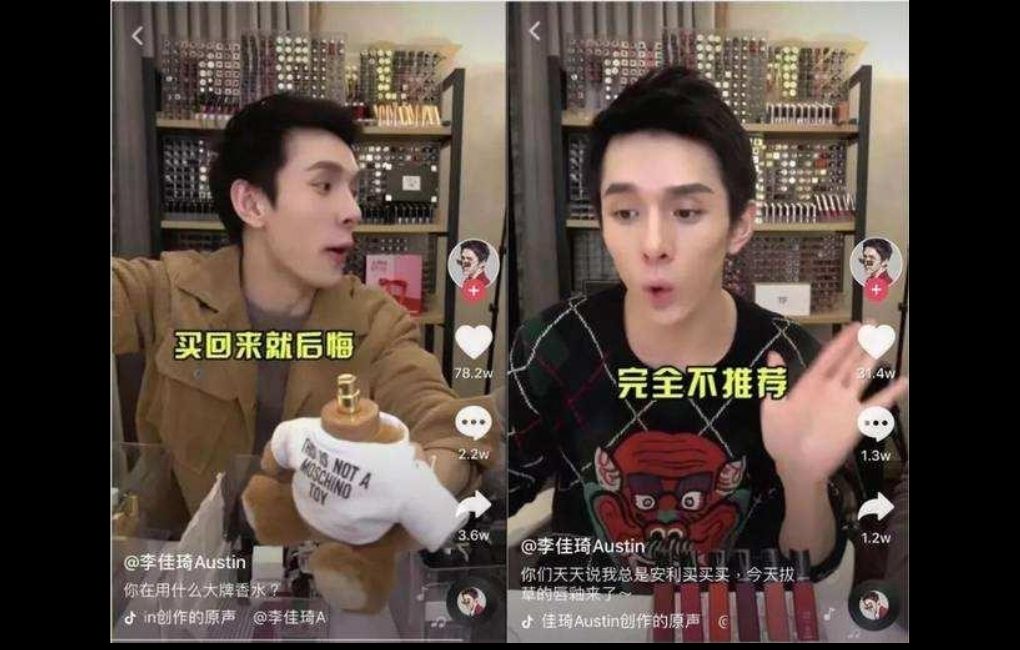
Over the years, this trend has evolved because marketers have always known that consumers want more authentic and rich messaging. Chinese consumers don’t believe in advertising too much, so they are blocking online ads, and they are turning to their social networks and friends for recommendations on products and services instead of commercials.
Influencer marketing is a big deal; the KOLs (Key Opinion Leaders) only exist because of their fans. Their performance is closely related to their engagement with their followers. For example, the Chinese mega KOL Zhang Dayi, has over 5.3 million followers on her Weibo account, while some “micro-influencers” might have only between 10,000 and 20,000 followers.
Now, some brands understood the importance of KOL in the customer’s daily life, they are using them as a good weapon. So they build their marketing around these new actors of the web.
How to use a Chinese Influencer or Kol Marketing campaign?
Thanks to the development of E-commerce, KOL has seen massive growth in China. Influencers influence a lot of the consumer’s decisions. Beyond contributing to the education and discovery process, there are many ways to get consumers to the store.
Creating awareness and buzz by KOLs
Nowadays brands such as Valentino, Moynat, and Gentle Monster have realized that China Influencers need to be part of their O2O marketing and PR mix, in order to create buzz and drive traffic to their products or services. The ROI (Return on Investment) for working with an Influencer is better than a journalist.
For example, in July 2017 Mini Cooper collaborated with a top Chinese influencer Becka to launch its limited edition of blue color. Becka was promoted with 3 posts on her Wechat account and sold 100 cars just after 4 minutes.
During, some events, it’s always important to work with Chinese Influencers because they can promote and publish more quickly your event than traditional media. Brands such as Miu Miu, Louis Vuitton, Supreme and Opening Ceremony have had excellent results after working with Influencers to drive more traffic to pop-ups.
Fan meet-and-greets: using live streams to generate traffic

While it might create a bit of chaos, an excellent tactic for getting people through the door is to have influencers announce their presence ahead of time and invite fans to see them there. Fans will jump on the opportunity to meet their favorite influencers in real life.
One hugely successful example is the snack food brand Laiyifen(来伊份), which invited 15 internet celebrities from 6 different cities to do a 48-hour live-streaming relay race in June 2016. The live streams attracted 600K viewers.
Before the event started, the Influencers shared the event location with their audience. They continued sharing the offline store locations and info on exclusive discounts for fans who visited the stores during this 2-day period during the live stream. During those two nights, the stores’ traffic and earnings increased five-fold.
Following the success of the first event, Laiyifen went bigger in 2017. They invited 40 live-streamers to visit stores and introduce over 1,000 snacks. Hashtag “1000 snacks night” generated 130M views and 730K discussions on Weibo.
Pay attention to KOL marketing tricks
Indeed, KOL marketing in China works very well and it becomes a must for branding and marketing. Key opinion leaders can quickly establish trust and transfer brands value to the group. With opinion leaders, products or services can be quickly spread to the community, and it allows brands and KOL to maintain communication and interaction with community members so that the brand community members’ opinions can also be fed back to the company directly.
Social marketing attaches great importance to word-of-mouth. Products or service users feel good about products, then through word-of-mouth, it is easy to spread and have a positive effect on the brands’ image.
However, even it is an essential and powerful tool to market, there are many challenges and hidden rules in this domain. Not every KOL can be useful for every product. Brands have to choose carefully the KOL that suits well their brand image and type of product or service. What’s more, those KOLs on the market can provide fake data on their performance, therefore, having a professional group to tackle KOL campaigns is a good strategy.
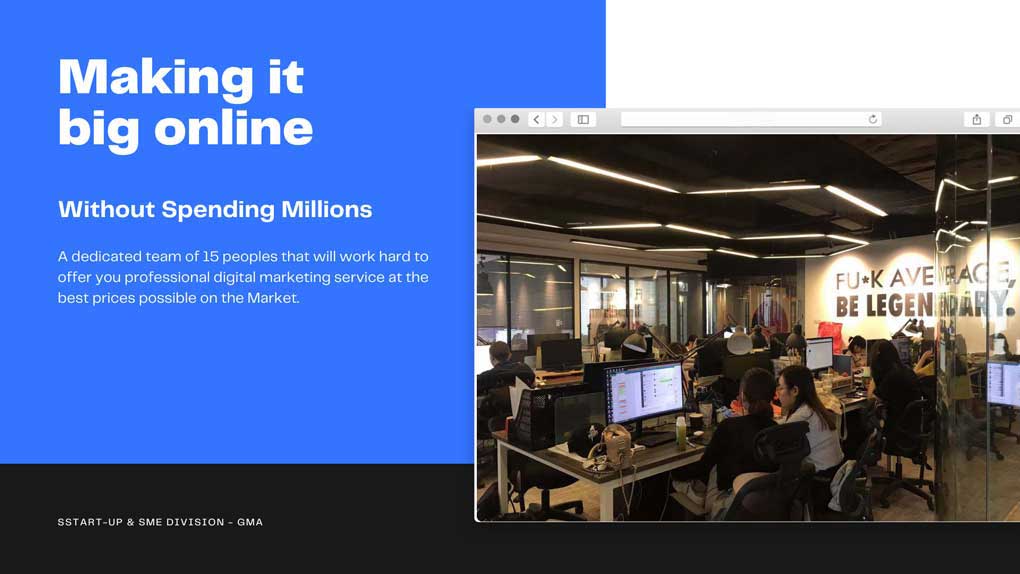 GMA, a digital marketing agency that has many contacts of Chinese KOLs or influencers, we are your perfect choice for your KOL campaign and digital marketing in China. With our experience of more than 7 years and our passion for marketing, we can help you gain the market.
Read also:

One Comment