
Top Alcohol & Wines Distributors in China (2024 update)

Are you looking for a way to Sell your Wine in China in 2024 ? Would you like to connect with Wine Distributors? We help Liquor, Alcohol & Wine brands sell to the Chinese market. We have a network of 500+ Chinese distributors and 50 importers.
Top 10 Alcohol and Wine distributors in China
- Cofco
- Torress
- Zhejiang Daxiyang Importing
- Summergate Wine Distribution
- Tenwow
- 1919
- Yesmywine
- Panati Wines
- Yangzhou Perfect
- French Spirit
- … etc;
The Wine Market in China in 2024

The wine market in China is projected to grow significantly, reaching an estimated value of US$137.3 billion in 2024. This growth is largely driven by the increasing disposable incomes and a rising trend of premiumization. Consumers, especially females, are increasingly viewing wine as a healthier drink option, which is contributing to its growing popularity.
Cost-Effective Agency
KPI and Results focused. We are the most visible Marketing Agency for China. Not because of huge spending but because of our SMART Strategies. Let us help you with: E-Commerce, Search Engine Optimization, Advertising, Weibo, WeChat, WeChat Store & PR.
The wine market in China is experiencing significant trends in 2024:
- Substantial Market Growth: Expected to reach US$137.3bn.
- Preference for Still Wine: Highest growth in the wine category.
- Increased Sparkling Wine Interest: Notable growth rate.
- Rising Disposable Incomes: Fueling market expansion.
- Premiumization Trend: Shift towards high-quality wines.
- Health and Beauty Benefits: Attracting female consumers.
- Expanding On-trade Transactions: Dominating the sector.
- Growing E-Commerce Influence: Boosting wine sales.
- Cultural Appreciation: Interest in diverse wine origins.
- Experimental Consumer Behavior: Exploring expensive and varied wines.
China Wine Market Figures
- Revenue in the Wine segment is projected to reach US$24,540m in 2024.
- The market is expected to grow annually by 6.4% 2023-2024
- The average per capita consumption stands at 1.1 L
Who are the Main Wine Distributors in China?
1- Cofco: Chinese F&B Giant
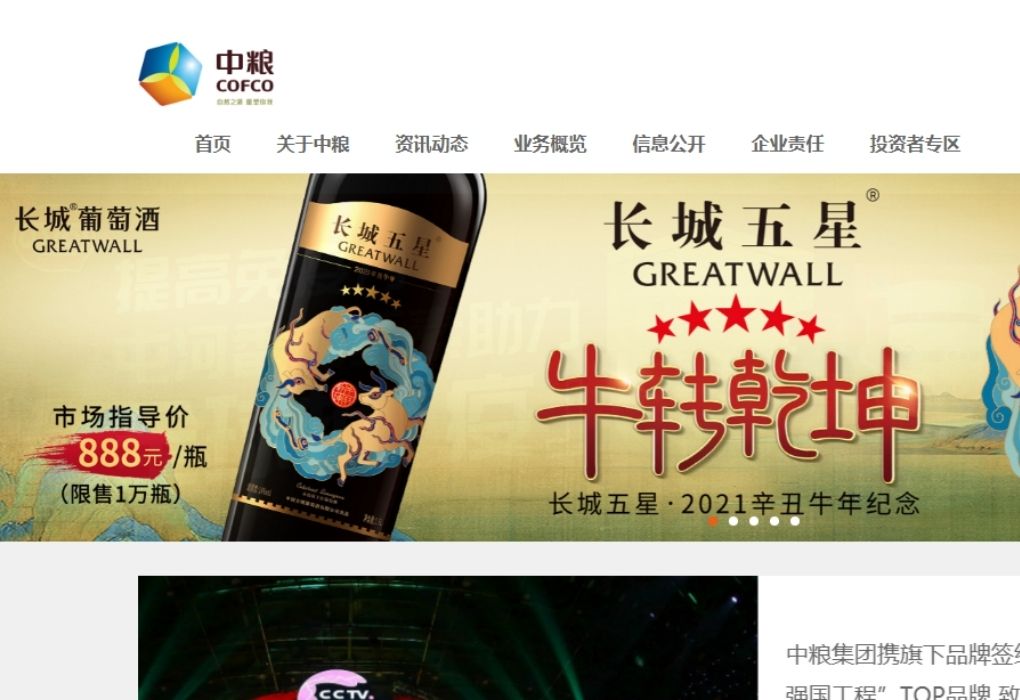
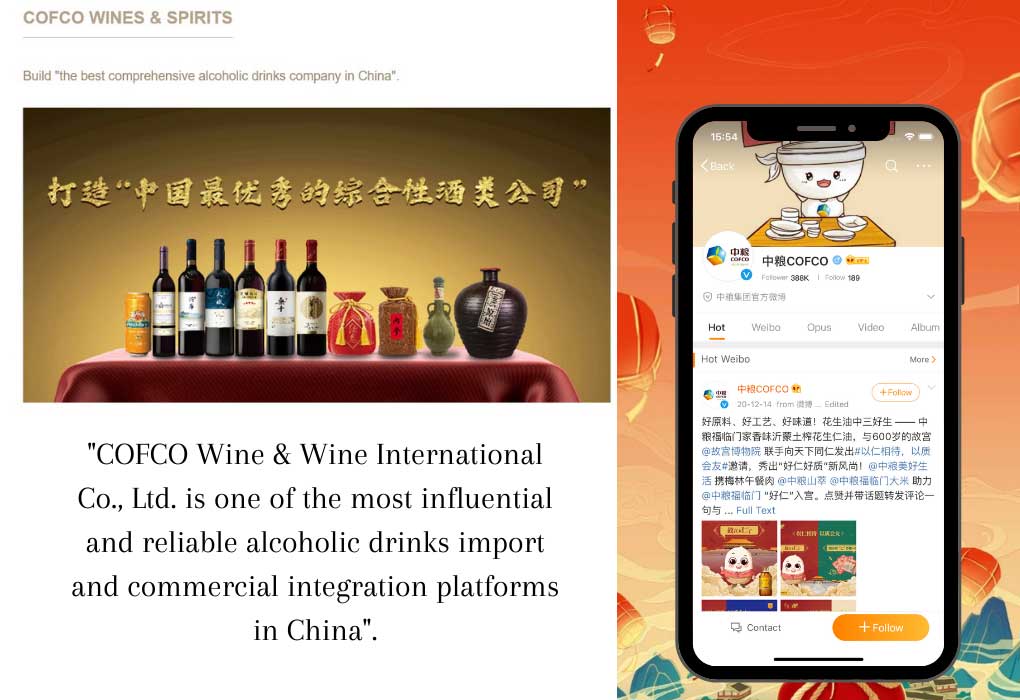
With regard to the volume of distributed wine, the Chinese Food and beverage Giant is the leader in China. COFCO uses a logistics company called C & D for the bulk of its imports into China. COFCO, whose full name is China National Cereals, Oils, and Foodstuffs Corporation, is one of China’s state-owned food-processing holding companies. COFCO Group also is China’s largest food processor and manufacturer.
2- Torres
Torres China was created in 1997, then sold a key stake to Baron Philippe de Rothschild in 2017.
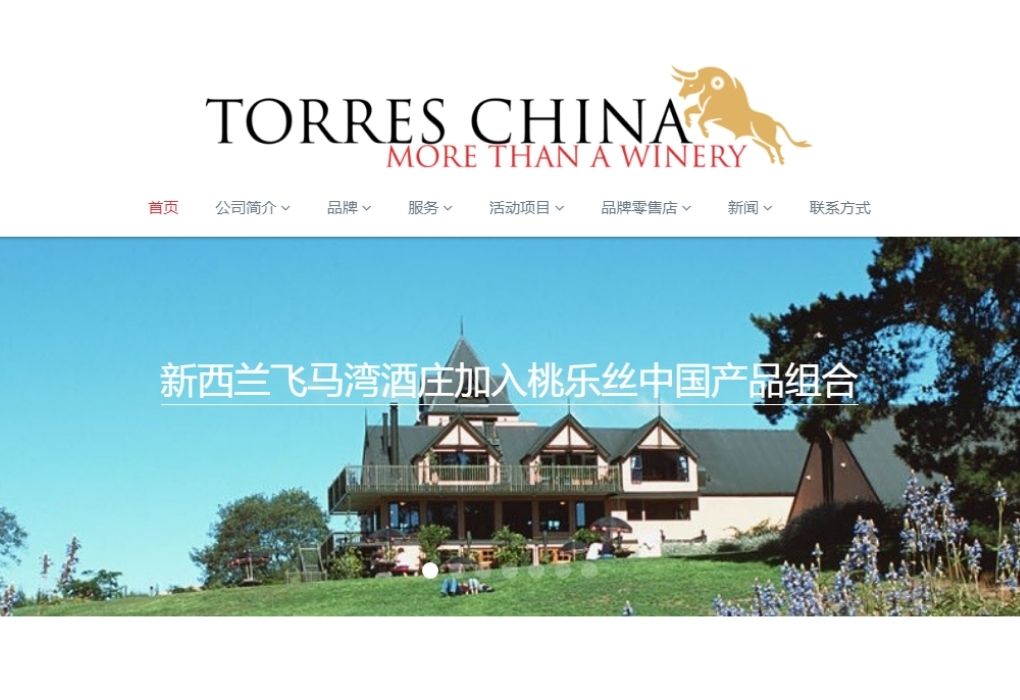
- The distributor firm has expanded its influence in China with a presence in eight major cities, selling more than 400 wines from 14 countries, including the fine established Wine brands from Opus One to Tattinger and Henschke.
- In 2015, China’s supermarket giant, Yonghui, signed a partnership with Torres China to obtain wines directly from the company and sell some of its wines throughout the country through its stores in 18 different provinces.
- The company imported 2.4 million liters of wine last year, a drop of 2.5 million liters in 2015.
3- JinYu or Zhejiang Daxiyang Importing

Zhejiang Daxiyang Importing Co, based in Wenzhou, Jinyu, is a wine merchant only specializing in imported wines.
- Founded in 2010, the company was subsequently acquired by the Jinyu Group in 2012 as a wine import subsidiary.
- Soon after, his wine import business grew and his market share in the imported wine sector in China increased to about 1.3%, according to his website.
- The company has an e-commerce website called White Hart Castle, which sells its own imported wines from Spain, Italy, France, Australia, and not only.
3- Summergate Wine Distribution
Founded in 1999, Summergate exclusively wine distribution represents over 100 brands from 19 countries.
- Everybody knows that it is a major firm in China’s wine importing business, the company imported 2.6 million liters of wines last year, a slight decline of 7% compared with 2.8 million liters in 2015.
- Recently it has been acquired by Australian liquor giant Woolworth in 2014, the importer handles popular Australian brands such as Penfolds and Wolf Blass.
- But among its 100 plus brands, Chile’s Casillero del Diablo is a key driver for the increase of its import volumes.
4- Tenwow: leading F&B Producer & Distributor

Founded in 1999, Tenwow is a leading food and beverage producer and distributor. It distributes nine main categories of products such as oatmeal, condiments, yellow wine, poultry, and fish in addition to wine.
- Tenwow acquired a 51% share in Nanpu Food Co. Ltd., a major spirits import in China that distributes Chivas, Hennessy, Martell in addition to wines; including California’s Carlo Rossi.
- Nanpu imported 2.3 million liters of its wines, making it the 11th largest wine importer in China.
5- 1919: Chinese Online Distributor
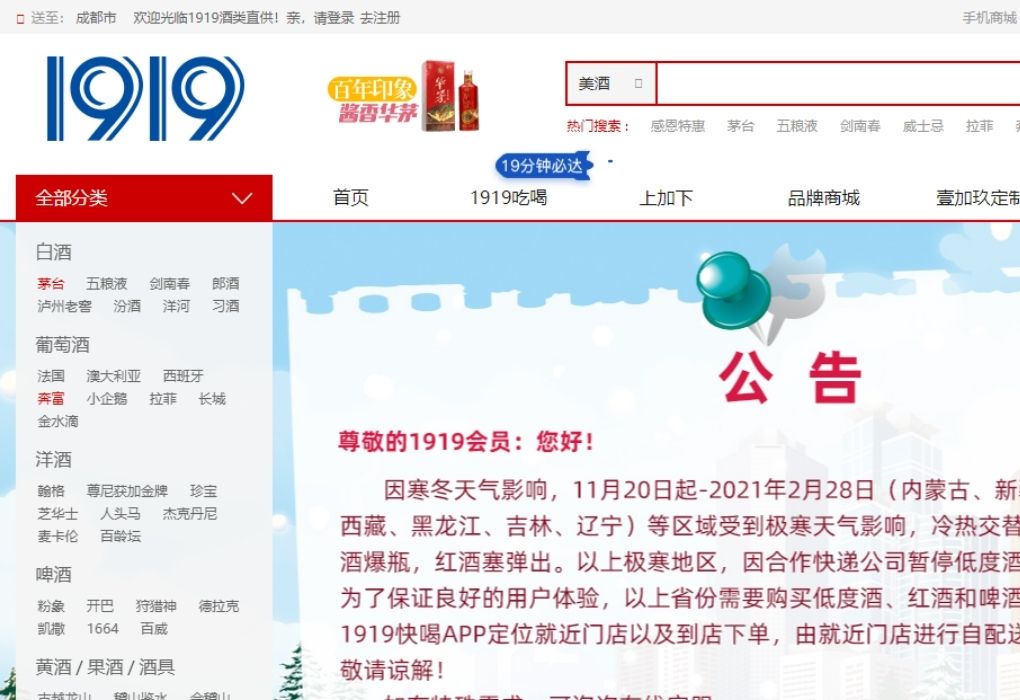

It is an online Distributor in China, and Alibaba invests in this Company.
In addition to online and offline sales, 1919.cn is well versed in mobile and app promotions, launching online sommelier services per order, and instant wine delivery services for selected cities in 19 minutes.
“The wine and beverage industry is a trillion dollar market, which is an excellent option to promote Alibaba’s new retail strategy to keep pace with fast-moving business”
said Hu , president of Tmall
China’s mega alcohol market, most of which belongs to the “Chinese spirit”, baijiu, is very connected to eCommerce in recent times. According to the Global Ecommerce Strategic Study, China is the biggest online market for alcoholic drinks.
“After partnering with Alibaba, the company will try to better integrate its business online and offline,”
said Yang Lingjiang, founder and president of 1919 Wines & Spirits.F
Founded in 1998, 1919.cn positioned its growth strategy first from its base in the southwestern part of China and then in lower-tier cities before expanding into eastern and coastal cities such as Shanghai and Beijing, which gives the company an advantage over the wine merchants who struggle with the distribution in the south and west parts of China.
Alibaba will inject RMB 2 billion (US$288.3 million) worth of investment into Chengdu-based online drinks retailer, 1919 Wines & Spirits, tapping into the liquor specialist’s more integrated services from the retail distribution network to wine storage, in order to drive the country’s alcohol sales. This would give the Alibaba Group 29% of its shares, becoming the second-largest shareholder of the alcohol specialist based in the city of Chengdu, southwest China.
6- Yesmywine
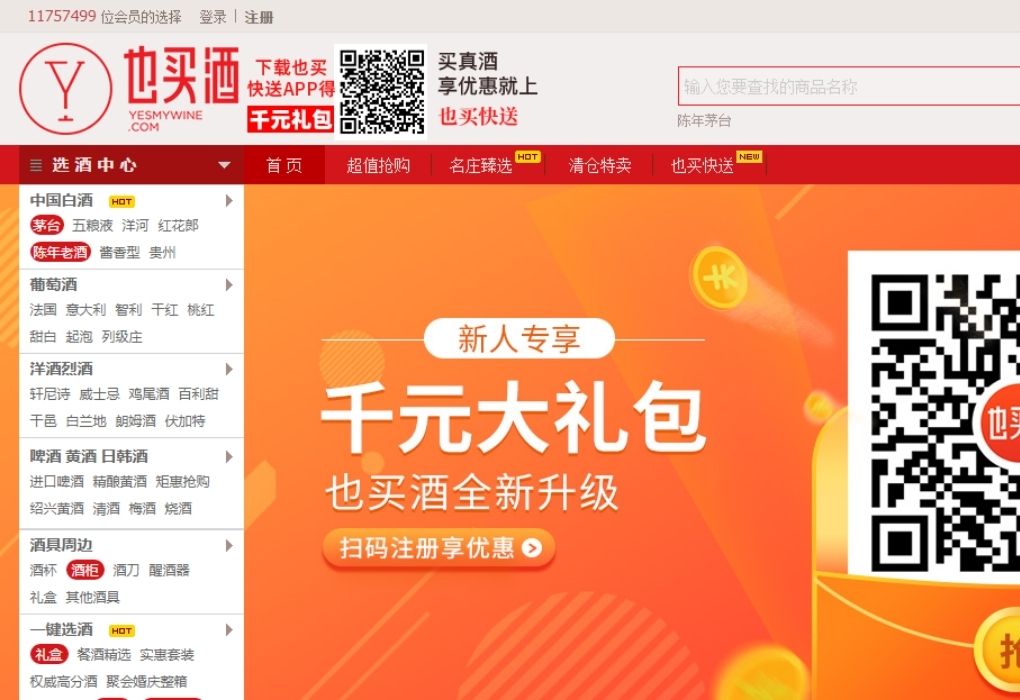
Yesmywine is the largest wine retail platform in the world, with more than a million users and a choice between 5 000 wines of 18 countries.
We have 8.5 million wine-loving members and have acted as the wine market’s largest retailer, education provider, and pioneer in China over the past decade. We are very proud that in the past eight years we received continuous recognition and support for our professionalism from both, wine consumers and wine industry professionals.
- On the online side, we have our own official website and mobile APP and in all online channels such as Jingdong, Tmall, and VIPShop we are ranked first wine shop.
- On the offline side, Yesmywine has 200 stores in China. We have formed an integrated online and offline, O2O integrated and unified wine brand to provide service to consumers.”
7- Panati Wines – Shanghai Wine distributor
Panati Wines (Shanghai) rose to a small measure of fame, not through its wine import volumes
Castel, which is transliterated in Chinese as Kasite, a name that was registered and trademarked by Panati in 2000 for its imported wines.
- The French company took Panati to court in 2005 opposing the use of the trademark.
- Panati won the case and in 2009 the company filed a lawsuit against Castel, claiming RMB 40 million (the US $ 5.8 million) in compensation for unlawful use of its trademarked name. A local court favored Panati, which prompted Castel to appeal the case to Zhejiang Higher Court but the court upheld the original verdict.
- Founded in 1995, Panati imports wines from Spain, the Mediterranean area, Bordeaux, Australia, Chile, Argentina, the US, New Zealand, and Spain. They are winning a lawsuit against Castel Frères over a transliterated Chinese trademark.
8- Yangzhou Perfect – South African Wine Export to China
Yangzhou Perfect, a subsidiary of Perfect (China) Co., was responsible for half of the wines South Africa exported to China after joining a partnership with Leopard’s Leap (South Africa) to create the wine brand ‘
- The “Huguenot” in 2012, said an official Xinhua news agency report.
- The brand’s range includes Shiraz, Shiraz / Pinotage, and Chenin Blanc blends. These are spread across 5,000 outlets operated by Perfect (China), a consumer and health food company.
- In 2015, the company expanded its range to include Akana wines from Chile.
9- French Spirit – Innovative Wine Distributor in China
FSP is the leading distributor of innovative Wine in China.
“As an Innovative wine Distributor and brand developer with creative value, we have reinvented Distribution in China by combining two often dissociated activities Social Media and Offline Buzz Activities.”
- It is a distributor of quality wine and spirits, with a wealth of experience and knowledge in the lucrative EEDC
10. ASC Fine Wines Beijing
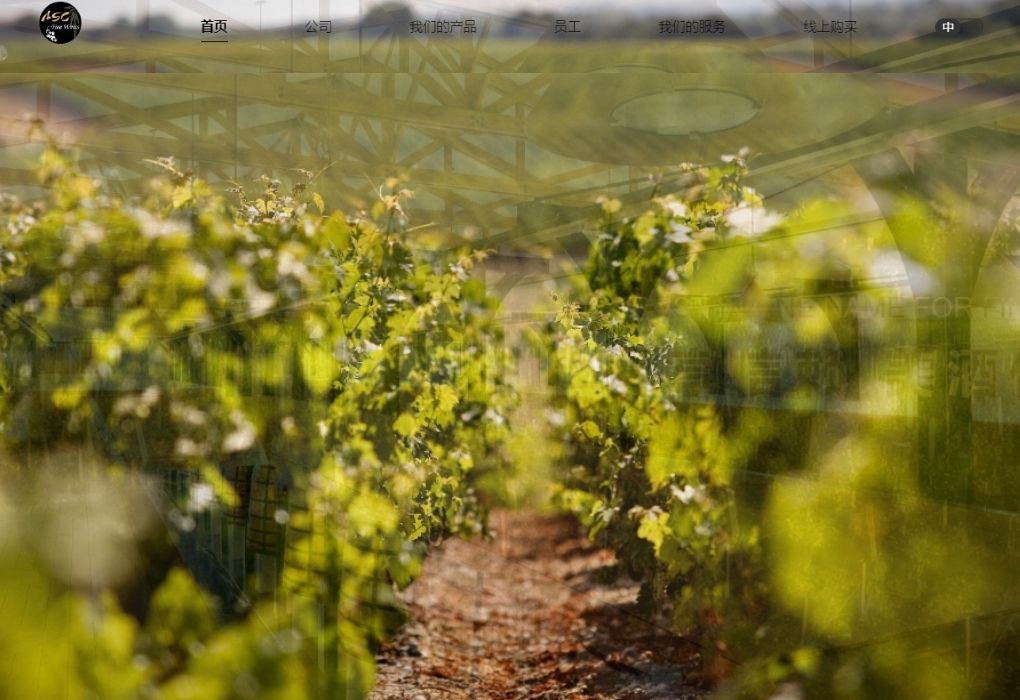
ASC Fine Wines has shown great foresight concerning the changing shape of the wine industry in China.
It has been able to consolidate its position as the finest wine importing business in China over the past 20 years, in part thanks to ASC’s superior portfolio, substantial importing experience, and outstanding customer service. ASC Fine Wines is indebted to the many customers they work with. The customers are from all different channels and cities across the country – hotels and restaurants, retail shops, supermarkets, wholesalers and individual consumers who are wine lovers. ASC’s relentless focus on customer service is one of the main reasons why ASC has grown so significantly. Orders are promptly delivered from one of our six temperature-controlled warehouses in Beijing, Shanghai, Guangzhou, Chengdu, Hong Kong, and Macau. This ensures that ASC can deliver what the customer’s order, in excellent condition, and precisely when they need it.
11-. FWP – French Wine to China
The french wine paradox was created in 1999 by Erwann Lemoigne, in Hangzhou, China. Originally named “French Wine Paradox” The distribution company’s initial activity was to import French wine and distribute it through the Chinese retail market. FWP entered the French giant retailer Carrefour in 2000 with a few items and Chinese promoters.
- They started the first wine fairs to develop a product category that the average Chinese consumer did not know at that time.
- FWP set new standards and engaged foreign promoters to sell their products in supermarkets.
12. Jointek Fine Wines Company Ltd
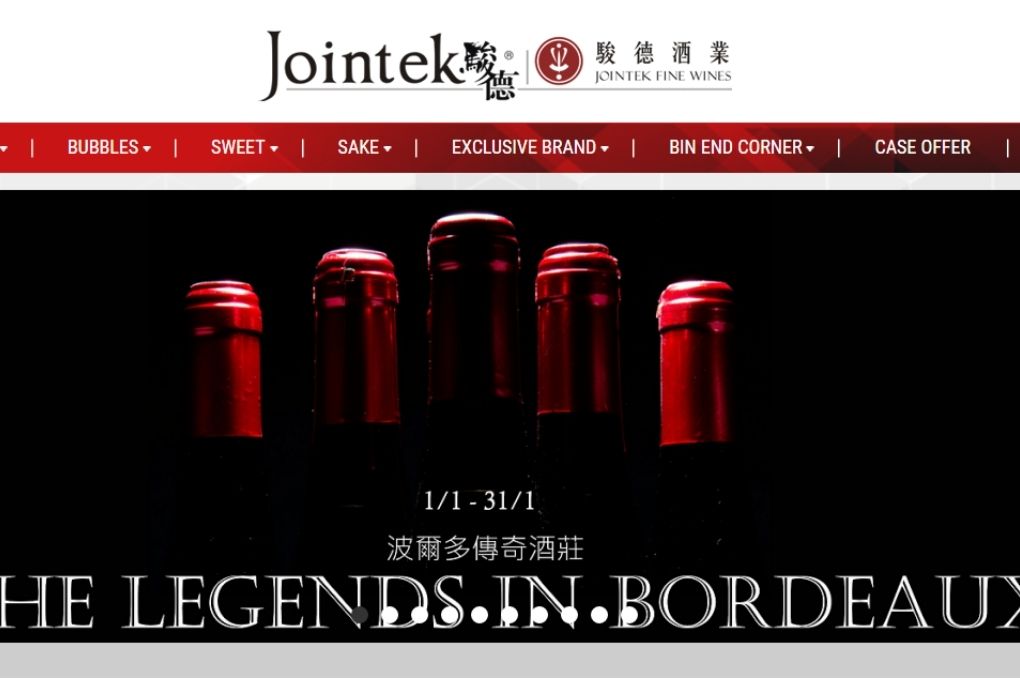
Jointek Fine Wines Company Ltd. was found in 1988 and is a world-renowned brand sprite distributor in China along with Martell, Remy, Hennessy and Chivas Regal, etc.
- (Website: http://www.jointekfinewines.com/ ) From 1996, he focused on the development of imported wine business, both wholesale and continuous, in the Chinese market,
- the Company set up its headquarters in Hong Kong to fully oversee global operations and became the first Hong Kong company to sell imported products. wines on the Chinese market.
- The firm has gained a great reputation in the wine industries of Mainland China, Hong Kong, Macao, and Southeast Asia. Jointek is not only the most renowned fine wine merchant in China, thanks to strong and strategic cooperation with the world’s largest wine producer Chateau, but also holds the leading position in the liquor sector in China through invaluable wine industry experience and have a national sales network
13. Jebsen & Co
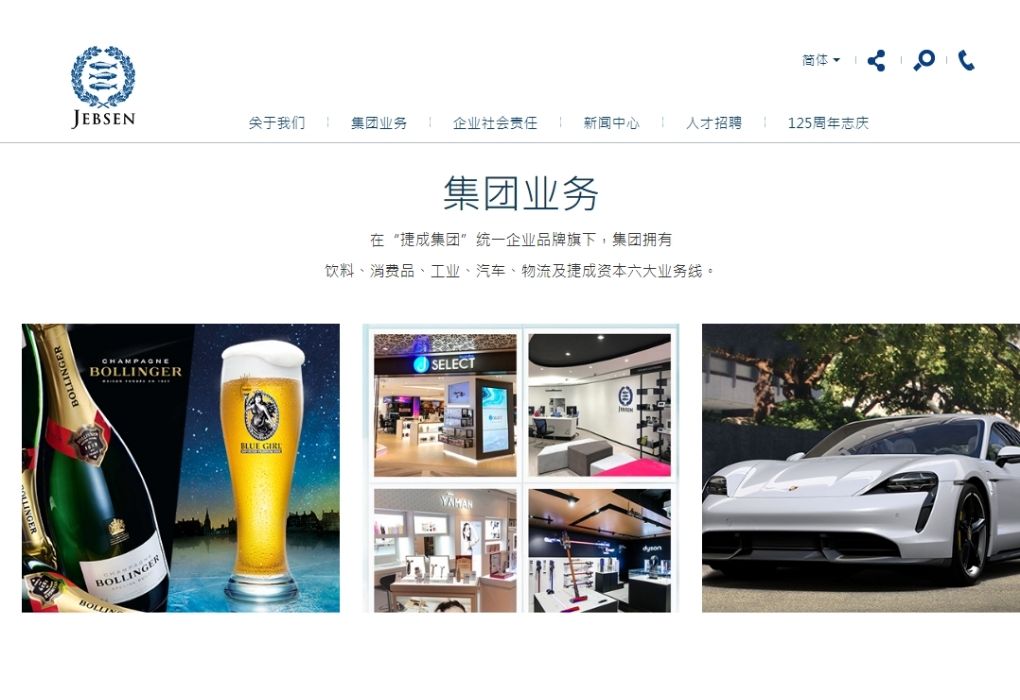
Jebsen & Co Group has evolved into a spirit and wine distribution organization, deeply knowledgeable in the industries and markets it serves.
- Jebsen & C keeps working with the rapidly changing business landscape and consumer lifestyles in Greater China
- Leveraging its long-established presence, local workforce, and Wine specialization to offer unique efficiency to companies around the world
- Enabling targeted and effective market access in Mainland China, Hong Kong. Jebsen & Co was well known for representing quality Brands
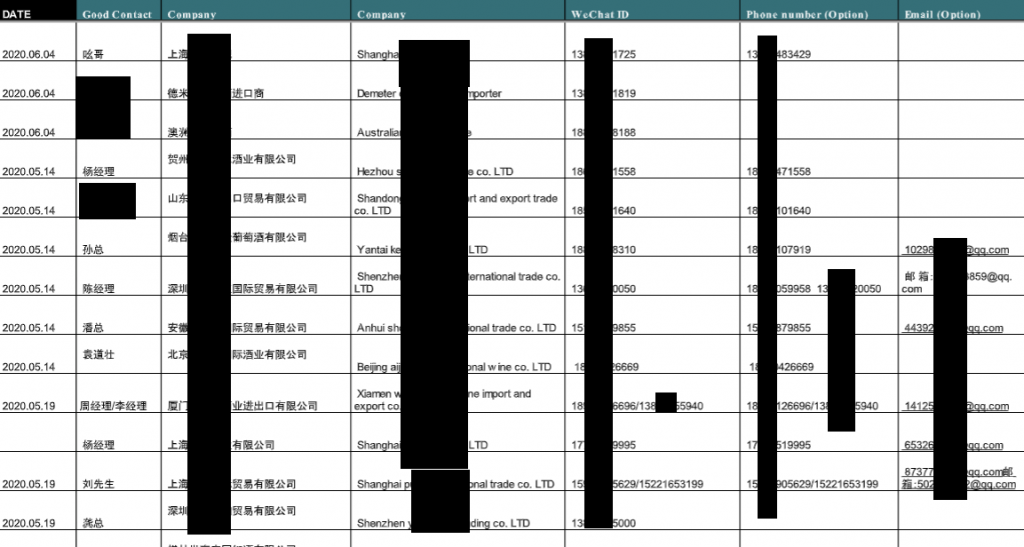
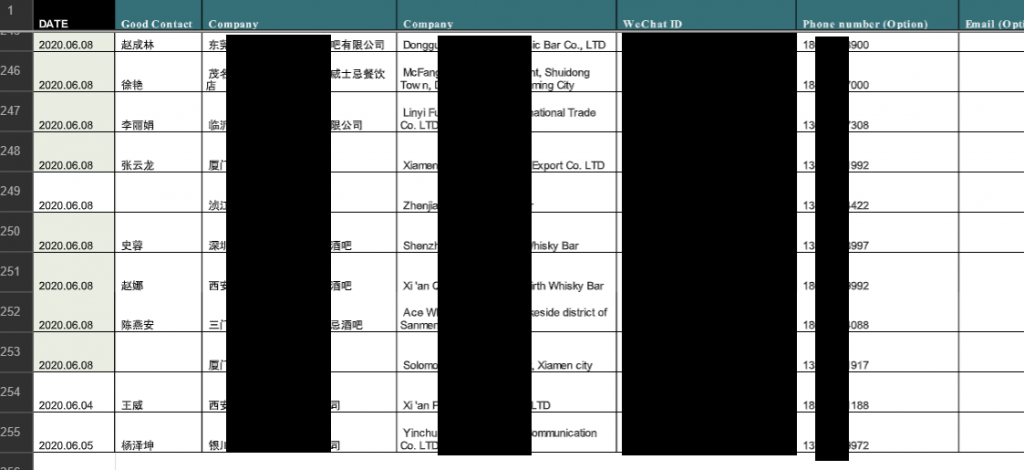
A Full List of 250 Top Wine Distribution Companies is available by email. You can contact us here.
(it is not free of course)
Who we are? Your Wine Agent in China

We are an Agent for Wine Companies and help them to sell in China to Distributors.
- We can manage the Marketing
- The go-to Market
- the Relationship with the Distribution
- And the Online Distribution – Tmall, Taobao, Wechat, etc
Join our Linkedin Group for Distributors & Brands in China
Our mission: Assist Wine Brand in China to Sell there
We help Wine Owner and Export Managers to maximize their Business in China


If you need to understand Chinese Distributors and how we help New Brands to hack the Chinese Wine Market…


MARKETING to DISTRIBUTORS


Our Philosophy

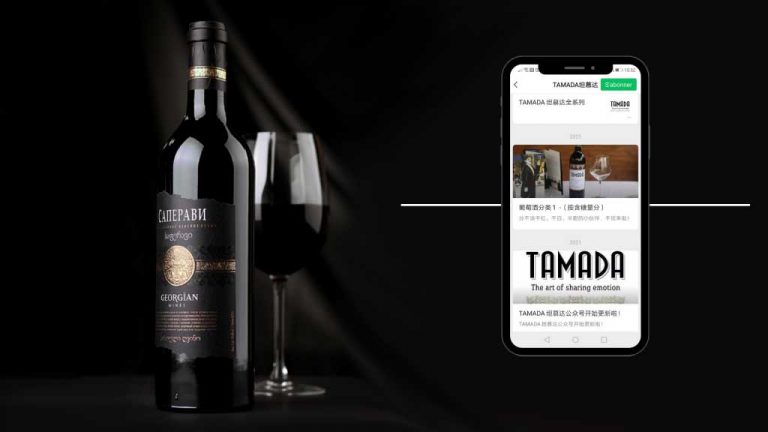
Our References in Wine + F&B in China





Hello,
I am interested to receive the full list of distributors and their contact. How much it cost?
I send you an email Wisdom. List cost 2000$ with contact. and you can buy part of it. 😉
Very good information. We are a Distributor of Wine online and want to get in touch with more winery.
Hello, we are a small Italian winery interested in entering the Chinese market.
Hello,
We are a online distributor , and we have access to thousands of stores online in China. We are searching for small wine makers in France, Italy and spain to sell in China.
We really want to collaborate with your agency to have access to these Wines that are not in China and have good reputation.
Hello, do you have any adress or number? I’d like to know the name of your company if possible, I’m in contact with a wine makers in france
I have great wine from South Africa, email me. We do design along side packaging and shipping.
Hey Johan,
Drop up an email here and let’s discuss about distributing your wine in china 😉
I am interested by your offer.
call me let’s discuss more.Am a Nigerian base in Abuja.
Hello,
Thank for this list of Distributors, but I have the feeling that you miss Chinese local dealer, who represent 90% of the Wine distribution in China.
We are the leading online Retailers, and we have 50 stores on Taobao, JD kaolao and Weixin (WeChat). We would like to sell imported liquors and imported premium beers.
Can you contact me.
Henry Huang
We Add you Henry in our Distributor list. 😉
Dear Mr. Henry Huang,
My name is Bart and I import liquors from Italy. I have the exclusive for sale in all Asia. Would it be possible to talk to you by email ( basco.trading.asia@gmail.com ) or whatsapp so I can introduce you the product and the company?
I’m looking for distributors in China.
Thanks for your time and looking to hear from you.
Bart
We will contact you soon.
Hello seoagencychina
I represent Sinolink Fine Wines Ltd. and we are searching to collaborate with Wine brands to resell to private network of stores.
I already contact you and hope to receive your Brands list
I will add you Andy. Nice to meet you
Hello ,
I’m currently in guangzhou , me and my associate want to import French vodka and get in touch with a distributor in China.
Please send me a mail.
Thank you
Yes sure. We will contact you soon;
We are an argentinian export company. We can offer you argentinian famous wines like malbec. Do you interested to import directly from Argentina?
Hello
We have several shops in Taobao, and we have sold thousands of wine bottle per month during Pandemic.
We are searching to expand our choice of products and prefer Brands good price for the value, from France or Italy.
Contact me for further information
Hi Jerry. Drop me a line if you are interested in selling Chocolate with liquid spirits (inside) on your online shops. We, Anthon Berg, have one of the probably most unique chocolate products you can find.
You can view our brand and products in our flagship store on tmall here: https://anthonberg.tmall.hk/
You can reach me at wechat ID: Anthonberg_jacob
Hello Jerry,
We are a new company from france in progress but we have a great project behind and we aim the chinese market. We are making wines in can if you are interested, I would like to get your contact.
Thanks in advance
Hi
I represent a Spanish company with very interesting Spanish liquors, awards winning for the excellence in Spain. We are looking for distributors in China as we already had a very positive feedback from an agent in China months ago and we were ready to start exporting, but after COVID is disappeared, so we need to move forward.
We are a wine merchant from Bordeaux and have access to all Grands Crus Classes wines as well as exclusivity on small chateaux. We also sell high-end Burgundy and Rhone Valley Wines.
Dom
Hi
I’m an importer interested in spirits, especially whisky, either Scotch, Japanese or American, etc. Popular wines from Chile, France, Italy, Spain are welcomed as well. If you are capable of export, kindly leave me a message or mail me
we will add you to our database of importer
I represent 2 Companies in South Africa (One specializes in Alcoholic and Non Alcoholic Spirits and the other in Alcoholic and Non Alcoholic Wines) and are looking for reputable Distributors with a strong RTM in China.
Thanks for the article, it was very interesting to learn this information. I am from Robinson & Sinclair, one of the leading wine export companies for South African wines, representing several family owned wineries. We are eager to expand our business in the Chinese market, especially now with the ban on Australian wines. What do you recommend we do to reach the above buyers? How much does the contact list cost? Please add me on wechat if interested: jeanemaritz
Thanks!
we will contact you
Hello,
We would like to receive list of distributors as we would like to export our goods to China.
Hello,
We are the largest wine importer in China. (Kweichow Moutai Co Ltd)
We are searching for brands with high potential for China, perfect product market fit.
WeChat
I have perfect wine 100% pure from Tanzania, I would like to do business With you. 期待它. Wechat:FeelslikePabloh
WHISKY/IRISH WHISKEY
JOHN BANNERMANS BLENDED SCOTCH WHISKY 12 x 750ML $67,72
TOMMY BALLARDS IRISH WHISKEY 12 x 750ML $93,98
RUM
SQUADRON DARK RUM 750 ML 12 x 750ML $44,13
SQUADRON DARK RUM 200 ML 12 x 200ML $18,64
SQUADRON TOASTED SPICED 12 x 750ML $42,99
GIN
KENSINGTON LONDON DRY GIN 12 x 750ML $43,37
BLOEDLEMOEN HANDCRAFTED ORIGINAL GIN 50 ML 24 x 50ML $48,70
BLOEDLEMOEN HANDCRAFTED AMBER GIN 50 ML 24 x 50ML $48,70
BLOEDLEMOEN HANDCRAFTED ORIGINAL GIN 750 ML 6 x 750ML $85,99
BLOEDLEMOEN HANDCRAFTED AMBER GIN 750 ML 6 x 750ML $85,99
THAMES BANK GIN LONDON DRY 12 x 750ML $112,62 $129,51
THAMES BANK GIN PIMLICO PINK 12 x 750ML $112,62
THAMES BANK GIN HARRY’S ORANGE 12 x 750ML $112,62
Dear Trading Partner,
We are a Whisky distributors
Send me your Prices Per bottle
Regards,
Alex Yang | FBC Trades
+91-7042026500
Never forget that Chinese Distributors need profits
https://www.linkedin.com/posts/olivierverot_china-activity-7100397779826405376-kTxu?utm_source=share&utm_medium=member_desktop
We can share the contacts
And reach into agreements.
Email us Peter 🙂