
How to Develop a Service Company in China in 2021? (Lawyer, IT Software, Consulting, Agency …)

China is the world’s second-largest economy and the service industry is becoming a major employer, contributing more than 60 percent to increased tax revenue and leading the country’s GDP growth. Last year, China’s tertiary sector companies, saw stronger profit growth in the first three-quarters thanks to rising demand for services and steady rising prices ( (Lawyer, IT Software, Consulting, Agency …).
In China, Service Companies overtake the industrial sector in growth

China’s tertiary sector profit growth is faster than that in China’s industrial sector. Indeed, the consumption demand has been shifting gradually from goods to more services and it will help to maintain labor market stability during the period of economic transformation.
Cost-Effective Agency
KPI and Results focused. We are the most visible Marketing Agency for China. Not because of huge spending but because of our SMART Strategies. Let us help you with: E-Commerce, Search Engine Optimization, Advertising, Weibo, WeChat, WeChat Store & PR.
The landscape for international business has undoubtedly changed internally and externally.
What are the best solutions to market a service company in China?
As China is a fairly globalized nation, the online eco-system is one of the most developed in the world ( (Lawyer, IT Software, Consulting, Agency …). Almost all the Chinese population is using a phone to buy online or search for information. Society is revolving around online in B2B, B2C and C2C, therefore digital is the answer to market a service company here.
A service company must be on Chinese platforms
Due to state restrictions and regulations about what can be made accessible, it is important to use Wechat, Weibo, or Baidu to develop your lead generation and marketing strategies.
Regardless of your international reputation outside the country and because the vast majority of online researches are conducted in Mandarin, it is essential to have a presence on Chinese platforms.

For example, Primadollar, a global trade finance provider, has plunged into the Chinese market obtaining great results. It chose to face the complicated Chinese market using a multi-channel marketing strategy. Its strategy consists of being present on WeChat, doing SEO on Baidu, creating conversations on Chinese forums, and much more. Click here to know more about it.
Grow your Service Company in China with Lead Generation
The key to success for service industry companies in China is digital lead generation.
Through lead generation, you can go straight to your prospects with a targeted offering. Indeed, you can target very specific communities based on demographic profiling, search interests, online behaviors, and keyword searches.
The lead contact forms can be placed in the targeted news feed, applications, websites, or targeted community forum threads. Chinese research more extensively and all the information available on users’ behavior allow you for more advanced targeting. Lead generation is a revolution for Lawyer explained Jin Wang Associate.
Use Baidu SEO to build your service company e-reputation in China
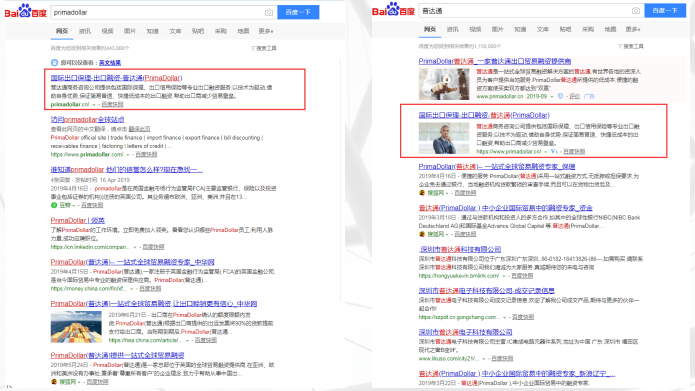
In China, the number one search engine is Baidu and 75 percent of all first stage researches are conducted via Baidu. Search Engine Optimization (SEO) allows your company to increase your visibility on Chinese websites with natural search results.
A service company needs to optimize its online presence to ensure visibility over time.
You need to drive targeted and qualified leads onto your landing page. Therefore, Baidu is the most effective portal for reaching targeted prospects.
Targeted paid advertising
In order to efficiently reach users, you can use Pay Per Click (PPC) adverts based on keyword researches. In other words, you pay for your links to be in the search results based on a series of targeted keywords.
- Baidu PPC
Great in combination with Baidu SEO. It gives your landing page the primary traffic boost it needs to start getting customers.
- Native Ads
Natives Ads is a type of ad that is native to the platform it is displayed on. In China, until 2012, native ads were mainly displayed on search engines (see Baidu PPC above). Today, pretty much each platform offers an ads service.
In the services industry in China, we would strongly recommend Toutiao. Toutiao’s user base matches the target audience of service companies more than let’s say Weibo for instance and is also a lot more affordable than Wechat ads.
As a service Company, you know this: a Localised Chinese website
If you want to effectively market your service company in China, you’ve gotta have a Chinese website. The translation of your current website just won’t work. The reason is simple: Your website most likely used Google plugging that won’t load in China and is probably hosted in the US or Europe.
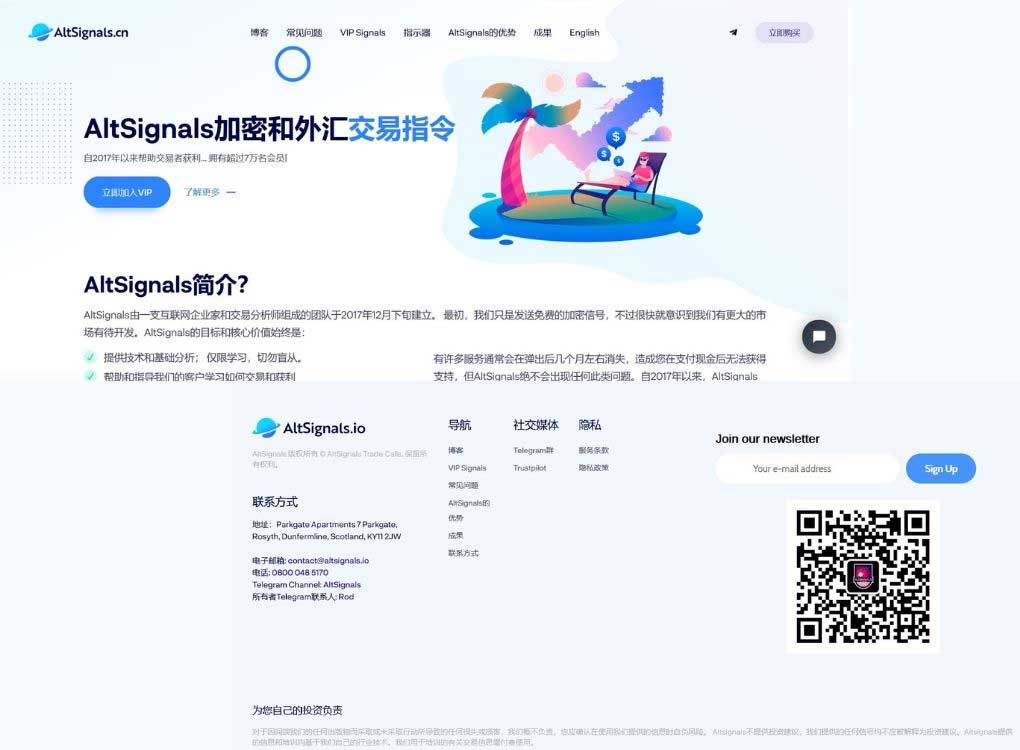
Whatever you do, you should be working on optimizing your landing pages, especially with paid advertising. In terms of design, think like a Chinese user. What are Chinese users looking for on a website, how do they use a website? to give you a glimpse: Contact-info / pricing range.
Consider using live chat tools, which are the most popular way for instant communication with prospects.
The importance of quality content
The market in China is different from the West market. Consequently, you need to readapt et rework your website’s content to suit your audience in the country. You will need to have the help of a quality team of local copywriters.
The main research engine, Baidu, rewards fresh content. Therefore, it is important to regularly produce new content in order to rank highly. This is a way to establish your company as an international expert in your field of specialization.
In China, Service Company have to do ORM
Being an international company in China is a major advantage because Chinese customers are more inclined to trust foreign companies. Although this is a definite +, it is far from enough, especially in the service industry. Chinese businesses will often think that you don’t understand how they work and therefore believe you can’t help them properly. It is your job to prove them wrong. Show them, that not only do you sell great service but that you understand them by mastering Chinese Marketing tools.
Use Chinese forums to build your e-reputation in China
Using Chinese forums, such as Zhihu, Baidu Tieba, or Baidu Zhidao, to build your reputation is an efficient solution to rank highly in the results based on keyword researches.

In these forums, you need to create users to run conversations around your company and services. In Chinese society, user recommendations and testimonies are very persuasive.
Communicating with the most used social media: Wechat

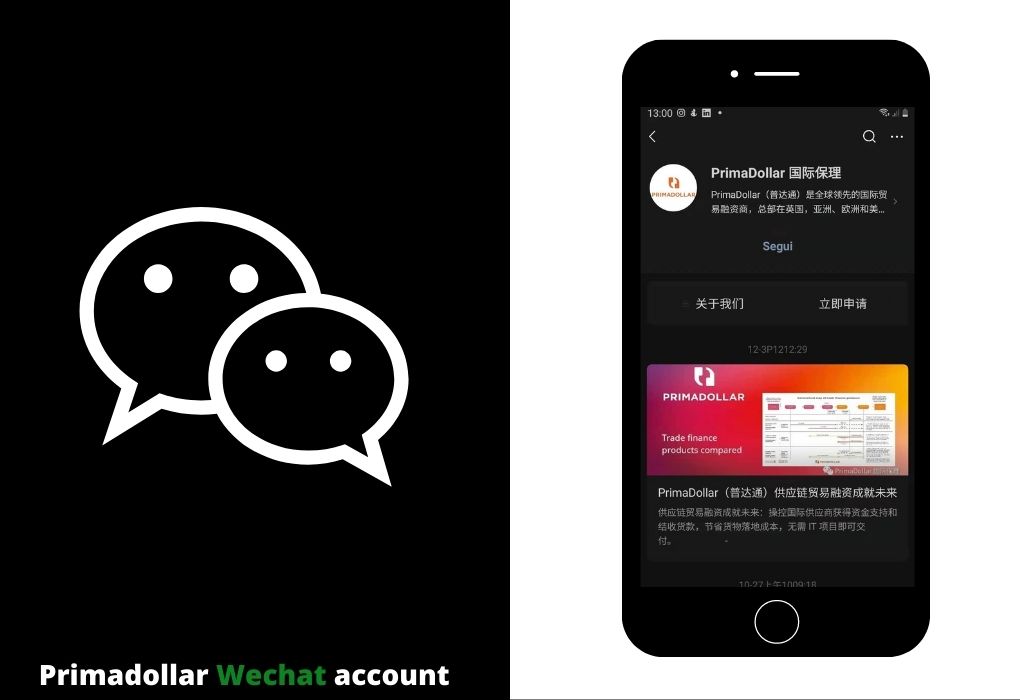
In China, WeChat is the most used social media with over 860 million active monthly users. It is necessary for a company to have an official account and a presence on WeChat.
Nurture Leads on Wechat
WeChat allows you to create content that will be sent through push notifications to followers. Moreover, you can develop your customer relations via Wechat CRM.
Use WeChat to run “newsletters” with weekly posts. Indeed, most people don’t consult their emails In China. WeChat offers a good alternative.
Use Wechat group to build a following
One of the most efficient ways to build a following on Wechat is with the Wechat group. The reason is simple, WeChat is a closed eco-system. Users need to actively choose who they follow to see new content. They discover new official accounts mainly through their friends and group chat.
Groups chat not only allows you to share your content but also engage with your followers, share useful information, and so on.. building proximity and trust feeling overtime.
With WeChat marketing, Be patient
Create an admin as many groups as you can but also join the relevant groups. It takes time to start from scratch and get results, after all, it is nurturing, don’t get frustrated. Your other option is to go through an agency like ours, to create, join, and manage your WeChat group marketing.
Using a Chinese media and PR strategy
A PR strategy with the Chinese frequent news sites, such as News168, Xinhua, or Sohu, is important for the credibility and legitimacy of your service company. You also should have a quality team of Chinese copywriters to relay your message.
Why does PR matter for your e-reputation in China? If we put it simply, having trusted third-party media giving your agency credit is always more beneficial than self-promotion.
Bonus: You should be getting backing with each PR, meaning your website will gain more authority and visibility on Baidu.
To conclude on developing a services agency in China 2021
the service sector will continue to be a major factor driving the country’s economic growth as more policies are expected to be rolled out to support household consumption.

SEO Agency China is a Digital Marketing Agency that is an expert in the Chinese market. For your service company, we can build a winning digital strategy so that it will be ready to face the complicated Chinese ecosystem.
Do you want to know more about the Chinese market? Feel free to contact us.





Hello! I am interested to develop my service company in China with a specialization in IT software, I will contact you for advice.
Very informative article.
Do you use linkedin for the Chinese market?
Hi John,
Most of the time no. inkedin is not fully accessible