
Importer of Art & Decoration Item in China
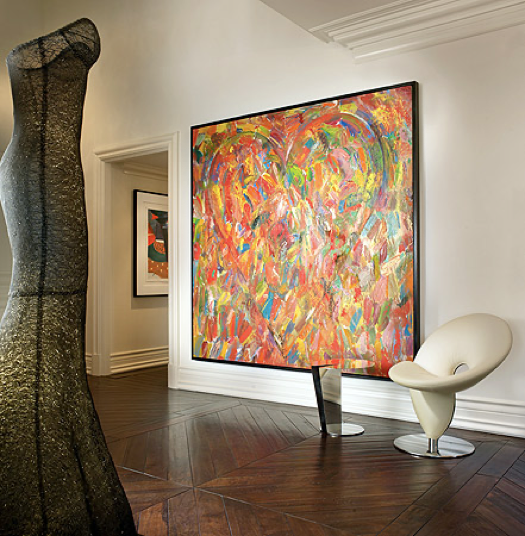
This article explain the art and decoration market, and provide list of the main importers of Decoration & Art in China.
Art & decoration in China
China’s art history has its very own style. From paintings to artistic calligraphies, and passing by the world-known Beijing Opera and Chinese clothes.
Cost-Effective Agency
KPI and Results focused. We are the most visible Marketing Agency for China. Not because of huge spending but because of our SMART Strategies. Let us help you with: E-Commerce, Search Engine Optimization, Advertising, Weibo, WeChat, WeChat Store & PR.
The vision of art in China was very singular until its opening to the world in the early 2000s. China started to import culture and exchange art and lifestyles.
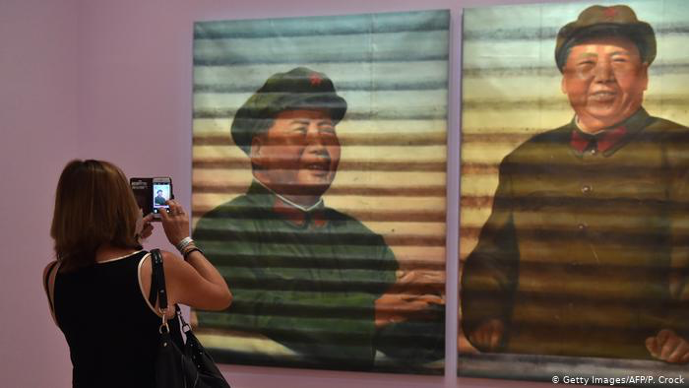
Now the art and decoration standards in China are not the same and somehow join the Western vision of art. Paintings, artistic objects, decoration items, designers’ works, Chinese people are becoming more sensitive to art. They ask more and more of it and their interest is growing very quickly.
The art market in China
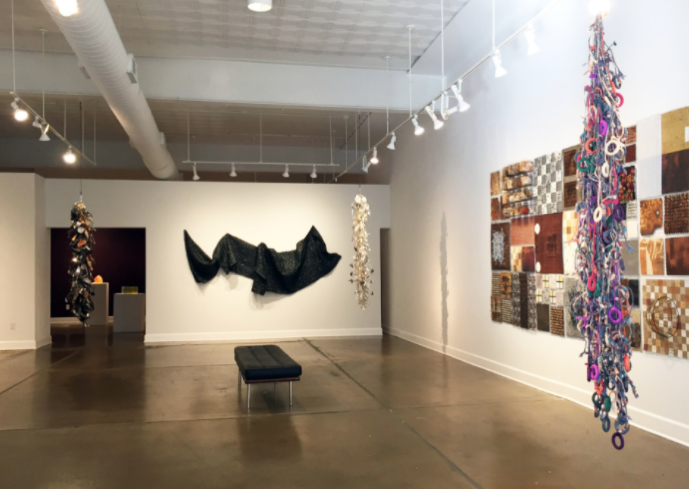
Western art is very appreciated in China. Some foreign designers even managed to build their name in China. For example, designer KAWS is very famous in China. The young generations love him! KAWS made two collaborations with the Japanese brand UNIQLO and it was a HUGE success. People were even fighting to get one of the designer’s shirts.
And it goes the same for decoration items. Chinese people consider foreign decoration items as a symbol of having a high live standard, a lifestyle that matches the ones in Western countries.
So, Chinese people are fans of foreign designers and artists, even more if they are famous!
They have a big opportunity to sell their art in China. And if you don’t trust us, here are some facts about the art market in China that will leave you speechless:
- The world second largest art market
- Represents around 30% of the global art market share
- $5 billion total sales of work of art in China in 2017 (which is about $1.7 billion more than in the US!)
- +20% of art sales in 2017
Read also
Decoration market in China
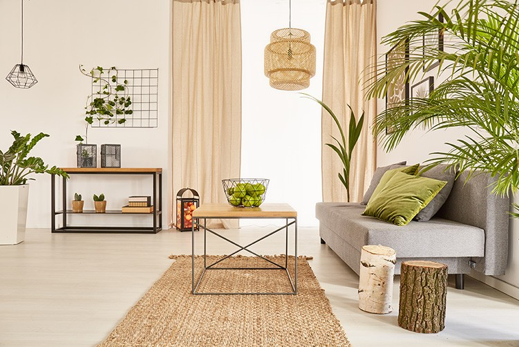
The decoration item market is also promising in China. Chinese aesthetics and home standards are different and more complex than before. Becoming more Western style-oriented, the Chinese are purchasing more decoration items.
The decoration market is in constant increase in China for several years:
- A market sized RMB 2.23 trillion in 2018
- Expected to reach RMB 2.59 trillion by 2020
- +7.5% of annual market growth rate
- +15% of e-commerce home decorating market
List of Art & Decoration importers in China
- Booyu Import
- Poly house
- Christie Asia
- Portego import
- Oopi
- Italyclassico
- Zcool
We have a list, contact us and we may be able to help you.
Art & Decoration item importers in China
- Poly Auction House
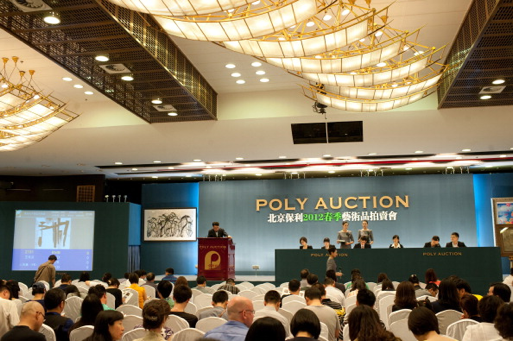
A state-owned auction house that dominates the Chinese market.
- Christie’s Asia
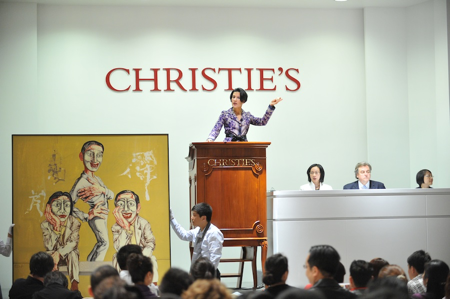
A multinational that is an art auction reference in China. Christie’s organizes auctions and imports art into Asian countries, especially in China, for its auction events.
- Sotheby’s

The only concern for Western art exporters is that the sale of Western art in those auction houses are limited to post-1949, but it may not affect art creators of nowadays.




Hello
We have a hotel chain (20 in all China), and we are thinking of resell art in our hall.
Can you contact me for collaboration
Importers of art and decoration items in China typically look for the following:
Unique and High-Quality Products: Importers seek art and decoration items that are unique, innovative, and of high quality. They are interested in products that stand out and offer something distinct to the Chinese market, whether it’s in terms of design, craftsmanship, or materials used.
Cultural Significance: China has a rich cultural heritage, and importers often seek art and decoration items that have cultural significance. They look for products that reflect traditional Chinese art forms, motifs, or techniques, as well as those that incorporate cultural elements from other countries or regions.
Diverse Range of Products: Importers want a diverse range of art and decoration items to cater to different consumer preferences and market segments. This can include paintings, sculptures, ceramics, home decor, wall hangings, textiles, and other artistic creations.
Competitive Pricing: Importers are mindful of pricing considerations and seek products that offer good value for money. They look for reasonable pricing that allows them to remain competitive in the market while still ensuring profitability.
Compliance with Regulations: Importers prioritize products that comply with relevant regulations, including safety standards, intellectual property rights, and any specific requirements imposed by Chinese authorities. They seek suppliers who demonstrate a commitment to legal and ethical practices.
Strong Supplier Relationships: Importers value strong relationships with reliable suppliers. They look for suppliers who can consistently meet their quality requirements, provide timely delivery, and offer good customer support. Trust and effective communication are crucial in establishing long-term partnerships.
Marketing and Promotion Support: Importers appreciate suppliers who can support them in marketing and promoting the art and decoration items. This may include providing marketing materials, assisting with product presentations, and collaborating on promotional activities to enhance product visibility and consumer awareness.