
Top wholesalers of cereals in China
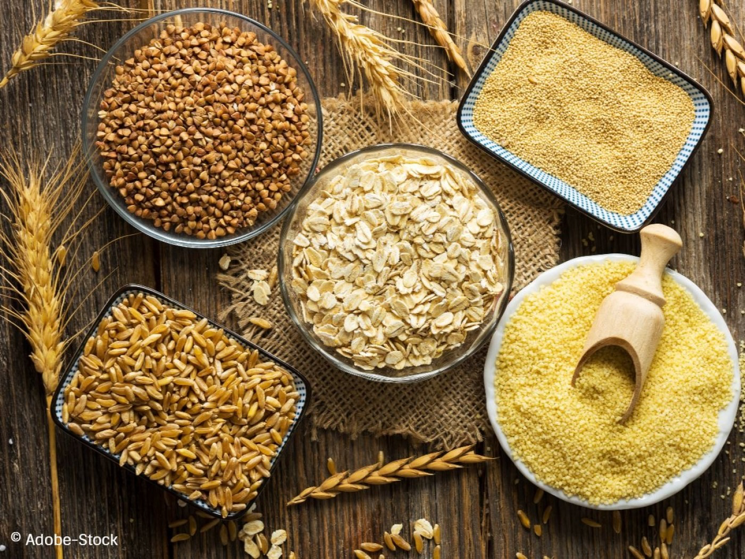
This article provides information about the cereals market in China and top importer, with shortlist. Eating cereals in China is getting more and more trendy, especially for breakfast! Seen as nutritive and healthy products, cereal consumption in China is currently booming!
Learn How to manage a Chinese distributor & discover our solutions to Find a Reliable Chinese Distributor
Cost-Effective Agency
KPI and Results focused. We are the most visible Marketing Agency for China. Not because of huge spending but because of our SMART Strategies. Let us help you with: E-Commerce, Search Engine Optimization, Advertising, Weibo, WeChat, WeChat Store & PR.
Do Chinese people really eat more cereals?
YES.
Even though Chinese breakfast culture is quite different from the Western’s, cereal consumption culture is not that different. Nowadays, Chinese people are getting more used to eating cereals in the morning, but also during the day. Light, healthy, providing essential vitamins and easy to conserve, cereals is a solution that the Chinese are willing to adopt!

Of course, Western culture is constantly exported to China and Chinese people love it! But as you may have guessed, Western culture first arrives in first-tier cities. We can easily see understand it when we know that urbanized southern and eastern regions represented over 60% of total breakfast cereal sales in 2017-2018.
To go further, the main cereal consumer cities are:
- Shanghai
- Beijing
- Chengdu
- Shenzhen
It is indeed one of the most developed Chinese cities.
How is the Chinese cereal market doing?
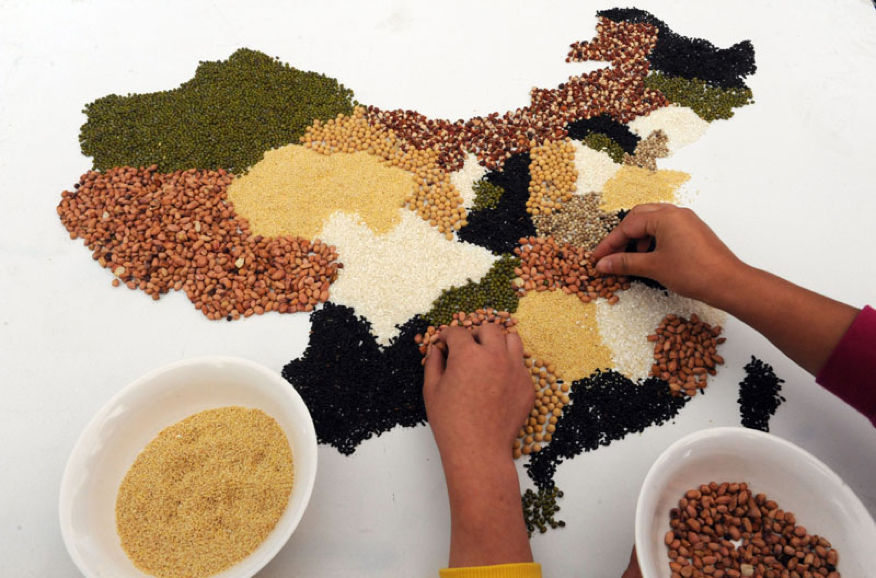
As we said, the Chinese market is (with no surprise) BOOMING for a few years and has a huge potential for growth in the coming years.
Here is the cereal market in a few numbers:
- A potential rise that will be led by the Chinese middle class
- A preference for cereals including Chinese ingredients (black sesame, goji berries, red dates, …) AND sugar-free products
- US$407 million size market in 2015
- Expected to reach US$855.8 million by 2022 (more than doubled compared to 2015!)
One segment that has a big potential in the cereal market is the breakfast cereal market:
- US$5,844m of breakfast cereal total revenues in 2020
- A market expected to grow by +6,5% annually
Whether it is about breakfast cereal or lunch/specific cereals, the Chinese market is a golden opportunity for any cereal brand.
And accompanying this rise, many cereal wholesalers popped up in China. Rice, wheat, oats, whole-grain cereals, or more, you can find so many types of cereals with Chinese cereal wholesalers to make your business grow.
Do you want to know more about them? You have the choice…
Cereal wholesalers in China
Most of the time, Chinese companies do not only perform the function of wholesalers but also of the importer, exporter, AND supplier of cereals.
Of course, different companies may be specialized in some types of cereals over others so you have the choice to select the cereal wholesaler you want to work with.
Here is a non-exhaustive list of wholesalers but also importers of cereals in china:
- Junan Jinguo Cereals & Oils Foodstuff Co. Ltd
- Henan Cereals, Oils & Foodstuffs Imp. & Exp. Group International Economic Cooperation Corp., Ltd
- Taonan Dongfang Cereals & Oils Trade Co., Ltd.
- Henan Huatai Cereals And Oils Machinery Co., Ltd.
- Henan Huatai Cereals And Oils Machinery Co.,Ltd.
- Jiangsu Cereals, Oils & Foodstuffs Import & Export Group Corp.
- Guizhou Cereals, Oils & Foodstuffs Import And Export Co., Ltd
- Junan Zhongsheng Cereals Oils And Foodstuffs CO., LTD.
- WenZhou Cereals, Oils & Foodstuffs Foreign Trade Co., Ltd.
- Jiangsu Cereals, Oils & Foodstuffs I/E Group Corp
- Hainan Taikoo Cereals, Oils Trade Co. Ltd
- Chengdu Chuanzhimei Trading Co., Ltd.
- Xian Xiyu Minnong Natural Food Co., Ltd.
- Henan Xinantang Biotechnology Co., Ltd.
- Qiyilian Trade (Xiamen) Co., Ltd.
- Shantou Yangyu Foodstuff Co., Ltd.
- Shantou Mico Foodstuff Co., Ltd.
- Jianping Xiangzhou Cereals Co., Ltd
If you want to contact these companies we can help you. Send us an email and we will contact you back.
(reply in 24h)



Hello
We are a online distributors, and we sell online foreign products since 2012. We are interested to search imported food brands, and cereals brands from oversea is getting popular.
Contact me to collaborate
corn price today, gmo yellow corn 12,500 ton 400 usd sblc or 370 usd dlc, 25,000 ton 390 usd sblc or 360 usd dlc, 50,000 ton 380 usd sblc or 350 usd dlc, 100,000 ton 340 usd sblc or 320 USD DLC, 200,000 tons 300 USD SBLC or 280 USD DLC, 300,000 ton 270 USD SBLC or 250 USD DLC all quotes 12 month contract quote Brazil
corn price today, non gmo yellow corn 12,500 ton 420 usd sblc or 400 usd dlc, 25,000 ton 410 usd sblc or 380 usd dlc, 50,000 ton 400 usd sblc or 370 usd dlc, 100,000 ton 380 usd sblc or 35 0 usd dlc, 200,000 ton 340 usd sblc or 310 usd dlc, 300,000 ton 310 usd sblc or 280 usd dlc all quotes 12 month contract quote brazil
sugar ic 45 from 50 tons month 340 usd per ton place your order +55 43 998029122 we also have soy and meat