How to deal with Chinese distributors (2023 update)
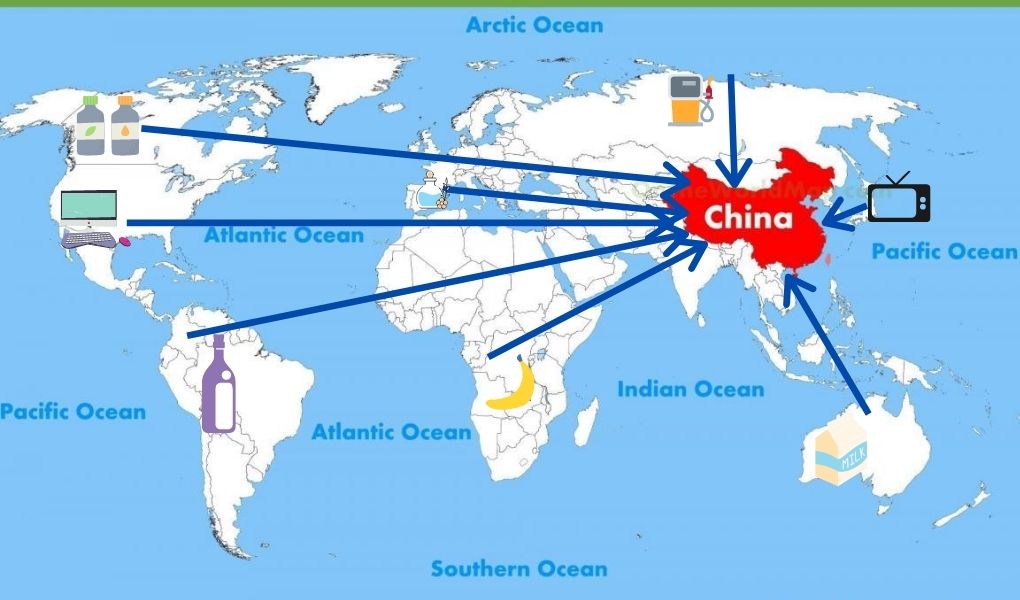
One of the most common methods for companies looking to sell and distribute products in China is to use a local distributor. BUT it is not easy, they have their way of doing business, their code their expectations.
Some Business succeed and most fail .
Cost-Effective Agency
KPI and Results focused. We are the most visible Marketing Agency for China. Not because of huge spending but because of our SMART Strategies. Let us help you with: E-Commerce, Search Engine Optimization, Advertising, Weibo, WeChat, WeChat Store & PR.
2023 effective Tips to deal with Chinese Distributors
This is a key step for companies looking to expand in China.
Distributors, as opposed to sales agents, purchase goods from a supplier and resell them to local end-users.
They receive a margin on the products they sell. In some cases, the distributor may sell to other wholesalers who then sell to local retailers or end-users.
Collaborating with Chinese distributors can be a test phase in China for companies.
Indeed, this strategy is less expensive than opening an online store on Chinese marketplaces.
3 Factors to consider when choosing a Chinese distributor
There are several competing factors that companies must consider before choosing an agent or distributor to sell their products in China.
1) A bigger margin for distributors
Distributors can also offer after-sales services. They make money by adding a margin to product prices.
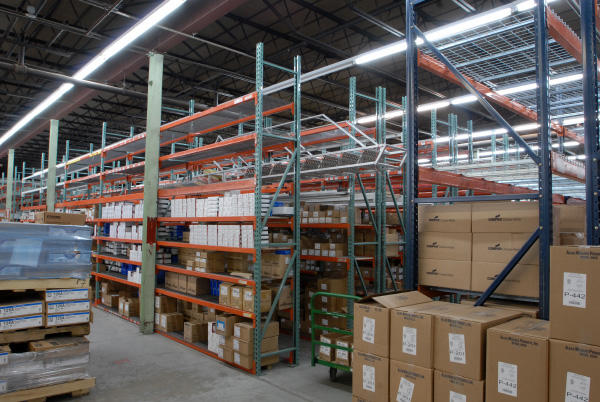
Distributor margins are generally higher than sales agents’ fees due to higher costs (such as inventory storage).
2) Marketing : branding is everything
Chinese distributors, resellers, and importers prefer to work with Balenciaga compare to a Cheap factories.
Companies considering leasing a distributor in China should note that while in other international markets a distributor will generally assume the role and responsibility of marketing; this is rarely the case in China.
Marketing should be discussed in detail with a potential distributor – confirm gem if the distributor will be marketing and what their role will be in marketing the product. He is often advised to hire a specialized marketing company.
In China, Branding is everything when it is linked to distrubution.

3) Distributors are not your investors
They will never invest in a Brand at the beginning. They want of course to sell, but they will ask the brand to pay for importation fees, Promotion fees asked for Supermarkets or Shops or incentive to Purchasers.
4) Steps to follow also
Assistants in the country can be hired to direct companies to the right distributors.
By meeting the distributor in its market and observing its knowledge and presence in the market, companies can establish a close working relationship, a high degree of trust and regular communication.
Finally, to ensure financial stability, the company can use a professional credit verification agency.

sourc Asialink
II) A few questions to ask about distributors
- Do you have good networks and contacts?
- Do you have relationships with the right people?
- Do you have good experience in this sector?
- Do you have a good knowledge of this market?
- What margin do you take?
III) Cons to consider
Many Chinese distributors work for trading companies that are licensed to trade in a wide range of products.
However, large distributors sometimes manage so many products that the company’s product may not get enough attention.
China’s size and regional diversity may also require companies to hire multiple distributors to cover different sectors.
Avoid signing exclusively with a distributor, keep in mind that a Chinese distributor is not a business angel, as in France for example, a Chinese distributor sees an opportunity,
If it goes wrong with you, you are stuck for years, many companies regret it today
IV) Also namely
Potential distributors will also seek to evaluate the company as a business partner. It is therefore important to ensure that its website is informative and attractive – not overloaded with information, but well organized with interesting graphics.
It is necessary to ensure that his contact information is easy to find and use, direct with a photo of the staff member and have his website also accessible in Mandarin.
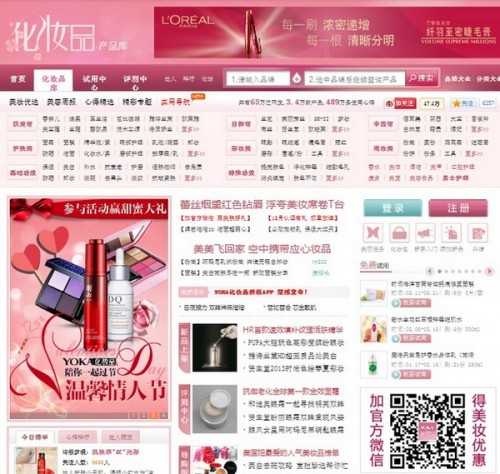
Finally, the company’s website must be appropriate for Chinese society.
In short, you should not rely on links to sites such as Facebook, Twitter, or Youtube because they are not accessible in China. Also, some websites and email accounts are not allowed.
Conclusion:
It is therefore strategic for companies to use the services of several distributors to sell their products in China. Even so, you have to know how to learn about the best distributors,
Do not sign exclusively, collaborate with several distributors,
We are digital marketers in China. Thanks to our experience, we have acquired a deep knowledge of the Chinese market.
If you have any questions or would like more information, please contact us.
A project in mind? Don’t hesitate to get close to one of our experts.