From Baijiu to Gin: China’s Evolving Liquor Landscap
You will find in thie article everything about Gin in China: figures, analysis, case studies, tips to sell, marketing strategies….
Cost-Effective Agency
KPI and Results focused. We are the most visible Marketing Agency for China. Not because of huge spending but because of our SMART Strategies. Let us help you with: E-Commerce, Search Engine Optimization, Advertising, Weibo, WeChat, WeChat Store & PR.
The Gin Market Overview
The Juniper Rise: China’s Spirited Ascent in the Global Gin Market
The global gin market is a vibrant tapestry of traditions, brands, and tastes, each with a story to tell. Since 2018, one particular narrative has surged to the forefront: China’s growing fascination with gin. Although baijiu and whiskey have long been the spirits du jour for the majority of Chinese drinkers, gin is slowly but steadily making its mark, especially among younger generations.

1. Rise of the Gin-drinking Millennial and Gen Z:
There’s a significant generational shift in the Chinese drinking culture. For millennials and Gen Z, the choice of spirit is less about tradition and more about exploration, occasion, and flavor profile. Gin, with its versatile character, fits snugly into this new alcohol landscape.

2. The Changing Face of Chinese Bars:
Bars are not just places to drink anymore; they’re places to learn, explore, and socialize. Brands and enthusiasts are focusing on creating more experiential spaces, especially in urban centers like Shanghai. They’ve had to navigate the complexities of the Chinese market, from alcohol licenses to finding local investors, but their efforts are paying off as gin bars establish strong brand identities that appeal to a young, urban clientele. read more
3. Tapping into Local culture:
One major factor driving the success of gin in China is the adoption of local flavors. Distilleries are wisely tapping into local botanicals to produce gins that resonate with the native palate, marrying tradition with innovation. It’s a testament to the adaptability and transformative nature of gin.

4. Storytelling through Branding:
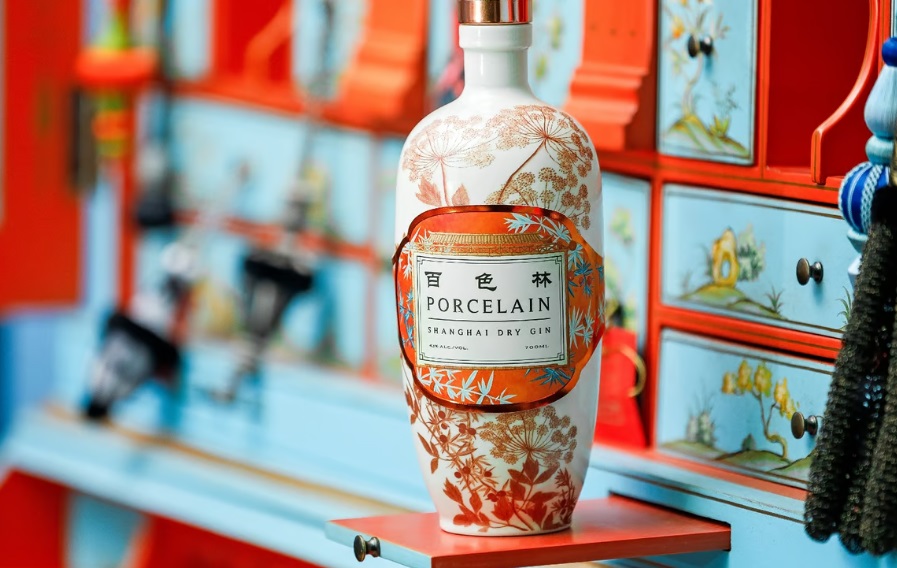
In the modern era, branding is as much about storytelling as it is about product quality. Chinese gin brands have embraced this notion with gusto. Brands like Peddlers Gin and Porcelain Shanghai Dry Gin don’t just sell spirits – they sell a narrative, often intertwined with Chinese history, craftsmanship, and tradition.
in China, Branding is EVERYTHING
5. The Role of Recognition and Awards:
Local brands are making waves on the international stage too. Their distinctive flavors and profiles are gaining accolades, which is not just a nod to their quality but also boosts their market positioning, helping to elevate gin from a ‘mid to low-end product’ to a more premium and sought-after beverage.

source creativeboom
6. Invest on Marketing :
The gin scene in China is vibrant, thanks to the collaborations and partnerships among brands, bars, and other stakeholders. Brands have made significant efforts in outreach, community events, and even partnering with design studios to create unique packaging – all aiming to elevate the consumer experience.
Social Media in China are “life” of Chinese.
In Conclusion: China’s journey with gin is an intriguing blend of tradition and innovation. With the nation’s alcohol market evolving rapidly, gin seems poised for a spirited future. While it may not replace the iconic baijiu or whiskey, gin is carving its niche, and for brands and marketers, the potential is vast and exciting.
Watch this space, because as China sips on its gin cocktails, the world is sure to take notice.
🍸 Cheers to the future of gin in the Middle Kingdom!
If you want to market your Gin Brand in China, contact us.
We have distrbutors network, Marketing strategies, and a kickass Team for that.
Read more