China: the End of the El Dorado for Foreign Wineries?

For years the pitch was simple: China would become the worlds biggest wine market, so ship your bottles and wait. By 2026 that dream is gone. China wine imports fell 14.6% in value and 26.7% in volume in 2025. The market is now about one third the size it was five years ago. This is not a small dip. It is a reset. The El Dorado is over, but that does not mean the door is shut. It means the brands that win now are the ones that adapt to a smaller, pickier, more premium market.

Cost-Effective Agency

KPI and Results focused. We are the most visible Marketing Agency for China. Not because of huge spending but because of our SMART Strategies. Let us help you with: E-Commerce, Search Engine Optimization, Advertising, Weibo, WeChat, WeChat Store & PR.

Old forecasts that the market would almost double by 2026 did not happen. The real numbers went the other way.

Global data firm predict a +11.5%, growth YtY with the rebound of the Chinese economy (and social activities) . Famous brands are taking over the market and “internet” consumption is taking over the traditional sales.


The drop in local consumption is disappointing worldwide Wine producers. But wine remains a luxury product and the most prestigious appellations are doing well

All Brands have a good business in China, consumers prefer to buy Brands they know when matter to wine.
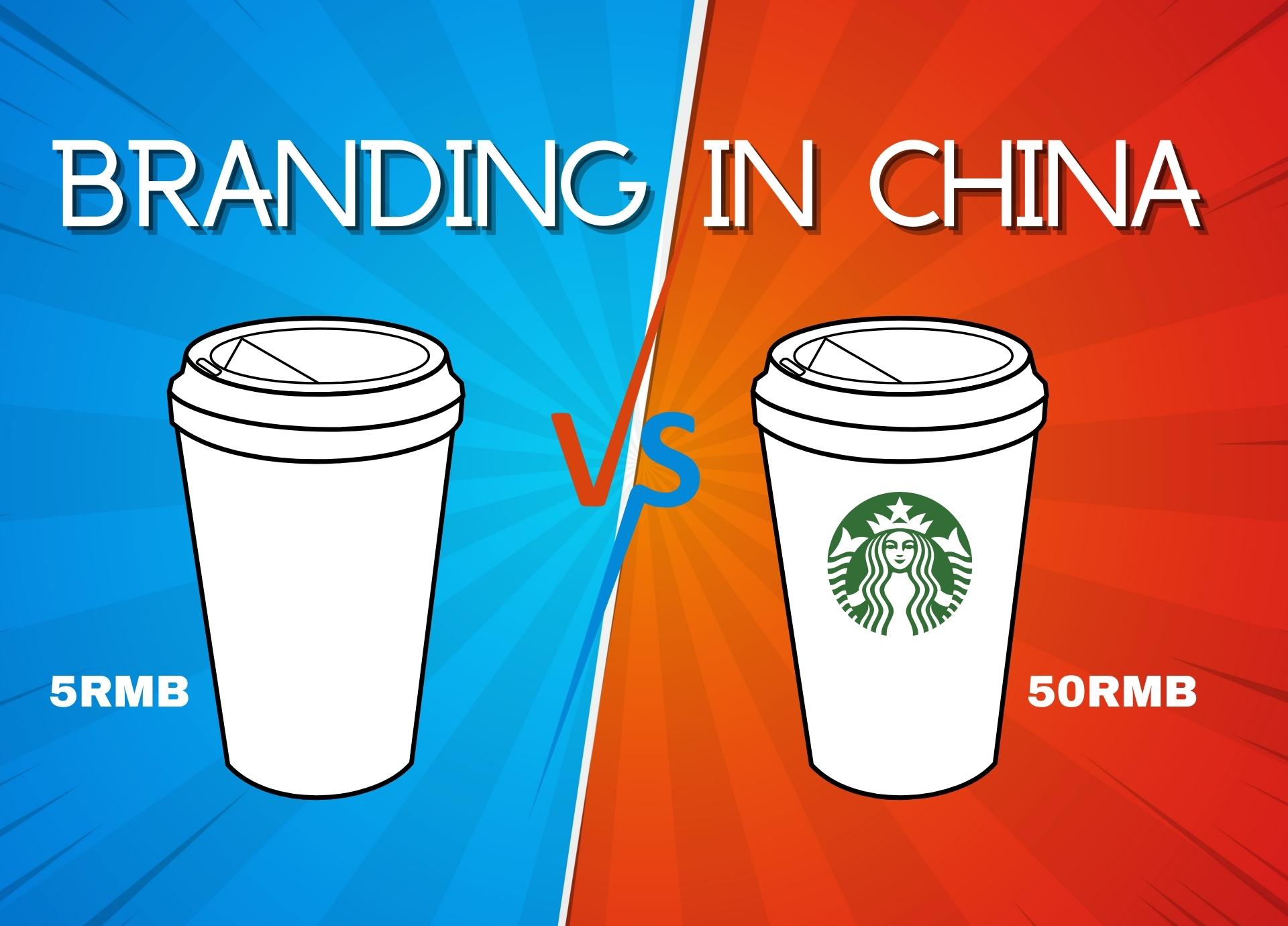
Branding in China


The period is complicated for small unknow producer on the Chinese market.

A number of wine merchants, from France and other countries, became disillusioned. Consumption has changed and wine firms has to adapt.

After fifteen years of growth, wine imports into China have fallen from 750 million liters in 2017 to 400 million today. Production in the country also almost halved during the same period, from 1.1 billion to 600 million.

We are there because wine consumption in China is falling sharply, going from 1.9 billion liters to 1 billion in five years. The year 2022 did not allow the trend to be reversed.

The Chinese young generation (China’s millennials and Gen Z) has a “considerable purchasing power” . They are the future of the wine industry explains Oliver Verot of SEO Agency China (SAC).

According to wine merchand, young Chinese are reshaping China’s multi-billion wine market, as they become the main consummers explains seoagencyChina. Young drinkers are reshaping demand, but they are buying less wine overall and more cocktails, spirits and low-alcohol drinks

What want Chinese young generation ?

  • Cool Brand, with nice packaging
  • Famous brands
  • Story of the wine on social media and video side
  • E-Commerce distribution

Wine in China in 2026: the real numbers

Let us be honest about where the market sits. In 2025 China wine imports dropped 14.6% in value and 26.7% in volume. Wines share of Chinas alcohol market fell from 4% in 2017 to 1.3% in 2023, and it has not recovered. A ban on alcohol at official events cut deep into high-end gifting sales, which used to carry a lot of premium French bottles.

So who is still doing well? Premium players. The average price per litre rose 16.5% to about 6 euros, because the people still buying wine are trading up, not down. Australia came back as the top supplier after tariffs were lifted in March 2024. France sits second by value. Sparkling wine is the one bright spot, helped by younger urban drinkers who like it for casual, social occasions rather than formal dinners.

The takeaway for a foreign winery is plain. Volume is shrinking, so chasing cheap bulk sales is a losing game. Build a clear brand story, price for the premium buyer, and sell where young Chinese actually shop, which is online. A Tmall flagship store is still the most trusted way to reach Chinese buyers at scale, and it carries the credibility a foreign label needs. If you are weighing that channel, our guide on what Tmall means for brands walks through how it works and what it costs, with smaller budgets in mind.

Wine in China: the longer view

Prowine the trade fair for Wine will attend in 2023, hope most wine traditional producer.

In 2018, Vinexpo, which has since become Vinexposium, predicted that “over the next five years, China will become the second largest wine market by value

. The country, which occupied fifth position in 2019, has, on the contrary, fallen to seventh place.

Read more

Now I have enough real data to write the article. Let me compose the full Gutenberg HTML block.

The 2026 market reality: what the data shows

The numbers leave little room for optimism. China’s total wine imports fell by 14.6% in value and 26.7% in volume in 2025, reaching €1.25 billion and 207.2 million liters, according to Winesinfo. To put that in context, China’s import volume eight years ago was 751 million liters. Today it stands at barely a quarter of that peak. The market is not in a temporary dip. It is in a structural contraction that has been running since 2017. Wine’s share of China’s total alcohol consumption collapsed from 4% in 2017 to just 1.3% in 2023, per data cited by VVR International. That is not a market temporarily pausing. That is a market redefining its place in Chinese drinking culture.

Why Chinese consumers moved away from imported wine

Wine never fully won the Chinese consumer. It arrived with a premium image, a health narrative, and strong gifting demand. All three pillars have since weakened.

The gifting cycle collapsed first. After the 2012-2013 anti-corruption campaign, conspicuous gifting of imported bottles became a liability rather than a signal of status. Bordeaux futures bought by Chinese merchants sat in warehouses. Entire importing businesses closed. The market never recovered to its pre-2013 trajectory.

Then came the demographic reality. China’s core wine-drinking age group, consumers between 30 and 49, is aging. Younger cohorts, those in their 20s, are not replacing them at scale. Gen Z and younger millennials drink less alcohol overall. When they do drink, they reach for craft beer, RTD cocktails, low-alcohol options, or premium baijiu at accessible price points. Wine feels European, formal, and high-effort. That perception is a problem foreign wineries cannot solve through discounting alone.

Health consciousness is a real trend, but it cuts both ways. Low-alcohol and alcohol-free wine is growing in appeal, particularly among younger female consumers. However, most foreign wineries entered China with full-strength red wines positioned for banquets and business dinners. That positioning no longer matches where actual consumer demand is moving.

Competition within the alcohol category is fierce. Baijiu dominates at volume. Craft beer has carved out a loyal base in tier-1 cities. Premium whisky, gin, and sake are stealing wallet share from wine in restaurant and bar settings. The channel that once pushed wine, KTV chains and Cantonese banquet restaurants, has itself contracted.

Consumer sophistication has also increased. The buyers who remain in the wine market know what they want. They are less impressed by a prestigious appellation name and more focused on taste profile, occasion fit, and value at a specific price point. This is not a bad thing for quality producers. But it eliminates the easy wins that came from brand ignorance in the early boom years.

The shift in preferred varietals is telling. Demand for dry red wine, the category that built China’s import market, is declining. Sparkling wine volumes actually rose 6.1% in 2025 even as values fell slightly. White wine and rosé are taking share from red. Foreign wineries that entered China with a single SKU of red Bordeaux-style wine now face an audience that has moved on.

Australia’s return and what it reveals about the market

The story of Australian wine in China is the clearest case study of how the market actually works now.

In March 2021, Beijing imposed anti-dumping tariffs of between 116.2% and 218.4% on Australian bottled wine. The effect was immediate and total. Australian exports to China, which had been worth over $1 billion annually, dropped to almost nothing. France, Chile, and Italy picked up the displaced volume. By 2023, Australian exports to mainland China were a rounding error.

In March 2024, China removed those tariffs. The rebound was fast. Within twelve months, Australian wine exports to China had recovered to over $1 billion in value. Australia now holds 41% of China’s wine import market by value, with €515.6 million in 2025 exports, per Winesinfo. That looks like a success story.

But the recovery reveals something uncomfortable. Australian wine came back into a market that had shrunk. The total pie is smaller. Australia gained share while the overall volume of imports continued falling. French wine exports to China dropped 18.8% in 2025. Chilean wine fell 30.4%. Italy was down 15.5%. The suppliers who lost ground to Australia during the tariff period did not recover when Australia came back. They simply lost.

The geographic concentration of the market has also tightened. Nearly 60% of all imported wine entering China flows through just two regions: Shanghai and Guangdong, according to Vino Joy. The dream of cracking tier-2 and tier-3 cities at scale has not materialized for most foreign wine brands. The market is more concentrated, not more distributed.

What the Australian case actually demonstrates is that political access matters more than brand equity in China. When the political door closed, no amount of brand loyalty kept Australian wine in Chinese glasses. When it opened again, the wine came back fast, because price and quality were competitive. The lesson for any foreign winery is clear: your position in China can be erased overnight by decisions made in Beijing, not in your cellar.

What changed between 2024 and 2026

Several concrete shifts define the 2024-2026 period.

Pricing polarized further. Average import price per liter rose 16.5% to €6.07 in 2025. The middle of the market, bottles priced between 80 and 200 RMB, is hollowing out. Consumers either trade down to domestic or budget imports, or they spend on genuinely premium products. Mid-tier foreign wine brands face the worst of both pressures.

Bulk wine imports collapsed. Volume dropped 39.6% in 2025. The Chinese practice of importing bulk wine for local bottling has contracted sharply. This removes a low-margin but volume-significant channel that many mid-sized producers relied on.

Digital commerce has become the primary discovery channel for wine. Douyin live-streaming, Xiaohongshu (RED) content, and WeChat mini-programs now drive more wine sales than traditional import agents and restaurant lists combined in many categories. Foreign brands without a Chinese digital presence are invisible to the consumers who are still buying.

Domestic Chinese wine production, particularly from Ningxia and Xinjiang, has improved in quality and gained credibility. Brands like Helan Qingxue and Silver Heights now compete at price points that previously belonged only to imported bottles. Chinese consumers increasingly see domestic wine as a credible alternative, not a compromise.

The distribution landscape shifted from fragmented agents to consolidated digital-first platforms. Many of the small regional wine importers who filled the market in the 2010s have closed. Surviving players are larger, more tech-enabled, and more selective about which foreign producers they list.

Frequently asked questions

Is it still worth trying to sell wine in China in 2026?

It depends entirely on your product and your budget. The mass-market wine opportunity in China is effectively closed for new entrants. Volume is down, competition is intense from Australia and domestic producers, and distribution costs are high. However, there is a real and growing segment of sophisticated consumers who buy premium wine through digital channels. If your wine retails above 300 RMB per bottle and you have the budget to invest in Douyin and Xiaohongshu content, China remains a viable market. If you are looking for easy volume at accessible price points, you will lose money. The market rewards focus, patience, and genuine brand investment. It punishes opportunistic entry.

Which wine-producing countries are performing best in China right now?

Australia dominates after the tariff removal, holding 41% of import value in 2025 with €515.6 million in exports. France remains number two at €370.1 million but dropped 18.8% year on year. Chile fell sharply at minus 30.4%, partly because it benefited from Australian absence during the tariff years and is now losing that temporary advantage back. Italy is down 15.5%. New Zealand is the outlier, growing 25% to €39.1 million, likely because it occupies a specific premium niche with Sauvignon Blanc that faces less direct competition. Country of origin still matters to Chinese wine buyers, but it matters less than price, occasion fit, and digital presence than it did a decade ago.

What platforms should a foreign winery use to sell wine in China?

Tmall and JD.com remain the primary e-commerce platforms for wine sales. Tmall Global is the most common entry point for foreign brands that want to sell without a Chinese entity. However, discovery happens increasingly on Douyin and Xiaohongshu. Douyin live-streaming sells wine directly through impulse purchases during broadcasts. Xiaohongshu builds the brand equity and aspirational context that converts browsers into buyers. WeChat mini-programs serve existing customer bases with reorder convenience. A realistic approach prioritizes one platform first, usually Tmall or Douyin, rather than spreading thin across all of them simultaneously. Without Chinese-language content and local KOL partnerships, presence on these platforms produces no results.

How has the Chinese consumer’s attitude toward wine changed?

The banquet-and-gifting consumer has shrunk dramatically. Business entertainment budgets shifted to baijiu, which carries clearer status signals in formal Chinese contexts. The consumer who replaced them is younger, more educated about wine, more likely to drink at home or in wine bars, and less brand-loyal to specific appellations. This consumer cares about taste profile, occasion fit, and the story behind the bottle. They discover products through social media, not through relationships with import agents. They are more interested in white wine, sparkling, and low-alcohol options than the red-wine-only buyers of the 2010s. This is not a worse consumer. It is a different one. Foreign wineries that updated their China positioning to match this buyer are doing better than those still targeting the old gifting economy.

How to move forward

The brands succeeding in China’s wine market in 2026 share a few common traits. They operate digitally first. They work with local partners who understand platform mechanics. They do not try to replicate their domestic marketing in Chinese translation.

Practically, start with a clear answer to two questions. Who is your Chinese buyer, and where do they discover products? If you cannot answer both, you are not ready to invest in the market.

From there, the path forward typically involves: listing on Tmall or JD.com with Chinese-language product pages built for local search behavior; running Douyin content with KOLs who cover food, lifestyle, or travel; building brand visibility on Xiaohongshu through review-style posts that match how Chinese buyers research wine purchases; and working with a reliable local distributor who has active relationships with the consolidated import networks that now control most of the market.

None of this is fast or cheap. The brands that pulled back from China in 2018-2022 and are now re-entering face a longer rebuild than they expect. But the opportunity is real for products that fit where the market actually is, not where it was.

If you want an honest assessment of whether your wine brand can compete in China today, contact the team here.

Marcus Zhan is a China marketing specialist based in Shanghai. He covers digital marketing, consumer trends, and brand strategy for the Chinese market. Connect with him on LinkedIn for more on China wine and spirits marketing.

Sources: Winesinfo, China Wine Import Data 2025 | VVR International, Chinese Wine Market 2026 | Vino Joy, China Wine Import Geography 2025 | China Wine Competition, Trends and Opportunities 2025 | Wine Intelligence, Australian Wine Exports 2024

Similar Posts

Leave a Reply

Your email address will not be published. Required fields are marked *

Let's Discuss Your Project?

We are a ROI Agency, oriented results

Contact us