
Pinduoduo, the most innovative Chinese eCommerce group of 2021?

The unicorn Pinduoduo (PDD) is the biggest e-commerce company in China after Alibaba and also the fastest-growing e-commerce group at present.
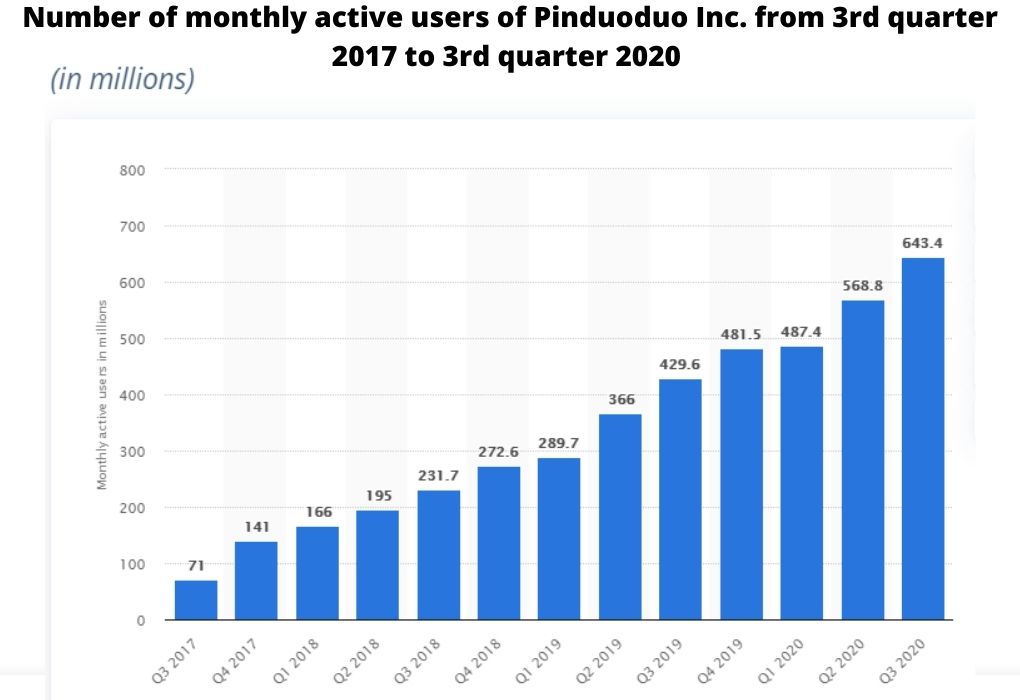
Pinduoduo arrived in China only in 2015, becoming popular in a few years. How is it possible?
Cost-Effective Agency
KPI and Results focused. We are the most visible Marketing Agency for China. Not because of huge spending but because of our SMART Strategies. Let us help you with: E-Commerce, Search Engine Optimization, Advertising, Weibo, WeChat, WeChat Store & PR.
In this article we’ll explain:
- how PDD has become the current fastest-growing e-commerce platform;
- why it is convenient for unknown cross-border companies to work with PDD and how they can join it;
- how Sany Group is taking advantage of its collaboration with PDD.
Innovation is the key of Pinduoduo’s growth
The innovation of the Pinduoduo platform consists of continued investment in the key drivers of its consumers purchasing decisions, which are convenience and gamification.
In fact, PDD has created a unique way to engage Chinese customers: transforming the online purchasing process into a sort of game, where they can get products at low prices in exchange for Brand awareness.

Affiliate marketing is part of the gamification strategy of Pinduoduo
Social e-commerce and affiliate marketing, both terms indicates how Pingduoduo has become so popular in these years.
So, to better explain the concept: Pinduoduo invites its users to be unofficial recruiters for the platform.
Let’s see how:
- a user can choose to buy products at the official price or participate in a group to obtain goods at the discounted price.
- Obviously, they usually choose the second option.
- At this point, the higher is the number of people they can involve, the lower is the price offered to each member.
- If the group is very large, the price impressively falls.
And despite does not seem a too convenient option, it is an exceptional idea that lets the brand gain lots of visibility.
Pinduoduo knows how to creates engagement
- Free products. Customers can receive free products when getting to someone follows the official account, installs the App, or registers via WeChat.
- Short term discount coupons. Chinese are used to coupons. By the way, Pinduoduo implemented a very short duration (2 hours) coupon, a type that was almost inexistent in China e-commerce beforehand. This type of coupon unable an impulsive buying behaviour. We are still surprised that it worked so well, chinese consumers are usually level headed. The key of success? Prices that can’t be beaten and products already known from the buyers.
- Hongbao ranking. Anyone can see the users that have been most awarded the “hongbao” in a public ranking.
- Lottery. It’s sufficient to pay a registration fee of 0.01 RMB to participate. So to expand: anyone that is participating should invite someone else. Then, if members are enough within the time limit, the winner is sorted. Otherwise, the lottery is canceled, and the registration fee together with a coupon is returned to all.

PDD: the perfect e-commerce platform for new entrants and factories
Pinduoduo’s channel gives not very well-known merchants more options than Alibaba and JD.com since the main force of the platform is to do branding at better commercial terms.
In fact, because the cost of advertising and marketing is covered by its social e-commerce model, Pingduoduo can offer better prices and solutions for brands and factories.
So, if you are a yet-to-be-famous company that wants to enter China, our advice is to consider joining PDD.
An important decision before joining Pinduoduo: how to ship your products to China?
First of all, you need to decide how will distribute your products. Well, the decision is between two main models:
- The Cross Border system: goods are imported by sellers from foreign countries. And, you can choose the bond-warehouse, lowering your investment at the beginning.
- Developing your company in China: in order to develop a Wholly Owned Foreign Enterprise (W.O.F.E), you can establish a new factory in China or open a commercial office. This allows you to fully control your operation in China.
Finally, consider that if you choose the second option, you will get a license and all required certifications that allow you to sell products on every Chinese online platform.
However, if you need to test the marketplace, the first option is the better one.
How to join Pinduoduo as a foreign company?
You need to make your online registration and follow these steps:
- Login (https://en.pinduoduo.com/)
- Registration
- Select the type of store
- Fill in the qualification information and the store information
- Wait for the review
Also, you need to pay a deposit entrance fee, the amount of which is based on your industry category (from 10,000RMB to 50,000RMB). It is usually used to pay back unsatisfied clients.
Before joining any e-commerce platform in China, work on BRANDING
Join a popular e-commerce platform is not enough to gain visibility, even if this is Pingduoduo.
If you want your brand to be popular in China, you need to create your Chinese online reputation.
So, in order to be a popular brand, you must:
- Make up your Chinese website
- Do SEO
- Write on Q&A FORUMS
- Be present on SOCIAL MEDIA
1. Create your Chinese website
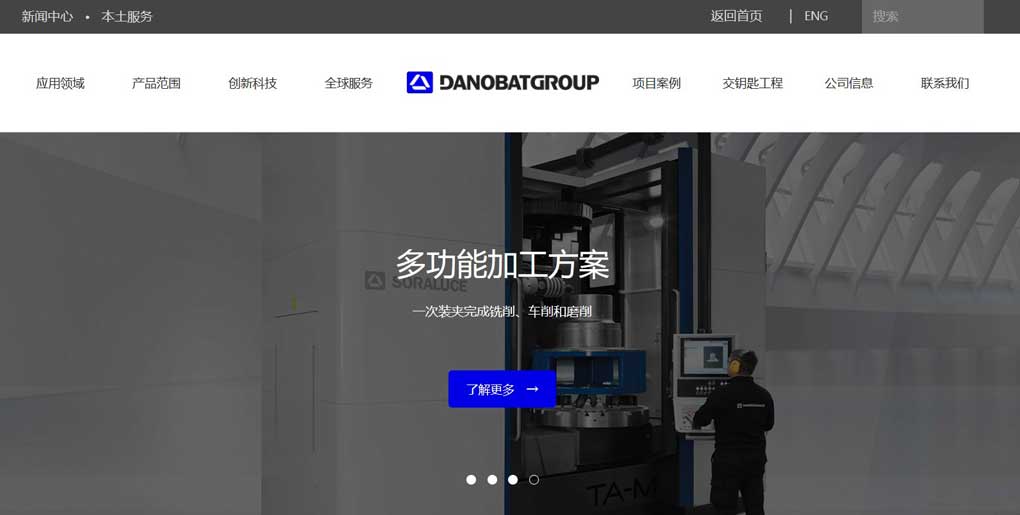
The website should have a Chinese domain name, be written in the Chinese language. Also, the design should meet Chinese standards.
In this way, you are more visible on Chinese search engines, and when a potential customer lands on your website, you have a better chance of making him stay there.
2. Baidu SEO

Search engine optimization is the second operation to do when you enter the Chinese market since allows you to get great visibility.
So, it is possible to do SEO through lots of search engines, for example, Sogou, Qihoo360, Haosou, Shenma, …
By the way, Baidu is the largest one now. Paying for native ads on Baidu can help your company be visible and does not take much time, so it is highly recommended at the beginning. On the contrary, work on organic search is very useful but is recommended for a long-term strategy since results can be seen after a long time. Read here to further SEO on Baidu.
3. Write on Chinese Q&A FORUMS
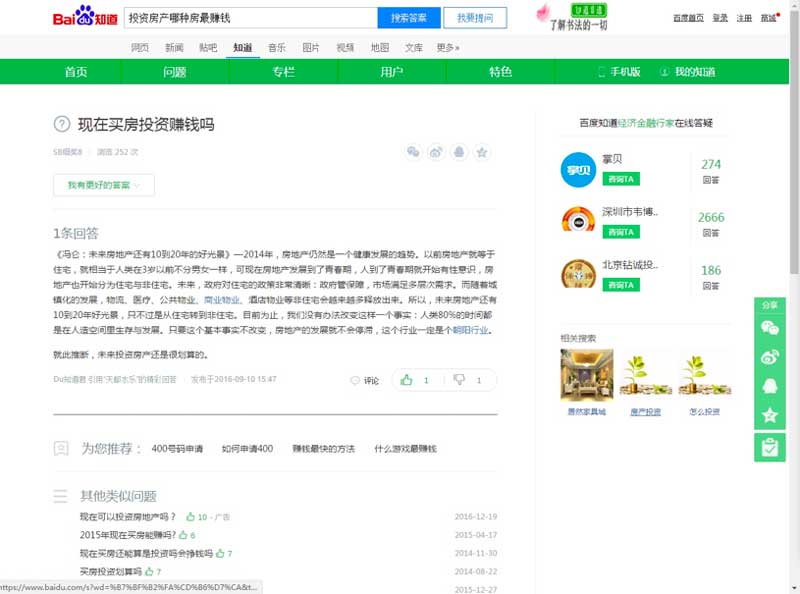
Since Chinese internet users love to share information or read reviews about products on forums, you should open a discussion about your product on it.
Not only because they are used to searching for information on it, but also because forums content is often visible on search engines’ first results.
Among the most used forums, there are Baidu Tieba, Zhidao, and Zhihu.
4. Be present on Chinese SOCIAL MEDIA
To reach brand awareness is essential to be present on social media. You should consider creating an account with at least one of them. Although the most used social media platform is WeChat, opening an official WeChat account is not your best option if your objective is to gain visibility.
This is because it is a close network where you need too much time in managing groups to have sufficient results. Also, buying ads on WeChat give you a low ROI unless your brand is very popular.
Then, you should consider an open platform like Weibo, which together with the collaboration with a KOL and, even better, with the realization of an event can give you great results in a shorter period.
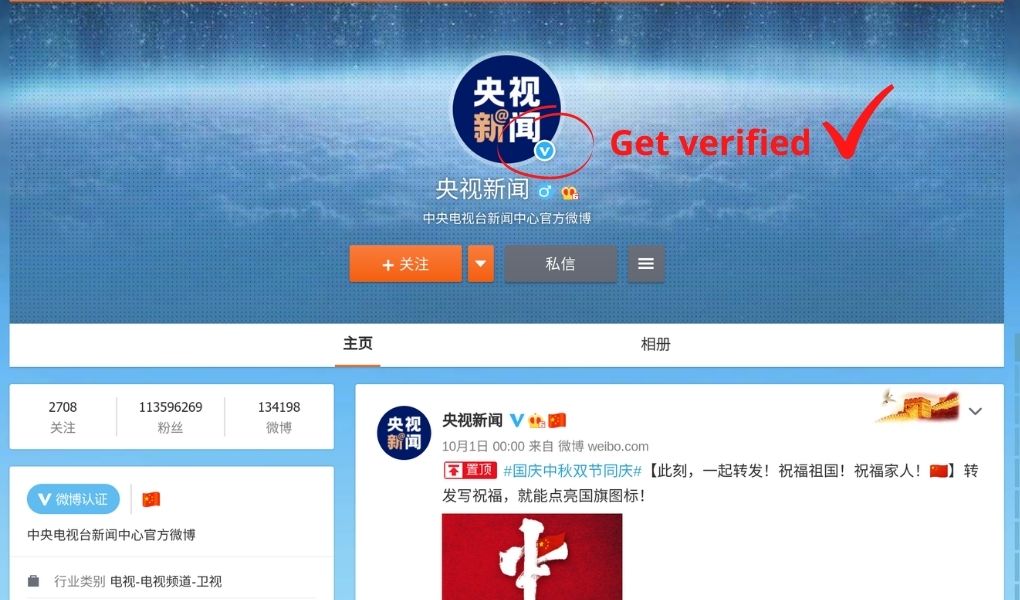
Not only the openness or closeness of social media will influence the success of your strategy, but also, you to choose it according to the type of product you are going to sell in China.
If you have a cosmetics brand, for example, the right option could be an account on Xiaohongshu, and thanks to a collaboration with KOCs, as well as the creation of avatars that write “shopping notes”, you can perfectly manage your online reputation.
PDD purchasing process through WeChat?
PDD is more than a digital e-commerce platform, it is a social one. We mentioned before that the success of the company is mainly due to the interaction among its users. Well, this interaction happens most of the time on social networks.
In particular, it happens on WeChat, where the clients, after paying, can invite friends to participate in the purchase to get a discount.
Why the interaction is usually done on WeChat?
The main reason is that the target of PDD is adults, so a group of people is not used to online shopping.
PDD takes advantage of Tencent’s social network to enable payments. In this way, payments are automatically charged on the WeChat wallet. And the target is satisfied since one can proceed with the purchase without any difficulties.
SANY GROUP: a company that has doubled its sales with Pinduoduo
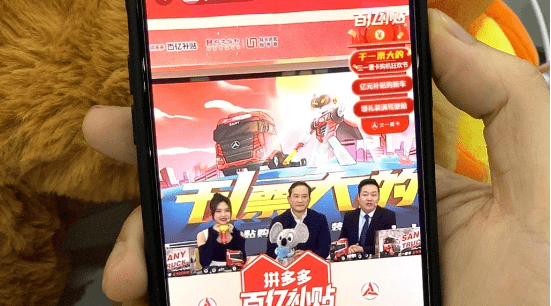
Sany Group, China’s engineering machinery maker, sells more than double in 2020 thanks to the help from PDD. The company recently opened a flagship in the shopping platform and immediately has increased its visibility and revenue.
In 2019, Sany Group sold more than 10,000 heavy trucks, the fastest-growing heavy truck brand has ever reached!
The consequence is that the group has decided to release other 7 new models in collaboration with PDD
Sany Group shares the same mission as Pinduoduo
Both actors have the same mission: “provide the greatest value-for-money”.
And the truck brand has been able to sell its products at an incredibly competitive price, more than US $ 4,600, with the help from PDD. In fact, the company could lower the price because by selling in the platform it can remove layers of intermediaries.
If you think Pingduoduo can be the key to access the Chinese market also for you, don’t hesitate to contact us.

Our team is dedicated to helping companies grow in the Chinese market by implementing the most effective digital strategy.




Good article thanks, as a frequent user of Pinduoduo, I heard that it was quite popular in tier cities of China. Don’t hesitate to produce more content related to Pinduoduo! 🙂