Optimize Baidu Ads for Better Results (Full List)
When it comes to online advertising, Baidu is a force to be reckoned with. The Chinese search engine commands a massive market share, making it a key target for companies looking to expand into China. But succeeding with Baidu paid ads can be tricky – knowing how to navigate the complex and ever-changing landscape is essential for getting the most out of your campaigns. In this article, we’ll give you some tips on how to get more results from your Baidu paid ads. Keep reading!
How to Get more results with your Baidu Ads?
There are a few things you can do to improve your results with Baidu Ads. First, make sure you’re targeting the right audience. Use keyword research to determine what people are searching for, and use those keywords in your ad campaign.
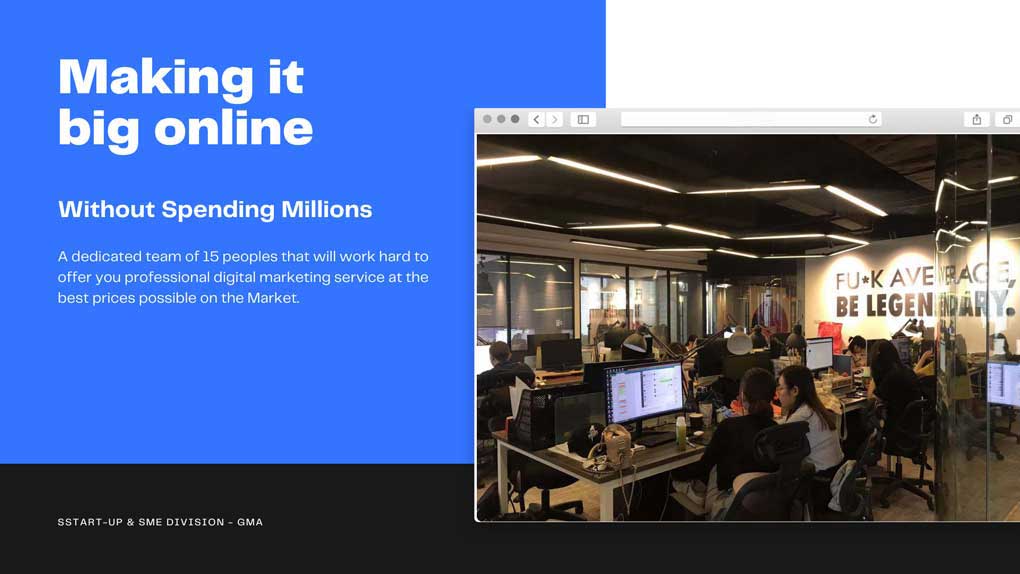
Cost-Effective Agency
KPI and Results focused. We are the most visible Marketing Agency for China. Not because of huge spending but because of our SMART Strategies. Let us help you with: E-Commerce, Search Engine Optimization, Advertising, Weibo, WeChat, WeChat Store & PR.
Also, make sure your ads are creative and eye-catching. Use strong visuals and catchy headlines to grab attention. And be sure to test different ad variations to see which ones produce the best results.
List of Solutions to Optimize your Baidu Ads Results.
- Website Speed test
- Landing Page optimization for conversion
- Click to Chat to engage visitors
- Choose and adapt your Keywords
- Avoid fake clicks
- Measure Results
- Think more about the long tail keywords
- Think retargeting
The main goal of a business is to get more leads and convert them into potential clients. But this is not so easy, because successful conversions start with an initial portal: a website visit, especially in China, you need to have a Chinese website.
We talk about PPC advertising or a social media post. Once you get a prospect with their general information, then you have the opportunity to understand more about a potential customer.
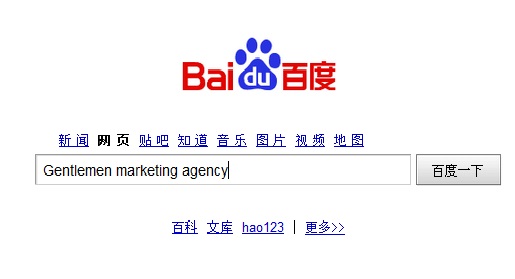
What is Baidu?
Baidu: https://www.baidu.com/
It’s not a secret for anyone, that Baidu is one of the leading Search engines in the world. In fact, Baidu is a Chinese web services company that was established in 2000. They offer a number of services including a search engine. Some people think that Baidu is equivalent to Google, but it is not.
Baidu has indexed over 800 million web pages and accounts for well over 80% of Chinese internet search queries with tens of billions of searches on its search engine every single month. Similar to Google, Baidu also offers music streaming services, maps, images, data storage, and, more important for your business growth: PPC(Pay-Per-Click) ads.
Why Choose Baidu?
With over 82% of the Chinese market share, You should wonder why wouldn’t you choose Baidu? Baidu has a lot of competitors in China and Asia, but none of them can are as popular as Baidu. close to matching their reach.
Baidu is used by over 90% of Chinese internet users which represents around 700 million users. This is a huge potential audience for your product. Some research has shown that Chinese consumers actually believe that any company able to pay to promote their products on Baidu must be reputable. With Baidu ads on over 600,000 Chinese web pages, the potential marketplace for new business is colossal.
Online advertising has by far the largest reach in China and many companies report great success from it when compared to returns from other forms of advertisement. The main asset of Baidu is that both, PC and Mobile users can access your ads which are growing year on year.
Read also
Trend very popular among B2B marketers, PPC is an effective way to generate leads in both China. However, to run an effective PPC campaign in China, B2B marketers need to have an understanding of cultural differences and the unique features of the Baidu PPC platform.
Today, I will introduce four exclusive lead generation tactics that B2-B marketers can use via Baidu PPC to drive more conversions from Chinese prospects.

To optimize your Baidu Results contact us
- We have experts
- We can help you
- and we have Cost effective solution