
Why Chinese importers want Georgian Wines ?
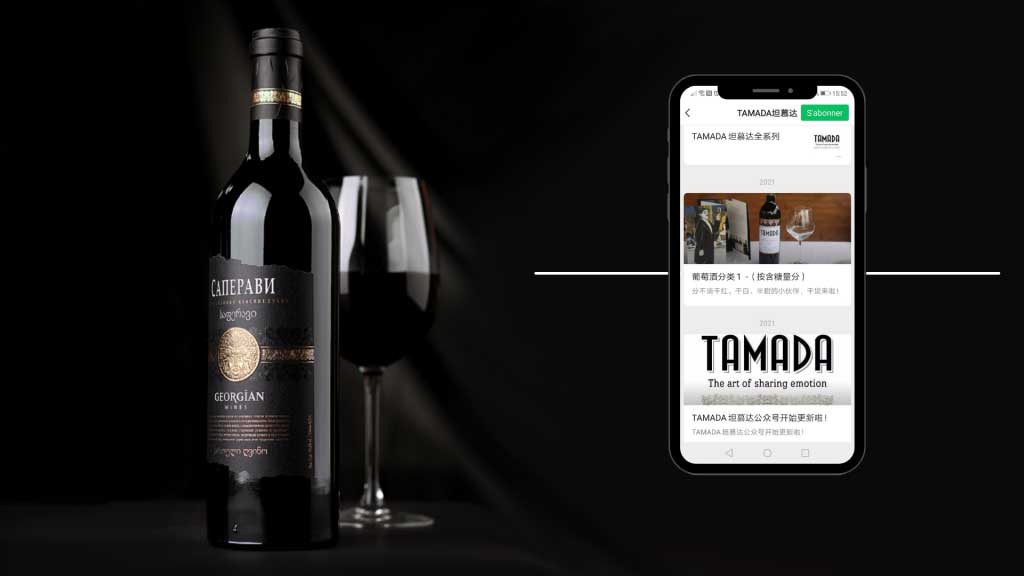
With 8000 vintages, Georgia can claim to be the world’s cradle of viticulture. Georgia (the Eurasian nation, rather than the US state) is one of the world’s oldest winemaking countries. The key wine grapes favored in Georgia are the red grape variety Saperavi and the white grape Rkatsiteli.
Opportunity for Georgian Wines in China
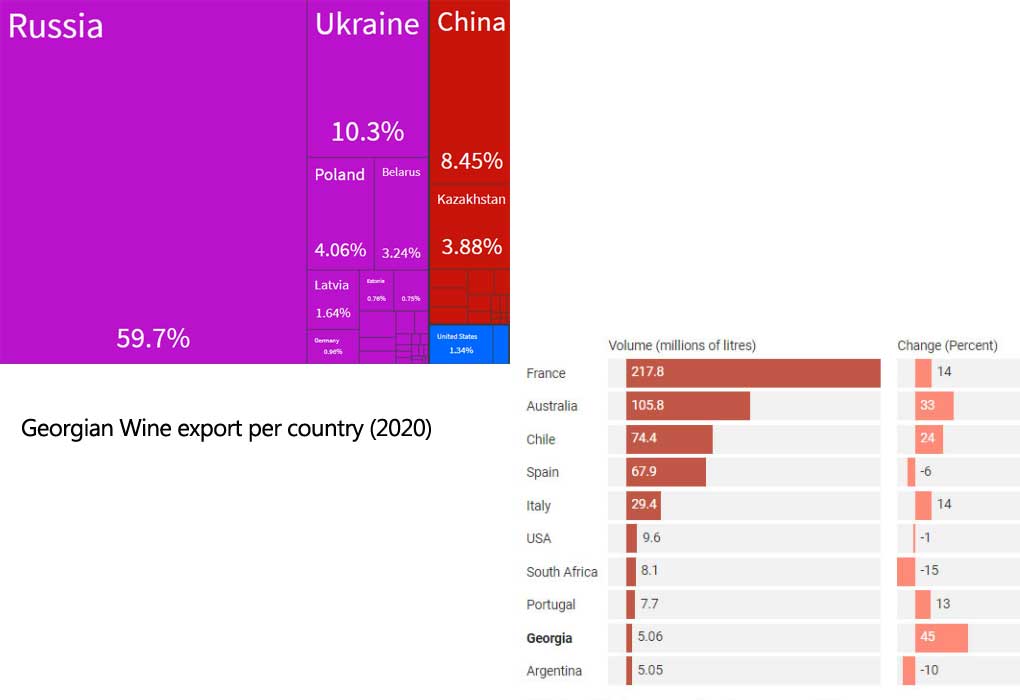
The top three countries and volumes of exports from Georgia exported wine in 2019 were :
- Poland : 4 114 972 bottles (17% increase)
- China : 7 089 259 bottles (2% increase)
- United States: 678 148 bottles (48% increase)
Georgia exported 94 million bottles of wine to 53 countries in 2019, which is a 9% increase compared to 2018, it also represents the highest export volume in the history of Georgia. Last year Georgia generated USD240 million from the sale of wine abroad, which is 17% more compared to 2018.
Cost-Effective Agency
KPI and Results focused. We are the most visible Marketing Agency for China. Not because of huge spending but because of our SMART Strategies. Let us help you with: E-Commerce, Search Engine Optimization, Advertising, Weibo, WeChat, WeChat Store & PR.
FTA signed: Georgia wine export to China gets a boost
Back in 2015 China and Georgia signed a Free Trade Agreement (FTA) regarding Georgian wine. Due to that Georgian wine exports to China are set to grow.
Once effective, this will allow Georgia to become another wine-producing country to be exporting its wines to China with zero tariff following, other countries already benefiting from this type of FTA are :
- Chile
- New Zealand
- Australia
Since 2016, according to figures released by the Georgian Wine Association, Georgian wine exports to China grew by 98% to achieve a result of 5.3 million bottles, which is the highest growth rate among all the countries importing wines from Georgia.
At this moment China is currently Georgia’s third-largest export market behind Russia and Ukraine, but it’s expected to surpass Ukraine soon with the FTA.
Chinese Consumer’s Wines preferences
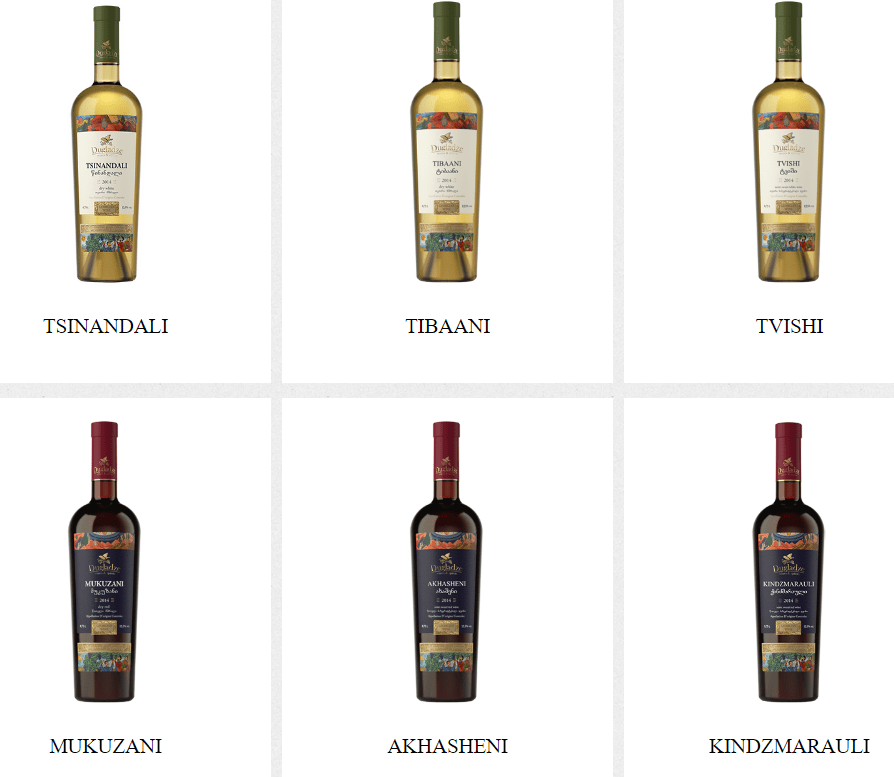
People tend to think that Chinese people prefer semi-sweet and sweet wines, when in fact Chinese people have a preference for red dry wine, which is why the demand for Saperavi wine is higher than other types of wine. Of course, Chinese customer’s preferences vary also depending on the region, indeed there are provinces where Kindzmarauli wine is preferred, in the western part of China the favorite is semi-sweet, in Southern and Central China, in big cities like Shanghai, Beijing, Guangzhou they tend to prefer dry red wine.
China sells Georgian wine online
People in China with a taste for Georgian wine can now buy their favorite tipple from a wide range of new Georgian wine houses but consumers will be able to go online to buy Georgian wine. A special platform called E-SilkRoad will soon launch online where traditional Georgian wine will be sold in order to be accessible to Chinese consumers.
The first Georgian wine company to sell its wine on the E-SilkRoad website will be Dugladze Wine Company, which will offer Chinese customers the possibility to buy a consequent amount of wine bottles online.
The idea to make Georgian wine available online was supported by the Silk Road Chamber of International Commerce, which is an international non-governmental organization that aimed to promote the renaissance of the Silk Road and enable business participation in the investment and trade opportunities it offers.
To Sell Georgian Wine in China: Build your e-reputation
There is no secret to success in China but there is a recipe! This recipe is working hard to get your name out there. The more internet speaks about your brand, the more chance you have to make it in the middle kingdoms. Want to do direct selling? eReputation. Do you think you don’t have to use digital marketing because you are looking for a distributor? Wrong. You need to work on your reputation to even have a chance to reach out to Chinese distributors.
There are two reasons you will have a hard time reaching Chinese distributors with no marketing:
- Emailing is not a thing in China. If by any chance your email does not end up in your recipient’s spam folder, it is unlikely he/she will ever see it: They don’t check their mailbox, if they do, they are flooded with dozens of emails just like yours.
- If you don’t work on your online visibility and your network through Chinese tools (aka WeChat), how could anyone find out about your products?
It may sound harsh, but if the market is lucrative, it is also very competitive.
Here are some steps you can follow to build a strong online presence in China:
- Create a website in Chinese to be relevant to Chinese search engines
- SEO in order to maximize your website’s rank on Baidu
- Organize Press Releases in order to create visibility for your brand and to allow consumers to be aware of your presence.
Other than gaining the needed visibility to get noticed by Chinese distributors it will give them the guarantee that you are legit producers, that you understand the market (And in a corner of their mind, assure him that he can sell you wines with ease – #1 deal closing argument!)
Wines & Social Media :
- WeChat: This platform is great to post regular content, it’s also business-friendly and easily allows companies to open an e-commerce store, keep in touch with their follower, and more importantly share interesting sales.
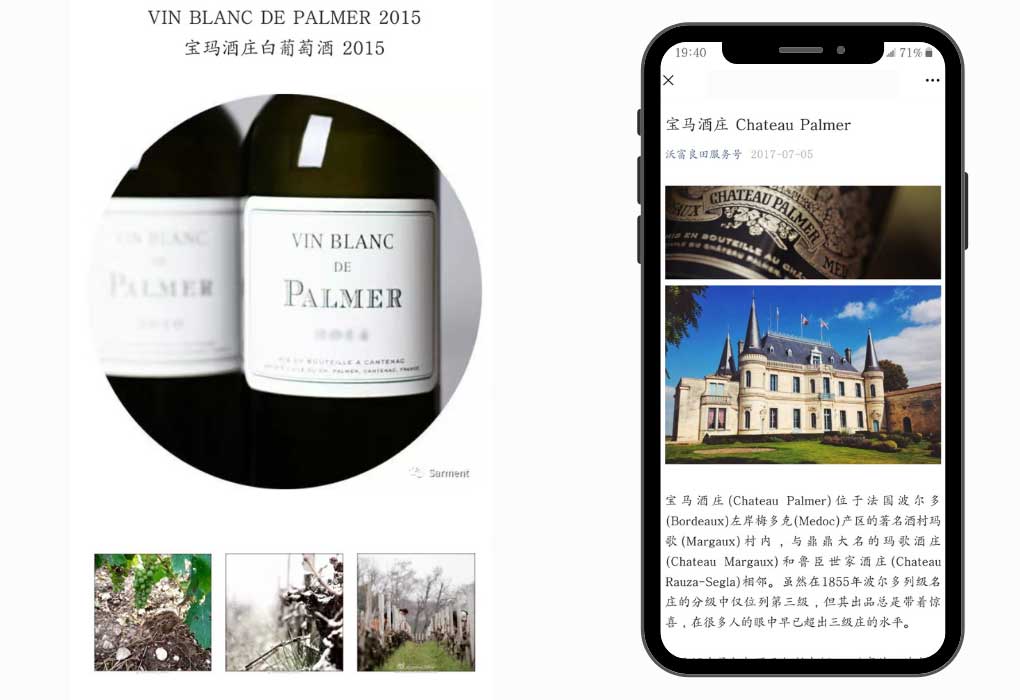
- Weibo: This is a great platform to build a following, become viral and increase commercial presence. The platform is widely used, often at the heart of the national debate and it appeals to everyone. Any company can use Weibo to promote its content. Wines producers included.
Contact us to start selling your Georgian wine in China