
Toys and Board Games in China: Distribution and Demand
Updated
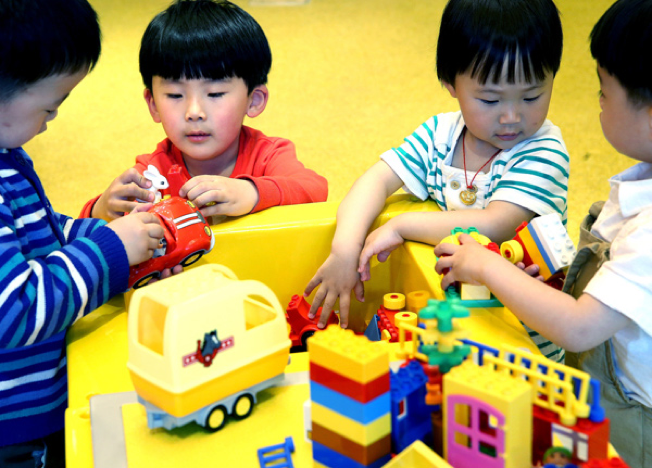
The Chinese toy and board game market is enormous, and not just because of the number of children. A growing middle class spends seriously on play, education, and family time, board games and tabletop hobbies have a passionate adult following, and parents will pay well for toys they see as good for their kids. For a foreign toy or game brand, that is a huge prize. The instinct is often to chase a distributor first, to find the company that will carry your products and put them in front of Chinese buyers. That matters, but it is only half the story, because a distributor moves products that already have demand, and demand for an unknown foreign brand has to be built. Here is how to think about distribution and demand for toys and board games in China, and how to make both work together.


Why China is a serious toy and game market
Chinese families invest heavily in their children, and toys that promise fun, learning, or development sell strongly to parents who want the best for their kids. Beyond children’s toys, the hobby and board game scene has grown into a genuine community of adults who collect, play, and share, which opens the market well beyond the obvious. Add a culture that values family time and gifting, and you have a deep, varied market with room for many kinds of products, from educational toys to collectible games to tabletop hobbies. For a foreign brand, this means real opportunity across several audiences, provided you can reach them and convince them. The demand is there and growing. The challenge is that Chinese parents and hobbyists discover and judge products on their own platforms, and a great toy nobody has heard of sells no better than a mediocre one.
This reframes the distributor question. A distributor can get your products onto shelves and platforms, but if buyers do not know your brand, do not want it, and do not trust it, the distributor is pushing a product nobody is asking for, which is a short and disappointing relationship for everyone.
What it takes to sell toys and games in China
A few things have to come together for a foreign toy or game brand to succeed.
- Distribution that fits. The right partner or channel to get your products to buyers, online, in stores, or both.
- Demand among the right buyers. Parents, gift-givers, or hobbyists who know and want your products.
- Trust in the brand. Reassurance that a foreign toy is safe, genuine, and worth it, which matters hugely for children’s products.
- Discovery where they look. Presence where Chinese parents and hobbyists research and get recommendations.
Why won’t a distributor alone make my brand sell?
Because a distributor moves demand, it does not create it, and an unknown foreign brand starts with no demand to move. Plenty of brands sign a distribution deal, feel like they have cracked China, and then watch sales stay flat because nobody is asking for their products. A distributor will happily carry you, but the distributor’s job is logistics and access, not building your reputation or making Chinese parents want your toy. If buyers have never heard of you and have no reason to choose you over the familiar options, your products sit there, and the distributor loses interest fast. The brands that get real value from distribution are the ones that arrive with demand already building, so the distributor is meeting interest rather than manufacturing it. Distribution is essential, but it is the second half of the job, and treating it as the whole plan is why many foreign toy brands stall.
How do I build demand for a toy or game brand?
By being present and convincing where Chinese parents and hobbyists discover and judge products, which is on the Chinese content platforms. Parents research toys, read other parents’ experiences, and follow recommendations, especially on Xiaohongshu, where considered, review-led buying happens, while Douyin is powerful for showing toys and games in action and reaching a wide audience fast. Genuine content that shows your products being played with, demonstrates what makes them good, and gathers real reviews builds the want that turns into sales. It also helps that when a careful parent checks whether your brand is safe and genuine, your presence on Baidu reassures them, which matters more for children’s products than almost anything. Build the demand and trust, and your distribution finally has something to carry.
Can a small toy or game brand compete?
Yes, because Chinese parents and hobbyists love distinctive, high-quality products, not just the big names. A small brand with a genuinely good toy, a clever board game, or a unique educational product can win buyers who want something special and trustworthy rather than generic. The approach is the same as for any size: build demand with a specific audience through real content and reviews, be credible when people check you, and pair that with distribution that fits your stage, often starting lighter and growing as demand proves out. You do not need a giant marketing budget, you need to be findable, wanted, and trusted with the right buyers. Start by building genuine interest with a focused audience, prove the demand, then let distribution scale on the back of it. A focused small toy or game brand that builds real demand can carve out a strong, loyal following in a market that rewards products parents and players genuinely love.
Where we come in
We are a team of 15 in Shanghai who help foreign toy and game brands actually sell in China: building demand with the right buyers, the content and reviews that create the want, and a credible presence on Baidu when parents verify you. If you want distribution that has demand behind it, tell us what you make.
Jon Wang is a hands-on business man specialising in ecommerce, distribution, and down-to-earth solutions for brands entering the Chinese market.
very useful article, very good introduction of the board game market in China.
China’s card and board games market reacg $580 million in 2018, and is projected to reach $1.6 billion by 2025… a crazy market
i have a new board game and i need to know the best way forward to be able to market it in this growing market i have produced the game so is shop ready can you help
Hello,
Except Lego, is there any good foreign brand that sell well in China?