When Creativity Meets Modern Digital Technologies

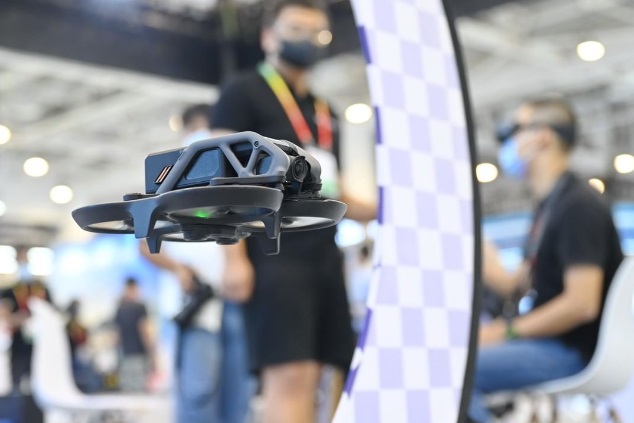
In today’s digital world, nothing is off-limits. Creative ideas can come from anywhere, and magic happens when technology, talent, and entrepreneurial spirit fusion with the brightest minds of the creative industry. Every day we see more and more creative technologies with AI, AR, and VR apps, and more effectively running campaigns that support digital automation and optimization tools. People are also exposed to digital technologies more than ever before, which creates the expected economy.
China is changing and all the country become more creative.
Cost-Effective Agency
KPI and Results focused. We are the most visible Marketing Agency for China. Not because of huge spending but because of our SMART Strategies. Let us help you with: E-Commerce, Search Engine Optimization, Advertising, Weibo, WeChat, WeChat Store & PR.
Therefore, today´s brands need to be truly linked to technological innovations around the world to meet consumers’ demands. One of these advantageous technologies is live streaming.
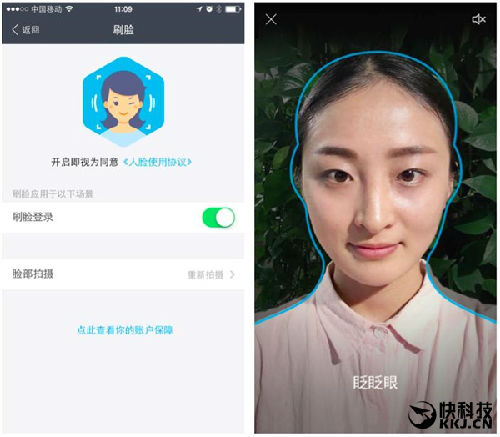
How does Livestreaming Work?
What basically live streaming is? This is a relevant question for anyone interested in live streaming technology. If you’ve ever participated in a real-time online webinar, you can better answer this question; in case not – you will get consecrated into this topic very soon.
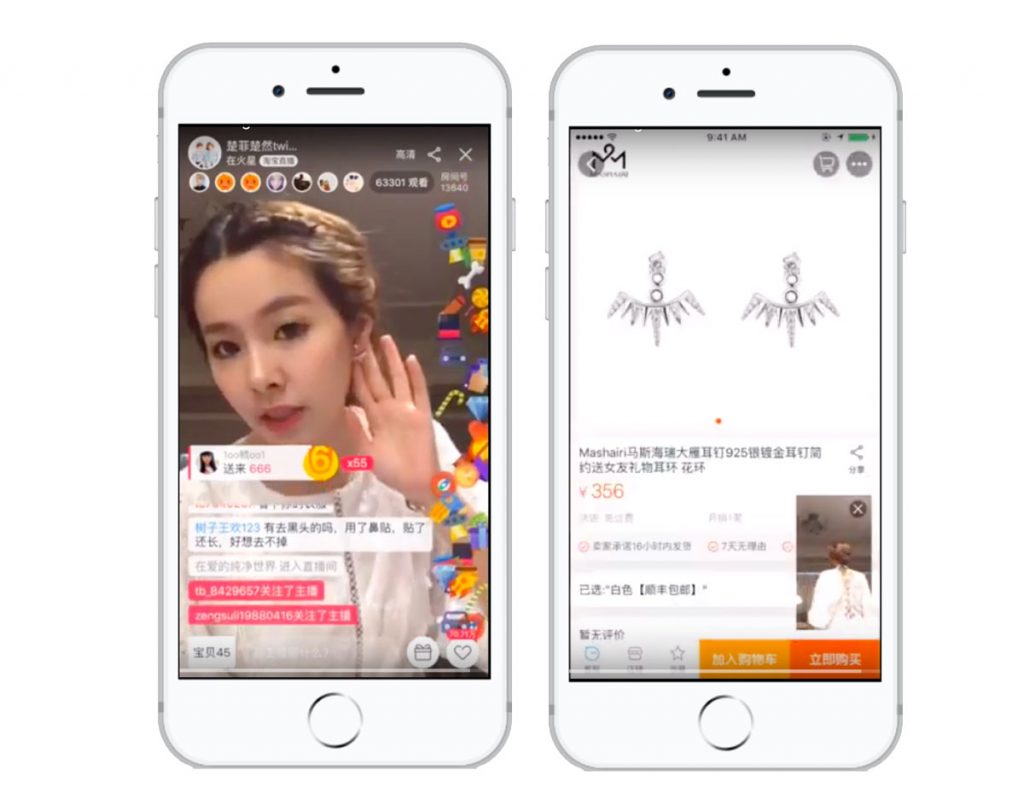
Live streaming means recording and broadcasting video content and live feeds to an audience via live streaming platforms or software at the same time. What the user need is to prepare a good set of cameras, headphones or microphones, platform/software for streaming, and a reliable internet connection.
Livestream is often broadcast to target a large audience in real-time. It removes geographic and physical constraints that are common to most web conferences. By recording and streaming video content to the audience simultaneously, you can create an emotional connection with participants, build relationships, and even answer questions immediately.
With several configurations, it is possible to share events, webinars, product or brand marketing, online course, online training, or online tours live to your own platform once the occasion begins. One of the examples of beneficial use of live streaming is Chinese cultural live-streamer Huangdu Feixue (黄杜飞雪).
read more
The Art of Cultural Livestreaming
Huangdu Feixue, a young student of Nottingham Trent University in England came with a great project of connecting the culture to the world.
Huangdu has been live-streaming tours of British museums directly into the phones for over half a million followers back in China. Her webcast received a record number of views of her tours in Ruddington and Trent Bridge in Nottingham (each reaching more than half a million)! Chinese tourists now coming to the UK avid to visit these museums themselves. What you should know is, that Ruddington Village Museum is the embodiment of a quaint English institution located in a rural Nottinghamshire village.
A graduate of Museum and Heritage Studies meant to bring forward typical influencers attributes for Chinese associated with fashion, games, dancing, singing, entertainment to the higher values as a heritage. ”I want to be the one who gives a professional interpretation of museum objects to an audience. This is my major and I like giving the backstory of objects and their museums. That’s why I started.” She says. But how did she connect live streaming from the West to China?
read more
Working with JGOO – the Chinese equivalent of Paypal
We all know, that almost all social western platforms like Facebook, Instagram, Youtube, Twitter are not available in China.
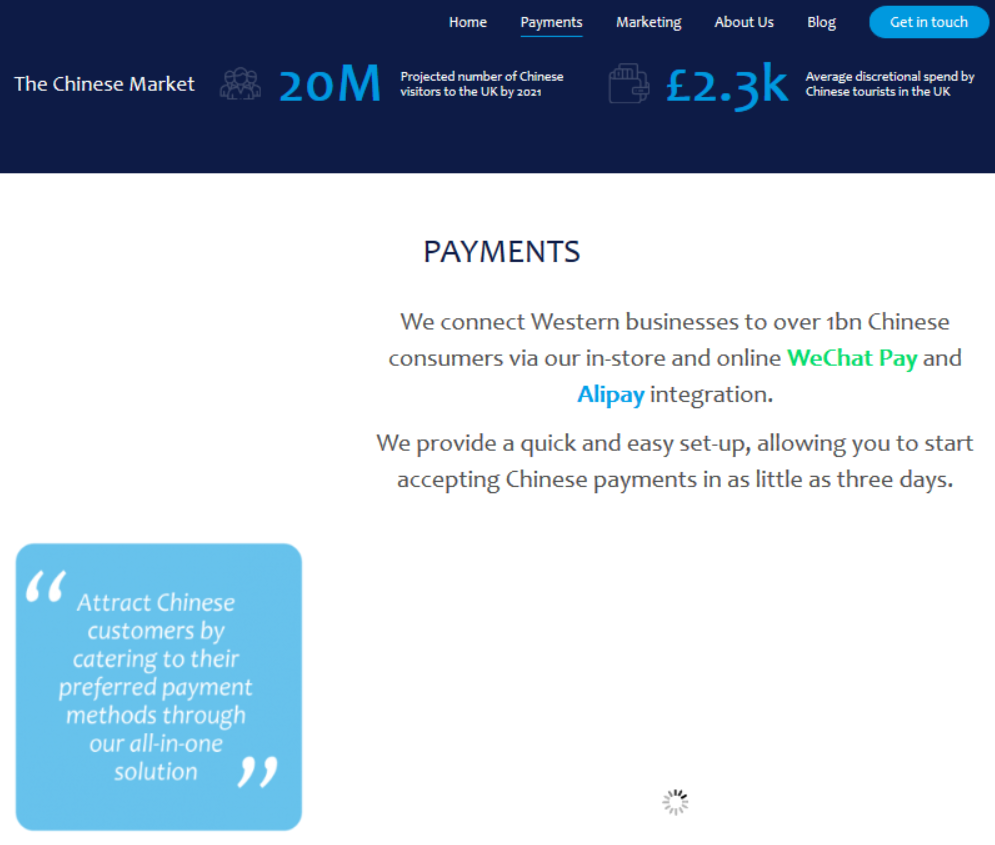
JGOO is a business, providing merchants across the UK and Europe access to the Chinese market, both to Chinese tourists in the UK and China’s online shoppers. They provide payments, marketing, and e-commerce solutions to merchants so that is possible can sell products and services to Chinese nationals, allowing Chinese nationals to pay with their preferred methods – WeChat Pay and Alipay. The MasterCard and Visa solutions are not available in China, thus opening up a new way to make the business relationship between European traders and Chinese nationals.
Huangdu has taken on a new role as an influencer with JGOO which will enable her to continue and expand the scope of her heritage live streams. Therefore, the museum Curator of Village Museum is keen to put Ruddington on the map for up-market group tours from China. “Museums can announce their commitment to the world’s leading outbound travel market through Mandarin language mobile applications and consumer products” He added. So she focuses on live streaming videos on the Chinese platform, Douyu to her followers, and her influence has spiked a large amount of Chinese interest for the museums. Also, she also has been extremely successful at increasing British brands’ visibility in China
Dr. Gavin Walker, Vice Chairman, and Honorary Curator at the Ruddington Village added: “ Working with Feixue has been both enjoyable and enlightening. We’ve gained a new friend, an international influencer, and some interesting insights into Chinese culture.”
With China’s growing keen on cultural heritage in the UK and the incoming travel from China, Feixue’s influence is recognized worldwide. She is continuing her work to share British heritage experiences with her audience back in China and linking it to British brands before their travels to the UK.
The advice for creative souls: “You can never cross the ocean unless you have the courage to lose sight of the shore – I believe it is more important than ever today for female entrepreneurs to be more courageous, curious, and open-minded, because only by thinking big can we make the world smaller and better.“ Said Sila Nurk about working in a creative digital agency.