Little Red Book has launched “Red Marketing Academy”
The famous Xiaohongshu (little Red Book) , inspired by instagram has launch online and offline courses to teach Chinese people how to promote brands efficiently.
Cost-Effective Agency
KPI and Results focused. We are the most visible Marketing Agency for China. Not because of huge spending but because of our SMART Strategies. Let us help you with: E-Commerce, Search Engine Optimization, Advertising, Weibo, WeChat, WeChat Store & PR.
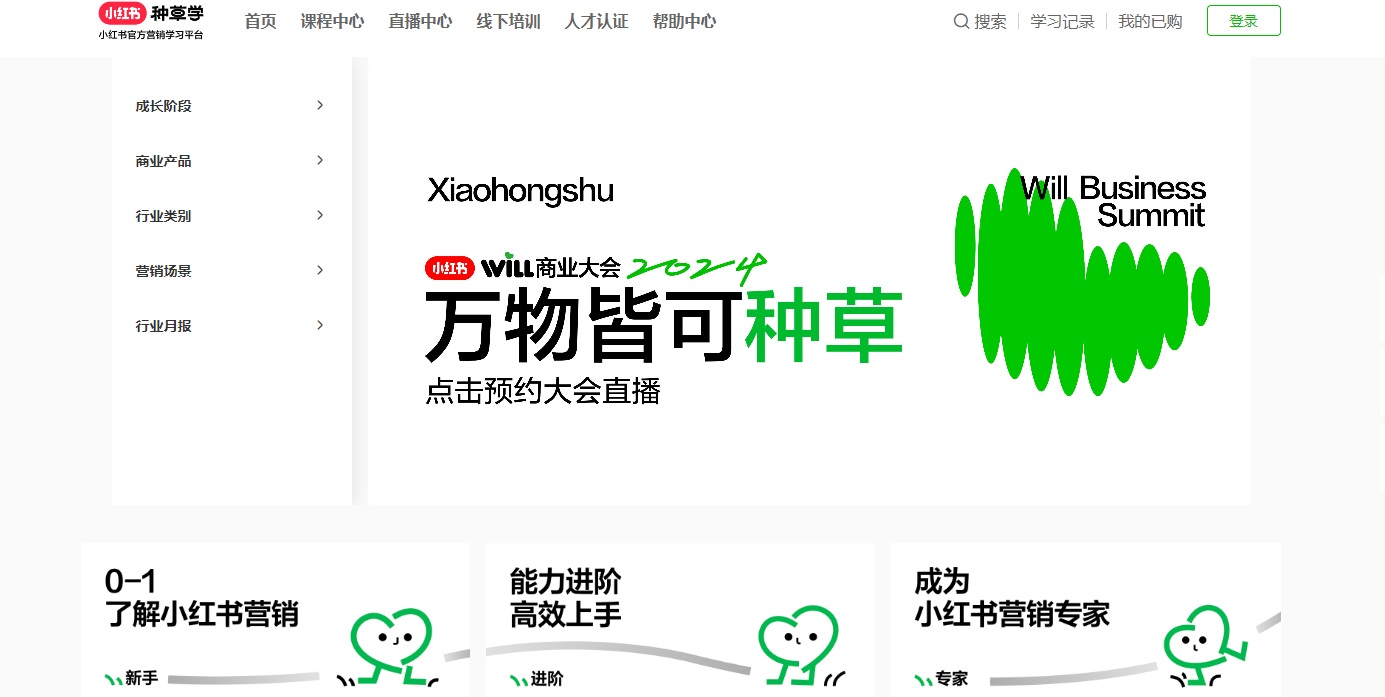
All Marketer in China can get this certification and find easily a Job.
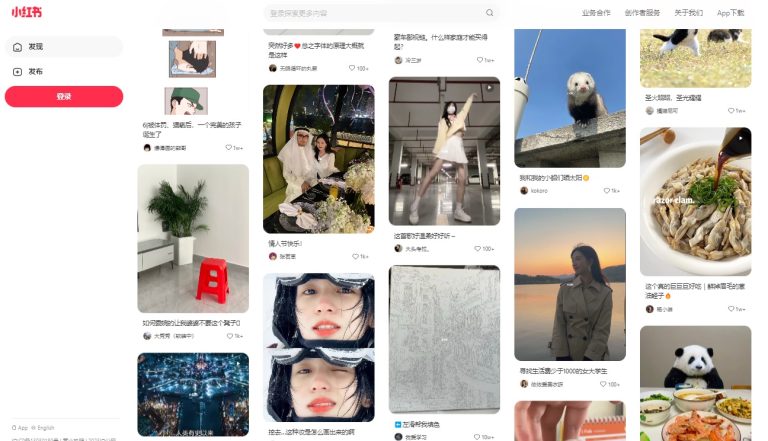
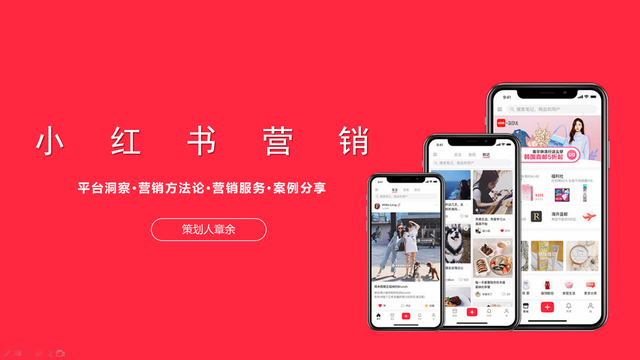
Little Red Book, also known as Xiaohongshu, is a social media and e-commerce platform in China that has rapidly grown in popularity. Initially launched as a lifestyle sharing app, it has evolved into a powerful platform combining user-generated content, e-commerce, and brand interaction. Little Red Book is especially favored by a younger, predominantly female audience interested in beauty, fashion, and lifestyle trends. Its unique blend of authentic user experiences and shopping capabilities makes it a go-to destination for modern Chinese consumers seeking genuine product recommendations and lifestyle inspiration.
The ‘RED Marketing Academy,
The official marketing learning platform of Little Red Book, ‘Marketing Academy,’ was officially launched. The platform systematically builds course content around brand industry categories, marketing purposes and scenarios, and Little Red Book’s commercial products. It aims to help brands at different stages of growth to more effectively carry out promotional marketing on Little Red Book, achieve business growth, and assist in brand building. Red enter to the education market.

The Importance of Product Promotion is Rising, and Diverse Courses Follow Marketing Trends
As of the end of 2022, the Little Red Book platform has gathered 260 million monthly active users and 69 million sharers. They record, share real, interesting, and useful content, and mutually “promote” their favorite products and lifestyles to each other, forming valuable trust relationships. Benefiting from Little Red Book’s unique community advantage and “promotion gene,” many high-quality products and services have grown from the Little Red Book community, entered public life, become popular consumer brands, and led public consumption trends, highlighting the value of product promotion.
With the rapid development of promotional marketing, simple blogger collaborations and note releases can no longer meet product marketing needs. Brands need more comprehensive and systematic methods and marketing tools to achieve their goals. Meanwhile, with the continuous improvement of Little Red Book’s commercial capabilities and commercial products, many brand clients and partners need to understand commercial product capabilities more timely and fully, and learn Little Red Book’s marketing play.
On the ‘Promotion Academy’ platform, marketers can learn official courses produced by Little Red Book’s commercialization, master promotional techniques in a timely manner, and keep up with Little Red Book’s community promotion trends.
Official Course Quality Assurance, Say Goodbye to “Wild” Promotion
Currently, the ‘Promotion Academy’ course content starts from three major marketing scenarios: product promotion, node marketing, and brand marketing, covering industries such as beauty and personal care, luxury jewelry, apparel, 3C home appliances, home furnishings, etc. This allows each industry’s brands and marketers to quickly understand Little Red Book’s marketing capabilities and provide more industry-specific solutions.
Additionally, ‘Promotion Academy’ scientifically divides course content, targeting learners at different stages, and completes detailed classification of content for beginners, intermediate, and expert groups, making learning more tailored. Moreover, ‘Promotion Academy’ also offers courses focusing on Little Red Book’s commercial products, launching content related to Spotlight, Professional Accounts, Dandelion, E-commerce Marketing, Fries, etc., to help brands quickly solve marketing problems using platform capabilities.
“First Lesson of School,” Teaching You How to Master Double 11
Double 11, as a major promotional node that brands must compete for, is crucial. Brands looking to complete traffic accumulation before the promotion, efficient conversion during the promotion, and user retention after the promotion need more refined marketing and operations.
From past marketing practices, brands promoting on Little Red Book’s platform can effectively help brands communicate with users during the promotion and drive product sales. To better help brands understand the promotional play on Little Red Book before and after major promotional nodes, ‘Promotion Academy’ will officially launch the ‘Double 11 Promotion Learning Season’ series of live broadcast courses on September 12th. With bi-weekly 36 live broadcasts, covering 9 major industries and new brands, from the latest track marketing trends, product promotion strategies, to the 2023 Double 11 deployment secrets, it brings detailed interpretations of major promotional plays in advance, helping brands have a successful Double 11
10 Key Facts about Little Red Book:
- Founding: Little Red Book was founded in 2013 as a platform for sharing overseas shopping tips.
- User Base: As of 2022, it boasts over 300 million registered users, primarily targeting urban millennials.
- Content Format: The platform primarily features user-generated content including reviews, recommendations, and personal experiences.
- E-commerce Integration: It seamlessly integrates social media with e-commerce, allowing users to purchase products directly through the app.
- Global Reach: Little Red Book allows users to discover and buy international brands, making it a gateway for global brands into the Chinese market.
- Community Trust: The platform is known for its authentic and trustworthy content, with strict guidelines against false advertising.
- Influencer Hub: It hosts a vast number of influencers and Key Opinion Leaders (KOLs), making it a significant space for influencer marketing.
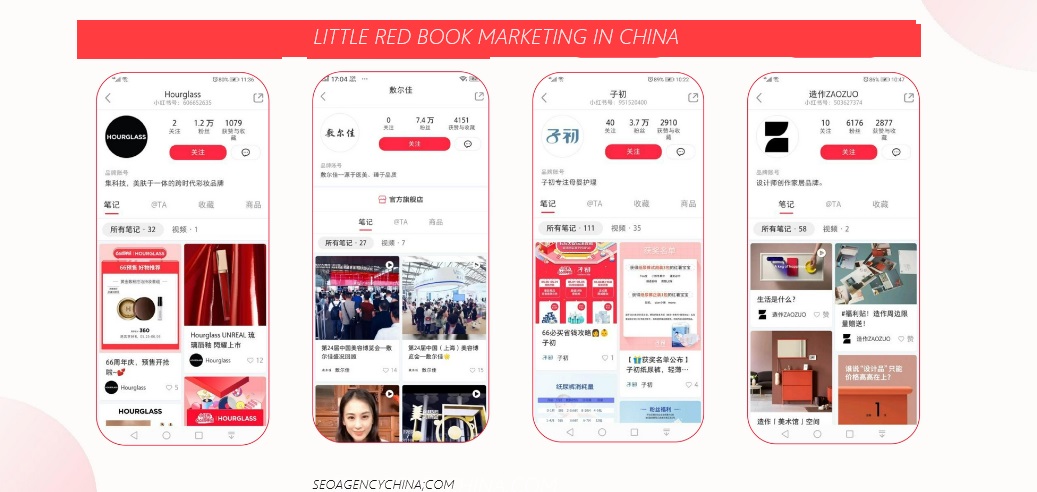
- Brand Collaborations: Numerous luxury and lifestyle brands have established official accounts for marketing and direct engagement with consumers.
- Technology-Driven: Little Red Book employs advanced algorithms for personalized content recommendations and user experience optimization.
- Expansion and Innovation: The platform is continually expanding its features, including live-streaming and interactive marketing campaigns.
Read more
Little Red Book as a Major Marketing Platform:
Little Red Book has emerged as a major marketing platform, especially for brands targeting the affluent and trend-conscious consumer segment in China. Its strength lies in its community-driven approach where users share honest reviews and lifestyle content, creating a trusted environment for brand discovery and product endorsement. For brands, Little Red Book offers a unique opportunity to engage with an engaged and targeted audience, launch new products, and increase brand awareness. Its blend of content and commerce, along with a deep understanding of Chinese consumer preferences, makes it an indispensable tool for both local and international brands aiming to tap into China’s lucrative and dynamic market. The platform’s focus on authenticity and quality content ensures that marketing efforts are not only seen but also trusted, leading to higher engagement and conversion rates. As digital marketing evolves, Little Red Book’s role in shaping consumer choices and brand fortunes in China is only set to grow stronger.