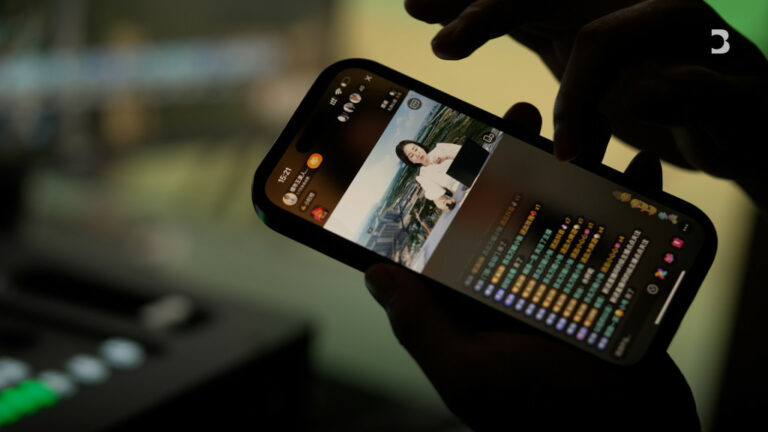
Top 5 Chinese music applications
A week ago, Spotify declared that it had arrived at 140 million month-to-month dynamic clients (MAU) around the world. This number, notwithstanding, blurs in contrast with the music spilling administrations in China: the most popular music application in China, KuGou, had practically twofold, as indicated by a report by QuestMobile distributed in April 2017. What is intriguing about China’s music-gushing administrations is that they are on the whole free. As opposed to offering to cut advertisements with an excellent record like how Spotify, these applications will, in general, limit the number of melodies a supporter can tune in to until they settle up or give extra advantages like more downloads for disconnected tuning in and better gushing.
the Chinese mobile App market
The more significant part of the applications acquires cash by offering memberships for better sound quality, promotions, show tickets, virtual blessing giving, and tune buys. The most recent news demonstrates that Chinese fans are sufficiently excited to make the business fruitful. In just three days after its discharge, Katy Perry’s collection “Witness” increase 1.3 million buys on China’s driving music applications, with NetEase Music leading the pack (in Chinese). Here is the most recent top rundown of China’s most sizzling music applications.
Cost-Effective Agency
KPI and Results focused. We are the most visible Marketing Agency for China. Not because of huge spending but because of our SMART Strategies. Let us help you with: E-Commerce, Search Engine Optimization, Advertising, Weibo, WeChat, WeChat Store & PR.
Top music APP in China

- KuGou (酷狗)
KuGou, which means Cool Dog, was established in 2004 and advanced toward the highest point of the graph by engaging a vast crowd, particularly those living in communities, as indicated by a report from 6th Tone. This implies an enormous bit of their substance is committed to square moving tunes and KTV, which is generally laughed at by the neighborhood trendy person populace. KuGou has additionally won clients by incorporating KTV gushing, which empowers clients to get “tune coins” that can be moved into genuine cash. Clients can likewise remark on melodies through “slug screens” (弹幕) where remarks stream over the video, tune in to the radio, watch a video, and cooperate through the social stage. Kougou music is an excellent Android cloud music player that supports mass music searches, worldwide melodies downloads, and a complete music library. The application claims proficient sound interpreting innovation and precision KRC verses for clients to Karaoke anyplace and whenever. The music application converged with 5SING, which was where Chinese music makers transferred their unique music artful culminations previously. Although the application has 228 million MAU, Kugou is as yet making sense of how to gain cash; however, it has been procuring from their live spilling administration Fanxing. KuGou and KuWo are both claimed by the China Music Enterprise, which converged with Tencent’s QQ Music in July 2016.
- QQ Music (QQ音乐)
The application was propelled in 2004 and is claimed by the Tencent organization. QQ Music gloats of 400 million month to month dynamic clients. Although QQ Music shares a portion of indistinguishable highlights from Kugou, for example, radio, KTV, and live to spill, which can be compensated with virtual blessing giving, it obliges an increasingly urban group. QQ Music additionally offers articles and empowers clients to watch music recordings, shows, and meetings with acclaimed performers, including universal stars, for example, Linkin Park. Moreover, QQ Music is a complete music stage securing the music copyright of performers. The application owes its prosperity to Tencent’s enormous nearness in the Chinese market, including WeChat. This has empowered the support of hit manages significant record names and permits its clients to purchase show passes through its installment administration.

- KuWo (酷我) KuWo was propelled in 2005 and is another application with a substantial spotlight on KTV spilling; the app even has KTV competitions with money rewards. Other than KTV gushing, it likewise fills in as a video spilling stage and communicates video content, typically on the more ugly side, for example, China’s well-known ability shows and humorist acts. KuWo additionally saves a piece of its application for China’s rising DJs. Like different applications, KuWo offers melody buys and memberships, yet it is additionally attempting to profit with in-application gaming and its own earphones and speakers. The app has 107.72 million MAU.
- NetEase Cloud Music (网易云音乐)
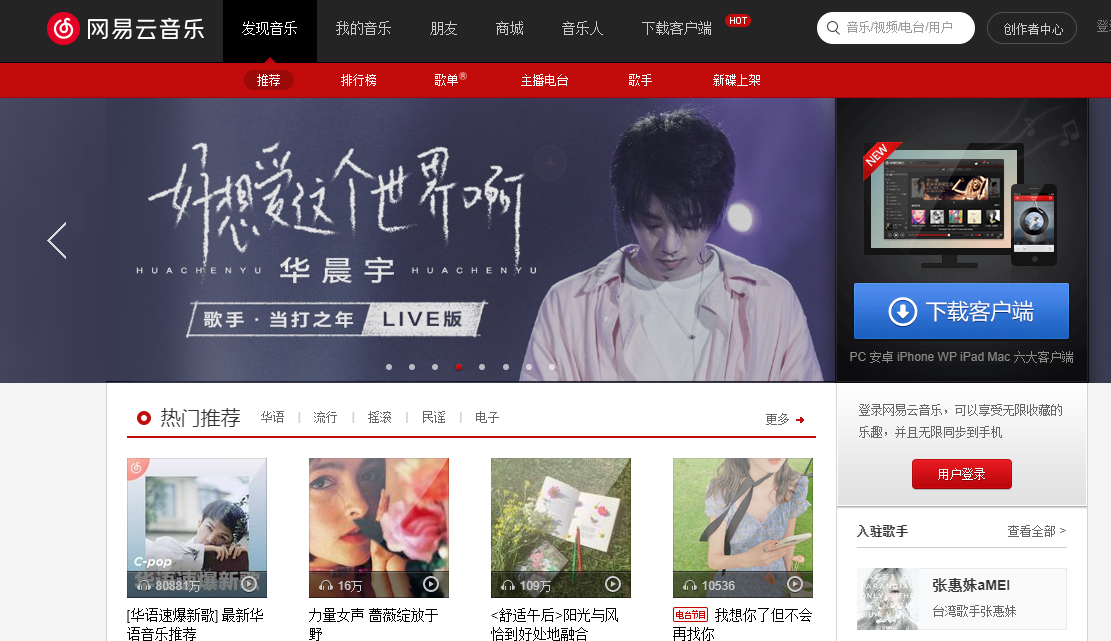
NetEase Cloud Music was established in 2013 by Chinese Web gateway NetEase. What separates NetEase Music from different applications is its more grounded spotlight on independent specialists, empowering it to rival web monsters like Tencent and Alibaba, which have large amusement biological systems. Other than short recordings, the application has social highlights that enable clients to connect with entertainers who have profiles on the administration. It additionally has a music spilling alternative for joggers called Run FM (跑 步FM) that chooses music with a BPM rate that matches the audience’s running beat. Besides music, clients can tune in to digital broadcasts and watch recordings. With 62.7 million MAU, NetEase is the primary music administration in China that turned into a unicorn in the wake of verifying RMB 750 million in Arrangement A financing in April 2017. The most well known of this stage is its remark region, which its clients leave numerous fantastic remarks.
- Xiami Music (虾米音乐)
Xiami began as a P2P stage in 2007, it was known as EMUMO, which means “Acquire Music and Cash” however needed to relinquish the model because of poor copyright guideline. As of late, the administration has chosen to include more specialty content by highlighting developing performers with unique music. It has likewise propelled The Unfamiliar Across the nation Spotlight music program, and across the nation ability scan where clients can decide in favor of more than 6000 artisans. Xiami Music is the top of the line and most expert music player on the Android stage. The product has an excess of 4 million excellent pieces. Music sweethearts can tune in and download music with a bit of just one catch.
Xiami Music, which has 14.4 million MAU, is claimed by Alibaba from 2013 alongside another music application called Alibaba Planet (阿里星球).
Read also
https://seoagencychina.com/pr-agency-china-media-influencers-kol-stars/