Top Marketing Cases Studies of April 2020
Often the best way to understand something is through an example, so let’s take a look at some of the most successful Marketing Case studies of April in China with brands like Volvo, Burger King, Jeep, Xiaomi, etc.
What did they do well? How did they use the internet to their advantage? are video clips still relevant?
Cost-Effective Agency
KPI and Results focused. We are the most visible Marketing Agency for China. Not because of huge spending but because of our SMART Strategies. Let us help you with: E-Commerce, Search Engine Optimization, Advertising, Weibo, WeChat, WeChat Store & PR.
VOLVO’S 93RD ANNIVERSARY PROMOTIONAL VIDEO
April 14, 2020, is the 93rd birthday of Volvo Cars. Volvo has launched a promotional video dedicated to all Volvo Cars employees and owners, explaining what is the “best” in Volvo style.
With the theme of “The Best For The Best”, Volvo selects 6 employees and their families from 6 different departments to shoot this video:
- the R&D department,
- design department,
- supplier management department,
- factory,
- after-sales department,
- sales department.
They are both Volvo car manufacturers and consumers. They are an employee, a father, and a daughter. They are also a group of passionate and curious people in life.
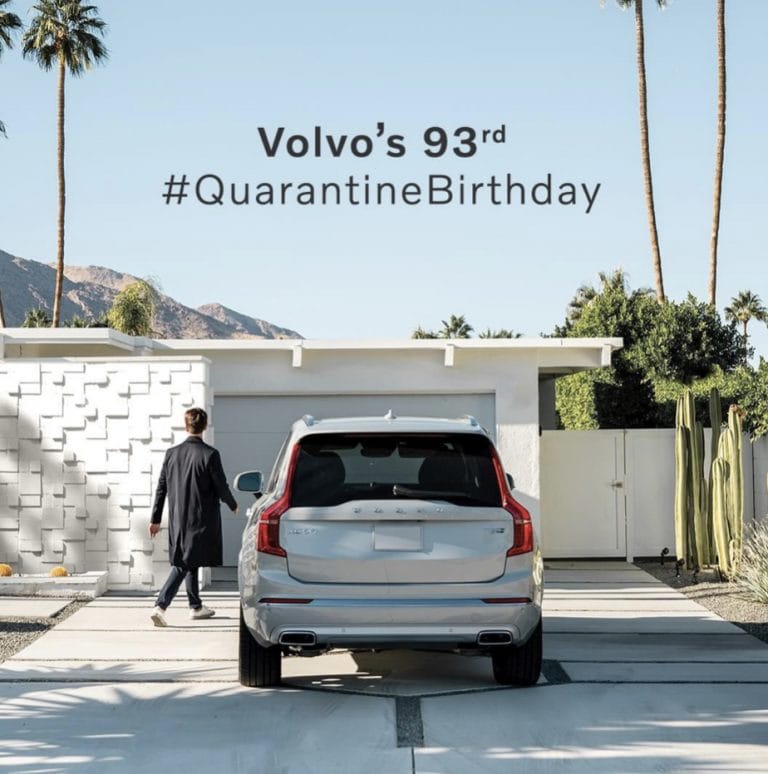
Like all other car owners, they will be confused and lost, but never give up. They are the best, creating the best products for the best of you.
MIDEA’S CREATIVE ADVERTISING
Recently, Midea launches an ad “Singing Window” for the new product Midea U launched in the North American market.
At the beginning of the ad, the delivery people delivered products to the door, and the windows of the apartment opened and closed, like a mouth singing.
Then, the camera cuts to an imaginative scene. The little boy who dreamed of flying by the window, the housewife who made the Harley motorcycle smaller, the father who reached out to take off the clouds, the meditation brother floating in the air, the black grandpa who retired, and the big ear girl who read quietly.
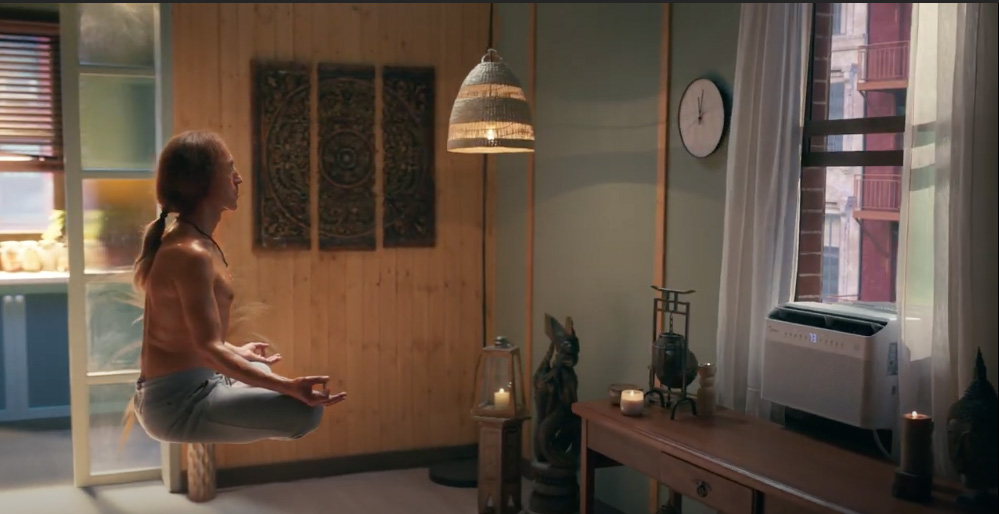
They all have one thing in common, that is, they all have a window that can sing.
Midea uses singing windows to express the characteristics that the new air conditioner can support free opening and closing. Users can get fresh air by opening the windows, and can breathe freely in Manhattan’s forced apartments; closing the windows can isolate the noise and thus insulate from Brooklyn’s noise.
ICY × XCOMMONS: DIGITAL FASHION WEEK
In addition to broadcasting offline conferences via online Live streaming, how can digital fashion week be presented in other ways?
ICY Global Designer Platform and XCOMMONS have teamed up with three Chinese independent designers to create an immersive digital fashion week of “PARALLEL REALITY”.
This year’s “ICY Digital Fashion Week” uses digital technology to create a multi-dimensional fashion space, transforming space interaction and visual basis to achieve a diverse display of fashion, integrating designer content into CG technology, breaking the physical limitations of offline space.
XCOMMONS united with visual art studio IC-U for each designer to build a surreal exclusive virtual space based on real scenes, and let the audience enter the designer’s inspired world with an immersive sensory experience.
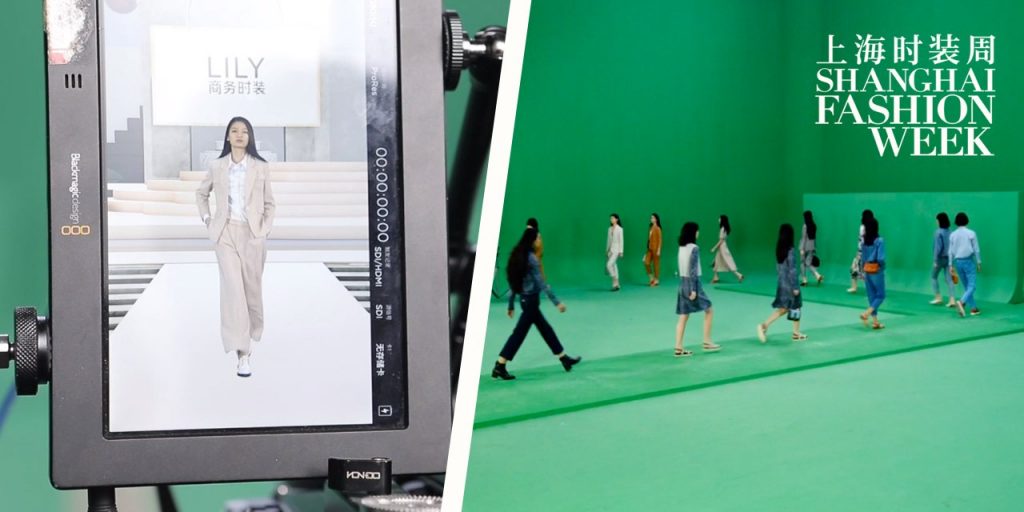
In the clothing display, ICY uses digital models and other scientific and technological methods to present the texture and details of clothing, showing a variety of outfits.
Participants can work directly with fashion media, buyers, KOL, and other industry insiders on the fashion release site, and write show reviews.
After watching the show, they can buy the capsule series immediately, and pre-order the favorite designer show in advance.
HONDA ADVANCED ADVERTISEMENT AT HOME
Affected by the epidemic, video shooting was limited, and most of the advertisements returned to the traditional form of the screen and copywriting.
However, UAE Ogilvy recently made a short ad video for Honda Motor, from script to shooting, from copywriting to post-production, all process of making the video is done at home.
The video is only half a minute long, and only one exquisite car model appears. The corrected shooting and production did not make the film look very low-end, and even quite a bit advanced. The Civic car in the commercial is a toy model borrowed from Honda’s local executive’s children. By using furniture, electrical appliances, and books in the home as props, the ad creates the illusion of having real tunnels or buildings.
With the bright and melodious “Sound of Spring Ballad” by John Strauss as the background music, the slightly dull dark tone picture adds a lot of humor, and the copy demonstrates that the entire short film is all done at home.
Without cool lenses and advanced productions, Honda can impress the audience with exquisite creativity.
JEEP’S THE GREAT INDOORS
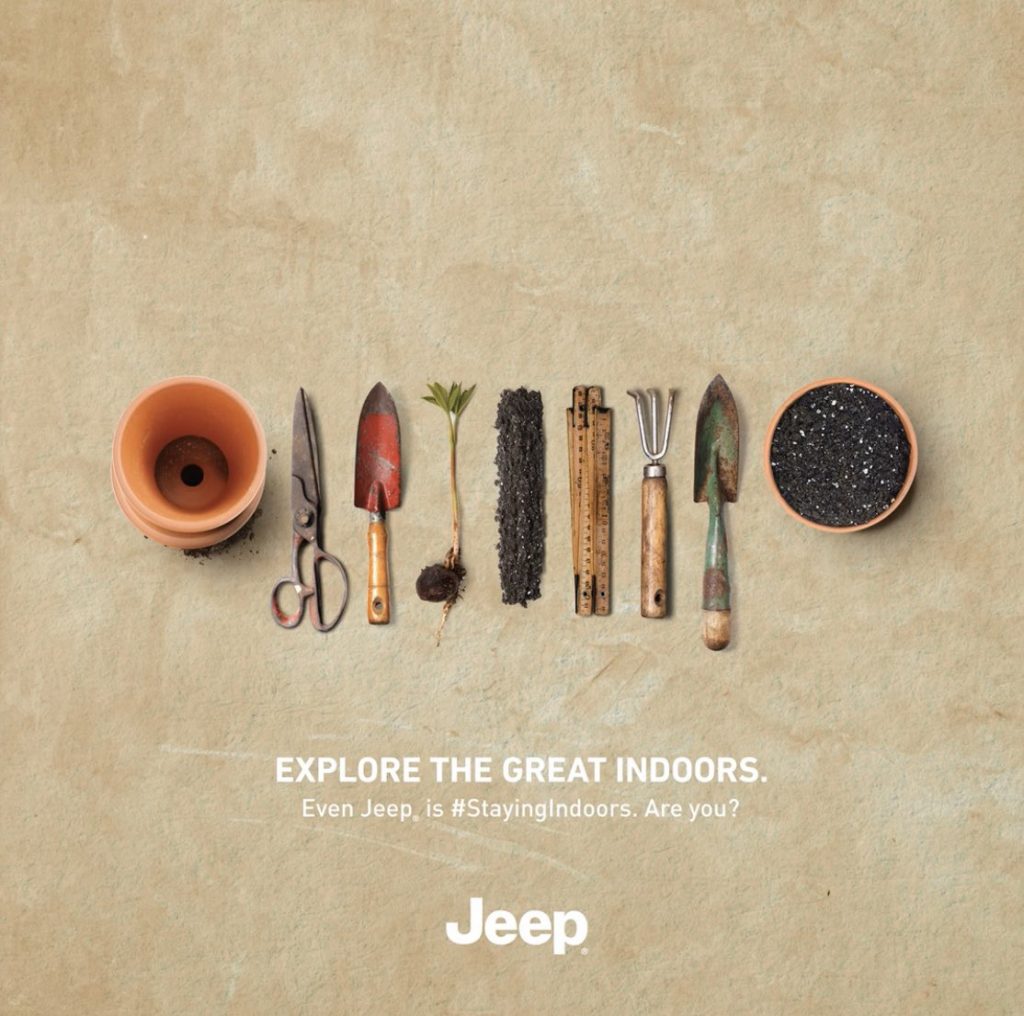
During the epidemic, Jeep Australia released a “The Great Indoors” themed poster. Through a series of “Jeep iconic round headlights and air intake grilles” composed of daily necessities, Jeep tells people that it is a good time to explore indoors, encouraging people to keep isolated at home.
In addition, to make life at home better, Jeep India posted # StayingIndoors # series of posters on social media for 7 days, 1 theme per day, to share different things you can do at home. The poster shows that even Jeep, who was born to love the outdoors, is now staying at home, people should also be like this.
Not long ago, Jeep Peru also released a creative post, accurately changing the angle of view to show the scenery that Jeep saw in the garage during the epidemic.
Once crossing the mountains, rivers, and the sea to explore a more wonderful world, now Jeep realizes that home is the most beautiful scenery.
BURGER KING’S ANTI-EPIDEMIC IDEAS
The epidemic is spreading all over the world. The grim situation also prevents consumers from going out and can only shop at home.
Burger King launched an anti-epidemic advertisement dedicated to patriots lying on the sofa. In the video, the narrator said: “At this moment, your country needs you to… just lay on the sofa and order a Burger King takeaway (Do not go out).
Burger King emphasizes that delivery is now free, and ordering a burger can easily become a “sofa patriot”, encouraging everyone not to go out for safety. Meanwhile, Burger King also said that it will donate burgers to medical staff for free, and support the American Nurses Foundation to ensure the efficient operation of the medical system.
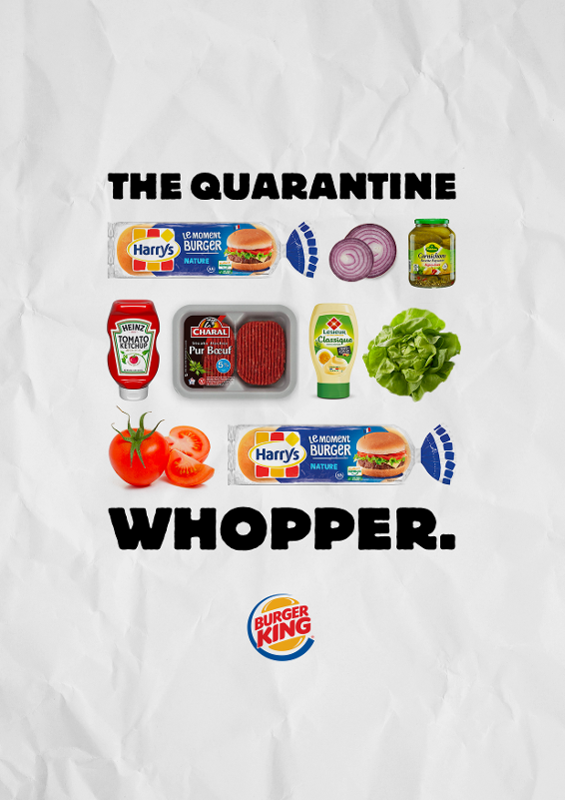
Furthermore, to motivate students at home to take online courses, Burger King launched the “Knowledge Exchange Burger” activity for consumers between 13 and 18 years old. Starting this week, Burger King will post a question on the social platform every day. Enter the correct answer in the Burger King APP can be redeemed for a free burger, the number is limited while stocks last.
XIAOMI YOUPIN LAUNCHES NEW LIFE ALPHABET
The magic opening of 2020 will allow each of us to re-examine the meaning of home and new life.
A little change in life, as small as a visual ear-pick, a robot sweeping, a new appliance, a smart product … all can be a beginning of a new life, and then just one by one, thoroughly change your life.
Xiaomi recommends that everyone who wants to reinvent a new life start from the simplest, like these 26 letters.
Although 26 letters are so simple, they are the beginning of everything. It can be :
- Spelled into words,
- Formed into sentences, written into poems,
- Written for your expectations of the new life.
Inspired by 26 letters, Xiaomi designed 26 playful posters, each representing 26 products.
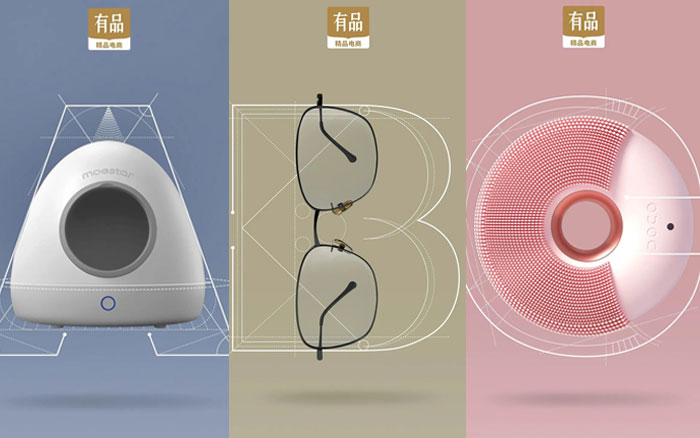
Each product has the thinking and insight behind the new life declaration.
And Xiaomi Youpin’s smart products will help you solve every little worry to start a new life.