Tofu, Mofu, Bofu in China

Tofu, Mofu, Bofu in China: What kind of content should my company create?
First of all, what on earth is Tofu, Mofu, Bofu? If you are familiar with Chinese cuisine, no it’s not a misspelling of the famous spicy dish Mapo Tofu. Gourmets may have firstly thought of Chinese cuisine’s classics. (We apologize if it gave you a mouthwatering sensation.)
Cost-Effective Agency
KPI and Results focused. We are the most visible Marketing Agency for China. Not because of huge spending but because of our SMART Strategies. Let us help you with: E-Commerce, Search Engine Optimization, Advertising, Weibo, WeChat, WeChat Store & PR.
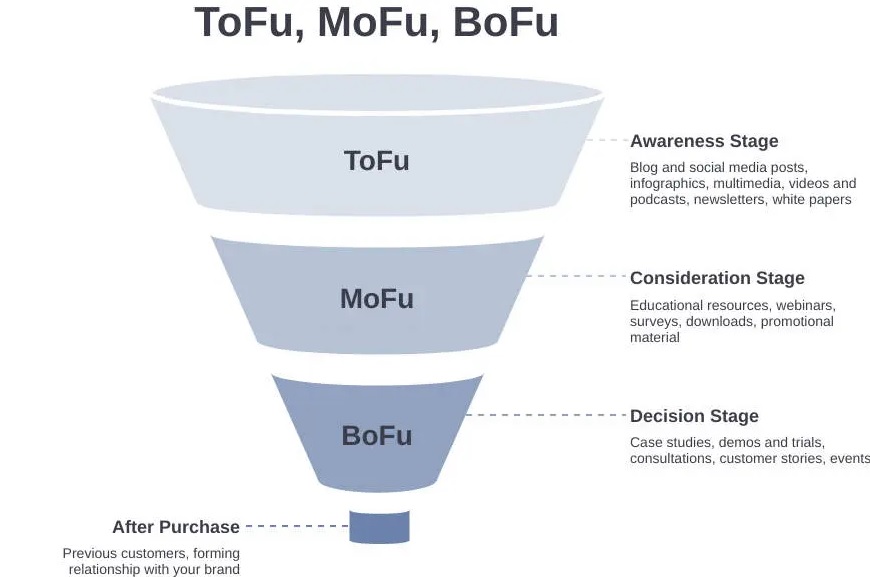
Tofu Mofu Bofu is a marketing term designating 3 stages of the funnel to nurture leads and convert them to customers. For each stage, it is important to define fitting marketing actions and content. To interest the leads and lead them to sales without using aggressive marketing means.
So, sorry to disappoint you, but today we will not share with you the recipe for this popular Chinese dish.
Instead, we will share the recipe for the Tofu, Mofu, Bofu for China. Give some keys and leads to identify what kind of content you should focus on at each stage.
1- Tofu
Tofu stands for “Top of the Funnel”. Suddenly that demystifies this term, right?
Tofu is associated with the awareness stage, which we can also identify as the demand generation stage.
At this stage, the buyers will start to look for information about a problem or a need they are facing. It is also the stage where the audience is wider. Your goal will be to make sure to be part of the source of information they will consult when proceeding to their research.
The content you need to produce should be educational or entertaining. And you should not mention at this stage directly your products/services.
To do so they will search online just like you would do on Google. But in China, they have their own search engine and social media. The Great Firewall blocks Google and all the associated internet western apps and social media. (Forget Facebook, Instagram, LinkedIn…)
-Search through a search engine:
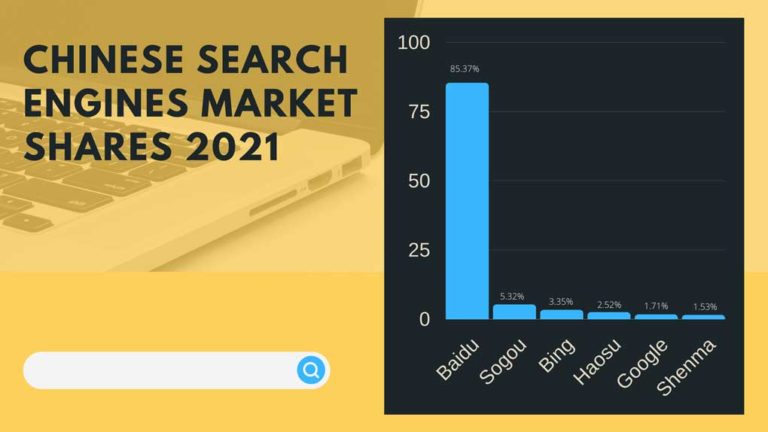
Baidu is the biggest Chinese search engine in terms of market shares and users. So, you have to make sure that when people are looking for some info about their problem/need, content from you or mentioning you appears as the source of info related to their problem’s search for understanding.
Having a top expert from your company or an influencer in your industry sharing some “how to” / “tips to” on your (Chinese) website or on specialized forums (Zhihu is the most popular one in China) is a good medium to attract your audience. At this stage remember they are only trying to look for info about their problems so don’t try to sell your products immediately. Share some informative content. Infographics and videos are eye-catching, easy to read/watch, and to remember.
For example, if a young Chinese wants to remedy its light acne problem, he will find info on specialized forums to understand why he has acne, what factors influence this skin issue. Either he find info from people like him or from beauty professionals who will share their knowledge, experience, figures and facts about this topic.
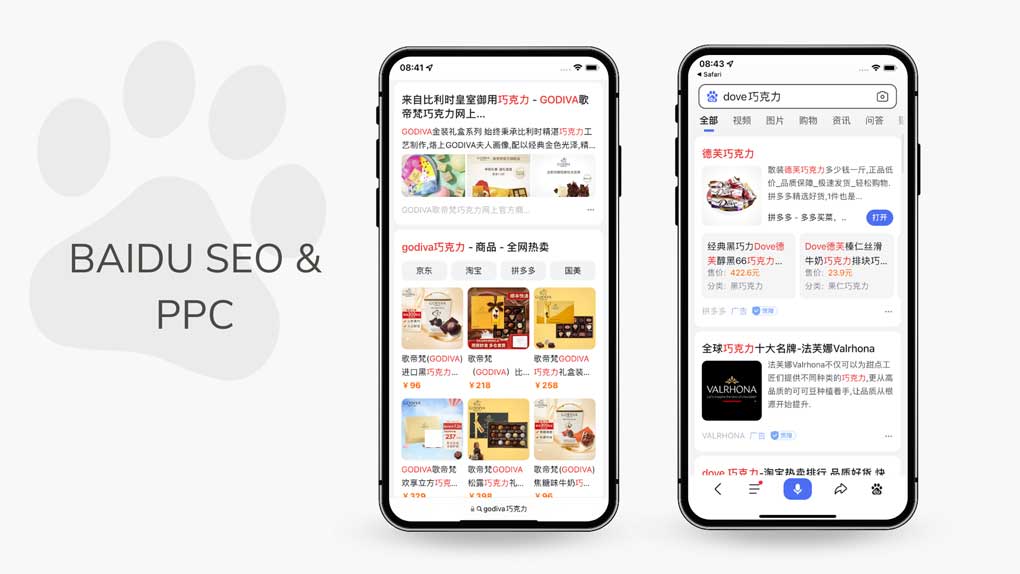
As important as it is on Google, to make sure people find you, you should have a strong SEO keywords strategy on Baidu. This step will be one major key to your success.
Advertising can also be useful in some cases using Baidu PPC.
-Search through social media:
Some buyers will prefer to use social media to look for some info. In China, there are dozen of social media (Wechat, Red, Weibo, Douyin..).It is important to select which platform is more useful to target the type of audience you want to reach.
On social media, you can partner with KOL that can also share informative content representing your company, with eyes catching visuals. Launching some games or contest via social media is also an option to raise awareness, it is a good medium to get engagement.
The purpose of this stage is to raise awareness of your brand/company. The goal will be to encourage the buyers to want to know more about you.
For example, an anti-acne cosmetic brand, may invite some KOL/KOC who used to get acne issue and share its experience about it. This KOL/KOC can tell the audience the brand’s product help him/her to solve its problem.
2- Mofu
Tofu stands for “Middle of the Funnel”. Mofu is associated with the evaluation/consideration stage, which we can also identify as the lead generation stage.
In this stage after having gathered info about the problem or need, the buyer has accepted it. The next step is that he will look for solutions to remedy it.
This Mofu stage is the stage when the buyers will look for the best solution that will satisfy their needs or solve best their problems. They will look for products/services/companies/brands. They will check the benefits, and the specifications, that each can offer them. At this stage, you will have to provide a more targeted, higher level of info. Make sure of course that the content is adapted to the Chinese audience. (e.g.: localized content in Chinese (they never use English), website hosted in China, the architecture of the website, the right e-commerce platform, a lot of visual and detailed product sheets…).
This is also when you will have to differentiate from your competitors without overselling it. Don’t use content where you claim to be the best. In China, it won’t work. Chinese are very suspicious. Scams are everywhere.
You have to secure your trust position. Reputation in China is gold and one of the most important, if not the most important key to success.

Your reputation has to come from the other, from the word of mouth.
It can come from users that already have a positive experience with you and will recommend you. In that case, they will share it on specialized forums.
Another way is to have online magazines and media talking about you. Chinese have high trust in their media. If you have some articles speaking about you, it will largely contribute to building a high trust rank.
If you provide them sufficient detailed info about your product/service that shows it can perfectly fit them and that you have a strong reputation, then there are high chances they will turn into qualified leads. They are about to buy, but you still might be neck to neck with one competitor.
At this stage the Chinese buyers may look on different brands’ websites, e-commerce platforms, beauty online press to see which product will help the best to solve its problem. He will look for reviews from previous buyers, check the description, composition, if proven results….
3- Bofu
Bofu stands for “Bottom of the Funnel”. Bofu is associated with the conversion stage, which we can also identify as the sales stage when the deal is sealed.
In this stage, the audience is narrowed, they are buyers ready to buy. They have done their research, and found suitable products/services, but might still be hesitating between 2 brands/companies. So, he will compare them.
- At this stage, you have a highly qualified lead that you should not miss.
- You have to push the sales. Providing extra incentives or a sense of urgency.
- To finalize the sale, you can provide some case studies, demos, or testimonials.
- You can also provide some samples and some free trials.
- Coupons, limited offers, and special promotions are also good ways to trigger sales.
China has dozens of shopping festivals (Double 11, 618, 520 (Chinese valentine’s day), Women’s Day…). It applies mostly to e-commerce platforms. The biggest being Tmall, Jing-Dong and Taobao. Some buyers will wait for this big promotion time to finalize their purchase. Make sure you are up to date with these shopping festivals and provide the awaiting coupons or promotions. To help you push the sales, you can organize live-streaming sales with KOL. Some brands will also offer free gifts, and free samples. At this stage, the competition will be aggressive.
It can determine how the Chinese buyer to choose between 2 anti-acne cosmetic brands. If one of the 2 brands offers more coupons, more promotions or more free products…The choice will be easier for the buyer.
Every industry and business should have its own tailored content strategy. Be curious and see what the successful competitors are doing. Remember that your content should evolve at the same time the market does. You should constantly watch and monitor the market. Because if you don’t adapt constantly, it will be hard to succeed.


![[Beginner Guide] Douyin Marketing for Brands & Marketers](https://seoagencychina.com/wp-content/uploads/2018/05/douyinaaa.jpg)