Introduction to Douyin Paid Advertising
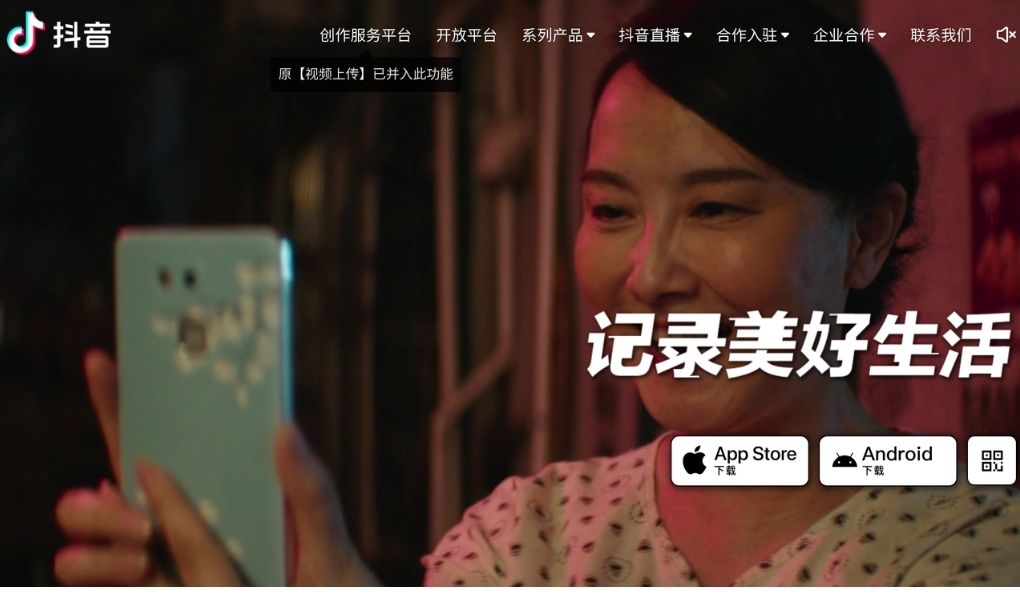
With more than 600 million daily active users in China as of 2021, Douyin is one of the most promising and lucrative apps in the world. Even though it was at first an online sharing platform for short videos, it has now become an entire empire of technologies, combining artificial intelligence, virtual reality, and even e-commerce. Douyin is in fact reshaping how information is created, shared, and consumed online. So, for many businesses in China, Douyin can be a powerful tool for advertising. In this article, we will give some information about Douyin advertisements, and we’ll give you some tips and advice on how to use Douyin efficiently.
What is Douyin?
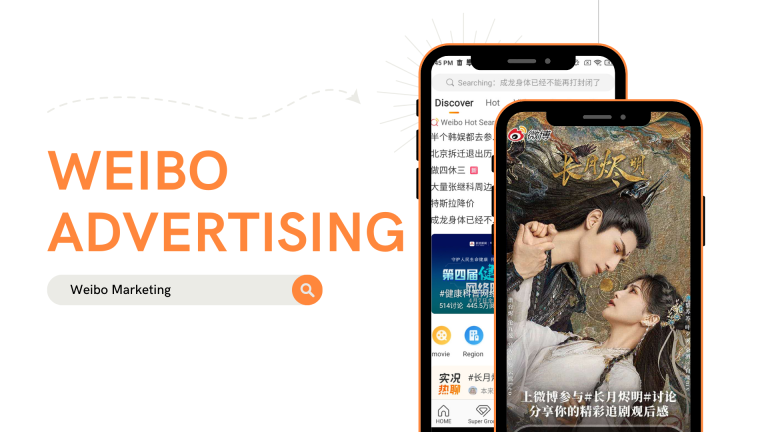
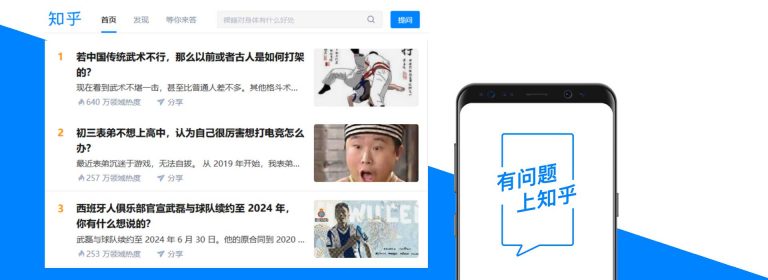
Released in 2016 by the Chinese tech company Bytedance, Douyin is one of the most popular social media apps in China. You have probably already heard of its Western version: Tik Tok. Douyin (抖音) literally means “vibrant music” and we can say that its name perfectly matches the short-form videos (less than the 60s) allowing users to combine it with dynamic background music and creative filters. This short-video content format immediately distinguishes Douyin from traditional Chinese social media platforms such as WeChat and Weibo, in which the content still focuses on text, images, and longer videos.
Cost-Effective Agency
KPI and Results focused. We are the most visible Marketing Agency for China. Not because of huge spending but because of our SMART Strategies. Let us help you with: E-Commerce, Search Engine Optimization, Advertising, Weibo, WeChat, WeChat Store & PR.
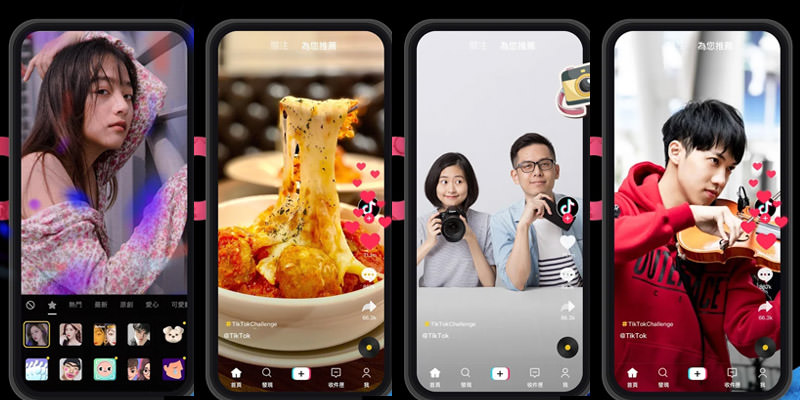
Many international famous brands have joined Douyin in order to develop their online community e-reputation, as well as to increase their visibility by reaching a wider audience than traditional social media. Moreover, the app is mainly used by the younger generation that is more inclined to be influenced by social media and buy on e-commerce platforms. For example, Douyin can be very useful to advertise your products, if you plan to link your Taobao online store to your official account.
Why should you use Douyin?
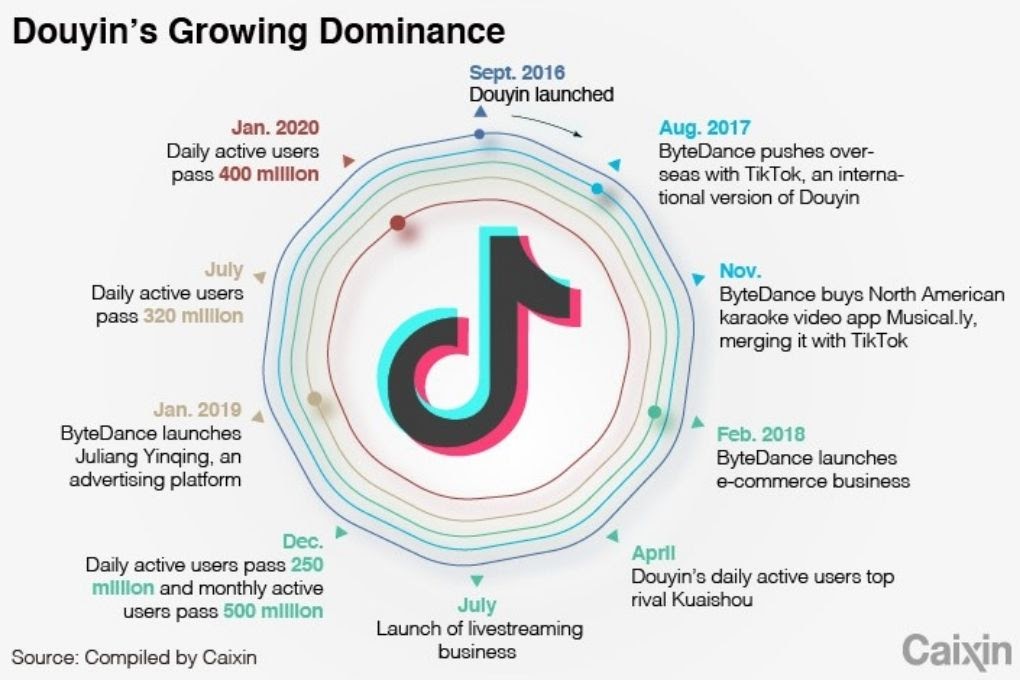
Being active on Douyin can be a wonderful way to increase your visibility as well as build your online reputation. On average, Douyin has 800 million monthly active users and 600 million daily active users. Moreover, following the pandemic, short-form video platforms have faced a huge success among Millennials and Gen Z. In just 2 years, the number of daily active users increased by +200%! So, you probably understand the impact it can have on your business.
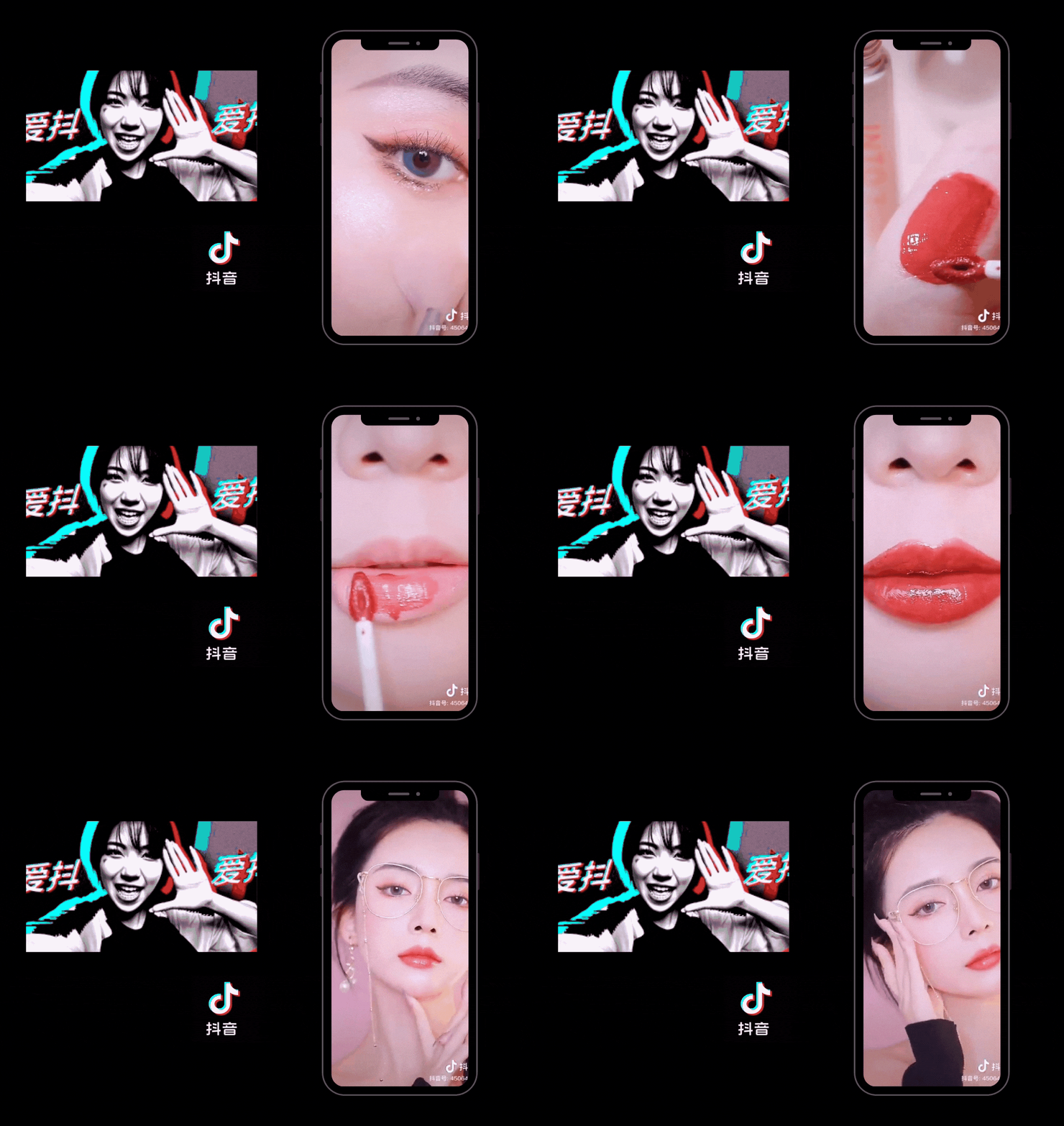
In fact, Douyin is like an open window to the Chinese market, you’ll be able to reach a wide audience within a short period of time.
How to use Douyin?
If you want to use successfully Douyin for your business, you will have to have a verified business account.
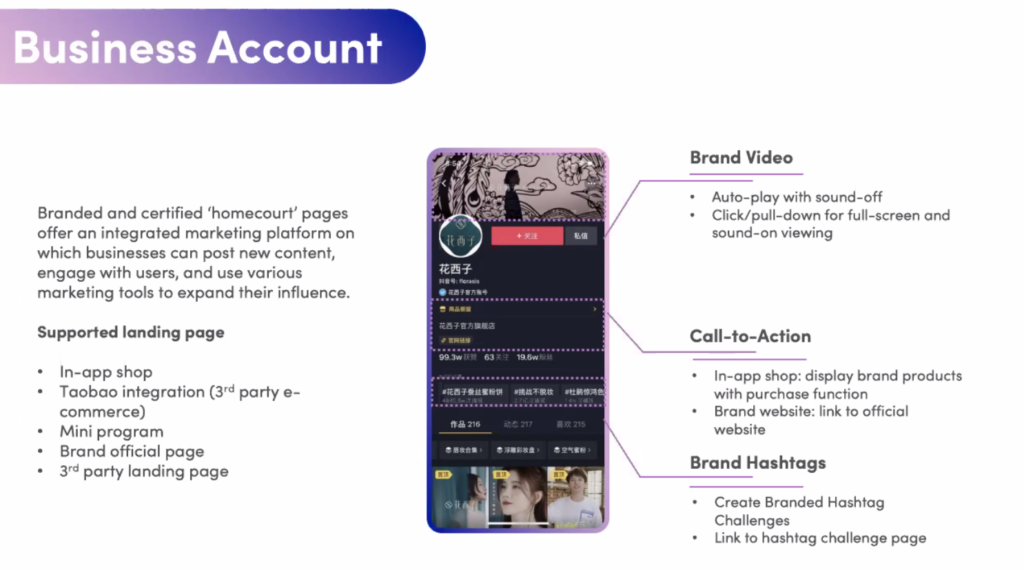
In order to do so, you will need to visit Douyin’s official website where you can verify the business account by providing information such as the type of account, its category, account operator information, and relevant company registration information and documents.
However, you should also ensure that your business is eligible for registration and that your met Douyin’s criteria. For example, industries like internet finance, healthcare, tobacco companies, etc. are excluded. Moreover, as of 2021, foreign companies are not able to apply for Douyin, but only for Tik Tok. Thus, if you want to enter the Chinese market via Douyin, you will need to find a local business partner to help or contact a company that will help you (you can contact us for more information).
Note: Setting up a business account on Douyin will cost you a ¥600 verification fee, and the transfer needs to be transacted through your business bank account.
Furthermore, as China is a very competitive market, your campaign needs to be closely managed and monitored according to the following areas:
- In-depth reporting & analysis
- Ad bidding prices accessed
- CPC/CPM researched (Cost Per Click + Cost Per Mille).
- Quality ad copywriting
- Ad design, formatting & management
If you want more information about this, do not hesitate to contact us. Our experts can provide you with all these services and explain how it works.
Douyin Paid Advertising
As Douyin is one of the most popular apps among young customers, it has developed many ways for brands to advertise their company.
If you are planning to use Douyin in order to do advertising, you’ll have to know and understand the most common types of Douyin :
- Open Screen Ad: It is the first one people see when they open the app, just before entering the video page.

There are two kinds of open-screen ads: static (poster) and dynamic (video). The dynamic type supports full-screen and split-screen video playing. Static image displays for 3s on the screen, and video for 4 or 5 seconds. They are available for new accounts/companies in the early stage when they have no traffic.
When your ads are shown on the recommended page, the video must be between 5-30s and they are restricted to only once per day for each user. The Ad appears in the 4th position in the feed stream.
- Feed Ads: They appear on Douyin’s “recommendation” page. After swiping a few times from videos to videos, you’ll see an advertisement on which the word “advertising” appears in the lower right corner.
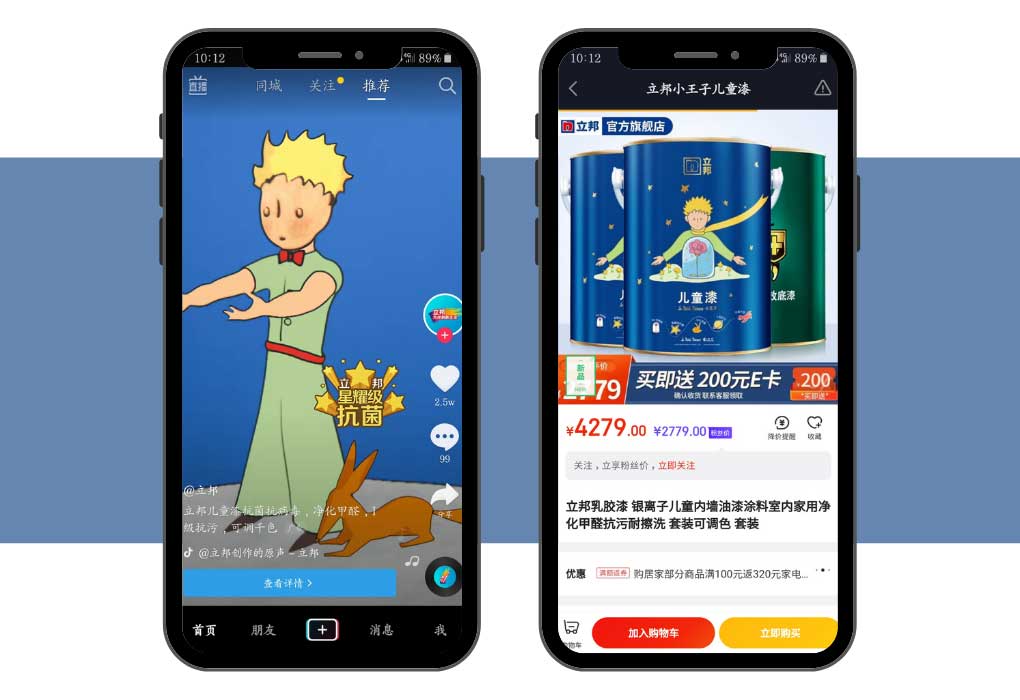
- Sticker / filter ads: When browsing in the sticker bar, you’ll be able to find sticker ads and use them in your videos.
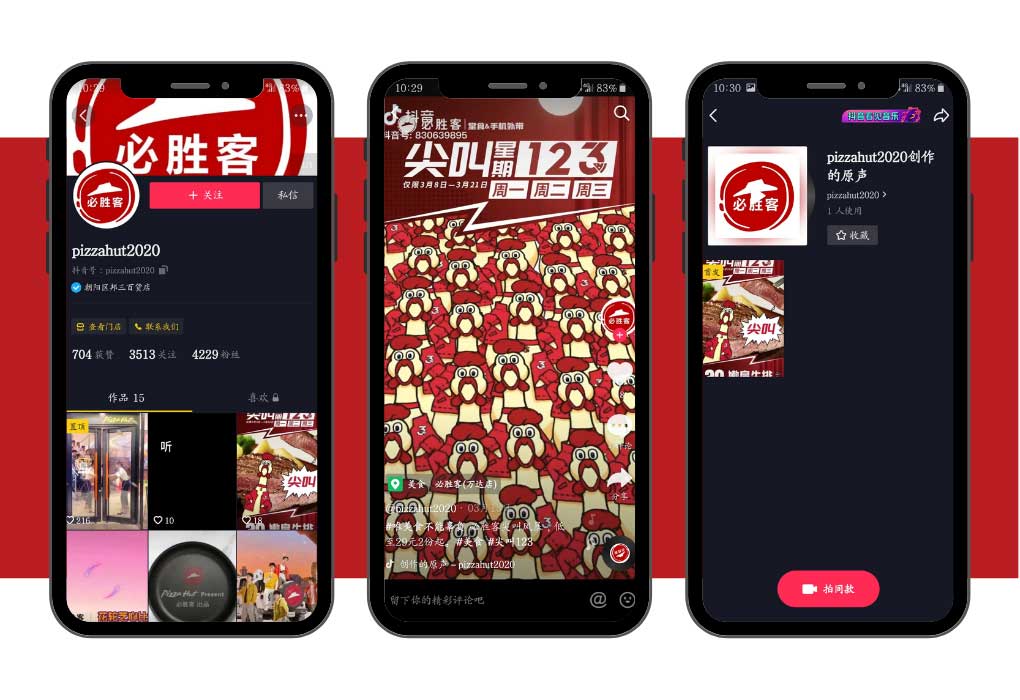
Companies or brands can make customized stickers/filters for users to add to their video clips. Creative and funny stickers are very popular among Douyin users. The company can also start a topic or challenge and invite users to come up with creative ideas for the stickers. For example, a few years ago, Vivo used stickers ads to promote their new phones. They asked users to use a specific song and sticker to shoot videos combined with any purple elements. As a reward, participants with the most likes could get a trophy.
- Cooperative ads: It means that you will collaborate with a KOL who will be in charge of promoting your products and your brand to its followers. He / She can either post of short-video directly on the app, or organize live streaming.
Douyin for promoting your online store
By creating a business account on Douyin, you will be able to link your online store (from Taobao for example) to your Douyin account.
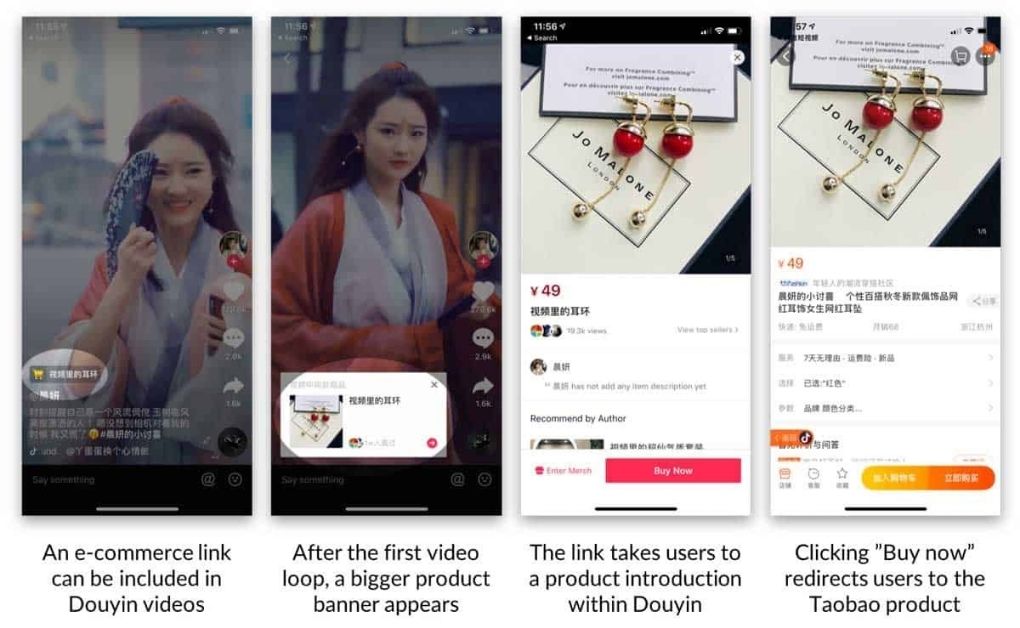
Then, users will just have to click on the link to be redirected to the website and purchase your product.
You can also use what we call “native ads”, which are similar to sponsored posts on Instagram or Facebook, and that appear in users’ feeds.
KOLs: The best way for advertising on Douyin
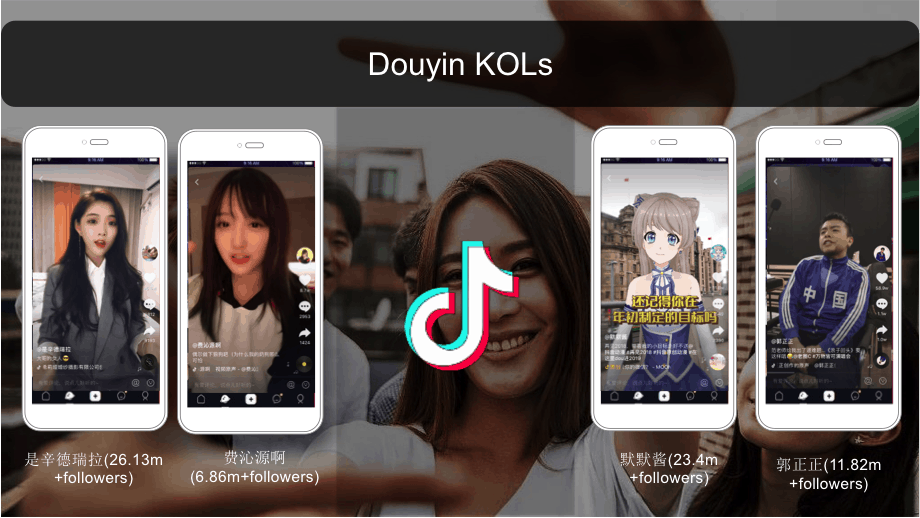
Douyin’s biggest asset is its community of KOLs. These influencers are at the core of brands’ marketing and advertising strategies as they can reach a wide audience. If you plan to use Douyin, you should definitely collaborate with KOLs (you can contact us if you want to find some KOLs).
You can also create a “Hashtag Challenge” in order to gather Chinese users’ attention. By doing your challenge, it will encourage others to do the same, which will increase your popularity and visibility.
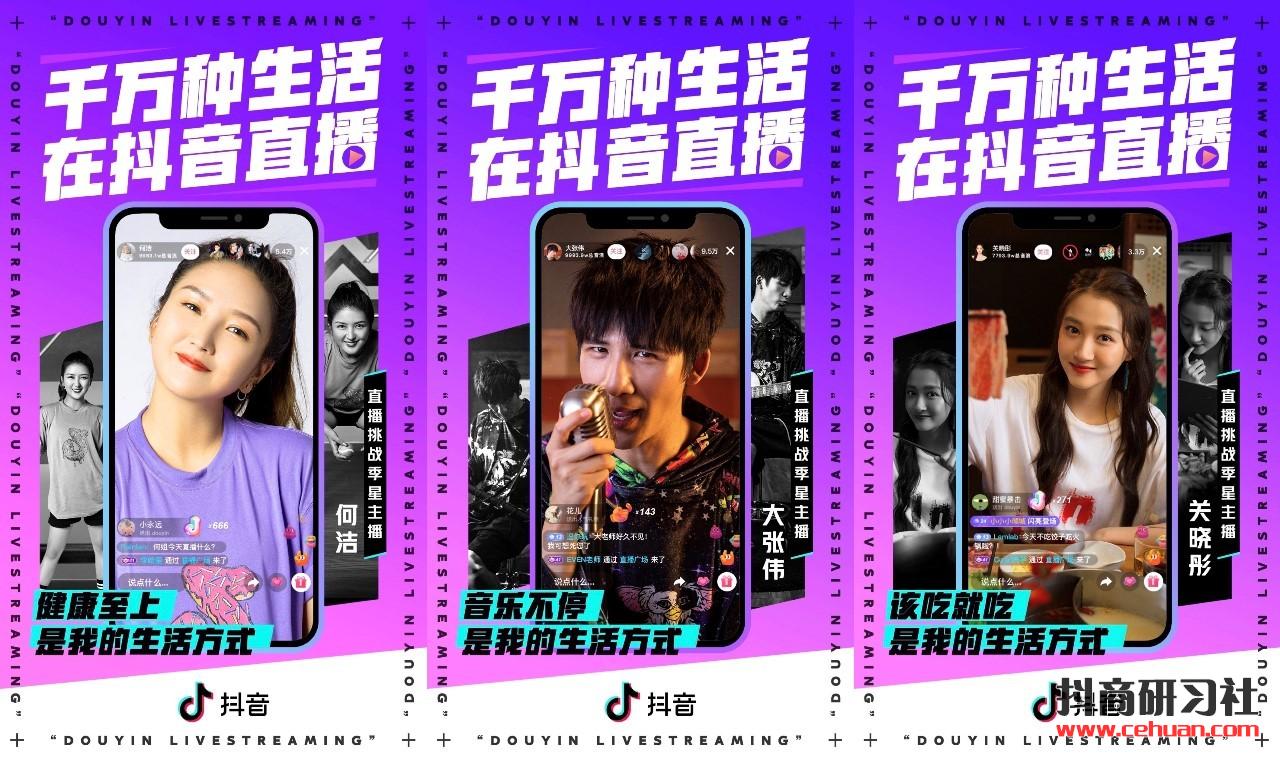
KOLs are also very useful when it comes to live stream, during which they can promote your products, and then their followers can click on the link and purchase your products.
How much does it cost?
In order to define your budget, you have to know that there are three billing methods when it comes to Douyin ads: CPC, CPM, and CPT.
The billing method of CPC and CPM applies to purchases made on the news feed ads, while the CPT method applies to purchases made on the open screen ad.
- CPC (Cost Per Click): Currently, the price of a CPC ad on Douyin is at 0.2 yuan. It means that each time a user will click on the link of your CPC ad, you will have to give 0.2 yuan to Douyin.
- CPM (Cost Per Mille): Currently, the price of a CPM ad is at 4 yuan, which means that you’ll have to give 4 yuan to Douyin every 1,000 clicks on the ad.
- CPT (Cost Per Thousand): For example, the advertisement on Douyin’s opening screen operates according to CPT. If you want to advertise your brand on Douyin’s opening screen, you will have to pay 1 million yuan at least.
- Douyin’s stickers: If you want to create your own sticker on Douyin, you’ll have to pay 300,000 yuan, and it will last 7 days at least (according to your preference).
How to advertise on Douyin efficiently?
- Create lots of content: marketing on Douyin is all about getting lucky with a viral video or creating a buzz. So, you can consider that quantity is just as important as quality on Douyin.
- Select KOLs carefully: since exposure can vary greatly on Douyin, don’t collaborate with a KOL just because one of its posts featuring your products went viral. Instead, you should target those who manage to maintain a consistent number of engaging posts.
- Work with lots of small and medium KOLs: instead of targeting the biggest and most expensive KOLs, you can work with many small KOLs at the same time, hoping that one of their posts will go viral. This strategy usually yields a better return on investment than working with only one KOL.
- Offer your products to KOLs: If you want to increase the number of KOLs talking about your brand (regardless of their popularity), giveaway products are highly appreciated and effective. It won’t be too expensive for you and it will be a great way to gain exposure, as smaller influencers are very likely to feature your products. Although, don’t forget to pay the KOL directly through Douyin’s platform in order for the KOL to put the purchasing link in their video.
Example of Michael Kors’ campaign on Douyin
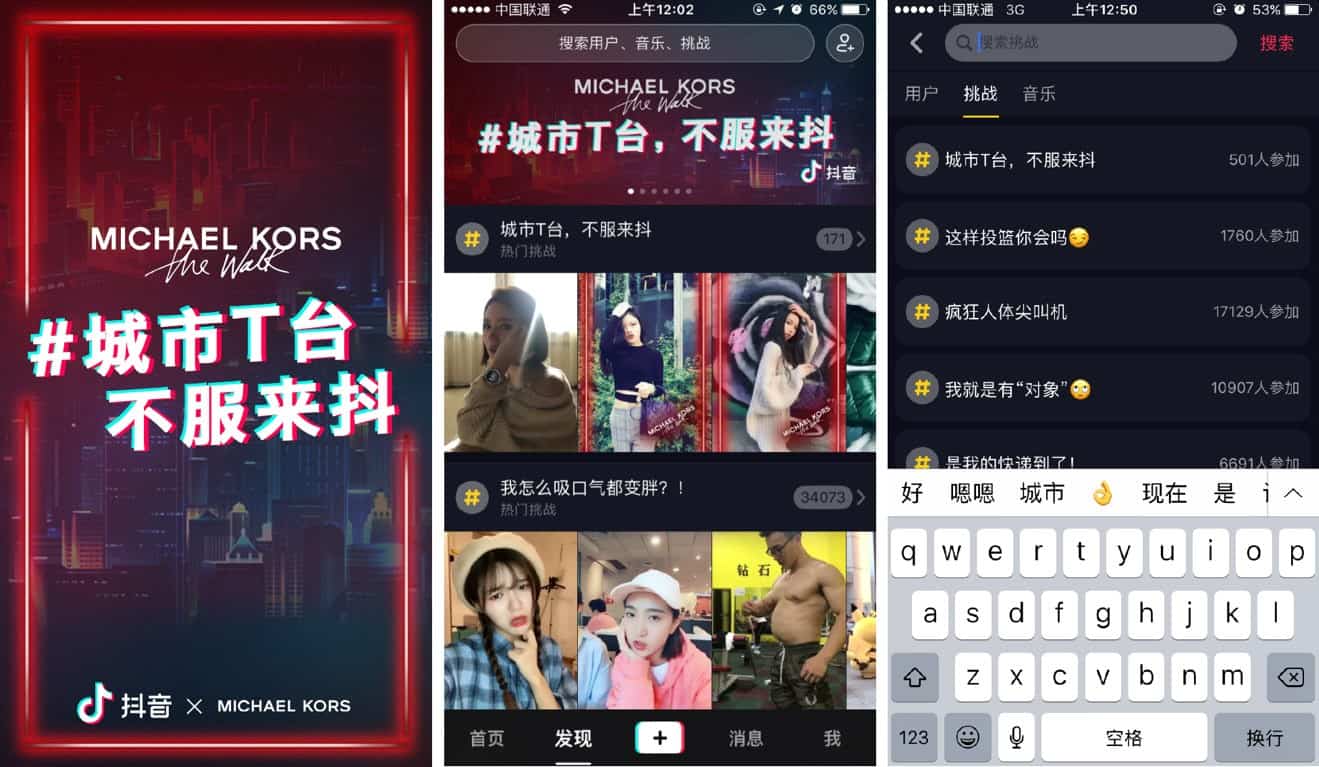
Michael Kors started a “ 城市T台,不服来抖#” themed challenge on Douyin. A challenge is a themed campaign started by any user to encourage other users to post similar, or imitating videos to it. It’s a great way to get UGC. Michael Kors’ challenge collected 30 thousand short videos from the campaign within one week, and the total views of the videos go beyond 200 million. Thanks to this campaign Michael Kors is able to gain a big influence on their brand among Chinese young people.
Get started with Douyin Paid Advertising & Marketing

Gentlemen Marketing Agency is a digital marketing agency specializing in the Chinese market in helping foreign companies to establish or strengthen their position in China. We can help your brand increase sales in China, thanks to our services like:
- Advertising
- Baidu SEO&SEM
- Social Media
- PR
- KOL & Influencers
- E-commerce and cross-border e-commerce
- Distribution
Douyin Full Report Available

We have a Full report about Douyin available on-demand, so do not hesitate to contact us if you want it (team@marketingtochina.com)
- Douyin Ads
- Douyin KOL
- Douyin e-Commerce
- Douyin CPA (CPS)
- Douyin Affiliate