
List of Cereal importer in China
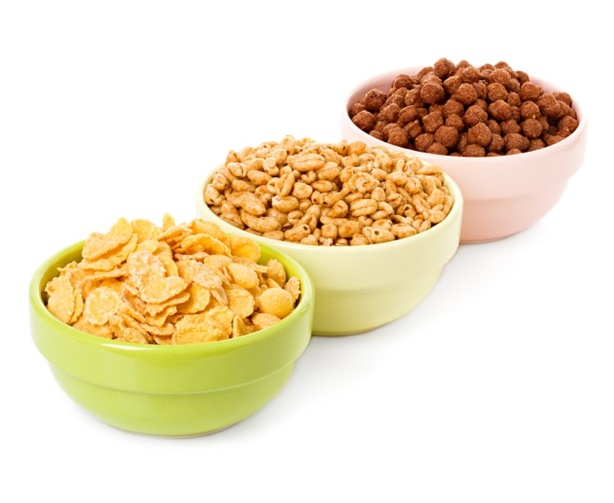
Breakfast cereal market is blooming in china
Local or imported cereals for breakfast or lunch in China are becoming very popular.
Cost-Effective Agency
KPI and Results focused. We are the most visible Marketing Agency for China. Not because of huge spending but because of our SMART Strategies. Let us help you with: E-Commerce, Search Engine Optimization, Advertising, Weibo, WeChat, WeChat Store & PR.
Even if the cereal market remains a small part of the total breakfast market, its growth potential is huge and it’s only the beginning of the cereal market in China!
Western habits are more and more adopted by Chinese consumers and when it comes to breakfast, they also become more willing to consume cereals in the morning for their benefits on health.
Chinese people care a lot more about their health and they want the best products: for cereals, they will pay attention to the nutrition facts of the product to know if it is healthy.
Many food products are imported in China: milk, biscuits, fruits, meat, cereals, … Foreign brands that sell in China benefit enjoys a positive image and perception from Chinese consumers because they are considered as better quality than local products.
How big is the Chinese cereal market?
China’s import of cereals is booming: the demand is in constant growth and consumers want quality. They also ask for quantity (1,4 billion Chinese to feed, it’s a lot!).
And with the withdrawal of the one-child policy, the coming generations will count more children, and thus more potential cereal consumers.
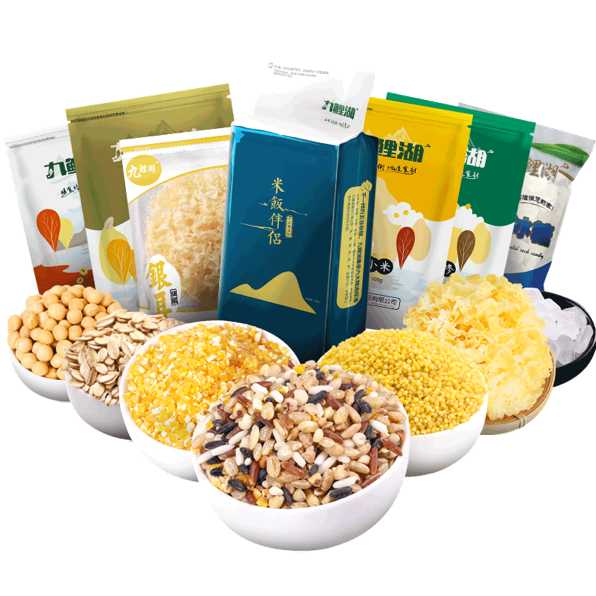
The general and breakfast cereal markets are expanding and will continue to in the next years.
About the breakfast cereal market:
- US$5,844m of breakfast cereal total revenues in 2020
- A market expected to grow by +6,5% annually
About general cereal market:
- A potential rise that will be led by the Chinese middle class
- A preference for cereals including Chinese ingredients (black sesame, goji berries, red dates, …) AND sugar-free products
- US$407 million size market in 2015
- Expected to reach US$855.8 million by 2022 (more than doubled compared to 2015!)
The breakfast cereal market is more concentrated in developed cities. Indeed, urbanized southern and eastern regions represented over 60% of total breakfast cereal sales in 2017-2018.
The top consumer cities in China are the following:
- Shanghai
- Beijing
- Chengdu
- Shenzhen
Many foreign brands already met success in China as Kellogg, PepsiCo, or General Mills. All of these brands contribute to popularize cereal foreign brands and efficiently increase their sales and presence every year.
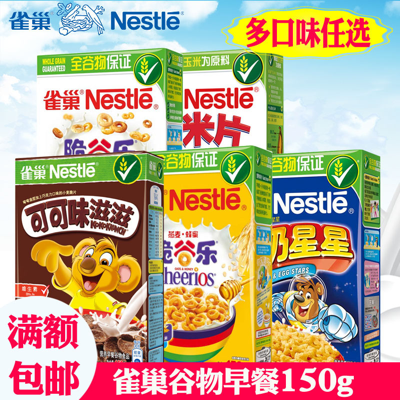
Here are for example some cereals you can easily find in local distributors’ stores or online. With a translated name, those imported cereals are mainly appreciated for their benefits on health and their unique taste.
Cereal importers in China
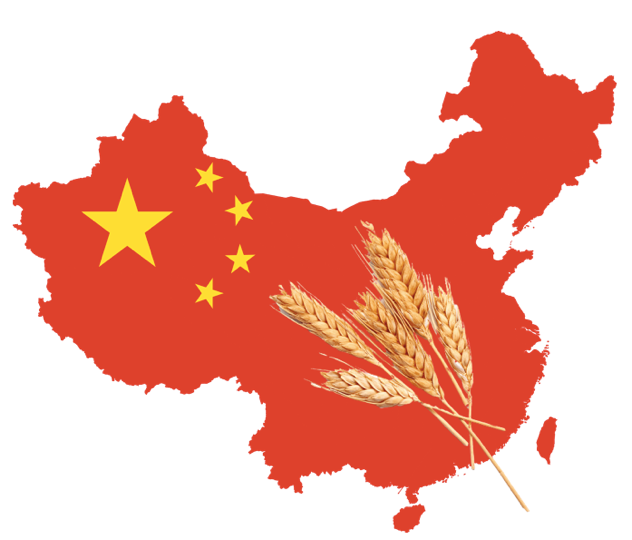
A crucial step when doing business in China: finding an importer that suits your business.
Don’t forget that it can be an importer that will sell your products online AND/OR offline. Over 40% of total breakfast cereal sales are made through e-commerce platforms while 35% are made in supermarkets and hypermarkets.
The big cereal importers in China are:
- China National Cereals, Oils and Foodstuffs Import and Export Corporation (COFCO)
- Xiamen Cannery
- Hangzhou Wahaha Group Corporation
- Fujian Cereals, Oils and Foodstuffs Import and Export Group Corporation
- Wuhan Zhongbai Group Company Ltd.
- First Investment and Merchant Company Ltd.
- Anhui Huangshan Foreign Trade Corporation
- Jiangsu Cereals, Oils and Foodstuffs Import and Export (Group) Company
- Shaanxi Cereals, Oils and Foodstuffs Import and Export Corporation
- Dalian Qifeng Trade Co.,ltd
- MASOO AGRICULTURAL PRODUCTS(DALIAN)CO.,LTD.
- Dalian Gaochang Machinery Manufacturing Co.,Ltd
- HEBEI SHERO MANUFACTORY CO.LTD
- Tianjin Wonderful Imp.&Exp. Trading Co.,Ltd.
- Lianyungang United Products Development Co.,Ltd
- Junan Xiangsheng Imp.&Exp. Co., LTD
- Ahcof Industrial Development Co.,Ltd
If you need help, contact us

Hello
We are a Chinese retaillers and we have offline and online store on Tmall. We would like to partner with cereal bars brands, Breakfirst cereals Brands to resell in China.
Contact me with detail information to partner with us.
Sam Wu
I have a cereal and snack product that we would like to distribute in Vhiba. The product us international well know.
I have a cereal and snack product that we would like to distribute in China. The product us international well know.