Skip to content

5.4 million Cups of Moutai-flavored Luckin Coffee Were Sold in One Day
Updated

5.4M
cups sold on launch day
Co-brand
two icons, one viral moment
Buzz
social media turned it into a frenzy
China food and beverage market in 2026, infographic by SEO Agency China

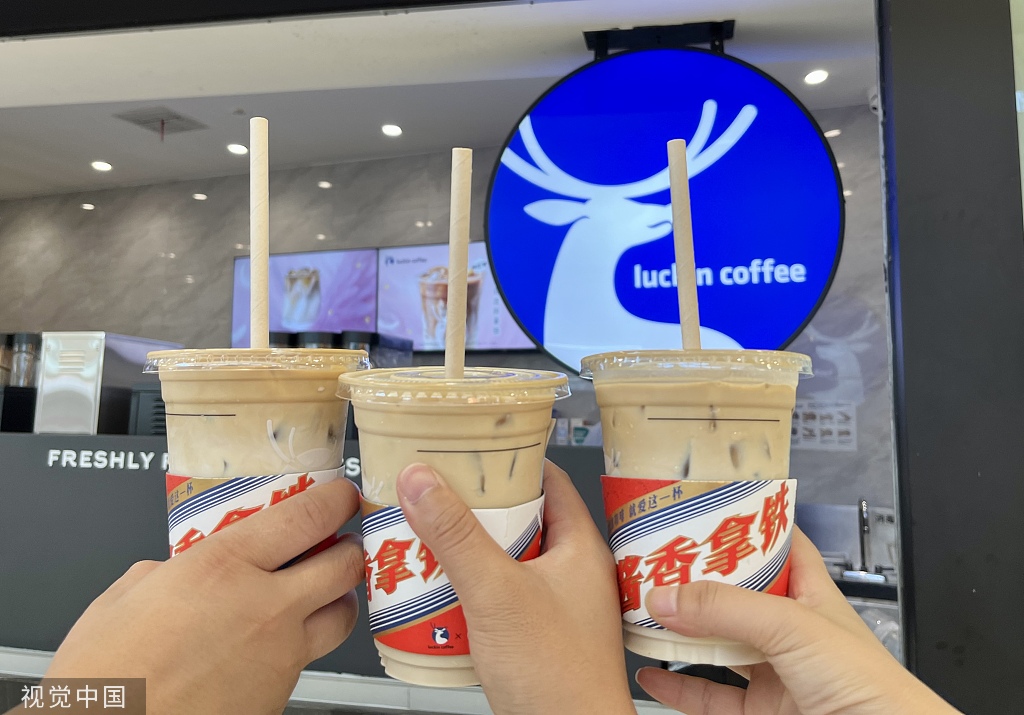
Incredible story in China, in a single day, a whopping 5.42 million Moutai-flavored lattes from Luckin Coffee flew off the shelves!

Quick hello. I am Jon Wang, and I help foreign brands create viral moments in China. Luckin selling 5.4 million Moutai-flavoured coffees in a day is a co-branding masterclass: two beloved names, a limited drop, and social media doing the rest. Whatever you sell, the playbook applies. Here is what made it work and how to borrow it.

It is a New Coffee style…

Luckin Coffee’s latest offering, launched on Monday, quickly turned into the go-to drink for its patrons.

The collaboration between Luckin and Moutai clearly struck gold, garnering impressive sales figures and capturing the public’s imagination.
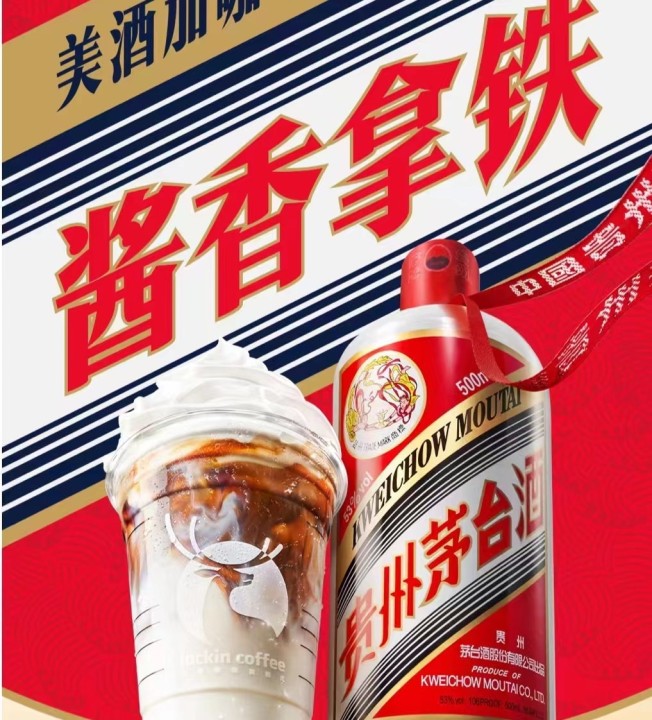
The beverage, resulting from a partnership with the famed Chinese liquor brand Kweichow Moutai, raked in over 100 million yuan (US$14 million) on its debut day. source

This marks a significant achievement for Luckin, especially considering their 2021 fraud incident. As of the end of June, Luckin boasts 10,836 stores on the Chinese mainland, surpassing Starbucks’ count of 6,480.

As young consumers increasingly opt for diverse flavors, coffee and tea drinks shine brightly in the consumption landscape. source

Data from Euromonitor International suggests that the trajectory for specialist coffee and tea stores like Starbucks, Luckin, Tim Hortons, Heytea, and Naixue is promising. Projected sales for these specialty shops in China are set to leap from 120 billion yuan in 2023 to an astounding 283 billion yuan by 2027

In 2023, the Coffee industry saw earnings of US$1.7 billion. There’s an anticipated growth rate of 7.58% annually from 2023 to 2028. When compared globally, the U.S. leads in revenue, raking in US$11 billion in 2023 alone. Based on the total population, the revenue per individual is projected at US$1.16 for the same year. Coffee consumption is slated to reach 92.8 million kg by 2028, with a projected volume increase of 4.6% in 2024. On average, each person is expected to consume about 0.05kg of coffee in 2023.
Read more: China’s coffee industry is

https://seoagencychina.com/the-latest-coffee-trends-in-china

What the 2026 data says

The Luckin and Moutai collaboration shows how China rewards smart co-branding: pair two trusted names, create a limited-edition moment, and let Xiaohongshu and Douyin turn it into a frenzy. Scarcity, surprise and shareability drove millions of sales in a single day. For foreign brands, a well-matched local partner and a social-first launch can do the same.

LeverWhy it mattersYour move
Co-brandingBorrowed trustPick a complementary partner
ScarcityDrives urgencyUse limited editions
ShareabilityFuels reachDesign for social
TimingMoment mattersPlan the launch wave

How we build viral moments in China

We are a small Shanghai team, and we built our name turning clever ideas into real buzz and sales. We find the right partner and angle, then run a social-first launch that spreads. See how our China market service works for food and drink brands, then get in touch through our contact form. Friendly team, fair prices, real results.

Pop Mart and McDonald’s prove the playbook still works in 2026

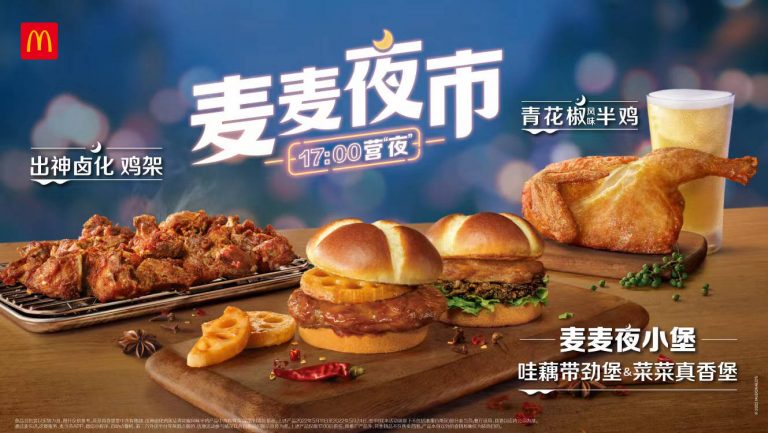
The Luckin x Moutai trick keeps paying off for other brands. In May 2026 Pop Mart put its Twinkle Twinkle characters into a McDonald’s China tie-up, and stores saw long queues and a wave of posts within days. Some of the co-branded toys soon resold for more than 30 percent above their store price. The Twinkle Twinkle line had already pulled in 390 million yuan globally in the first half of 2025, so a fast-food partner just poured fuel on a fire that was already burning. For a foreign brand, the read is simple: a limited drop with the right local partner can turn a normal product into a thing people line up and pay extra for. source.

What Chinese pros say on Zhihu

One long-running Zhihu thread asks people to name the co-branding tie-ups that actually worked, and the top answers keep circling back to one idea: fit beats fame.

Q: “What are the most classic or most successful brand co-brandings you have seen?”

A (translated): “Take the 2021 Genshin Impact and KFC tie-up. Buy the 59 yuan combo and you got a game gift; at 16 themed stores, say the secret phrase and you got a pair of collab badges, only 90 pairs per store per day. Fans queued all night outside KFC. The point is that the two brands shared the same kind of audience and the same tone. A higher match is what lets both sides earn the most from a crossover.”

That matches what we see: the partner has to share your buyer, not just bring a big logo. Read the thread on Zhihu.

The opportunity, and how to take it

So the gap is open: most foreign brands in China never try a crossover, while local players run several a year. A good tie-up does two jobs at once. The buzz feeds an e-commerce store while you sell the limited drop, and the same attention pulls in B2B leads from distributors and retail buyers who now know your name. We are a small Shanghai team, Chinese-native, and we care about sales and real leads, not vanity metrics. We keep prices fair so smaller brands can afford to try. If you want a crossover that sells, talk to us.

Sources: market data from China Briefing and Daxue Consulting.

Jon Wang is a pragmatic, China-focused consultant with hands-on experience in Chinese e-commerce, distribution and digital marketing, always focused on practical solutions for smaller brands and tighter budgets. Connect with Jon on LinkedIn.

Leave a comment

Your email address will not be published. Required fields are marked *

Let's talk

Discuss your China project

Tell us the goal and we'll send a proposal. No obligation.