
McDonald’s adapts to its Chinese customers
McDonald’s, like other American institutions, is adapting to the fast-paced Chinese lifestyle by incorporating new menu items that cater specifically to Chinese tastes. The chain is offering dishes such as rice burgers and soy chicken nuggets, which are expected to be a big hit with the country’s 1.3 billion residents. McDonald’s executives believe that the company’s efforts to localize its menu will help it maintain its dominant market position in China.
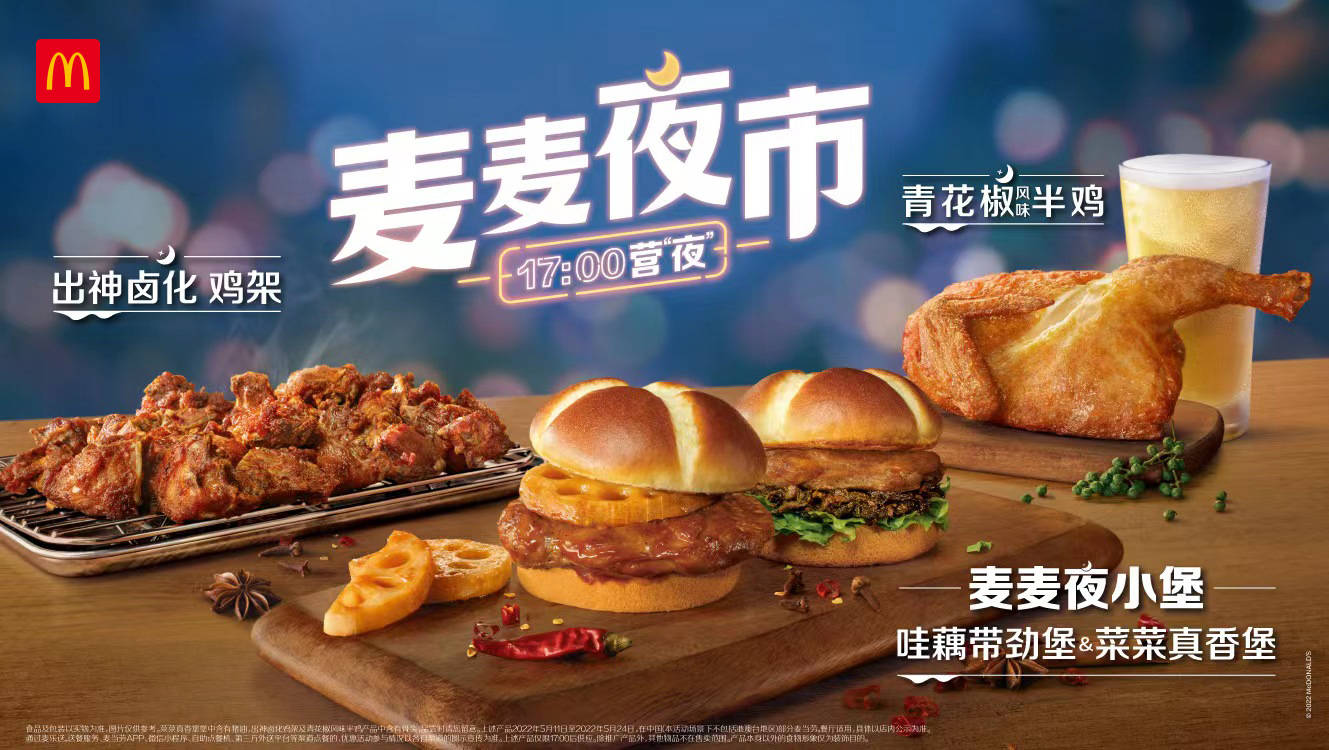
McDonald’s launches “night mode” to tap into China’s “night economy”.
McDonald’s has activated its platform in China. It is a new feature called “Maimai Night Market”. This is an attempt to capture part of China’s “night economy”. The “night mode” has been made available via the McDonald’s app, and the brand’s WeChat program.
Cost-Effective Agency
KPI and Results focused. We are the most visible Marketing Agency for China. Not because of huge spending but because of our SMART Strategies. Let us help you with: E-Commerce, Search Engine Optimization, Advertising, Weibo, WeChat, WeChat Store & PR.

The special late-night menu features new localized offerings, including a small lotus burger and seasoned chicken tenders. It also features its signature dish, green pepper chicken. These dishes can be added to traditional menus for a cost of RMB 18-59 ($2.68-$8.78).
Nightly promotions are available from 2:30 pm. Full contactless services, including in-store collection and delivery, are available from 5 pm daily. Offline shops, designated online marketplace pages, and offline shops will switch to night mode for a more immersive experience for late-night foodies.
The night special is believed to be another step taken by McDonald’s China “to meet the Chinese government’s call for consumption,” according to Xu Cong (general manager of marketing, McDonald’s China) after the introduction of its main breakfast and daytime meals.
“We aim not only to meet Chinese tastes but also the needs of social sharing among Chinese consumers through the mix of Western and Chinese food,” Xu said. “At the same time, we can also extend the dining period by leveraging the ‘night economy’ and thus accelerate the nation’s consumption recovery through a new model.”
China’s “night economy”, which accounts for 60% of total retail sales in China, is estimated to have reached 30 trillion RMB ($4.47 trillion) by 2020. It is expected to reach RMB 40 trillion ($5.95 trillion) by 2022. This shows its importance in driving the country’s economy. It also highlights the potential that market players can tap into. McDonald’s would be able to launch an overnight market in China, allowing it to expand its presence in China with its innovative products and delight local taste buds.
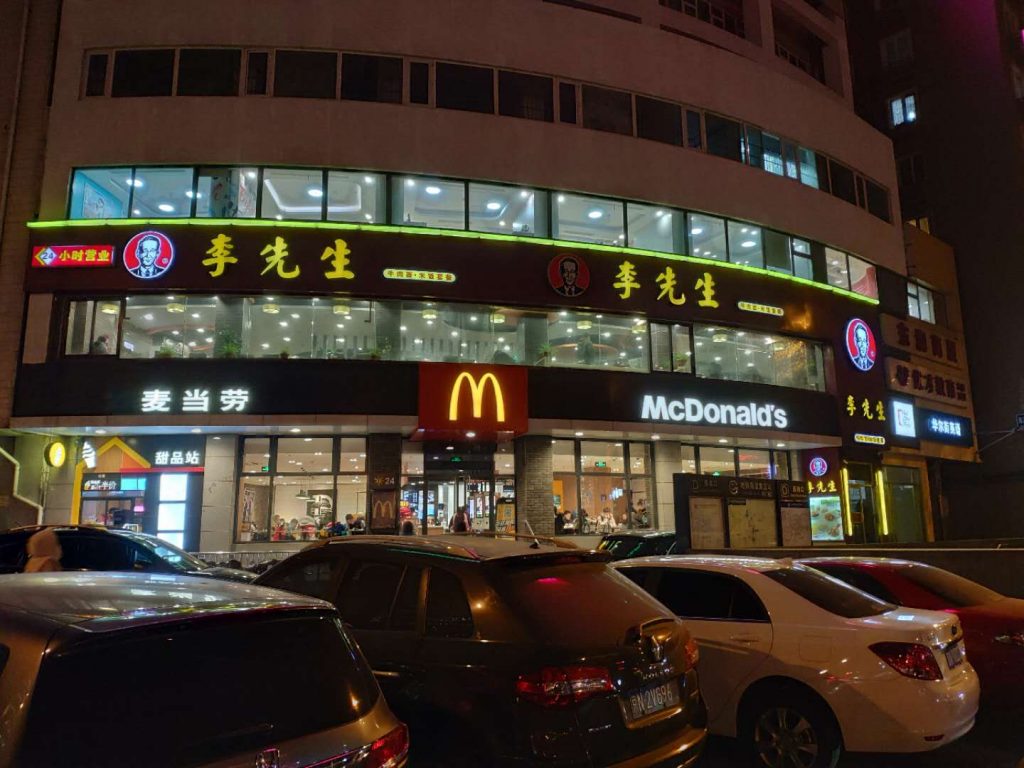
McDonald’s China offers flavors for its Chinese customers
The triple cheeseburger with thick Angus beef
McDonald’s is offering a new Triple Cheese Angus Thick Burger from China in its Angus MAX Burger range.
The Triple Cheese Angus Thick Beef Burger is made with a thick Angus beef patty and topped with cheese sauce, cheese sticks, and a slice of cheddar cheese. You can also purchase additional cheese sauce to pour over your burger, creating a waterfall effect.
Participating locations in China now offer the Triple Cheese Angus Thick Beef Burger.
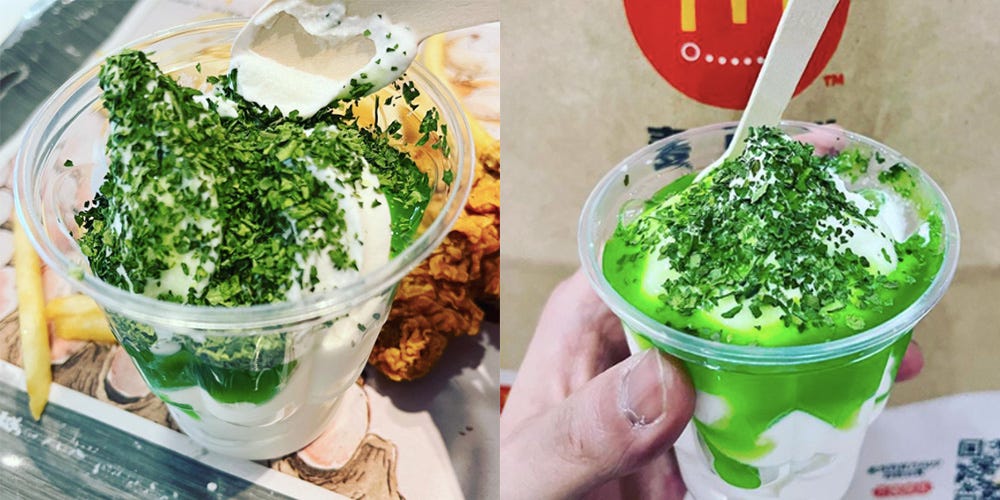
The Cilantro Ice Cream Sundae.
Cilantro (or cilantro) is not something you would expect to find in your favorite McDonald’s dish. However, in China, it seems to be.
McDonald’s offers a wide variety of international items and different combinations with unique flavors.
McDonald’s China has introduced a limited edition Cilantro Sundae as part of a promotion.
According to the McDonald’s website, the dessert is made of soft ice cream, tangy lime sauce, and cilantro.
While this may seem off-putting to some, some people shared their delight on Twitter.
One user described the taste as mint.


Are the Chinese people not aware that Mcdonald’s has been shown as being implicated in crimes against Humanity, Child Trafficking and feeding Human Remains in their food in USA. They are being closed down worldwide.
https://beforeitsnews.com/crime-all-stars/2021/08/mcdonalds-chain-closing-globally-human-meat-body-parts-found-in-food-2492993.html
https://www.israellycool.com/2020/06/28/report-antisemitic-video-of-rabbi-speaking-about-putting-human-parts-into-mcdonalds-beef/