
Chinese Importers are searching to buy pork
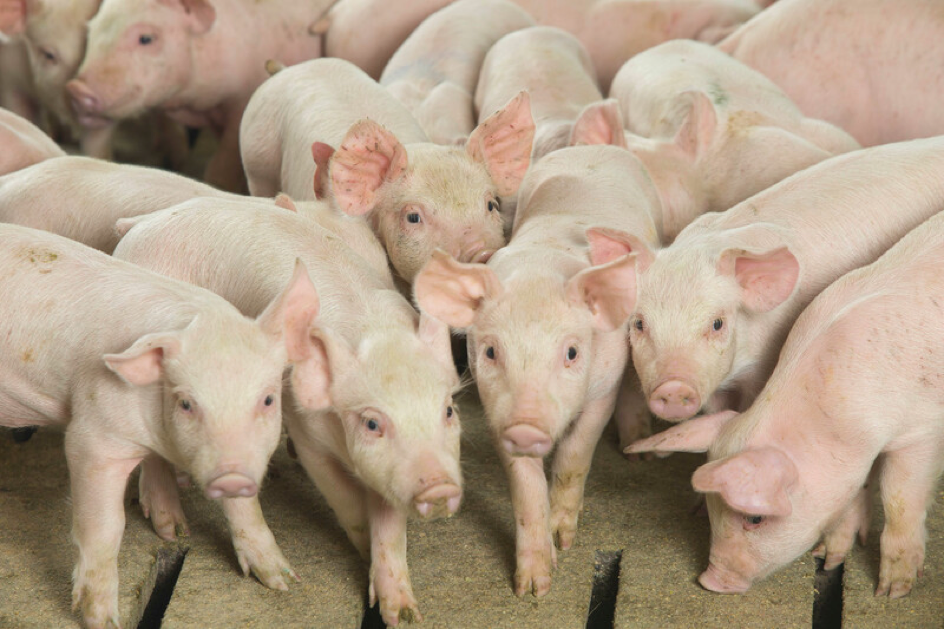
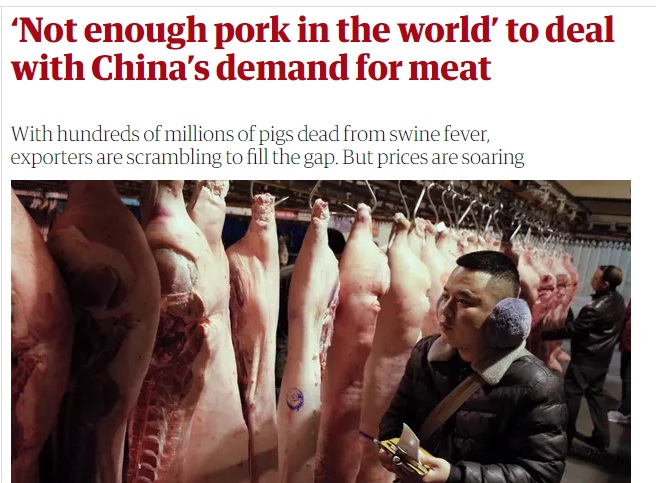
The price of the Pork double in China, and a lot of Chinese imported are searching to buy pork from oversea. You will find also a list of food importers in China.
Cost-Effective Agency
KPI and Results focused. We are the most visible Marketing Agency for China. Not because of huge spending but because of our SMART Strategies. Let us help you with: E-Commerce, Search Engine Optimization, Advertising, Weibo, WeChat, WeChat Store & PR.
The Chinese growing pork demand
Food consumption in China evolved a lot in terms of quantity and quality.
The Chinese population has risen a lot until today to reach 1.4 billion inhabitants bar. Obviously, the local demand for food also rose, but consumption habits are more demanding than before.
To fulfill this huge demand, China imports foreign products a lot. For example, China imports important quantities of bottled water, alcohol, and meat from abroad.
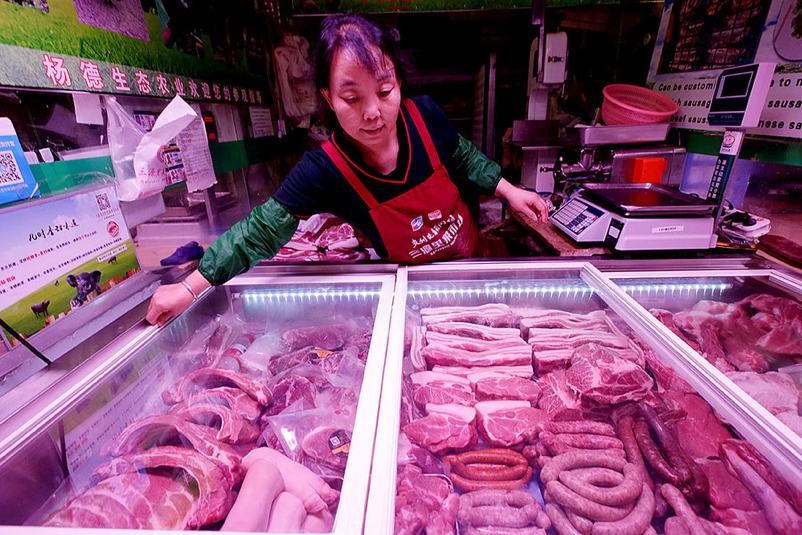
China’s meat market is huge and booming nowadays! Knowing that about 30% of the world meat consumption is by China, meat producers can’t ignore this market.
And pork producers are the ones who should think twice about the Chinese market. Indeed, pork is the Chinese’s favorite meat: pork represents over 80% of the meat market in China!
Moreover, since Chinese people are more willing to eat healthy products, they tend more to consume basic products like meat, fish, or fruits and vegetables. And guess what? Today, Chinese people eat more meat than ever and the trend isn’t over.
You will easily understand how big the pork market is in China by taking a look at the following numbers…:
- About 2 million tons of pork imported in 2019
- +67% of pork import in 2018
- Pork price continuously increasing with local inflation
- Over $150 billion of pork products retail sales value in 2019
- And is expected to surpass $160 billion in 2020!
- The total market size of $209billion
Foreign pork brands success in China
Many foreign pork brands and exporters are succeeding in China today.
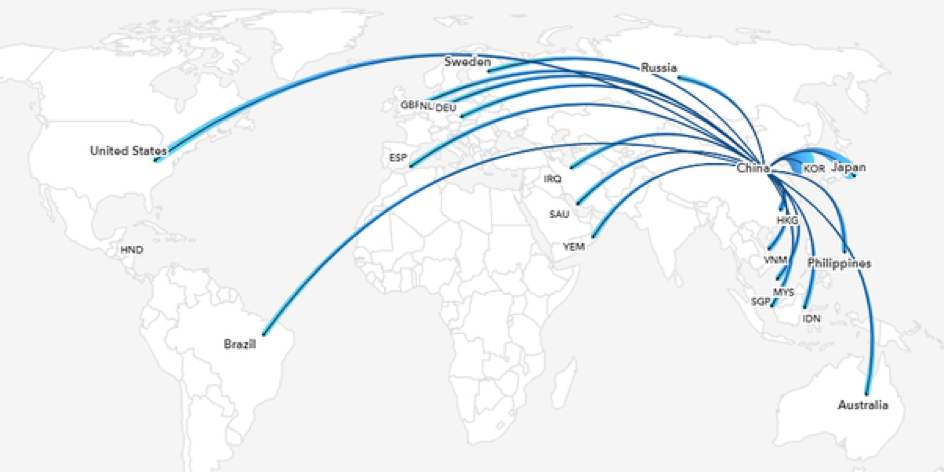
Brazil is China’s meat supply leader while European Union countries are exporting more and more pork to China.
This can be explained by the willingness of Chinese consumers to purchase foreign products over local products because they perceive them as better-quality products and the rising Chinese middle class that can more easily afford to eat meat on a daily basis.
This market expansion is as big as fast. If we look back at the numbers in 2019, Germany was China’s first pork supplier with a market share of 19%. But it was then surpassed by Brazil that had at this time a pork export volume rise of +208% on a year-on-year basis!
Yes, China asks for huge quantities of pork at a steady pace.
Importers are looking for you!
Chinese importers are constantly looking for new business partners to provide them high-quality products and new competitive products that will be different from the products already existing in the Chinese market.
By the way, it is certainly the best opportunity for your business:
-In 2019, pork sales accounted for the highest value in the Chinese meat market!
-And China cut tariffs on about 860 products, including frozen pork, making easier for meat exporters to supply China’s meat demand
-A recent pork shortage episode in China in 2019 after the huge rising demand that reveals China’s pork needs
Facilitated steps for importations, a product that is highly demanded, with a rising price, what are you waiting for?
If you are decided to deal with China and extend your business, feel free to contact us.
You need us

We are the Seochinaagency team, and we will help you to get in contact with the right pork importer in China depending on what you want to do, your production capacity but also your needs as a company.




I am a rising piggery owner, breeding more than 100 sows, I intend to create a Chinese business partnership, by exporting pork carcass to China. I want a partner whom I can supply with pork or bacon as per his/her business demand.
regards
Reuben Majeremane
+267 71758036
Botswana