How to target automotive firms in China?
In 2024, China’s automotive industry remains one of the most significant and dynamic in the world, shaped by its rapid technological advancements, regulatory policies, and market trends.

Cost-Effective Agency

KPI and Results focused. We are the most visible Marketing Agency for China. Not because of huge spending but because of our SMART Strategies. Let us help you with: E-Commerce, Search Engine Optimization, Advertising, Weibo, WeChat, WeChat Store & PR.

What Automotive CEO & Top manager should know about the automotive industry in China for 2024:

  1. Electric Vehicle (EV) Sales: China continues to lead the global market in electric vehicle sales. As of 2024, it’s estimated that EV sales account for over 50% of all new car sales in the country, reflecting strong government support and consumer interest in sustainable transportation.
  2. Total Vehicle Production: China’s total vehicle production remains robust, maintaining its position as the largest automobile producer in the world. The total production numbers for 2024 are expected to exceed 25 million units, demonstrating a recovery and growth trend following any slowdowns due to the pandemic.
  3. Market Penetration of Autonomous Vehicles: The deployment and acceptance of autonomous vehicles have been increasing, with China aiming to become a leader in this technology. By 2024, several cities in China have begun implementing and testing Level 4 autonomous public transportation services.
  4. Government Regulations: The Chinese government continues to enforce and introduce new regulations aimed at reducing carbon emissions. These include stricter emission standards for combustion engines and incentives for manufacturers and consumers to switch to electric and hybrid vehicles.
  5. International Exports: China’s automotive exports have seen significant growth, with Chinese brands increasingly recognized in international markets. In 2024, China exported over 2 million vehicles, marking a new high as Chinese automakers expand their global footprint.
  6. Growth in Luxury Vehicle Market: The luxury vehicle segment has shown notable growth, with a surge in demand among China’s expanding affluent class. Brands like BMW, Mercedes-Benz, and domestic luxury marques like NIO and Li Auto have reported strong sales figures in 2024.
  7. Innovation in Battery Technology: Advances in battery technology and manufacturing capacity have helped Chinese EV manufacturers reduce costs and increase the range of their vehicles. China remains a global leader in battery production and innovation, focusing on solid-state and improved lithium-ion technologies.

These key data points illustrate the vibrancy of China’s automotive sector in 2024, highlighting its leadership in electric vehicles, innovation in autonomous driving

September’s 2022 sales in China reached 2.61 million units. A year-on-year increase of more than 25%.

It is also predicted that EV/Hybrid vehicle sales will represent 1/4 of total sales for the year 2022. Pushed by a growing number of dedicated infrastructures (4 million charging units) and government incentives (tax wave, free parking hours in some cities…).
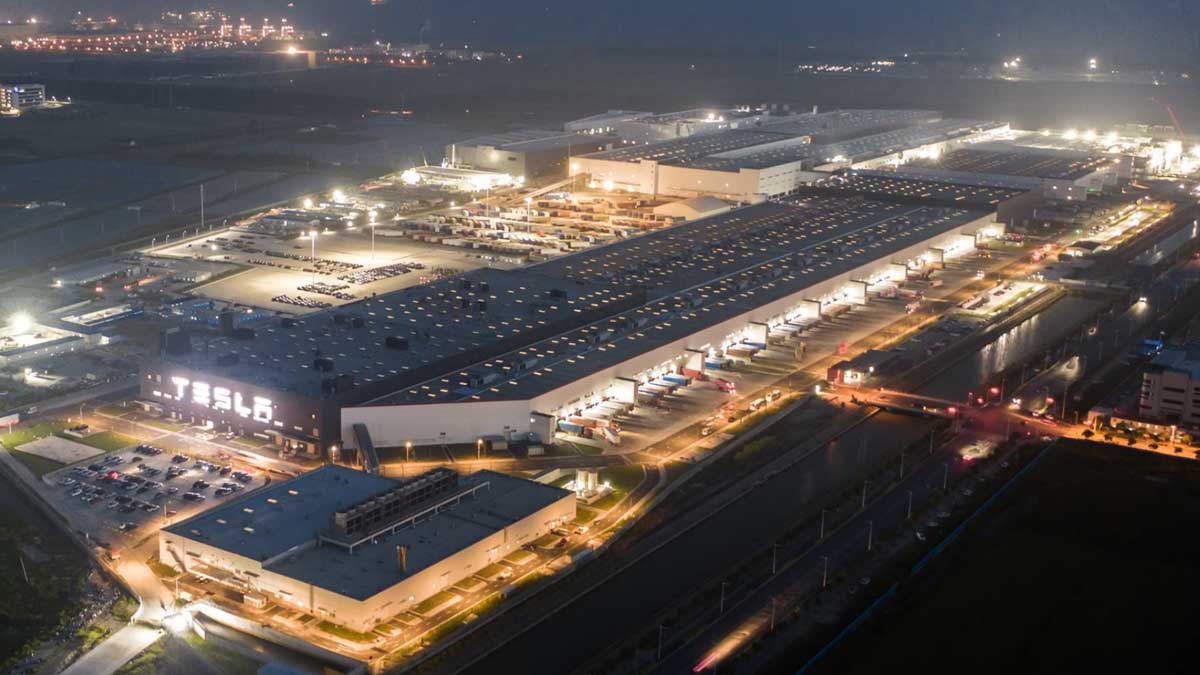
As an illustration, since Tesla started its production in their mega factory in Shanghai, the company produces more vehicles than anywhere else.

New trends are also emerging. Car rental boomed during the summer of 2022. People trying to gain some freedom back after harsh lockdowns. For their vacation this year, they preferred driving by themselves. Avoiding the pain of taking public transportation requiring passengers to provide a 24 hours PCR test. Not to mention the risks of being a close contact, leading to quarantine. RV is thus gaining popularity lately as well.

Opportunities for automotive suppliers still seem to have a rosy future in the Chinese market.

That being said, the competition is fierce. If you are looking to sell your products to automotive firms in China, you’d better buckle up.

You can imagine easily many are racing to reach these companies in China.

To succeed and give yourself a chance, you have to stand out from the crowd.

Don’t count on approaching the automotive firms with phone calls or mailing out of the blue. They receive countless solicitations every day, they won’t give a damn.

You also need to understand that most of the time they already have secured trusted suppliers. If they have new needs, they will do their research by themselves.

The key is to make you visible online, so they can find you by themselves, but how?

Forget Google. The Chinese internet is closed because of the great firewall. To be visible you need to focus your effort on Baidu (the first Chinese search engine).

In their research, they will never use English. Being in China they will use Chinese.

You need to:

-Have a dedicated website for the Chinese market
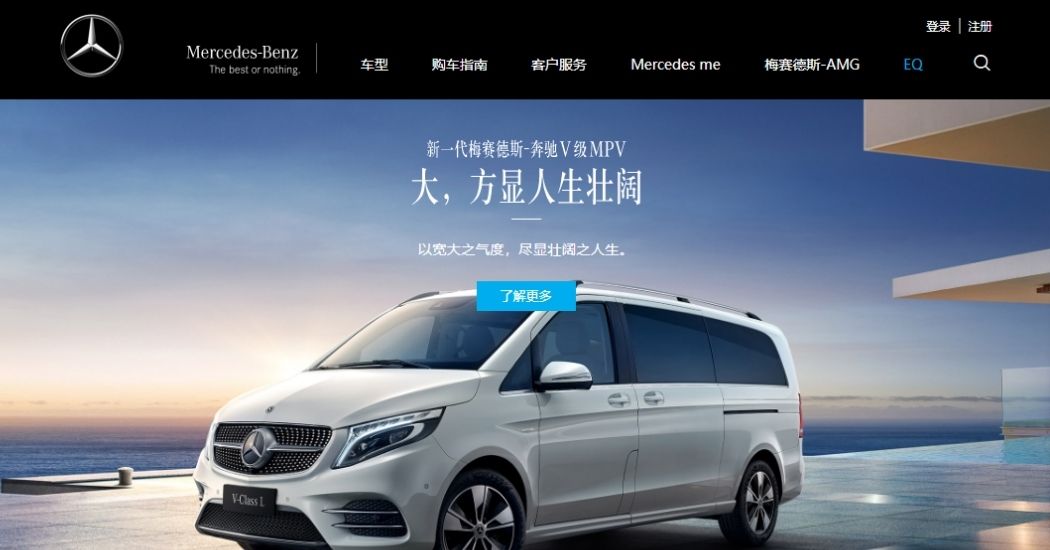
*In Mandarin: translation and content localization must be a top priority.

*Hosted in China (or Hong Kong or Singapore), it has to be geographically close to avoid being blocked by the firewall. Your website must be fast to download.

*Submitted to Baidu

*Optimized for China: forget links to Linkedin, Google maps…+ make sure it can support different reading formats (cf. phone).

*The architecture of your site should also be adapted to the preferences of local users.

*It has to have a good design and professional valuable informative content.

Don’t forget, your website will be the first showcase of your company. Buyers must want to spend some time on it. The longer they stay, the better chance they will want to contact you.

-Using SEO and PPC to make your site easily findable and visible

The law of the Jungle applies in Baidu. The strongest will dominates.

Automotive purchase managers

When buyers do their research on Baidu, they will not spend too much time. They will select the first suppliers on the first page.

To be visible to their eyes and have a chance to be contacted you have to get a strong referencing strategy, so your website appears on the first page.

Baidu SEO will help you to reference naturally your website if you select the right keywords.

It takes time, up to several months of work and adjustments to reach the first page. But the results are sustainable over time.

The second option is to use Baidu PPC. The pro is that you can get quick visibility. Con is that once your budget has been spent, the visibility stops. Still, Baidu PPC can help to boost your website ranking at the very beginning.

-A strong reputation: the holy grail

Reputation will be your best asset in China.

No matter how big you are, how famous you are. You will be seen as a newcomer in this market. No matter how good your reputation is outside of the country.

When buyers find you, the first reflex will be to check how reliable you are and how you are perceived in the Chinese ecosystem, not abroad.

You have plenty of options to build an efficient reputation:

*Press releases:

Having online specialized media in the automotive industry publishing insights about your company, sharing your innovations, and your experience is highly valuable and impactful. Indeed, buyers have a deep trust in their media, unlike Westerners. In China, it will help build your trust rank.

*Specialized forums:
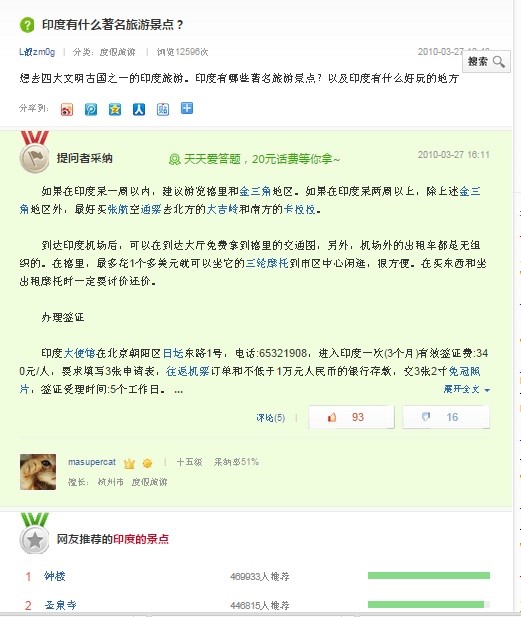
Nothing is more convincing in the eyes of Chinese buyers than having feedback and advice from their peers. Having users or professionals in the industry who shares a positive experience with you and your product, will also bring you a big help in building trust with buyers.

*KOL: a.k.a. Key opinion leaders

In China, Key opinion leaders are a thing. Each industry has its pool of KOL and their influence is undeniable. Having a top expert in the Chinese automotive industry praising your company and products’ qualities can bring a bigger awareness of your company and help you reinforce your reputation.

-The ubiquity of social media

Even if in the west social media are mostly associated with leisure and private life.

In China, they are integrated into people’s everyday life, professionally and privately.

WeChat

WeChat is definitely THE app you cannot live without in China. Payments, communication, PCR test results, and news platform…are only the first uses that come to mind, enumerating all its functions will make your head spin.
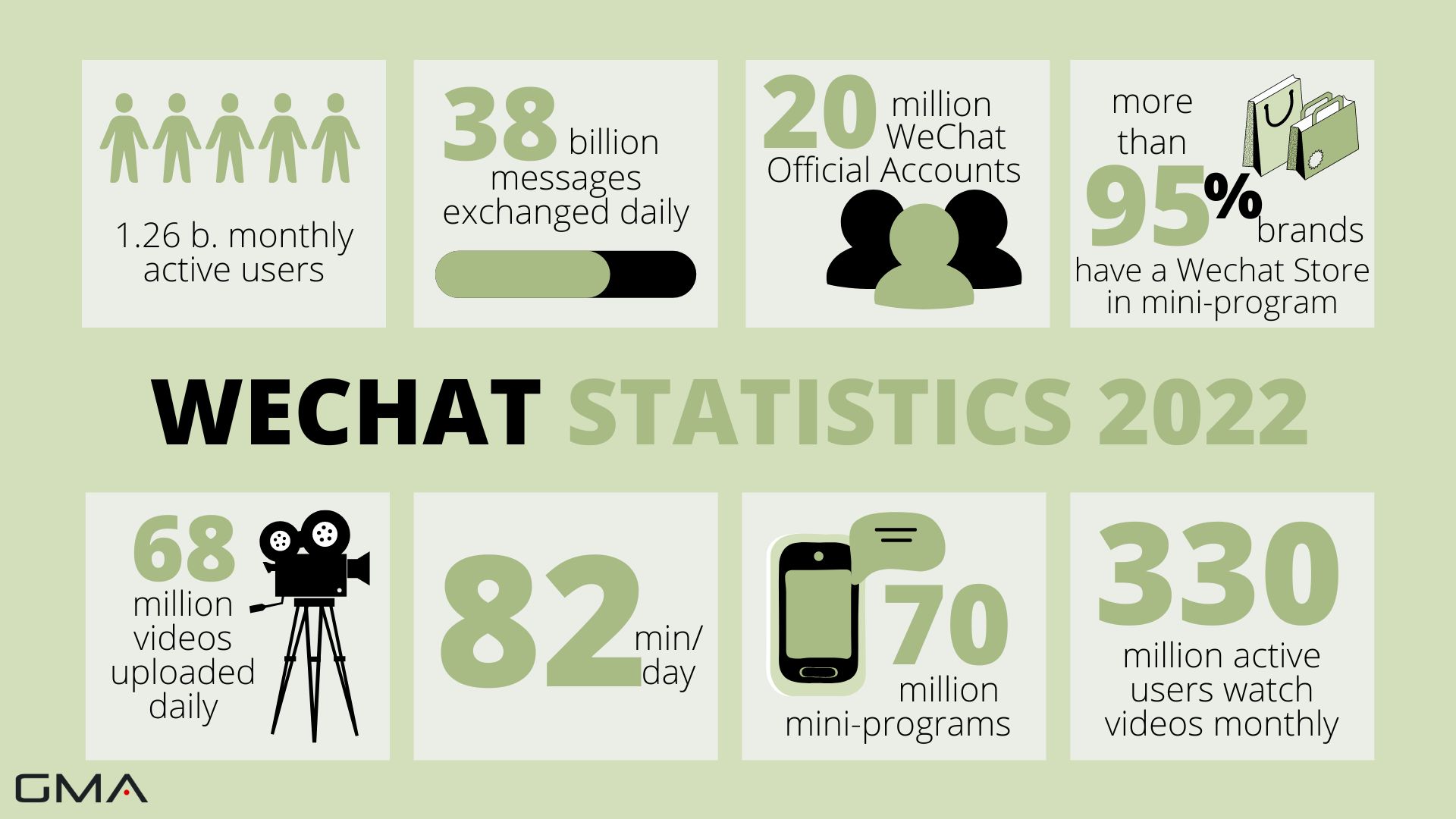
Every serious business in China has an official account on WeChat. Allowing buyers to get all info they need about you at a fingertip (contacting you, following your news, and sharing your info easily…). It helps you build your image and nurture your prospects.

As uses of social media continue to merge between private and professional life. As buyers are getting younger, we’ve seen recently new emerging tendencies to use short video platforms such as Douyin (Tik-Tok) being used by B2B companies to reach those new young social media-raised buyers.

Video on Douyin

Promoting innovation in the automotive industry via video on Douyin (TikTok in China) can be an effective strategy, especially considering the platform’s massive reach and the interest in new technologies among its user base. Here’s a guide on how to do it, along with some tips to maximize your impact:

Explanation: Why Douyin for Automotive Innovation?

Douyin is one of the most popular social media platforms in China, with hundreds of millions of active users. It’s particularly popular among younger demographics who are often early adopters of new technology and trends, making it an ideal platform for promoting innovative automotive products like electric vehicles, autonomous driving systems, or new car-sharing services.

Tips for Creating Effective Douyin Videos:

  1. Showcase the Unique Selling Points (USPs):
    • Focus on what sets your automotive innovation apart. If it’s an electric vehicle, highlight features like battery life, charging time, environmental benefits, or smart features. Make sure these USPs are clearly shown in the video.
  2. Use Engaging Visuals and Effects:
    • Douyin is a visually driven platform. Use high-quality video production, engaging graphics, and visual effects to catch the viewer’s eye. For example, use animations to explain how new technology works within the vehicle.
  3. Incorporate Popular Music and Sounds:
    • Leverage Douyin’s extensive library of popular tracks and sound effects. Music can enhance the emotional appeal of your video and increase its chances of being shared.
  4. Keep it Short and Sweet:
    • Douyin videos are typically short. Aim for 15 to 60 seconds, making sure to capture attention in the first few seconds. A concise, impactful message works best.
  5. Leverage Influencers and KOLs (Key Opinion Leaders):
    • Partner with influencers who have a following in automotive or technology niches. Their endorsement can lend credibility to your innovation and help reach a broader audience.
  6. Include a Call-to-Action (CTA):
    • Encourage viewers to learn more by visiting a website, signing up for a test drive, or following your Douyin channel for more updates. Make the CTA clear and compelling.
  7. Optimize for Virality:
    • Encourage sharing by tapping into trends, using relevant hashtags, or creating challenge campaigns that invite user participation. For instance, challenge users to show their daily commute or their dream car features.

Do you need a Automotive B2B agency in China?

SEO Agency China is a marketing agency based in China, known for its specialization in B2B marketing strategies and extensive experience with Chinese social media platforms, including Douyin. Here’s an overview of how we could potentially leverage Douyin for B2B marketing, tailored to the unique dynamics of the Chinese market:

Our Approach to B2B Marketing on Douyin

  1. Video Strat:
    • Educational Content: We can create videos that educate their audience about industry trends, technological advancements, or best practices. This type of video positions our B2B client as a thought leader and builds trust among business audiences.
    • Product Demonstrations: Videos that showcase how a product works or its benefits in a real-world scenario can help potential business customers understand the value proposition clearly.
  2. Influencer Collaborations:
    • Collaborating with influencers who are respected in specific industries can enhance credibility and extend reach. We can identify and partner with these influencers to produce content that speaks directly to business decision-makers.
  3. Customer Testimonials and Case Studies:
    • Video testimonials or case studies from satisfied customers can be powerful in convincing potential clients of a product’s effectiveness. We can produce high-quality videos that highlight success stories and detailed customer experiences.
  4. Interactivity on Douyin :
    • Live sessions or Q&A videos where businesses can interact directly with their audience can be very effective. We can facilitate these sessions, helping businesses address queries in real-time, which is particularly appealing in the B2B context.
  5. Douyin Advertising:
    • Douyin offers targeted advertising options, allowing businesses to reach specific industries, professions, or demographics. We can leverage these tools to ensure that content reaches the most relevant audience, maximizing ROI.
  6. Analytics and Optimization:
    • Utilizing Douyin’s analytics tools, We can track the performance of marketing campaigns and tweak strategies based on data-driven insights. This ensures that marketing efforts are continually refined and optimized for better results.

Implementation and Follow-Up

  • Launch Strategy: We can help launch a Douyin campaign with a clear roadmap, setting objectives and key performance indicators (KPIs) right from the start.
  • Engagement Plan: They can implement a robust plan to engage with users who interact with the content, ensuring that every potential lead is nurtured.
  • Reporting and Adjustment: Regular reporting to clients on campaign performance and making necessary adjustments based on feedback and analytics to improve the outcomes.

Read also

If you are not afraid of competition, and you are ready to implement a suitable strategy to reach the Chinese automotive players, then success in China is close to hand.

Now I have enough real data to write the content block.

The 2026 market reality: what the data shows

China sold 34.35 million vehicles in 2025, a 9% year-on-year increase, accounting for 35.6% of global automotive market volume, a new all-time high (Car News China, 2026). New energy vehicles (NEVs) reached 16.49 million units, up 28.2% year-on-year, with NEV penetration hitting 47.9% of all new car sales (MarkLines, 2026). Chinese brands now hold over 70% market share in passenger vehicles. For any foreign supplier or service provider trying to reach automotive decision-makers in China, the scale of the opportunity is not the question. The question is where and how those decision-makers actually find new partners.

Where automotive procurement decisions start in China

Most Western companies assume trade shows are the main door into China’s automotive sector. They are not wrong, but they are only seeing part of the picture. Auto China and the Guangzhou International Auto Parts Expo remain important for face-to-face relationship building. But the decision to attend a booth, request a meeting, or send an inquiry almost always begins online.

China has over 1.099 billion short-video users as of December 2025, representing 96% of its total internet population. Automotive procurement managers and technical directors scroll Douyin. R&D heads in Shenzhen use Zhihu to evaluate suppliers before any contact. Purchasing teams at OEMs check WeChat official accounts to verify that a vendor is legitimate before responding to outreach. This is the real research process inside Chinese automotive firms, and it happens entirely within the Chinese internet.

Baidu remains the dominant search engine with over 60% market share, and it handles the intent-based search that sits at the top of every B2B procurement funnel. When a procurement director at a Tier 1 supplier in Wuhan searches for a specific component technology, a logistics solution, or a quality certification service, that search starts on Baidu. If your company does not appear there, you do not exist for that buyer at that moment. A credible Baidu presence, whether through organic SEO or paid search, is not optional for automotive B2B targeting.

Beyond Baidu, platforms like 1688 and JD Business dominate the transactional layer of B2B procurement, especially for components and MRO (maintenance, repair, and operations). Professional communities on CheXun and Autohome serve as industry hubs where technical staff exchange opinions and scout for vendors. WeChat Work (WeCom) is the standard internal communication tool at most large automotive firms, and it connects directly to procurement workflows. Mapping these touchpoints in the right order, from awareness to validation to contact, is the core challenge for any company trying to reach China’s automotive sector.

How Chinese OEMs and Tier 1 suppliers actually evaluate foreign vendors

BYD is now the fifth largest automaker globally by market share. Geely ranks seventh. Chery tenth. These are not companies that buy on gut feeling. Their vendor evaluation processes are structured, document-heavy, and involve multiple departments. Understanding that process changes how you approach them.

The first filter is digital credibility. A Chinese procurement team will search your company name in Chinese, check whether you have a Chinese-language website or WeChat official account, and look for any press coverage or case studies on Chinese platforms. If the search returns nothing, the conversation often stops there. This is not bureaucracy. It is basic due diligence in a market where foreign company legitimacy is genuinely hard to verify.

The second filter is technical content. Automotive engineers and purchasing managers in China read deeply before they contact anyone. A white paper in Mandarin, a detailed product spec sheet on your WeChat account, or a Baidu-indexed case study showing your work with a recognized brand in another market: these assets move you from “unknown vendor” to “potential partner worth a meeting.”

A concrete example: a European automotive seating supplier entered the China market in 2023 targeting Geely and SAIC. Cold outreach produced almost no results. After building a Baidu-indexed Chinese site, publishing three technical articles on Autohome, and running a targeted WeChat advertising campaign to procurement managers at listed automotive companies, inbound inquiry volume increased within two quarters. The channel mix mattered more than the product pitch.

NEV firms, which now account for nearly half of all new vehicle sales in China, operate on especially fast procurement cycles. BYD and NIO source aggressively, but they also cut vendors fast if delivery or quality slips. Reaching them early in a platform launch cycle, through Douyin content aimed at engineers or LinkedIn-equivalent networks like Maimai, gives foreign suppliers a window that closes quickly once preferred vendor lists are locked.

What changed between 2024 and 2026

Two shifts define the 2024-to-2026 period for anyone targeting China’s automotive firms.

First, AI-generated search results are now embedded in Baidu’s interface. The traditional model, where a search led to a results page, the user clicked your link, and filled out a form, is being replaced. Baidu’s AI now synthesizes answers directly, pulling from indexed content. Companies that built their China SEO strategy around pure keyword rankings are seeing traffic drop. The ones gaining ground are those producing structured, citation-worthy content in Mandarin that Baidu’s AI can pull from when answering procurement queries.

Second, the gap between Chinese domestic brands and foreign brands widened sharply at the volume end of the market. Chinese OEMs now hold over 70% of passenger vehicle market share, up from around 50% three years ago. This means the buyer side of China’s automotive sector is now predominantly Chinese-owned and Chinese-operated. Decision-makers are younger, more digitally native, and less likely to default to foreign brands based on legacy reputation alone. Foreign suppliers need to compete on technical proof, localized content, and platform presence, not heritage alone.

Vehicle exports also hit 8.32 million units in 2025, up 30% year-on-year. Chinese automotive firms are increasingly global buyers of technology, logistics, and services as they expand internationally. That opens a second targeting angle: reaching Chinese OEMs not just as domestic suppliers, but as partners for their overseas expansion.

Frequently asked questions

Which digital platforms work best for reaching automotive decision-makers in China?

Baidu is the starting point for intent-based search, covering both SEO and paid search (SEM). WeChat is where relationship management happens: official accounts for content publishing, WeCom for direct professional contact, and WeChat ads for targeting by industry and job function. Douyin reaches technical and engineering audiences through short video content. For pure B2B procurement, 1688 and JD Business handle transactional volume. The right mix depends on what you sell. Capital equipment and technology solutions lean toward Baidu SEO plus WeChat. Components and consumables with high purchase frequency also belong on 1688. Professional services targeting directors and above should add WeChat Moments advertising with precise demographic filters.

Do you need a Chinese-language website to target automotive firms in China?

Yes, and not just a translated version of your English site. Chinese automotive buyers search in Mandarin, evaluate in Mandarin, and share content in Mandarin. A site hosted outside China, without an ICP license, will load slowly or not at all on Chinese networks. Baidu will not index it properly. A China-hosted Chinese-language site with an ICP license is the minimum requirement for any serious digital presence. Beyond that, the content needs to address the specific questions Chinese procurement teams ask: certifications relevant to China’s market, case studies with recognizable reference clients, and technical documentation in Chinese. A direct translation of English marketing copy, without adapting the structure and priorities for Chinese buyers, rarely converts.

How do you reach NEV companies like BYD, NIO, or Li Auto specifically?

NEV companies move fast and their procurement teams are digital-first. Baidu paid search targeting branded keywords around their platforms and known supplier categories is one route. WeChat advertising lets you filter by company size, industry (automotive manufacturing), and seniority, which means you can serve content directly to purchasing managers at named company types. Douyin has become a real research tool among younger engineers at NEV firms: short technical videos explaining a product or process, posted on a verified brand account, generate inbound inquiries. Industry events like the Guangzhou Auto Show and specialized NEV supplier conferences remain useful for closing conversations that started online. The key mistake to avoid is treating NEV firms the same as traditional OEMs. Their speed, their internal processes, and their content preferences are different.

How long does it take to generate qualified leads from automotive firms in China?

For Baidu SEM (paid search), you can start seeing inbound inquiries within weeks of launching a properly structured campaign with the right landing page in Mandarin. SEO takes longer: three to six months to build ranking traction on Baidu for competitive automotive keywords. WeChat official account growth is slow unless you support it with paid promotion or event-based activations. Realistically, a company starting from zero digital presence in China should plan for a six-to-twelve month ramp before the pipeline from digital channels becomes consistent. Companies that try to shortcut this with a single trade show appearance or a cold email campaign in English to Chinese automotive firms typically see very poor results. The relationship-building model in China requires digital credibility before direct contact produces results.

How to move forward

Targeting automotive firms in China requires a channel strategy, not a single tactic. Start with Baidu: both SEO built for Baidu’s algorithm and Baidu paid search to capture active procurement intent. Add WeChat to manage and convert the relationships that search generates. If your target is NEV firms or engineering audiences under 40, Douyin content gives you direct access to the people making technical decisions. Every channel needs Chinese-language content that is indexed and credible on Chinese platforms. If you are entering China’s automotive B2B market and want to know which mix makes sense for your product and target accounts, contact us for a direct conversation.

Marcus Zhan is a China marketing specialist based in Shanghai. Connect with him on LinkedIn to discuss automotive B2B strategy in China.

Sources: Car News China: China 35.6% global market share 2025 | MarkLines: Chinese Market 2025 Results | Sekkei Digital Group: China Automotive B2B Market | Chooseoxygen: Baidu Advertising 2026

Similar Posts

Leave a Reply

Your email address will not be published. Required fields are marked *

Let's Discuss Your Project?

We are a ROI Agency, oriented results

Contact us