How Can Sportswear Brands Win in China?
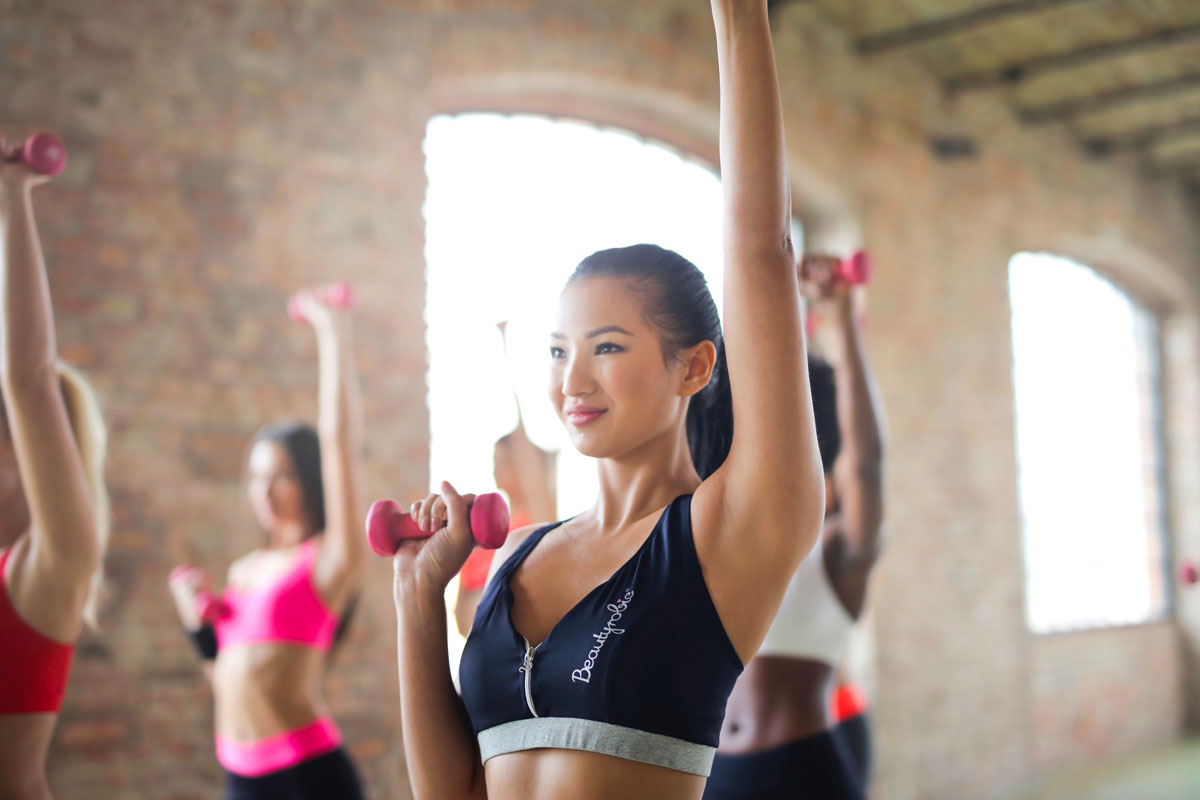
Olympic games, health concern, Stress, governement incentive China’s market for sports continues to expand in 2022.
As the Chinese economy has continued to grow, so too has the demand for sportswear brands. While many western companies have been able to make inroads in China, there are still some major opportunities that remain untapped. In this blog post, we will take a look at what these opportunities are and how sportswear brands can capitalize on them. So without further ado, let’s get started!
Cost-Effective Agency
KPI and Results focused. We are the most visible Marketing Agency for China. Not because of huge spending but because of our SMART Strategies. Let us help you with: E-Commerce, Search Engine Optimization, Advertising, Weibo, WeChat, WeChat Store & PR.
The Sports Market in China is just booming
China’s market for sports continues to expand. In 2019, the total market was worth RMB 2.95 trillion and experienced a 10.9% annual growth rate. Among them, the sports service market reached 1,493-billion-yuan, accounting for 50.6%, and the sports goods market reached 1,361.4-billion-yuan, accounting for 46.2%. In the coming years, China’s sports market will expand at a rapid pace. The Chinese sports market will reach 5 trillion yuan by 2025.
We are a Smart Agency … if you need advises, pricing and Tips.
Contact us – email (we reply all the time)

The fitness market is growing in China, the number of members at gyms has doubled since 2008 to reach 6.6 million in 2018. Running has become a popular hobby, with more than 100 marathons organized in China in 2018 against 51 in 2014. It is estimated that yoga practitioners increased from 4M in 2009 to more than 10M in 2019.
In 2022 Chinese sportswear brands are seeing increasing profits as Western brands lose market share
Anta Sport in China.
China’s top-selling sports brand, ANTA Sports saw a more than 5% increase in shares Q1 2022. The Beijing Winter Olympics will be a huge success as the third-most valuable sportswear manufacturer in the world is expected to win.
Li Ning is getting popular
Li Ning is another likely winner. It also looks to capitalize on the Olympics, as well as a wider trend among mainland consumers to become more health-conscious.
NIke in China
Nike Brand is ‘of China and for China’; Chinese netizens remain unimpressed Nike was established in China 40 years ago.
NIkes revenues that were higher than expected and helped the company to recover from a US$790million (S$1.06billion) loss at the bottom of the pandemic to a US$1.5billion (S$2.02billion) profit.
China will continue to be a valuable market for the company due to Nike’s 40-year investment there. He also stated that the firm had always taken a “long term view” of the market.
The Development Trend of the Sports Industry in China
The covid in 2022 create trouble , but the sport result was a fruit of years of economic development through the Internet and network layout. Online shopping and e-commerce have allowed normal life to continue for the Chinese people. It has also created a social model for normalization of community network supervision, and intelligent city management.
Digital Change Sport in China
With 5G, Internet of Things and big data technologies, boring activities will be made more enjoyable through the use of artificial intelligence and artificial intelligence.
Digital life is now the norm to maintain social distance and minimize going out and gathering situations. Cloud office, cloud party and cloud classroom, as well as cloud social, cloud social, cloud marriage, cloud graduation, security, cloud defense, cloud games, hospitals and innovative models like cloud employment, have all been made possible online.
Health and Sport in China
Chinese People have been paying more attention to their health since the outbreak of the disease. To increase immunity, people not only purchase traditional Chinese medicines and health products that improve their resistance but also plan reasonable meals and exercise more. Nowadays, leisure activities include sports, vacations, and health. The popularity of home sports like yoga mats and armbars, skipping ropes and pull ropes, home table-tennis training machines, and other products has increased dramatically, particularly the “Fascia Gun”, which was developed in recent years. Online fitness is a key driver of explosive growth. It is expected that once the epidemic has been lifted, life will return to normal and people will still be interested in fitness. The sports market will also continue to grow.
This trend obviously boosts sportswear brands that are increasingly demanded by Chinese sports. According to Statista, the sportswear sector in China is currently growing by almost 12%.
Huge Competition
Even as the sportswear market grows (2020’s revenue: 315 billion yuan ) competition is increasingly fierce and retail is under pressure by the rise of e-commerce. A boon for consumers that are pushing brands to reduce their prices because of a more appealing and affordable competition.
Sports brands trying to set up in China have to adapt to the specificities of the Chinese market, namely:
E-Reputation is everything in China, the brand needs to work on its brand image and reputation if it wants to sell to Chinese customers

Social Media and the power of communities
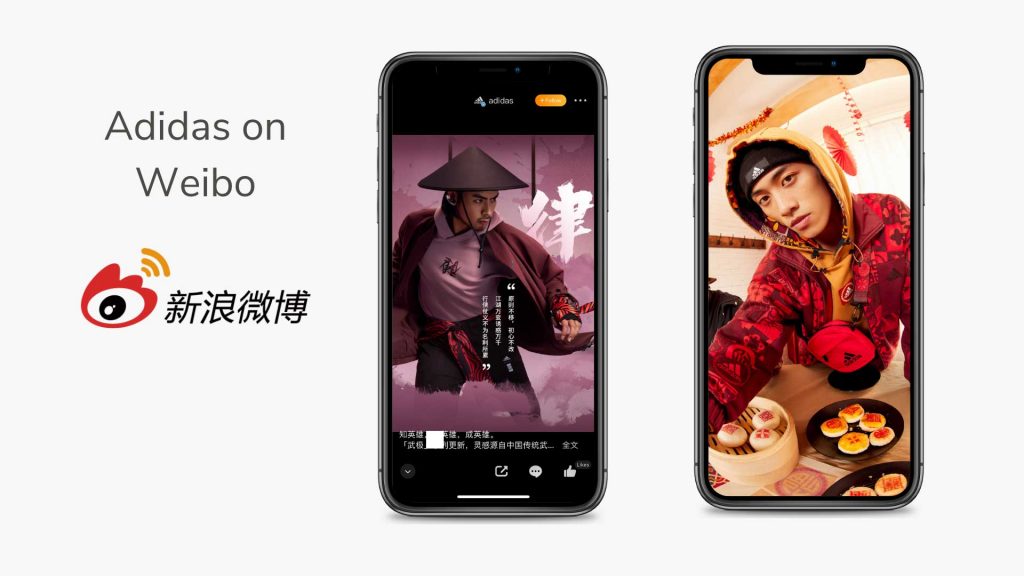
Leverage Social Media through Chinese platforms WeChat, Weibo, and Xiaohongshu. China has its own digital ecosystem and is, therefore, using different social networks compared to western countries. Companies have to adapt their digital strategy to these apps/websites if they want to succeed in China.
Sell on e-Commerce First!
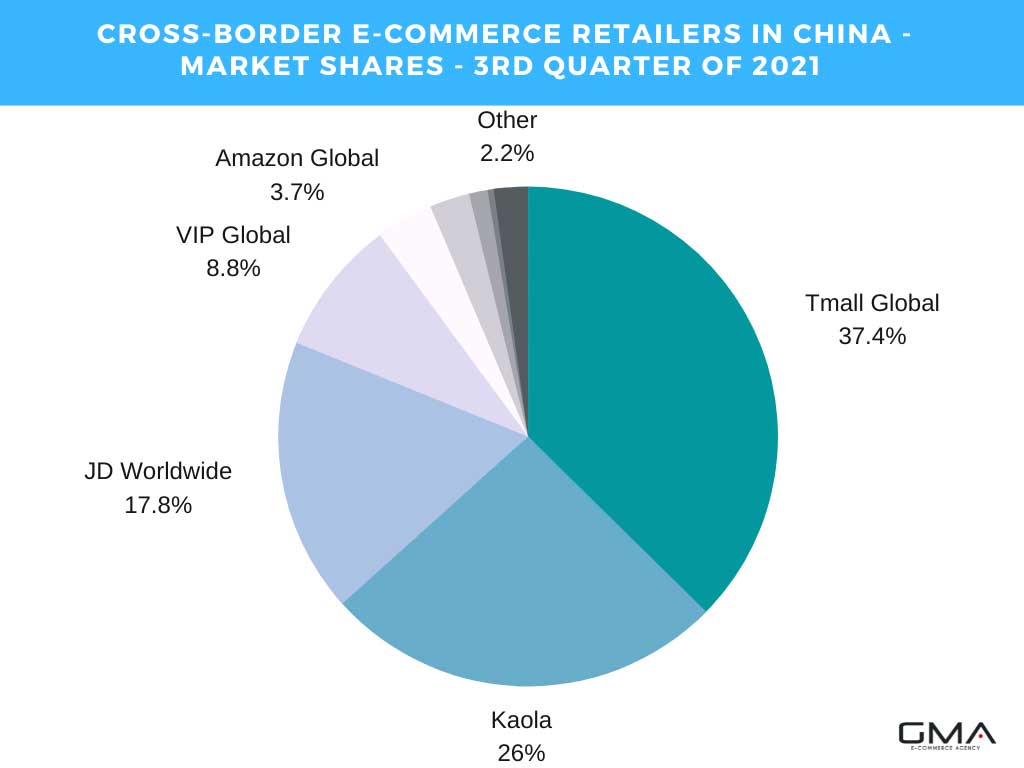
E-Commerce is the way to go! China is the host of the biggest e-commerce market, companies should leverage this opportunity.
Work with a local partner,
the Chinese market can be very frightening and working with local partners who know China and the Chinese market can prove to be unparalleled support. Especially as with the guanxi culture (business relations go through a personal relationship) the links are often tightened with the Chinese spokesperson
Read more
Word of mouth Effect in China
This fitness sports trend is led by the development of beauty criteria around the world: a filiform body but with more curves than before for women, large shoulders, and a slender body for men. These bodies require more training than a simple diet and it pushed the Chinese to go to the gym. On Xiaohongshu, many young women turned into gym addicts, they sometimes became KOL and grew a community around their passion: fitness.

Xiaohongshu Accounts of fitness KOL
So more and more of these “fit girls” are putting themselves in the position of a coach by giving tips to their community on gym training and outfits. But they also represent an excellent means of communication for sports brands who wish to market their product to Chinese fitness addicts.
While it is sometimes difficult for international brands to set up in China, this market represents many opportunities and some facts allow international brands to gain a bit of a competitive edge.
- Chinese consumers naturally associate quality with an international brand, often a European brand will be better welcomed than a local brand.
- E-Commerce Cross-border (global Tmall Global & JD) makes it possible to start selling its products in China before being fully implanted in China.
- Social Networks strongly influence Chinese users in the decision process, therefore, a good strategy can help foreign brand set up their business in China.
Our Agency: Cost effective to get Results in China
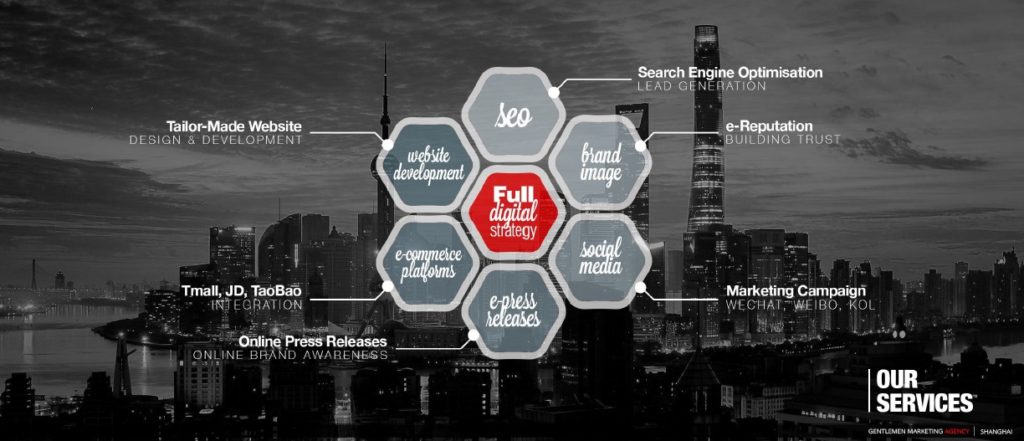
We are a SMART agency specializing in the Chinese Market and Digital Marketing. We work with brands wishing to launch their business in the biggest market in the world.
Do not hesitate to contact us to get more information and get in touch with our local expert!