Young Chinese like Vodka: Distribution Tips & Contact for sale in China.
If you want to sell your Vodka in China (or any alcohol your produce), you have to read this article.
New brands of high-end Vodka seized the specificities of the Chinese market. Vodka producers have to adapt to sell in China. The brand just needs a briefing session with the right agency to understand Chinese consumers and Chinese distributors.
Cost-Effective Agency
KPI and Results focused. We are the most visible Marketing Agency for China. Not because of huge spending but because of our SMART Strategies. Let us help you with: E-Commerce, Search Engine Optimization, Advertising, Weibo, WeChat, WeChat Store & PR.
In China, vodka is drunk in mixed groups only and served with different color blends to bring light to the table and give a face to people around. source MarketingtoChina
Poland is the country of Vodka in China
The agreement on geographical indications between China and the European Union (EU), which came into effect on March 1, has prompted vodka producers from Poland to be eager to export their premium products to China to further explore the lucrative market.
China has seven types of spirits: Brandy, Chinese Baijiu Whisky, Brandy Vodka Rum Gin Gin, and Rum.
The GI label is used to identify the geographic origin of a product. It is an important type of intellectual property right. The EU-China Agreement protects 100 European and 100 Chinese geographical origins in China.
Chinese love to drink western spirits, such as cocktails and shots
In China, spirits may be consumed in a different way than in the West. Baijiu is almost always drunk straight in China. Because Chinese consumers were unfamiliar with western spirits’ flavors, this method was unsuitable for them at first. Therefore bars and nightclubs mainly made cocktails and not shots. However, Chinese consumers are now trying to drink western spirits the same as Chinese Baijiu. As Scotch Whiskey has become more popular in China, single malt Whisky is gaining popularity in bars.
Top alcoholic drinks in China
Based on the graphs shown above and the current market situation, these are the top four alcoholic beverages in China: Chinese Baijiu (Whiskey, Brandy, and Vodka).
One of the GIs included in the agreement is Polish vodka. It refers to vodka made in Poland from five specific grains or locally grown potatoes, and that does not contain any other additives than water.
Poland produced 970,000 hectoliters (7.1 percent) less pure vodka in 2020 than it did in 2019. According to preliminary statistics from Statistics Poland, the value of pure vodka exported to Poland in 2020 was 521 million Polish zloty (PLN), 138.4million U.S. dollars. Of this, 1.6 million PLN was shipped to China. The EU-China agreement regarding GIs is expected to reverse the decline in Polish vodka exports.
According to the president and CEO of the Polish Vodka Association which represents Poland’s vodka producers, “This market is huge” and offers great opportunities for Polish vodka producers. He said, “It’s worth noting that Poland is both the largest vodka producer in Europe and the fourth largest worldwide.” source Xinha
“Vodka made in Poland can reach markets all over the globe, in countries where alcohol can legally be sold. Polish vodka is the most well-known Polish product brand in the entire world.”
The Chinese market offers tremendous growth potential for his sector. He stated that China was the third-largest market for EU agri-food products, with 14.5 billion euros. He added that China is also the second-largest market for EU exports to GI-protected products (roughly nine percent) including wines and spirits.
They now have the opportunity to improve their business and become an important link in our production chain for the most well-known drink in the world thanks to traditional methods of processing rye triticale, wheat barley, wheat, oats, rye, and triticale.
Tmall & E-Commerce: new gate of distribution in China
Taobao/Tmall, JD, and other online channels are the main means by which spirit brands sell their products. These brands open their own stores on the platforms and offer discounts to attract customers. These brands may also have their own eCommerce platforms, or use their websites to sell their products online.
JD is the most popular online platform for spirits brands. There are 630 Baijiu brands listed on JD, which is 3 times higher than the number on Taobao/Tmall. Brandy and Whiskey are the two other most popular spirits in China. They both have more JD brands than Taobao/Tmall.
Promotion of alcoholic beverages in China is also possible offline. Most spirits are sold offline, in bars, specialized alcohol shops, wholesale markets, restaurants, supermarkets, and other places. Shanghai is an example of this. There are 670 specialty alcohol stores, 2581 bars, and 220 wholesale markets, which allows spirits to be exposed to more people. Bars are not the right place to sell Chinese Baijiu mixed with western spirits, since they are often exotic.
Will Absolut’s “Creativity” Campaign Work in China?
Absolute 72Bian, designed by Gao Yu. (Image courtesy of Absolut) Source JIngdaily
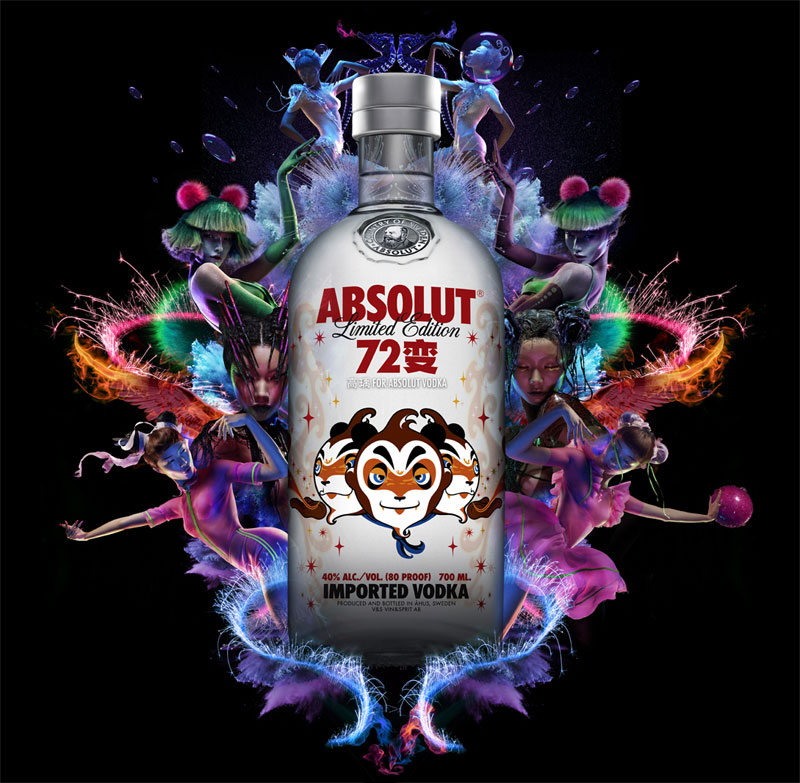
Absolut, the third-largest spirit brand in the world, has spent many years building a strong reputation in mature markets such as North America and Europe. Absolut is starting from scratch in China because of its large population and rapidly-growing economy. Although vodka, mainly Russian, has been around for decades in China, many of China’s -inclined drinking have been known to confuse vodka with other imported spirits such as whiskey or Gin.
China Whiskey is still the most widely imported alcoholic beverage into China. However, vodka is experiencing great growth. China has few vodka drinkers who are traditional. The gap in vodka and baijiu sales is huge. However, there is an emerging generation of consumers, those born between the 80s and the 90s.
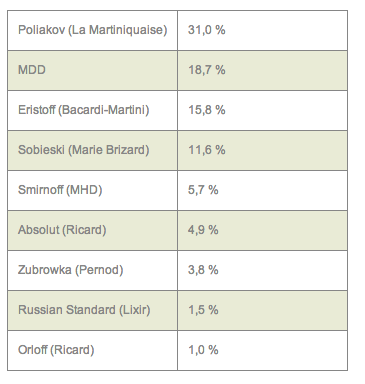
Based on consumption volume, Absolut vodka accounted for nearly 53 percent of China’s vodka market. China’s vodka market has a high concentration, with five of the top brands accounting for nearly 90 percent.
Premium spirits should be considered by brands
Brands have the opportunity to increase their Chinese investments due to changing consumer behavior and the growing middle class in China.
Absolut’s ultimate goal in China is to reach a younger and with a creative campaign.
Absolut is the most innovative brand in China.
They are determined to make it happen. Absolut vodka is aimed at a niche market that is not part of the mainstream. Their consumer base in China is often younger and lives out of the mainstream. They have a different taste in music, fashion, music, and art than the majority. China’s younger generation is a strong advocate of new media and new arts. They are more knowledgeable about foreign spirits than the average Chinese consumer.
KOL & artists collaboration
Although Absolut has had a few artist collaborations over time, including Keith Haring, to produce the limited-edition, China-only “72 Transformations” bottle was the first one featuring work by a Chinese artist. Absolut’s partnership with Gao Yu was a strong overture to a market where Absolut is relatively new. It produced only 350,000 bottles.
Richard Cotton, Absolut’s China business director, stated that the company’s goal is to be “the most creative brand” in China. He also shared his business strategies with Marketing China and how it could better serve the Chinese market.
Their tastes have evolved as they are more serious about art appreciation. Absolut has the opportunity to incorporate more fashion and artistic elements in our products and marketing campaigns in China. This is similar to what we do in the US and Europe.
Opportunities to buy white spirits like China
White spirits are not the most popular choice for status symbols, but some of them, like tequila, could be easily integrated into Chinese drinking habits. The national spirit baijiu, which is served in small shot glasses, is often drunk as part of a toast.
The expansion of Western-style bars and cocktail bars in first-tier cities is a boon for international spirits like gin and vodka. Thanks to eCommerce, consumption is also spreading to smaller cities. These spirit categories are also selling well online and becoming increasingly popular at house parties.
White spirits are facing a challenge, especially if they are marketed as premium. Consumers will resist spending their money on brown spirits and the status it gives.
Brands should be Premium in China
Brand owners looking to explore the potential for white spirits in China should look at the possibilities of standard-priced spirits. A growing middle class in China is encouraging a more relaxed approach to extravagant spending than the previous generations. Standard products are showing promise, thanks to the growth of eCommerce and retail channels.
Absolut is aware of the growing interest in Chinese culture and arts, which has been evident in China’s largest cities over the past few years. Absolut may be more visionary than many of its rivals as this interest grows among urban youth over the next few years and pushes aside the more dominant South Korean or Japanese youth cultures. It is important to remember that Absolut’s young customers in China are less frequent than Absolut’s target demographics of Europe and North America. Therefore, the brand’s success may take longer.
Brands must maximize Chinese social media platforms
Absolut Vodka is the leader in China’s Vodka market.
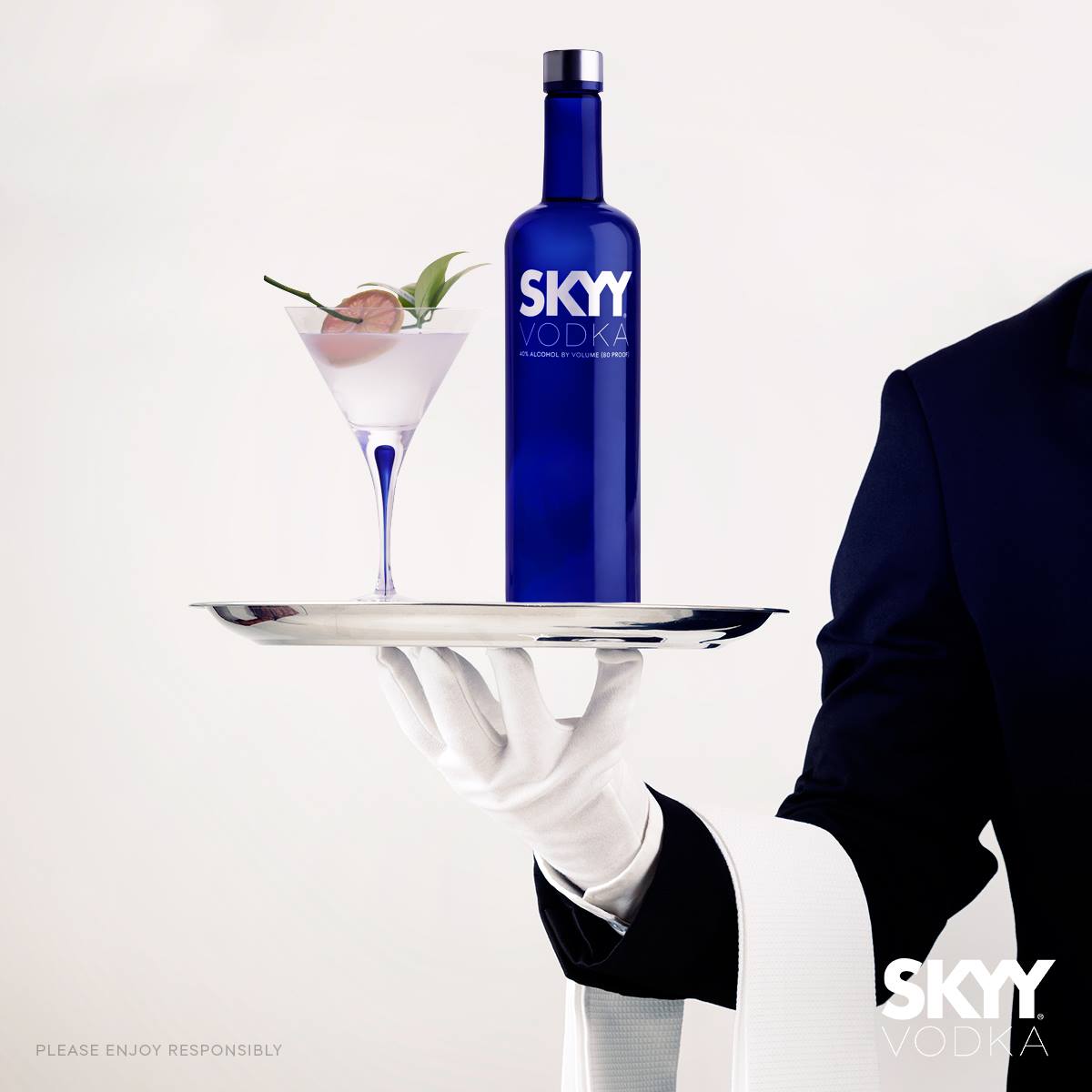
SKYY VODKA realize the Challenge to sell only online in China
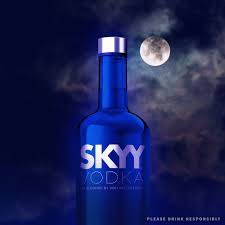
Skyy, which is made in the USA, follows. Absolut Vodka is the most trusted brand in China’s Vodka market. It has worked closely with many sectors. Absolut Vodka has always considered what is popular and used the most loved element to decorate its products or create appealing advertisements in the past. Absolut Vodka is a well-known vodka brand that has a pleasant taste, attractive advertising, and a high price.
If you want to sell your vodka in China
We can help you
- E-Commerce activation (we are TP)
- Distribution research
- Marketing strategy & campaign