
Keyword Research On Baidu: Easy Way To Find Your Chinese Keywords
Updated


Are you scratching your head over keyword research on Baidu? Believe me, I’ve experienced that exact same struggle while trying to reach the Chinese market. After much trial and error, coupled with thorough research, I came across effective methods that not only helped in finding the right keywords but also optimized them effectively for Baidu’s search engine.
Quick hello. I am Jon Wang, and I help foreign brands rank on Baidu. Keyword research is where most China SEO goes wrong: brands translate their English terms and wonder why nobody searches them. Chinese buyers use different words. Get the keywords right and the rest of your SEO finally works. Here is how to do it.
Let’s dive into these simple yet powerful techniques that could turn around your SEO game in China!
Key Takeaways
- Keyword research on Baidu is essential for businesses targeting the Chinese market.
- Brainstorm stem keywords and expand your list using tools like Baidu Keyword Planner to find relevant Chinese keywords.
- Analyze keyword demand and value to prioritize and choose targeted keywords for better visibility on Baidu.
- Understanding the differences between basic keyword research for Baidu and Google, such as the importance of long-tail keywords and potential translation issues.
Ultimate Guide to Baidu Keyword Optimisation
Brainstorm a List of Stem Keywords
Let’s begin with brainstorming a list of the best keywords (stem), the start of the keyword research. This part is kind of like building the base for our keyword research on Baidu. I sketch out root words that make sense for the site or business.
These form a starting point for creating potential keywords. By doing this, I discovered Chinese words that are fitting and can help in bettering our website for Baidu SEO. It’s easy and does not take much time!
Expand Keyword List
I look at building my list of keywords as a critical part of keyword research on Baidu. In this step, I take the main “stem” keywords and grow them into a larger set. To do this, I often use tools like Baidu Keyword Planner or Google Keyword Planner. These tools show me more words linked to my main keywords.
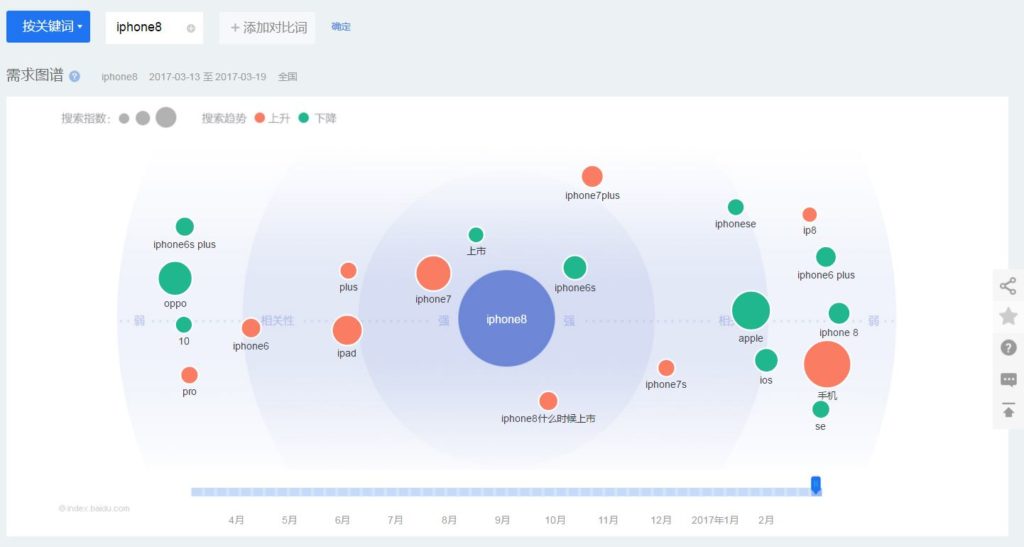
The Baidu Index is also very handy at this stage. This tool tells me how many times people search for each word on Baidu. It even shows trends over time! With all these steps, I can create an expanded list of Chinese keywords that help me reach out to more users in China.
Analyze Keyword Demand
Let’s dive into keyword demand. It tells us how often people search for a word. This step in the Baidu process is key to effective keyword analysis. With tools like Baidu Keyword Planner, you can see which words are popular and worth your time.
You don’t want to waste energy on words that no one looks for. Use this tool to focus on valuable, high-demand keywords instead. It will help raise your chances of getting noticed online. So, take a good look at what’s hot on Baidu and plan your strategy around it.

Analyze Keyword Value
Analyzing the value of keywords is an important step in effective keyword research on Baidu. By understanding the demand and competitiveness of different keywords, businesses can prioritize their marketing efforts and increase visibility in China.
Baidu Keyword Planner is a useful tool that can help analyze the value of keywords for Baidu SEO. This tool provides insights into search volume, competition, and suggested bid prices for different keywords.
By utilizing this information, marketers can make informed decisions about which keywords to target in order to boost their sales and reach their desired audience effectively.
In addition to using Baidu Keyword Planner, it is also beneficial to consider other factors when analyzing keyword value on Baidu. These include looking at trends in search behavior specific to the Chinese market, identifying popular long-tail keywords, and evaluating the relevance of keywords to your business goals.

Since Baidu is the largest search engine in China, understanding the competitive environment is crucial for successful keyword research. By evaluating and optimizing your keywords on Baidu, you can improve your position in the competitive market.
Prioritize and Choose Targeted Keywords
Effective keyword research on Baidu involves prioritizing and selecting the right keywords for your business. This step is crucial because it helps you focus your efforts on reaching the right audience in China.
To prioritize and choose targeted keywords, consider several factors. Firstly, think about cultural context and understand what terms resonate with Chinese users. Secondly, analyze user behavior to identify search trends and preferences.
Lastly, take into account the competitiveness of certain keywords to ensure you can rank well on Baidu’s search engine results pages (SERPs). By considering these factors, you can optimize your website or content for targeted keywords that will drive relevant traffic on Baidu and improve your visibility in China’s digital landscape.
Key Differences Between Keyword Research for Baidu and Google
Importance of Long-Tail Keywords on Baidu
Long-tail keywords are really important for improving your website’s ranking and getting more visitors to Baidu. They work differently than popular keywords on Baidu. To do well, you need to use long-tail keywords in your Baidu SEO strategy.
Long-tail keywords can help you rank higher and increase sales in China. So, if you want your business to succeed on Baidu, make sure to focus on using long-tail keywords effectively.
Translation Issues
When conducting keyword research process on Baidu, it’s important to be aware of translation issues. Baidu’s search algorithms consider the context of search queries, which can present challenges in translating keywords for Chinese SEO.
However, Baidu offers a helpful dropdown list feature that suggests relevant and popular associated phrases when typing a keyword. This can assist in identifying potential translation difficulties and ensure accurate optimization.
Utilizing tools like Baidu Keyword Planner can also aid beginners in identifying these issues and tailoring their translation strategies accordingly. It’s worth noting that link quality may impact the accuracy of translated content on Baidu, as it is not as proficient as Google in determining this factor.

Top Tools for Tracking Keywords and Baidu Keyword Research
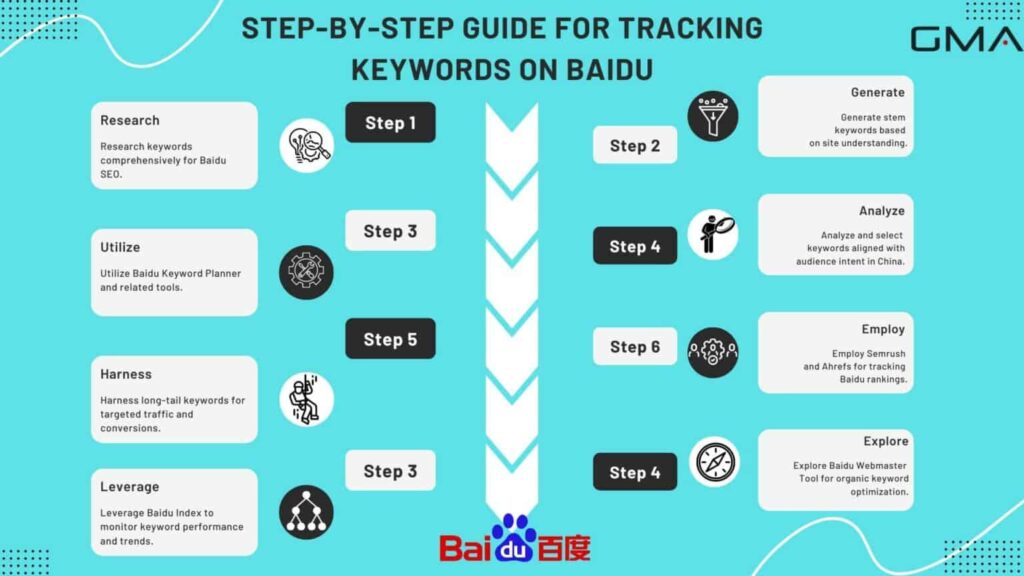
Baidu Index
To effectively conduct keyword research on Baidu, the Chinese search engine, it is essential to use the Baidu Index tool. This free tool provides valuable insights that can help you understand the Chinese target audience and find the right keywords for your business targeting China.
With the Baidu Index, you can track keyword performance and analyze keyword demand. It’s a must-have tool for anyone looking to optimize their presence on Baidu and reach a wider audience in China.
Plus, tools like Semrush and Ahrefs can also be used to effectively track keywords on Baidu. So, make sure to incorporate the Baidu Index into your keyword research strategy for successful online marketing in China.
Baidu PPC Keyword Tool
The Baidu PPC Keyword Tool is an important resource for conducting keyword research on the Baidu search engine. It’s a valuable tool for tracking keywords and improving SEO strategies.
This tool, known as the Baidu Keyword Planner, is considered the most accurate instrument for enhancing search engine keyword ranking on Baidu. If you have a Baidu PPC account, you can use this free tool to understand the Chinese market better and target your ads to reach Chinese consumers.
With its comprehensive and powerful platform, Baidu can help businesses effectively promote their products or services in China.
5118
When conducting keyword research and tracking Baidu, 5118 is a helpful tool to consider. It is specifically designed for finding your Chinese keywords easily.
Tenba Group recommends starting with keyword research as the first step for successful China SEO. With 5118, you can analyze cultural nuances and user behavior to identify stem keywords that will help improve your search engine rankings on Baidu.
So if you’re targeting the Chinese market, give 5118 a try for efficient keyword research and tracking on Baidu!

Chinaz
Chinaz is a helpful Baidu keyword research tool and tracking. It’s associated with other tools that can make your search engine optimization on Baidu easier. With Chinaz, you can analyze keywords based on daily searches, traffic, CPC, and related keywords.
It’s free to use and can be accessed by anyone with a Baidu PPC account. So, if you’re targeting the Chinese market, using Chinaz can really help you find the right keywords for your business.
Plus, Baidu also offers other useful tools like Baidu Trends and Baidu Index to understand user behavior and search metrics for determining keywords.
Aizhan Keyword Tool
The Aizhan Keyword Tool is a helpful website for conducting keyword research on Baidu, the famous Chinese search engine. It offers a user-friendly tool that has long-tail keyword suggestions based on a core keyword entered by the user.
This can be valuable for marketing managers who want to optimize their content for Baidu and attract more Chinese customers. Additionally, the Aizhan Keyword Tool allows you to track the performance of your keywords on Baidu, helping you monitor the effectiveness of your marketing efforts.
Overall, this tool can be an effective resource for marketers targeting the Chinese market.

Baidu Webmaster Tools for Tracking Organic Keywords
One useful tool for tracking organic keywords on Baidu is Baidu Webmaster Tools. It’s free and provides valuable insights into keyword data and Baidu analytics. You can use this tool to monitor and improve keyword ranking, and your website’s visibility on the Baidu search engine.
Try to use the Baidu Webmaster Tools and you’ll be able to understand Baidu’s search algorithms better and optimize your SEO strategies accordingly. This way, you can increase your website’s chances of ranking higher in the organic search results on Baidu.
AccuRanker for Tracking Keyword Performance
I use a tool called AccuRanker to track how well my keywords are performing on Baidu, the popular Chinese search engine. With AccuRanker, I can monitor the organic search results and see where my website ranks for different keywords.
It helps me find Chinese keywords and keeps track of their rankings over time. I also like that AccuRanker allows me to analyze cultural nuances and user behavior on Baidu so I can optimize my keyword research.
This way, I can identify stem keywords and analyze their potential return on investment for creating content. Overall, AccuRanker is a valuable tool for tracking keyword performance on Baidu and improving my online presence in China.

We Are Experts in Baidu SEO!
Keyword research on Baidu is crucial for businesses targeting the Chinese market. By understanding user behavior and cultural nuances, we can find the right Chinese keywords that will drive targeted traffic to our websites.
With tools like the Baidu Index and Baidu Search Console, conducting keyword research on Baidu becomes easier and more effective. Don’t miss out on this important step in your China SEO strategy – start researching and optimizing your Chinese keywords today!

Leverage our 20 years of experience to conquer the Chinese market. Our agency specializes in decoding user behavior and cultural nuances, crafting the perfect Chinese keywords to drive targeted traffic. Don’t miss this crucial step in your China SEO strategy.
Contact us now and seize success in the Chinese market.

What the 2026 data says
On Baidu, the right keyword is the one Chinese buyers actually type, not a literal translation of your English term. Use Baidu’s own tools and search suggestions to find real demand, focus on buyer intent, and account for the AI Overview, which rewards clear, structured Chinese content. Good keyword research is the foundation everything else stands on.
| Step | Why it matters | Your move |
|---|---|---|
| Native terms | Translation misses demand | Research in Chinese |
| Intent | Buyers vs browsers | Target purchase intent |
| Baidu tools | Real search data | Use them, not guesses |
| Structure | Feeds the AI box | Build content around keywords |
How we do Baidu keyword research
We have an office in Jing’an, Shanghai, with a small team, and we built our name finding the words that actually bring buyers. We research real Chinese demand and build content that ranks and converts. See our B2B SEO case study and our Baidu SEO service, then get in touch through our contact form. Friendly team, fair prices, real results.
Baidu’s 2025 search rebuild changes how you pick keywords
In July 2025 Baidu shipped its biggest search change in ten years. The new search box takes over 1,000 characters and full questions, not just two or three keywords, and Baidu now answers many queries with a built-in AI summary instead of a list of links. Over 18,000 outside services plug in through Baidu’s MCP setup, so search is turning into a place where people get answers and act, not just click. For a foreign brand this means you still research the short buyer keywords, but you also need to map the full questions Chinese buyers ask and write clear Chinese content that answers them, because that is what feeds the AI box. source.
What Chinese pros say on Zhihu
A long-running Zhihu thread asks which keyword mining tools actually work for Chinese SEO. The top answers stay practical and name the same few tools again and again.
Q: “Which keyword mining tools are good to use?”
A (translated): “5118 has strong long-tail keyword mining, bid words and high-frequency words, and can build a demand map from the data and export it. The Panda keyword tool pulls together the dropdown and suggested words a term gets across different platforms. Aizhan’s tool takes a keyword you enter, expands it into long-tail terms with their index, and gives you a difficulty score from the indexing and ranking. Pick the one that fits your need and budget.”
Same lesson we follow: start from Baidu’s own dropdown and demand, then use these Chinese tools to find the long-tail words buyers really type. Read the thread on Zhihu.
Baidu Keyword Research on a Startup Budget
SEO Agency China is a cost-effective option for a startup or small company that wants to test Baidu without a heavy commitment. Entry pricing is 800 USD a month for Baidu SEO, and that pays for the work this guide walks through: stem keywords, list expansion, demand and value checks, then the final pick.
The public range for Baidu SEO, around 10 target keywords, is 800 to 2,000 USD a month. Ten keywords is a short list, and that suits the method here. Chinese buyers do not search your English terms, so a small list built from real Baidu data beats a long list of translations. If you want the keyword audit alone, or the account and site setup, budget 1,225 to 3,500 USD one-off. Our team is Chinese native and based in Shanghai, so we read Baidu Index and Zhihu in the original without carrying a Western agency structure.
See our Baidu SEO service and prices or send us your keyword list.
FAQ
How much does Baidu keyword research and SEO cost for a startup or small business in China?
Baidu SEO starts from 800 USD a month. The public range is 800 to 2,000 USD a month for around 10 target keywords, which is the scope you work with once your keyword research is done. A standalone Baidu SEO audit, or account and site setup, is 1,225 to 3,500 USD one-off. These are working ranges, not a quote. We quote on your category and how fast you want to move.
Is the setup cost included in the monthly Baidu SEO fee?
No, it is listed separately. Account and site setup, or a standalone Baidu SEO audit, is 1,225 to 3,500 USD one-off. The monthly Baidu SEO fee of 800 to 2,000 USD covers around 10 target keywords. On top, our account management, reporting and optimisation sits at 200 to 400 USD a month.
The opportunity, and how to take it
Most foreign brands still translate their English keywords and lose, which leaves the right Chinese long-tail terms wide open for you. Get the keywords right and they pay off two ways: an e-commerce store that buyers reach straight from Baidu, and a steady B2B lead funnel where the people searching are ready to talk. We have an office in Jing’an, Shanghai, with a small team, Chinese-native, and we report real results, not vanity metrics, with fair prices for smaller brands. Want help finding your Chinese keywords? Talk to us.
Sources: search market data from StatCounter China and the China Internet Network Information Center (CNNIC).
Jon Wang is a pragmatic, China-focused consultant with hands-on experience in Chinese e-commerce, distribution and digital marketing, always focused on practical solutions for smaller brands and tighter budgets. Connect with Jon on LinkedIn.