Content Marketing In China: How Does it Work?

I totally get it, navigating the vast and complex terrain of content marketing in China can feel akin to exploring uncharted territory. Like you, I’ve grappled with these complexities too.
But having dipped my toes into this unique market and discovered that a whopping 70% of Chinese consumers lean on content when making purchases, the importance of grasping this domain became unquestionably clear.
Cost-Effective Agency
KPI and Results focused. We are the most visible Marketing Agency for China. Not because of huge spending but because of our SMART Strategies. Let us help you with: E-Commerce, Search Engine Optimization, Advertising, Weibo, WeChat, WeChat Store & PR.
This comprehensive guide is your reliable navigation tool – shining a spotlight on popular platforms like Weibo, WeChat, and Baidu; outlining effective strategies such as joining forces with Key Opinion Leaders (KOLs), and smart advertising on social media; not forgetting to offer handy tips to leap over obstacles like language barriers and cultural distinctions.
So, are you ready to dive deep into the fascinating world of Chinese content marketing? Buckle up for an enlightening journey! Let’s kick things off!
Key Takeaways
- Social media and Baidu are big in China. They help businesses reach people.
- In China, it’s good to work with Key Opinion Leaders (KOLs). They link brands and people well.
- To sell in China, use their social media for ads. It grabs the attention of a lot of folks.
- Language matters! Knowing Chinese helps you sell better in China. Also, show respect for Chinese culture when planning ads or posts online.
- Using the right words on your website can get more hits on search sites like Baidu, Sogou, and 360. This is called SEO.
- Chinese marketing has its own set of rules as compared to Western countries – so learn how it works!
Popular Content Marketing Platforms in China
When it comes to content marketing in China, platforms like Weibo, WeChat, and Baidu take center stage. These platforms provide ample opportunities for marketers to reach out directly to the Chinese audience with targeted and localized content.
However, their algorithms and user behaviors are unique and require a deep understanding of the Chinese market.
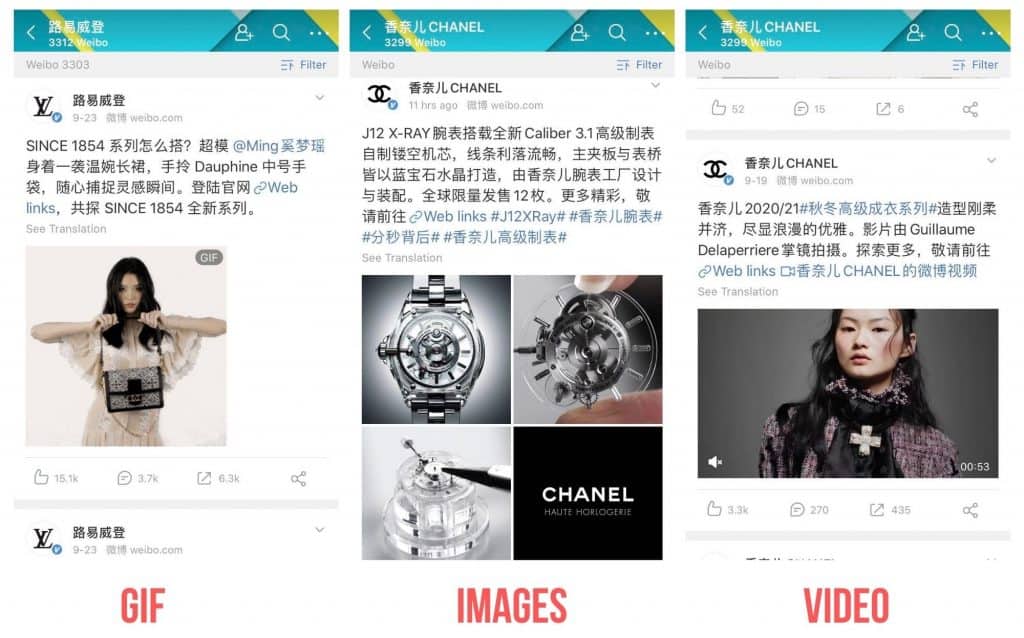
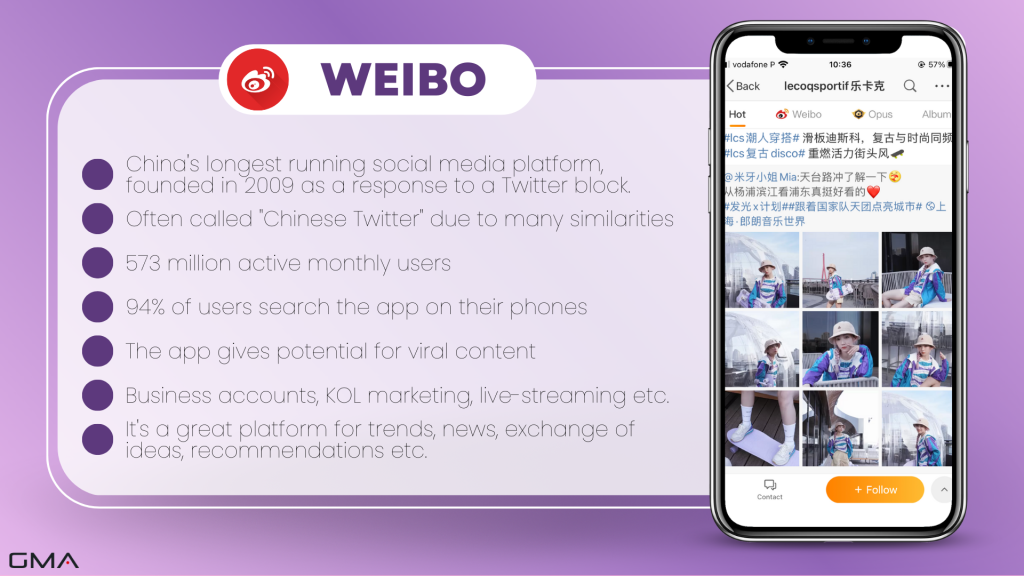
Weibo is a big deal. It is the second biggest social media site in China. It makes sharing and getting information easy thanks to user relationships on the platform. On Weibo, many users link with influencers via content-driven marketing.
This way, businesses and influencers can work together for better reach. Plus, it’s an open platform which adds to its appeal for many people in China who use social media a lot. Among these platforms, Weibo always comes up as one of the top favorites.
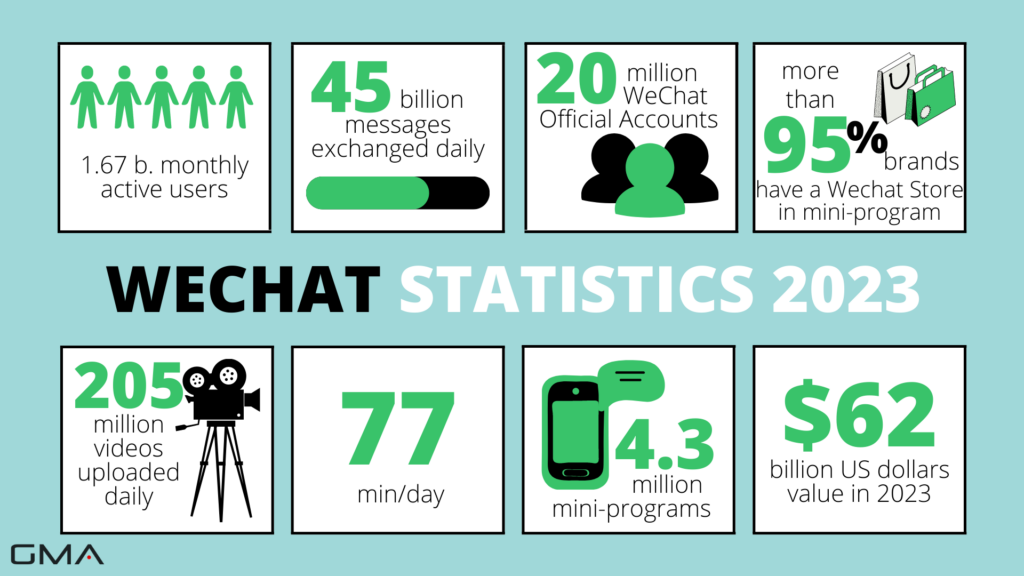
WeChat stands tall as the top social media network in China. It holds a massive user base that spans over 1.213 billion people and is growing fast all around the world. As a marketing manager, it’s crucial to note how WeChat can help push your brand forward.
This platform doesn’t only offer messaging services but also acts as an effective tool for content marketing and brand promotion in China. With well-planned methods, you can use WeChat to engage customers and build loyalty towards your brand.
In fact, every month more than a billion users are on this platform – just a tad behind Facebook’s WhatsApp and Messenger!
Baidu
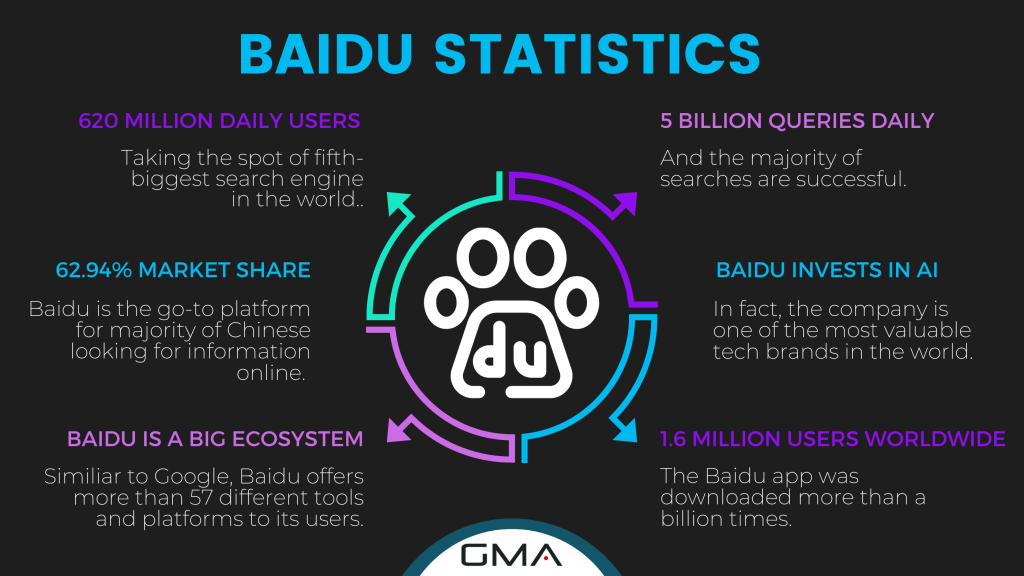
Baidu is like Google for China. It stands at the top in Chinese search engines. Most people in China use Baidu to find stuff on the web. If you want to reach more people in China, Baidu can help! This site lets businesses buy space tied to keywords.
When a person searches that word, they see your business first! The ads and info need to be in Mandarin though, as this is what most users understand best. So if you’re keen on tapping into China’s large market, make sure Baidu is part of your plan.
Key Strategies for Successful Content Marketing in China
Quality Market Analysis
To ace content marketing in China, you need a good grip on quality market analysis. This means understanding the Chinese market inside out. You have to know your target audience well.
Be sure of who you want to reach and what they like. Timing is key too, so make sure you pick the right time to post your content. Culture plays a big part in how people respond to things in China, so try to be sensitive about it when creating content for this market.
Your main aim should always be crafting high-quality and engaging messages that resonate with your Chinese consumers.
Effective Content Marketing Strategy
To connect with the Chinese audience, you need a good plan. This is your content marketing strategy. First, pick who you want to reach. This is your target audience. Post often so they see and remember you.
But don’t post too much! You could make them tired of seeing your stuff. Then make sure what you share is top-notch and matters to them. It has to be quality and relevant content for it to work well in China’s market scene.
Be careful of their way of life when planning what to say or show off online because it shows respect for their culture, which helps build a bond with them even more!
Utilizing Key Opinion Leaders (KOLs)
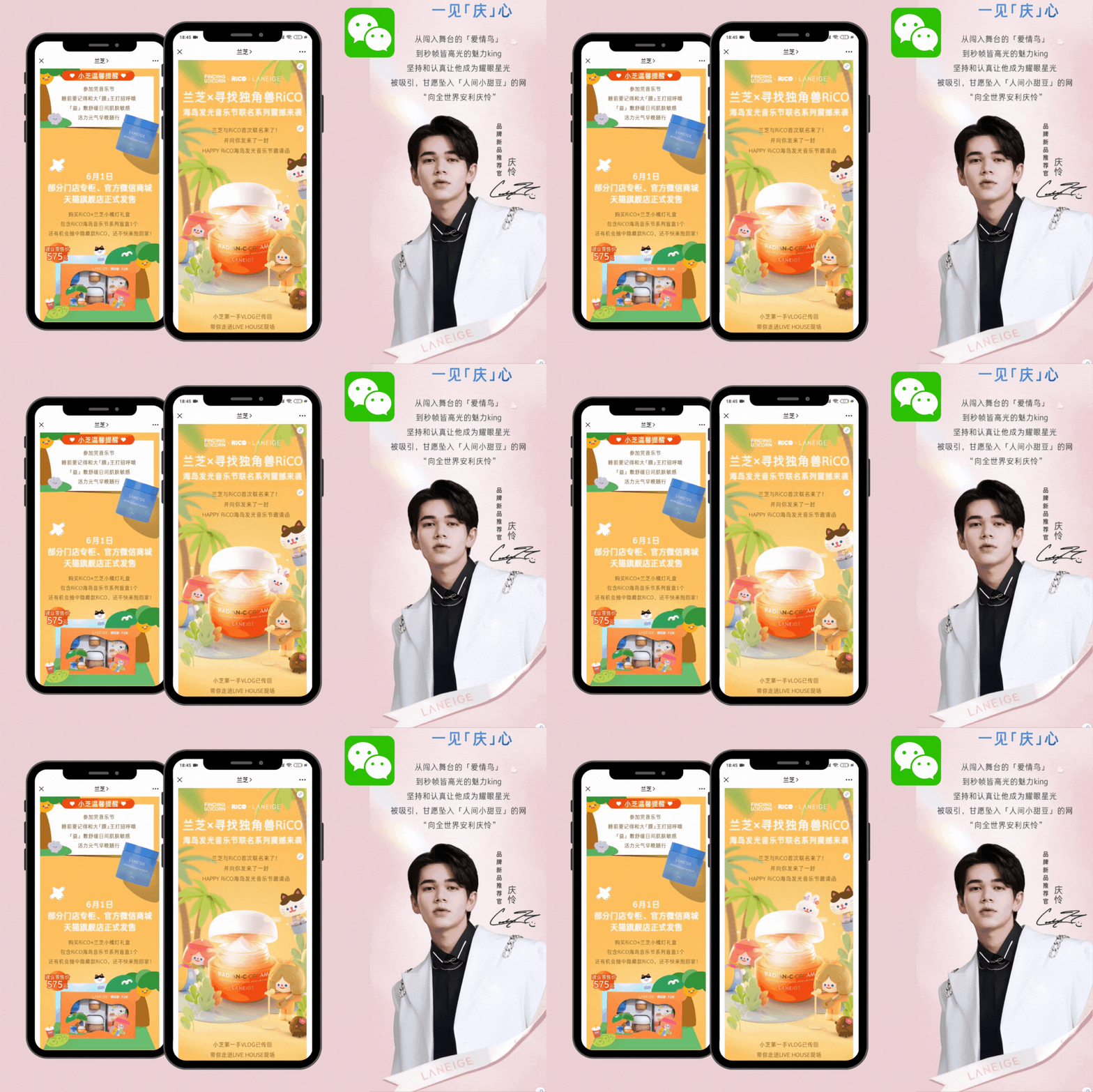
KOLs in China are a big deal. They know a lot about certain topics and people listen to them. Brands from other countries can use KOLs in China to boost their success and talk with their customers. This is called influencer marketing.
This way of doing things is like soft-selling, where the KOL acts as a link between the brand and its audience. It’s not pushy but it still gets the message across. In fact, this approach is so effective that it’s one of the main ways Chinese businesses sell things! You’ll often see KOLs sharing content or being part of digital marketing campaigns for brands here too.

Advertising on Chinese Social Media
Chinese social media is a big part of online life in China. Advertising here can help a business sell more stuff. You need to make ads that are real and fun for people to look at. This will get them interested in what you’re selling.
There are many ways to show your ad on Chinese social media, so you can pick the best one for your business. If your ads have good content, people will want to see more of them. This helps your business grow and make more money!
Search Engine Optimization (SEO)
SEO is a big deal in China. It helps your content rank high on Baidu, Sogou, and 360. These Chinese search engines work differently from Google. So I have to know how they work to do good SEO.
Keyword research is important here. I find out the best words that customers use to look for things online. Then I put these words in my content naturally and smartly. Onpage optimization makes sure every part of the website works well together with these keywords.
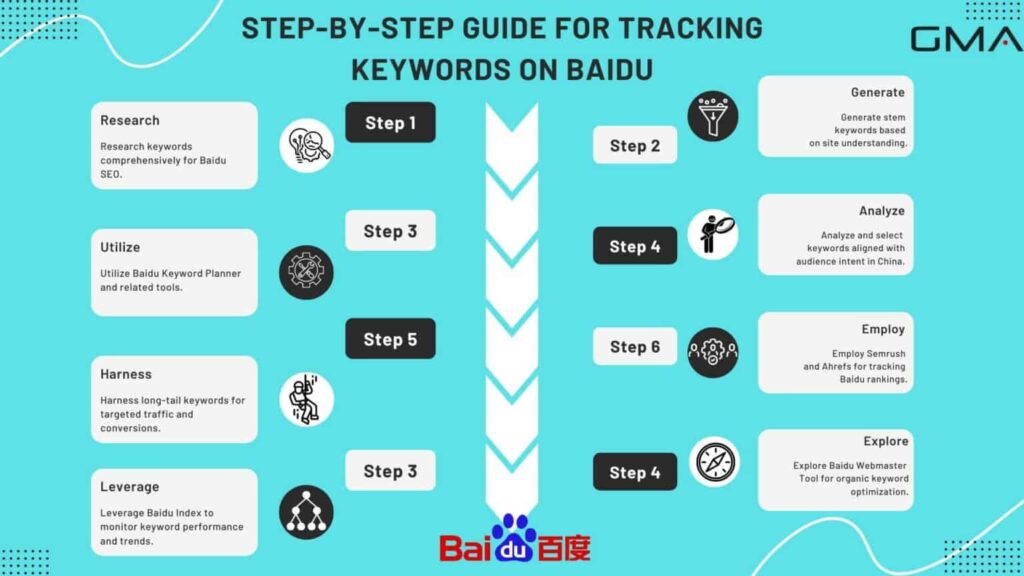
Link building adds strength to SEO too. It means getting other websites to link back to mine. But it must be done right or it can hurt instead of help! Also, mobile optimization ensures my site looks great on phones because many people in China use their phones a lot.
The goal? To make the user experience top-notch so people will stay longer on the site and buy more things! This doesn’t happen fast though; SEO takes time but gives steady wins when done right.
Overcoming Challenges in Chinese Content Marketing
Language Barriers
In China, speaking the local language plays a big role in marketing. I’ve seen how bad language skills can mess up a brand’s efforts to sell its products. It is easy for words to get lost in translation and confuse the message you want to send.
To sidestep this issue, it pays off to learn Chinese or work with people who do. Localizing your brand for success means adapting not just your ads but also your words to fit the culture here.
This way, you cut down on misunderstandings and speak straight to your target customers’ hearts.
Cultural Differences
Chinese culture is different. It has changed for many years. People in China think in unique ways due to their history and norms. For a marketing manager like me, this is very important.
These differences can make content marketing tricky. But, if we understand the culture, it can help us make better ads that people love. We must know how Chinese citizens live and what things mean to them before selling our product or service.
Being culturally sensitive will help us overcome challenges in Chinese Content Marketing. This means being careful with our words and images so as not to upset anyone’s feelings or beliefs.

We Are Experts of Content Marketing in China!
In China, content marketing makes a company stand out. It helps tell stories to draw in people who may buy goods or services. Digital platforms like Weibo, WeChat, and Baidu make this easier.
Thus, smart content marketing is key to success in China’s busy market.
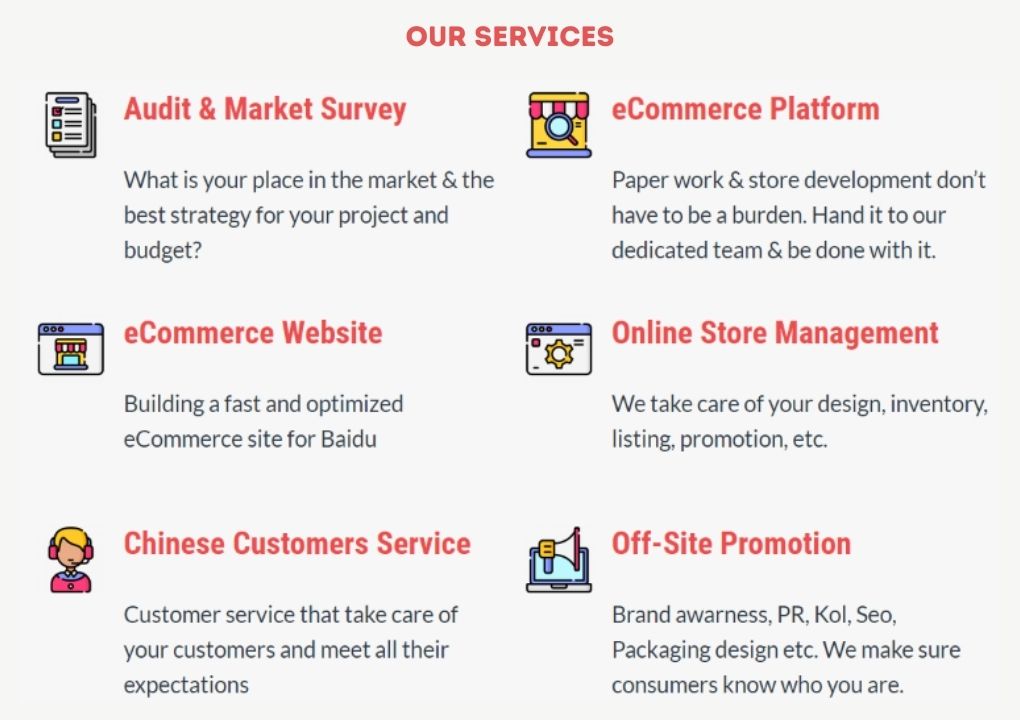
With over 20 years of experience, our agency is well-equipped to help you navigate this landscape. Feel free to contact us anytime to unlock the full potential of content marketing in China and stand out in this dynamic market.