
China’s e-commerce top 10 Trends 2024
2024 , China’s e-commerce landscape is experiencing an extraordinary phase of expansion, set to redefine the global digital economy.
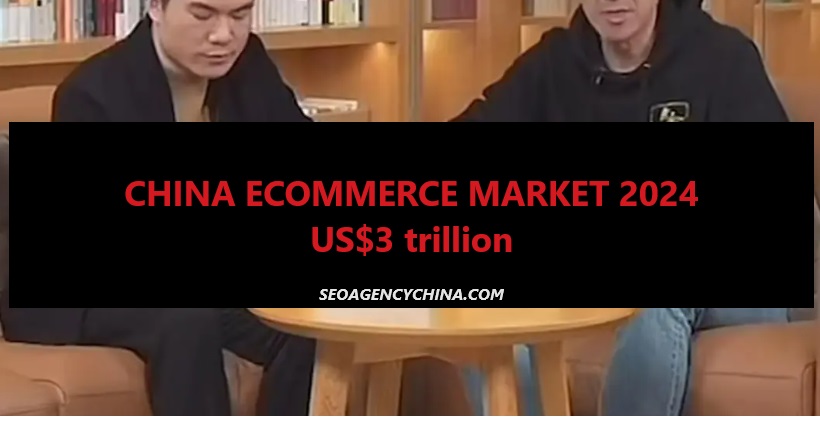
Projected to hit an astounding CNY19.6 trillion, equivalent to US$3 trillion, by 2024, this market is not just growing – it’s booming. This surge represents a vigorous compound annual growth rate (CAGR) of 12.4% from its 2021 valuation of CNY13.8 trillion (US$2.1 trillion). Such impressive figures not only showcase the sector’s rapid growth but also its significant impact and evolving role in the worldwide digital marketplace. source China daily
Cost-Effective Agency
KPI and Results focused. We are the most visible Marketing Agency for China. Not because of huge spending but because of our SMART Strategies. Let us help you with: E-Commerce, Search Engine Optimization, Advertising, Weibo, WeChat, WeChat Store & PR.
The Evolving Landscape of E-Commerce in 2024: Embracing AI , Video, KOL, Consumer Trends etc
As we look towards 2024, the e-commerce industry continues to adapt swiftly to the evolving demands of consumers, especially in the realm of artificial intelligence (AI) integration. Key industry players and experts have shed light on the emerging trends that are shaping the future of online shopping.
Emerging Trends in E-Commerce in China 2024
Top E-Commerce Trends for 2024:
- Discovery Shopping:
- Post-turbulent years, consumers seek fun in shopping experiences.
- Interactive formats like live streaming and short-form videos on mobiles have become popular.
- influencers have a key role in Discovery shopping
- Quality with discount
- Economic uncertainties lead to a heightened focus on value and savings.
- Shoppers explore novel ways to stretch budgets without compromising quality.
- Green E-Commerce:
- Despite economic headwinds, China’s consumption-driven economy continues to grow.
- McKinsey projects a 5% growth in China’s retail sector, leading to significant market expansion.
- AI , Robots : As we delve into the emerging trends in e-commerce, a notable shift is the increasing reliance of shoppers on Artificial Intelligence (AI) to enhance their online shopping experience. AI-driven personalization has become a cornerstone in this digital landscape. Consumers are not just expecting but demanding that brands utilize AI to refine searches and offer tailored product recommendations. The advent of generative AI has further enriched this experience, with tools like chatbots and content creation platforms gaining significant momentum in 2023, a trend that’s poised to continue evolving.
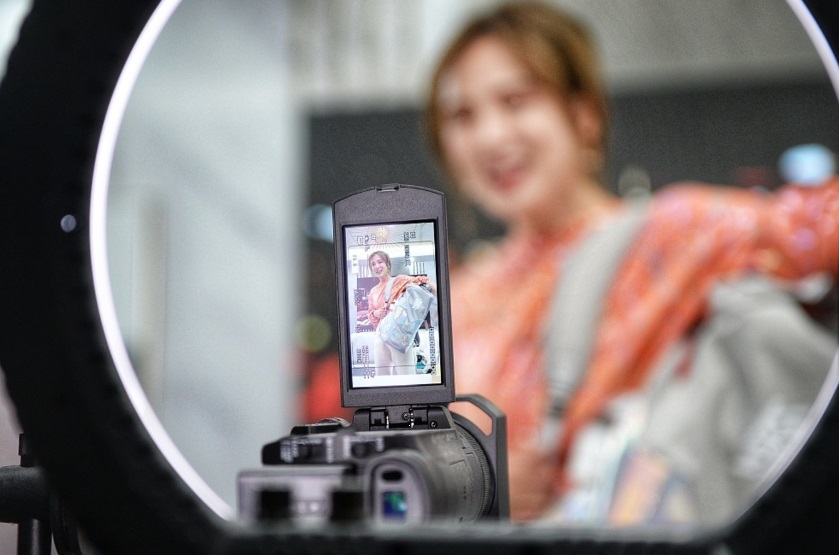
- Livestreaming, particularly in China, has taken e-commerce to new heights. This format combines entertainment with instant purchasing, creating a unique and engaging shopping environment. It allows brands to demonstrate products in real-time, answer queries, and offer exclusive deals, thereby enhancing customer engagement and driving sales.
- Douyin Video has emerged as a revolutionary force in e-commerce in China. The platform’s ability to blend short-form video content with shopping has opened up novel avenues for brands to engage with consumers. It’s not just about showcasing products; it’s about creating an immersive and interactive shopping experience that resonates with the younger, digitally-savvy demographic.
- Experience shopping: Lastly, platforms like Little Red Book (Xiaohongshu) are redefining the concept of experience shopping. Here, user-generated content, in the form of testimonials and reviews, plays a crucial role in influencing purchasing decisions. Consumers value the authenticity and personal experiences shared by others, making Little Red Book a vital platform for brands to build trust and credibility with their audience.
- Discount the strategy of offering discounts and good deals has remained a steadfast approach in enticing consumers. Especially in times of economic uncertainty, shoppers are constantly seeking ways to stretch their budgets. E-commerce platforms that effectively leverage this strategy continue to see a significant increase in traffic and sales.
- AI KOL : a trend in China.
The Role of Generative AI in E-Commerce:
- Generative AI is revolutionizing merchant efficiency and personalized shopping experiences.
- Brands are expected to continually explore AI’s capabilities to maintain a competitive edge.
- Chatbots, enhanced by generative AI, are becoming more sophisticated in mimicking human interaction.
10. E-Commerce Growth:
- Despite economic headwinds, China’s consumption-driven economy continues to grow.
- McKinsey projects a 5% growth in China’s retail sector, leading to significant market expansion. for 2024
Read more
Are you positive about the e-Commerce market ? KOL are

In conclusion, the e-commerce landscape in 2024 is being shaped by a mix of technological innovation, consumer behavior shifts, and strategic marketing approaches.
From AI-driven personalization to the immersive experiences of Douyin and livestreaming, and the authenticity of platforms like Little Red Book, the world of online shopping is becoming more dynamic and interconnected than ever before.
In summary, as we advance into 2024, the e-commerce landscape is poised for transformative changes, driven by AI innovations and shifting consumer expectations. The industry is set to witness an exciting blend of technology, sustainability, and personalized shopping experiences, making it an ever-evolving and dynamic sector.
About Gentlemen Marketing Agency (GMA)
Gentlemen Marketing Agency (GMA), a leading e-commerce agency in China, specializes in crafting and executing comprehensive digital marketing strategies for brands looking to penetrate and thrive in the Chinese market. With its deep understanding of China’s unique digital landscape and consumer behavior, GMA stands out as a key player in helping international brands establish a strong online presence in this dynamic market.
Why Brands Choose GMA for E-commerce Success in China:
- Expertise in Chinese Market Dynamics: GMA possesses an in-depth understanding of the Chinese market, crucial for brands seeking to navigate its complexities. Their knowledge extends beyond basic e-commerce strategies, delving into cultural nuances and consumer preferences unique to China.
- Tailored Digital Marketing ecom Strategies: Recognizing that one-size-fits-all approaches don’t work, GMA customizes marketing strategies to align with each brand’s identity, objectives, and target audience in China. This bespoke approach ensures more effective and impactful market penetration.
- Cost effective Ecom Service : From market research to campaign execution, GMA provides a full spectrum of services. This includes SEO, social media marketing, influencer collaborations, and more, making them a one-stop solution for brands aiming for e-commerce success in China.
- Innovative Use of Tech for ROI : Leveraging the latest technologies and data analytics, GMA offers brands insightful consumer data and trend analysis. This allows for data-driven decision-making and fine-tuning of marketing strategies to maximize ROI.
- Local Distribution and Cobranding GMA assists brands in establishing vital local partnerships, facilitating smoother market entry and operations. Their network includes key e-commerce platforms, influencers, and other essential stakeholders in the Chinese market.
- Strong eReputation management: With a proven track record of success and a portfolio of satisfied international clients, GMA’s reputation as a trusted e-commerce agency in China encourages brands to collaborate with testimonials provider for assured “results”trust” .
- Bilingual and Bicultural Team: GMA’s team comprises bilingual and bicultural professionals, bridging the gap between Western brands and the Chinese market. This ensures effective communication and cultural alignment in marketing campaigns.

In summary, Gentlemen Marketing Agency offers a unique blend of local expertise, customized strategies, comprehensive services, and a deep understanding of technology and data, making it a preferred choice for brands aiming to succeed in China’s competitive e-commerce landscape.