
Would the Chinese feel welcome under the Trump administration for the “Best of California” campaign in the future?

“Best of California” – a program advertising the virtues of a holistic trip to the West Coast for Chinese tourists. The idea behind this campaign was born in regional DMOs heads knowing China´s position as California’s top overseas market.
Chinese made about 1.6 million trips from China to California last year, with an average of 2.5 cities that force San Francisco Travel Association and San Diego Tourism Authority to be a principal part of Best of California program. The advantage of both cities is the connection of 55 daily flights bilaterally. When DMOs and Hylink Digital, China’s largest independent agency, put their heads together, the plan was following: collaborating on efforts to persuade Chinese travelers to visit both places by one trip. Established partner – Hilton Hotels, aside from filling room bookings fit perfectly into the whole idea of the best vacation experience.
Cost-Effective Agency
KPI and Results focused. We are the most visible Marketing Agency for China. Not because of huge spending but because of our SMART Strategies. Let us help you with: E-Commerce, Search Engine Optimization, Advertising, Weibo, WeChat, WeChat Store & PR.
But, by looking at US-China trade war conflict – shall destination marketing organizations ensure that China will still be California’s largest overseas visitor market?

Tourism officials say tariff war between Washington and Beijing is doing damage to their industry
A growing Chinese middle class has become a lucrative US tourism market. Last year, nearly three million Chinese tourists visited the US with an estimated average of US $ 6,700 per person per trip. According to the US Travel Association, in which boosts the average spending of overseas tourists by more than 50 percent.
Tourism is one of the few industries in which the US has a significant advantage over China. In 2018, Chinese tourists traveling to the US spent $ 30 billion more than American tourists visiting China. However, this advantage may diminish.
The approval of visas for Chinese visitors became more difficult during the Trump administration period. The Chinese tourist visa application refusal rate, for the financial year 2018, reached 17 percent, from the amount 8.5% of the last 5 years.
American tourist industry with a gasp is watching signs of an impact on Chinese tourists visiting the country from the escalating trade war between the US and China and on the back of the summer, advice book was issued a warning of the dangers of travels in the US by the Chinese embassy.
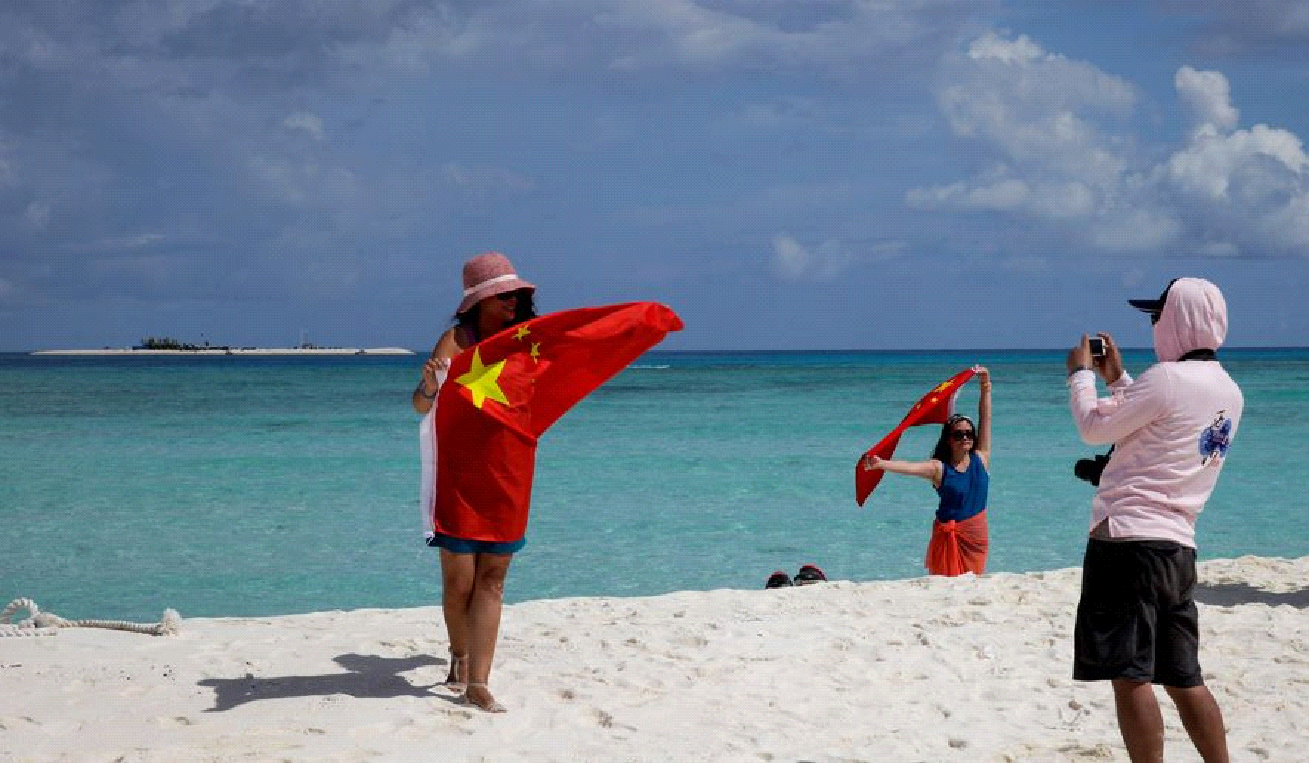
“The US is just losing market share”
Said Adam Sacks, president of consulting company Tourism Economics. “Something’s made the US uncompetitive, and I would target the trade war as one of the reasons.”
“We can’t control the market conditions, geopolitics comes into play,” said Christopher Heywood of NYC & Company, the city’s official tourism marketing agency. “
Meanwhile, some US competitors may gain an advantage. The European Travel Commission, which reported that Europe welcomed 14 million Chinese, has worked with Chinese celebrities to share videos and social media posts including Europe.
Some tourism companies feel compressed. DFS Hawaii, which operates duty-free shops at Hawaiian airports, plans to lay off a quarter of its workforce, indicating the decline in tourists from China and elsewhere in Asia as a reason.
Marketing tourist agencies for states and cities secure their bets by increasing reach to countries other than China. Western Utah and the city of Los Angeles are also trying to expand their presence in countries such as India, whose large and youthful middle class is considered a potentially rich source of tourist dollars.
As US tourism agencies said they were looking for other potential sources of visitors in India and elsewhere, they have to calculate, that Indian tourists are less accustomed to traveling to the US. “There’s a great deal of interest,” said Jamie Foley of the Los Angeles Tourism and Convention Board. “But that comes with the understanding that India is very different from China.”
The US travel industry is redoubling its efforts to engage with Chinese tourists
“Chinese travelers are becoming more sophisticated and willing to try out more exotic, distant and lesser-known destinations,” Huang said, referring to double-digit growth in places outside classic hotspots such as Thailand, Japan, and the US. “A visit to the United States is not the main driver for the outgoing travel market in China.
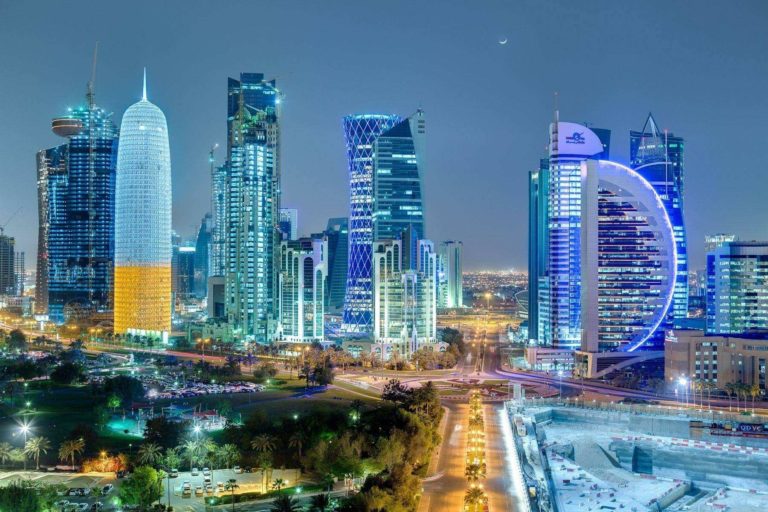

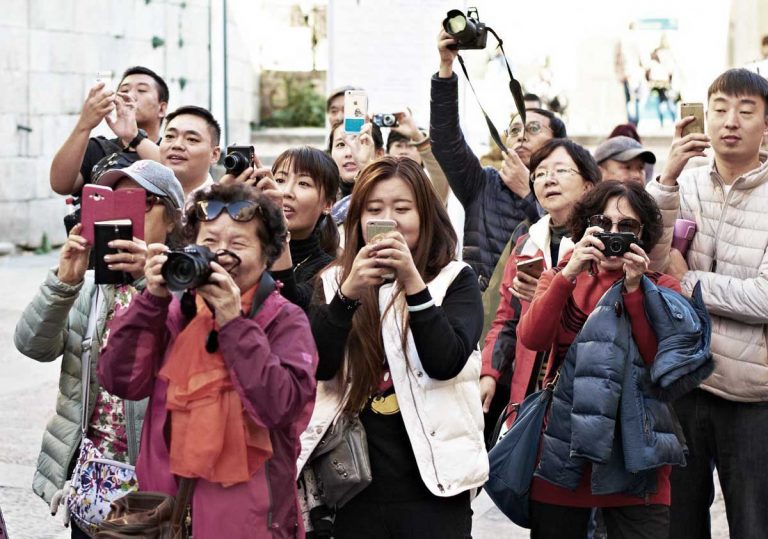

TBH not sure if it is the trade war or the actual anti-Chinese propaganda coupled with racism that is responsible for the US tourism professional to lose market share.
However it is actually hard for me to throw out a working marvel of computation and communication China VS US
This lets you work with the same
employers in the future. Professionals and employers can talk
each other with none hindrance. Innovation might be costly, and within the minds of some journalists, Apple is all the time one
(false) step away from bankruptcy. Gordon, Whitson.
Our focus is to create customized made web site clone platforms and clone scripts among numerous domains, industry verticals and categories reminiscent of crowdfunding,
vacation rental, on-line marketplaces (B2B, B2C), on-line accommodations, online reservation booking, aggregation,
travel community, resort booking, e-commerce, job portal, social network among others.