Roblox’s Metaversal goldmine tapped by beauty house Givenchy
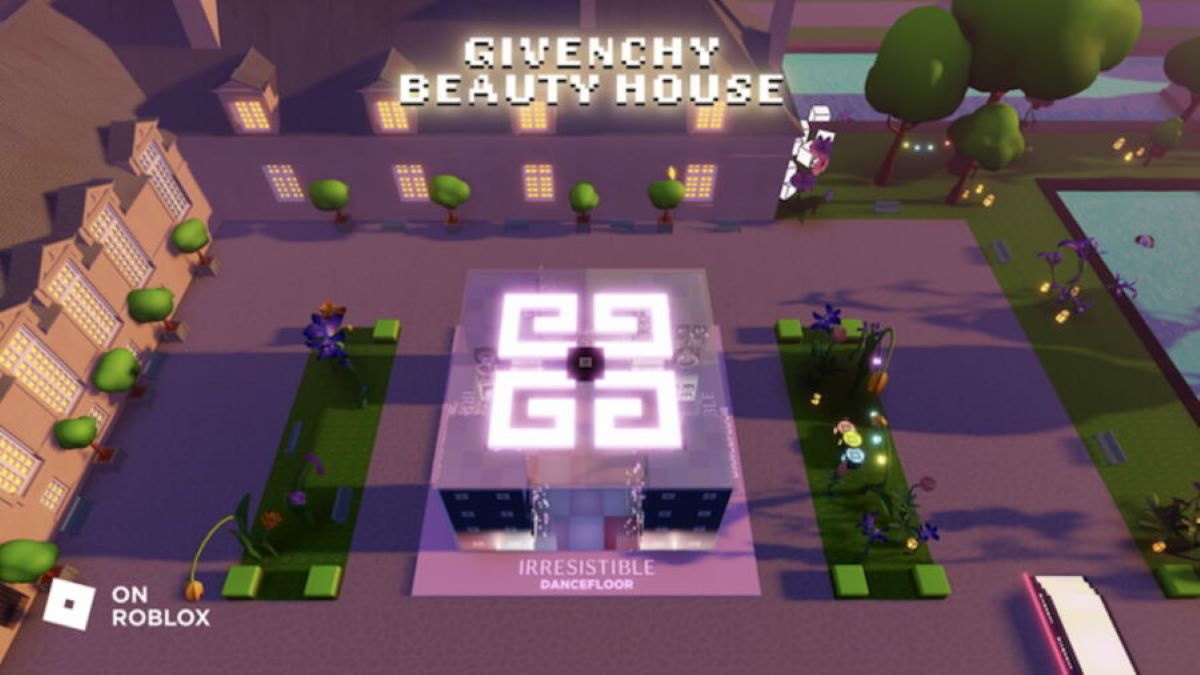
Brands looking to develop their virtual roadmaps or interact with untapped communities have turned to game platforms as their first port of call. This immersive opportunity is now being offered to fragrances. Givenchy Parfums launched its own world on the global gaming platform Roblox on June 13.
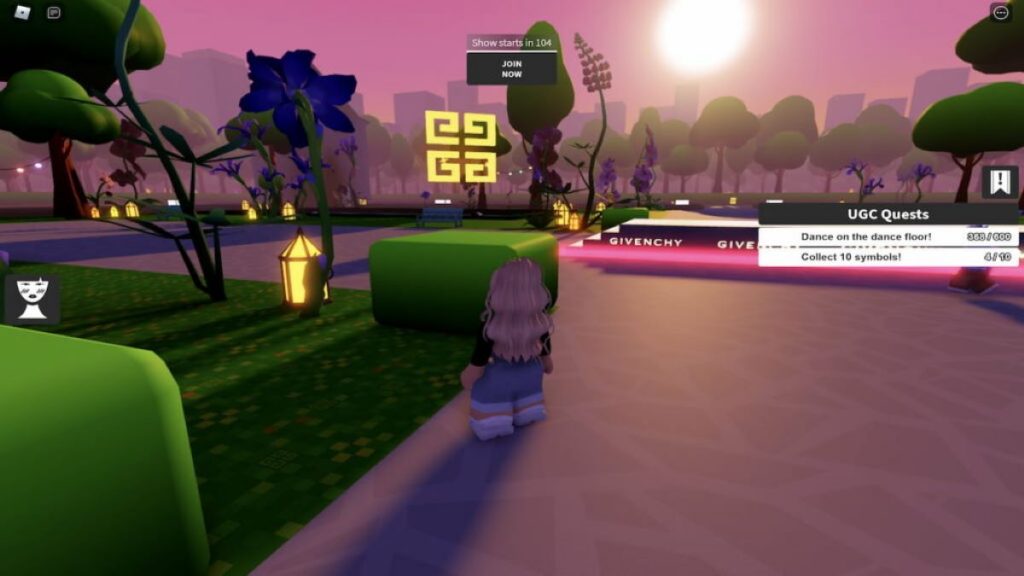
The Givenchy Beauty House, in partnership with Swedish development studio The Gang, will go live this summer. Visitors will be able to discover a magical kingdom with cityscapes and dance floors. There’s even a castle inspired by Hubert de Givenchy’s house. According to the company, users will be able to virtually apply make-up via a designated station and will also be able to enter competitions that could lead to digital fashion accessories.
Cost-Effective Agency
KPI and Results focused. We are the most visible Marketing Agency for China. Not because of huge spending but because of our SMART Strategies. Let us help you with: E-Commerce, Search Engine Optimization, Advertising, Weibo, WeChat, WeChat Store & PR.
Givenchy Beauty House will be the first immersive beauty experience on Roblox
The Givenchy Beauty House will be the first immersive beauty experience on Roblox. However, this is not the first time the French house has been called a pioneer of luxury cosmetics in this metaverse. Givenchy Parfums released its own virtual make-up line in 2020. This was made possible by the video game Animal Crossing where players could use and explore some of the brand’s most popular products through their avatars.

The metaverse has seen a lot of activity from the cosmetics industry over the past year. Guerlain, a perfume designer owned by LVMH, released 1,828 Cryptobee NFTs in March as part of a biodiversity project. The initiative was aimed at supporting a rewilding program in the Vallée de la Milliere nature reserve in France. Nars Cosmetics also announced that it had launched a virtual world for its Chinese customers in April. The Nars virtual world allows users to create their “Navatar”, try the company’s products and earn Ncoim virtual currency. Gucci’s Bloom fragrance was also available as a digital accessory on Roblox. It went on sale at the Gucci Garden label facility in 2021.
Roblox’s luxury residences are always in high demand. Roblox is not a new platform, but labels have used its resources more effectively in recent months. Roblox used to be an escape route for dedicated players. Today, Roblox is a bankable source of revenue for fashion brands around the world, including Tommy Hilfiger’s Tommy Play and Gucci Town.
Roblox is a bankable source of revenue for fashion brands around the world
Why are video games so popular? Firstly, the games industry offers a wealth of opportunities for brands to turn ecosystems into potential customers and e-commerce opportunities. The platforms can also serve as a bridge between the virtual and physical realms.
Coincidentally, the craze for non-fungible tokens has reached a point where brands are choosing to explore unique user interfaces in this metaverse. While cynicism surrounds the metaverse, there are many opportunities for brands to create unique digital experiences while remaining grounded in reality.
This connection is maintained by the beauty house Givenchy, which allows visitors to show a face card in real life that matches their avatar’s make-up look in order to purchase products in the shop.
While Givenchy Parfum is the first company to exploit this market, it is not the last. These services could become one of the most popular and valuable e-commerce channels for consumers around the world, with gaming platforms poised to take over luxury’s long-term Web3 strategy.