Probiotics in China: The Best Way to Sell and Distribute
Updated
Probiotics have become a serious category in China, riding a wave of interest in gut health, wellness, and preventive care that keeps growing. Chinese consumers, especially health-conscious urban ones, increasingly buy probiotic supplements, drinks, and foods, and they are willing to pay for quality and trust imported products in this space. For a foreign probiotics brand, that is a real opportunity. The question that often comes first is distribution: which channel, which platform, which route gets the product to buyers. It is a fair question, but it is the second half of the job. Probiotics are a trust-heavy, health-related category where buyers research carefully and want reassurance, so the brand that wins is the one that builds demand and credibility, then channels it through the right distribution. Here is how to think about both for probiotics in China.


Why probiotics sell well in China
Health and wellness have become major priorities for Chinese consumers, and gut health in particular has caught on strongly, driving demand for probiotic supplements, drinks, and functional foods. A health-conscious, increasingly affluent population that takes preventive care seriously, combined with a strong belief that imported health products are higher quality, makes this a promising category for foreign brands. People research what they put in their bodies, look for products they trust, and are willing to pay more for credibility and proven quality. For a foreign probiotics brand, this means a deep and growing market with buyers actively seeking exactly what you offer, provided you can reach them and earn their trust. The demand is genuine and rising. The challenge is that this is a category where trust matters enormously, because consumers cannot easily judge a health product themselves, so they rely heavily on research, reviews, and credibility before they buy.
That reframes the distribution question. Getting probiotics onto a platform or shelf is necessary, but in a trust-heavy health category, placement without credibility and demand sells little, because cautious health buyers do not grab an unknown supplement off a digital shelf without checking it first.
What it takes to sell probiotics in China
A few things have to come together for a foreign probiotics brand to succeed.
- The right distribution. Often cross-border to start, which suits imported health products and lowers the barrier.
- Strong trust signals. Quality, authenticity, and credibility that reassure cautious health buyers.
- Educational content. Information that helps buyers understand and believe in your product’s benefits.
- Reviews and proof. Real experiences and verification that turn interest into confidence.
Which distribution suits probiotics best?
For many foreign probiotics brands, cross-border channels are a sensible start, because they suit imported health products and let you reach Chinese buyers with a lighter setup than full local registration. Buyers actively use cross-border channels to get imported supplements they believe are genuine and higher quality, which fits the probiotics story well. Starting cross-border lets you test demand, prove the market, and build a reputation before committing to heavier local operations, which matters in a regulated, trust-sensitive category. As demand grows and the model proves out, you can expand into broader distribution. The point is to match the channel to your product and stage rather than chasing the biggest platform by default, and for imported health products, a cross-border route that reassures buyers about authenticity is often the right first move. But the channel is only half the answer, because even the best distribution sells nothing without demand and trust behind it.
How do I build demand and trust for a health product?
By educating and reassuring buyers where they research health products, because probiotics are bought on understanding and trust, not impulse. Create genuine, informative content and gather real reviews where your buyer looks, especially on Xiaohongshu, where health-conscious consumers research, share experiences, and validate wellness products before buying. Help people understand what your probiotics do and why yours are trustworthy, and let real users’ experiences build confidence. And when a careful health buyer searches your brand to confirm it is genuine and safe, your presence on Baidu must reassure them, because in a health category that verification is decisive. Demand built on understanding, trust built on credibility and reviews, and distribution that suits imported health products, together these turn probiotics into real sales. A brand that only sets up distribution and skips the trust-building work sells little in a category where buyers research before they swallow.
Can a small probiotics brand compete?
Yes, because health buyers care about trust and quality, not brand size, which suits a focused small brand. A smaller probiotics brand with a genuinely good product, clear evidence, and a credible presence can win health-conscious buyers who want something they can believe in rather than the loudest name. The approach is the same as for any size: choose distribution that fits, often cross-border to start, build demand through educational content and real reviews, and be credible when buyers check you. You do not need a giant budget, you need to be findable, understandable, and trusted in a category where trust is everything. Start by building genuine demand and credibility with health-conscious buyers, prove the model on a lighter setup, then expand distribution as the numbers justify. A focused small probiotics brand that earns trust properly can build a loyal following in a market that is actively looking for quality wellness products it can rely on.
The 2026 picture: how big the probiotics market is
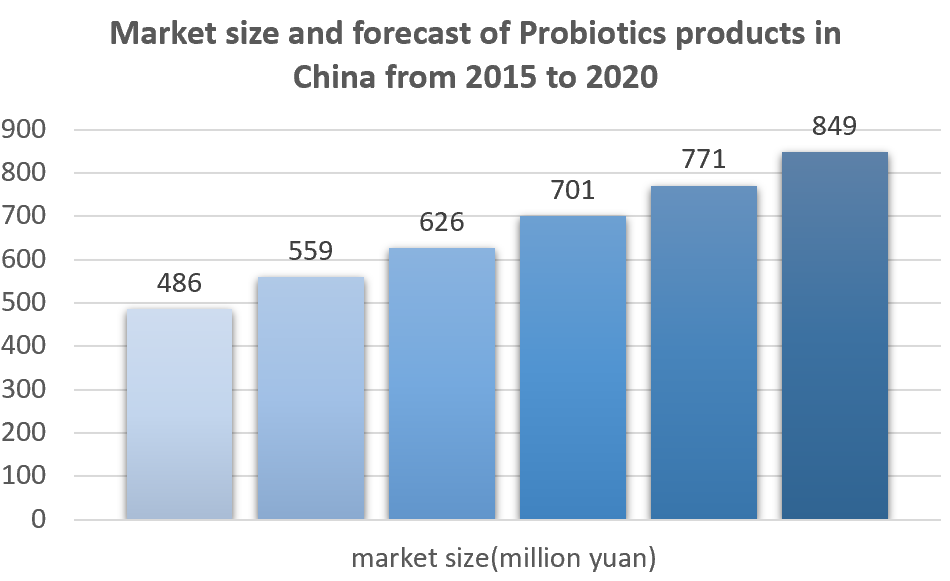
The size of the opportunity is real. China’s probiotics market generated about $10.8 billion in revenue in 2025 and is forecast to grow at roughly 13.1% a year toward the early 2030s. Probiotic food and beverages make up the largest slice at about 72% of the market, while supplements are the fastest-growing segment. China is the second-largest probiotics market in the world and takes close to half of all probiotic consumption in Asia Pacific. For a foreign brand, those numbers confirm a deep, expanding, trust-sensitive category, exactly the kind where credibility and education, not just shelf placement, decide who wins.
Frequently asked questions
How big is China’s probiotics market?
About $10.8 billion in 2025, growing at roughly 13.1% a year. China is the second-largest probiotics market globally and accounts for nearly half of probiotic consumption in Asia Pacific.
What is the best way to sell probiotics in China?
For most foreign brands, start with cross-border e-commerce. It suits imported health products, carries lighter requirements than full local registration, and lets you test demand before committing to heavier operations.
Why is trust so important for probiotics?
Buyers cannot judge a health product themselves, so they rely on research, reviews, and credibility before buying. Education on Xiaohongshu and a solid Baidu presence do more than any discount.
Can a small probiotics brand succeed in China?
Yes. Health buyers care about quality and trust, not brand size. A focused brand with a genuinely good product, clear evidence, and a credible presence can win loyal buyers without a big budget.
Where we come in
We are a team of 15 in Shanghai who help foreign health and wellness brands sell in China: the right distribution for your stage, the educational content and reviews that build demand and trust, and a credible presence on Baidu when buyers verify you. If you want probiotics that actually sell, tell us about your product.
Jon Wang is a hands-on business man specialising in ecommerce, distribution, and down-to-earth solutions for brands entering the Chinese market.

Super good article.
Check coments and questions of professionals on Facebook group health China
https://www.facebook.com/groups/501642804048080/posts/943832783162411/
Hello
in China, ecommerce only so. Best distribution is tmall, JD and douyin that it . ๐