
Organic and Natural Wine in China: A Small Producer’s Real Opportunity
Updated
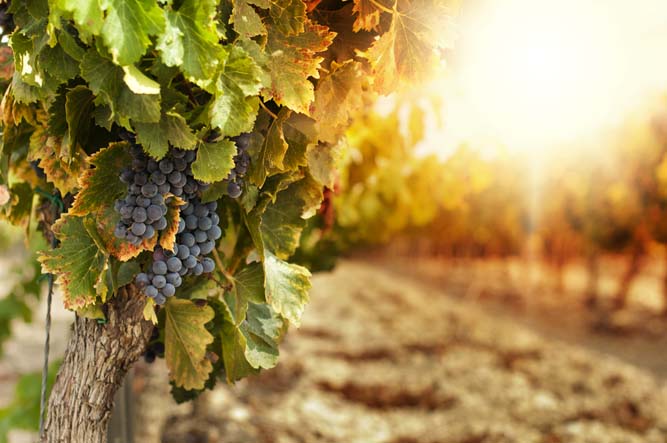
China drinks a lot of wine, and the way it drinks is changing in a direction that should make every small natural and organic producer pay attention. The first wave of Chinese wine culture was about face: famous Bordeaux labels, red wine for banquets, the more expensive the better. The new wave is different. Younger, health-conscious, curious drinkers are asking what is actually in the bottle, where the grapes were grown, and whether it was made cleanly. Organic and natural wine fits that question perfectly, and the producers who tell that story well are finding a real, loyal audience.

Why organic and natural wine fits China now
Two big shifts came together. First, health and wellness became a defining value for younger urban Chinese, who increasingly read labels, avoid additives, and pay for clean, natural products across food and drink. Second, wine knowledge deepened, so buyers moved past “expensive equals good” toward genuine curiosity about origin, method, and taste. Organic and natural wine sits exactly where those two trends meet: it is both a wellness choice and a connoisseur’s choice.
There is also the trust factor that shapes all food and drink in China. “Organic,” “natural,” and “low-intervention” read as cleaner and safer to a population that worries about what goes into its food. For the right buyer, a clearly-explained natural wine is not a niche curiosity, it is a reassuring, premium choice worth paying for.
Who actually buys it
Not the old banquet drinker. The natural wine buyer in China skews younger, more urban, often female, and digitally native. They discover wine through social content, not through a sommelier or a wine merchant. They drink at home, with friends, or at casual gatherings rather than formal dinners. And they care about the story: who made it, why, and what makes it different. They are buying an identity and a value as much as a drink.
How a small producer reaches them
Through story and social proof, on the platforms where these buyers live. Xiaohongshu is where younger Chinese learn what to drink and feel confident choosing, full of real people sharing what they opened and why they liked it. A small natural producer with a clear, honest story and a beautiful, understandable presence there can build a following far more easily than it could fight famous labels on a wine list. Keep the message human: where it is from, how it is made, when to drink it, what to eat with it.
Avoid the trap most foreign wineries fall into, leading with terroir lectures and critic scores. The Chinese natural-wine buyer wants to feel smart and relaxed, not tested. Make choosing your wine easy and pleasurable, and let the depth be there for the few who go looking for it.
The gifting angle most producers miss
Wine is a huge gifting category in China, and “clean, healthy, organic” is an attractive thing to give, it signals care and good taste. A natural wine with lovely, giftable packaging and a clear story can sell strongly around festivals and occasions, not just for personal drinking. Think about how your bottle looks as a present, not only as a product on a shelf.
Is the market big enough to bother for a small winery?
A niche in China is still enormous. Even a small slice of Chinese wine drinkers who care about organic and natural is a meaningful business for a small producer, and it is far less crowded than the mainstream wine fight. The point is not to sell to everyone, it is to become the obvious choice for the specific buyer who wants exactly what you make. That focus is the advantage, not the limitation.
What about the rules on importing and selling wine?
Alcohol has import duties, labelling requirements, and distribution considerations, so the logistics need a proper local setup or partner. Many small producers test the market through cross-border channels and social selling first, building demand before committing to heavier distribution. Validate the audience, then scale the supply chain to match it.

Where we come in
We are a team of 15 in Shanghai who help small wine and F&B brands tell their story to the Chinese buyers who care, build presence where wine decisions are made, and get found on Baidu when people check you. If you make organic or natural wine and want into China without a giant budget, tell us about it.
Jon Wang is a hands-on business man specialising in ecommerce, distribution, and down-to-earth solutions for brands entering the Chinese market.
Interesting trends , organic wine is really for Wine connaisseur
Very interesting article French Cellar.
I think it is only in big city not small and medium one
Temple Bruer Winery estimates as much as a 25 percent boost in its export market after attaining full organic certification in China.