The Logic behing Chinese Name, and How Chinese Choose their English Name

It is sometimes convenient to have your own Chinese name when trading with the Chinese. Certainly, there is a good chance that your interlocutors are English-speaking. However, a Chinese name will be more easily anchored in the memory of your colleagues and business partners, exactly as it is easier for you to remember the English nickname of your colleague than their real Chinese name. Why?

Because memory works by ideas association. If names like Xu Xiaosheng or Wang Zhengjin do not mention anything in your mind, it is likely that a Jeffrey or a Kimmy will be easier to memorize for a Westerner.
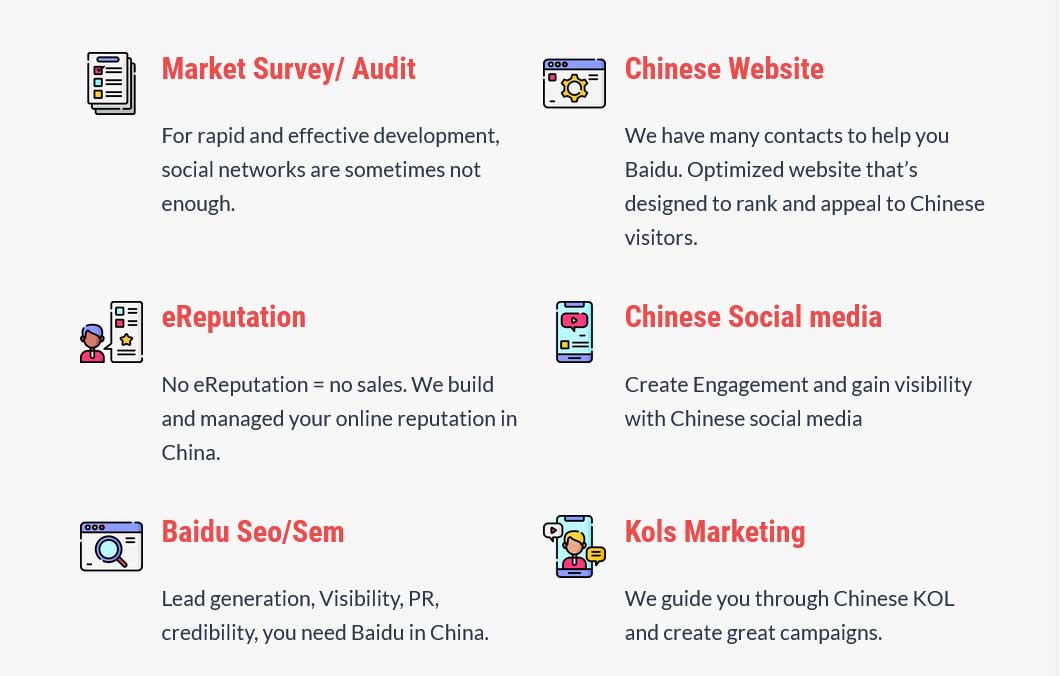
Cost-Effective Agency
KPI and Results focused. We are the most visible Marketing Agency for China. Not because of huge spending but because of our SMART Strategies. Let us help you with: E-Commerce, Search Engine Optimization, Advertising, Weibo, WeChat, WeChat Store & PR.
How Chinese parents choose a name for their child
Chinese tradition is willing to choose a powerful first name, supposed to give the child an ambitious and successful destiny. It is not, therefore, out of place in China to call itself ‘great virtue’, ‘glory’ or ‘triumph’.
Signs are very important in the first name’s choice: the particular events preceding the birth, but also seasons and weather that very same day.
It is then easy to understand that one’s named Morning Snow will be born in January, Sand Grain probably in summer, etc. Each name thus gives rise to a touching story that the person can tell when he or she shows up, illustrating the attachment of his family for him.
The Chinese name is composed of three particles: one character for the first name, which comes from the family and does not necessarily have a particular meaning. The other two characters are associations of ideas with a more harmonious consonance.
Choose a good Chinese name for yourself
The point is: like Chinese enjoy doing it, to tell a nice anecdote about your birth through your name. Let’s copy the Chinese. Go back to your dear parents and ask them how the weather was like when you were born, or ask your uncles and aunts to remember anything from that time of your birth
A bird made its nest in the garden the day before your birth and you’re born in December? Now you’re called Winter Robin. You were born in April and your parents chose white pajamas for you? Here you are, White Spring. You understand the principle!
Feminine names will prefer a character that accentuates their gender – the distinction is made by the choice of the written character, composed of a particle indicating femininity. In the same way, floral and poetic names are well seen, using characters like lotus, flower, plum …
It is always easier to transcribe literally your European name. There are also ready-made translations for the most common first names: ‘Ma Li’ for Mary, ‘Yalishanda’ for Alexander, ‘Xialuote’ for Charlotte, and ‘Ma Ke’ for Mark are examples. The disadvantage of these translations is that those characters do not represent you as an individual.
The choice of the surname is already easier: as family names have relatively few meanings, they must be as close as possible to your real surname. Choose from the list of the 100 most common names in China.
Mistakes to avoid while choosing your Chinese name
Although Chinese people carry grandiloquent names, it is frowned upon for a stranger to choose this kind of name of his own. Forget the ‘magnificent’ or ‘glorious’. Choose a particle of your new name that recalls your physical appearance: those that will necessarily be noticed first in China, for example, ‘blue’ if you have blue eyes, ‘big’ if you are over 1.80m, etc. This will create an association of ideas in your interlocutors’ minds and they will remember you quicker.
No need to choose a name that would make your interlocutors laugh at you. You do not want to lose your professional credibility. A name is not supposed to be far-fetched, although the notion of what is original differs from China to the West. Do not copy the names of great European intellectuals and absolutely avoid sexual connotations. Also avoid political or religious claims through your Chinese name: China is not the right ground for the campaign.
If you ask a Chinese to choose one name for you, make sure of its meaning and be careful not to mix two characters sounding similar when you write it. With the ‘Yi’ sound, you can go from a name that nicely indicates your femininity to ‘addiction to someone’, ‘suspicion’ or ‘epidemic of a disease.
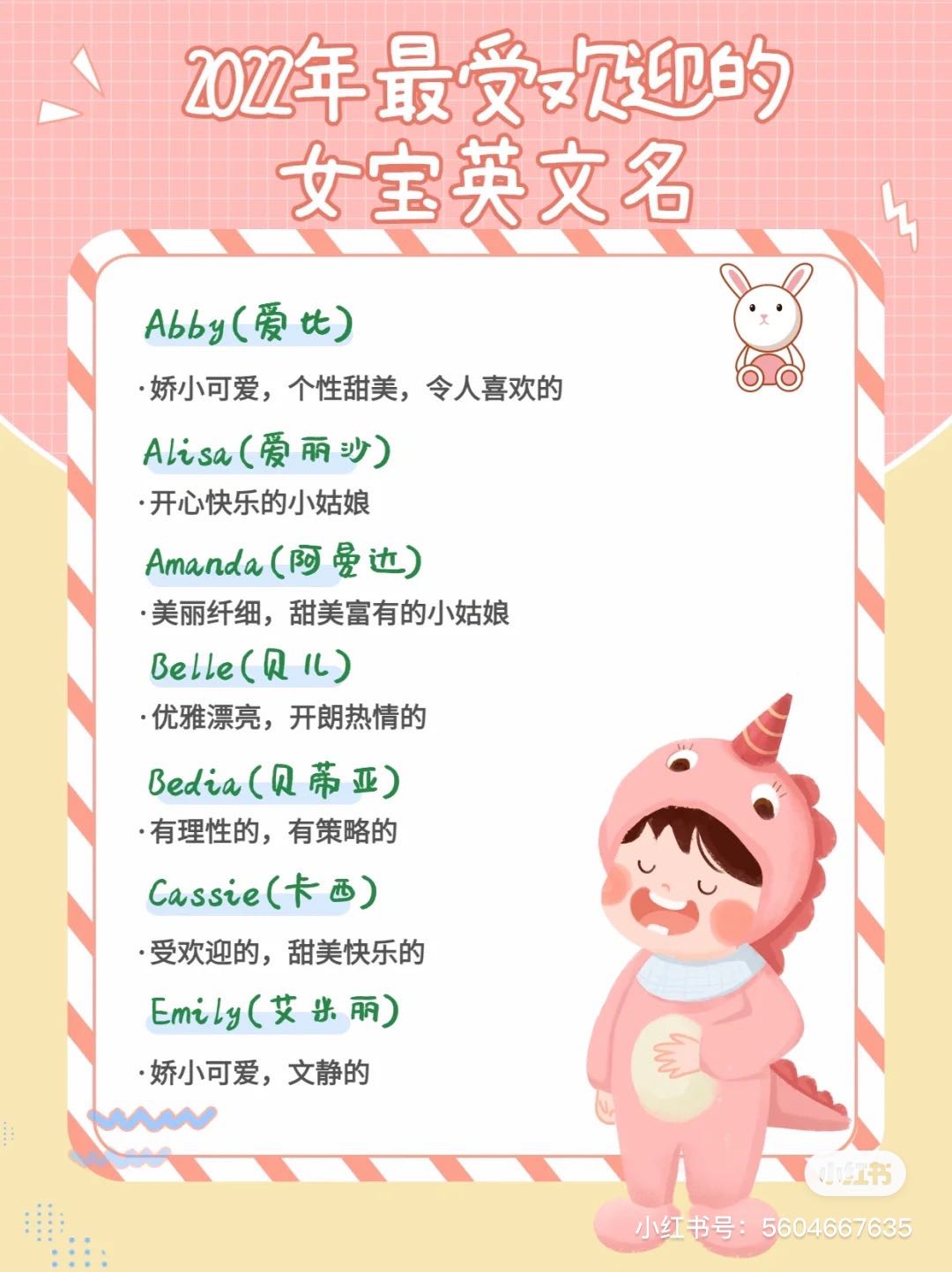
How do Chinese people choose their English first name?
- Most will simply decide to take the name of a celebrity they love. We find a lot of Jackie for Jackie Chan. Singers, footballers, movie heroes and TV series are first choice: Leehom for national singer Leehom Wang, Forest for Forest Gump, Robbie for Robbie Williams, not to mention Bonnie, Neymar, Judy …
- Former women politicians are inspiring names for young Chinese girls at the beginning of their career, without any association with their political movement: Margaret for Margaret Tatcher, Jacqueline for Jackie Kennedy.
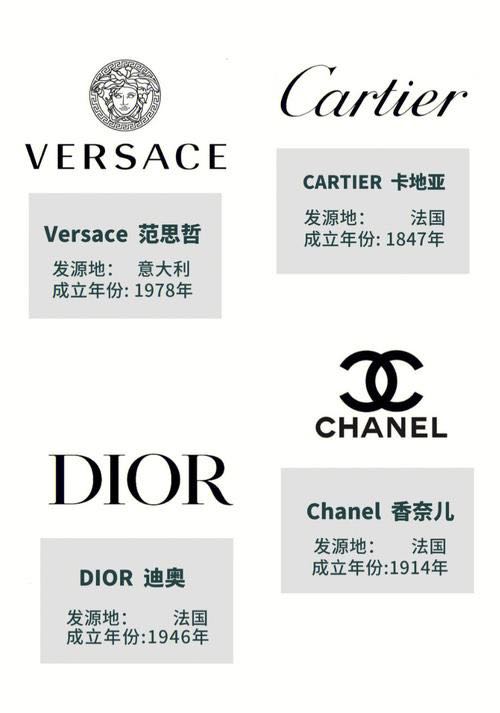
- Inspiration is not limited to this: cartoon characters or children’s stories, as well as brand names, also appeal to Chinese people for Mandarin-sounding questions. This is the case, for example, of Wendy, heroine of Peter Pan, Sissy for the Empress or Calvin for Calvin Klein.
- At school, language teachers will give them a name close to the sound of their Chinese first name, like Jenny, Ben or Emma. It is possible that they choose a literal transcription, easy to perform on feminine first names like Lily, Jasmine, Sherry …
- Young girls like fresh names reminiscent of holidays, like Sunny, Shelley or Summer, which are ultimately a reflection of Chinese flowery and poetic feminine names.
- In the working life, simple and easy-to-pronounce English names are preferred: Stephanie, Anna or Marc facilitate their introduction to foreign colleagues.
- Men like first names worn by recognized American businessmen, like Frank or Mike.
- Sometimes, Chinese pride will prevail and one will choose a glorious name sticking to the Chinese tradition. It let Westerners chuckle for its apparent lack of modesty. If Arthur – like the King – passes easily, Apollo – as Sun god – challenges more.
And after?
You will have to write your new name on your business card, the front side in English, and the backside all translated in Chinese. Never forget to exchange and receive business cards with both hands in China!

SEO Agenct China gives you the best pieces of advice for better integration in your professional life in China.
Choosing the right Chinese name for your brand is also a very delicate matter. Our agency can help you with your branding localisation and with a tailored marketing strategy to succeed in China.
Contact us and get a free 30min consultation with one of our experts.