Lift & elevator market is on the rise in China

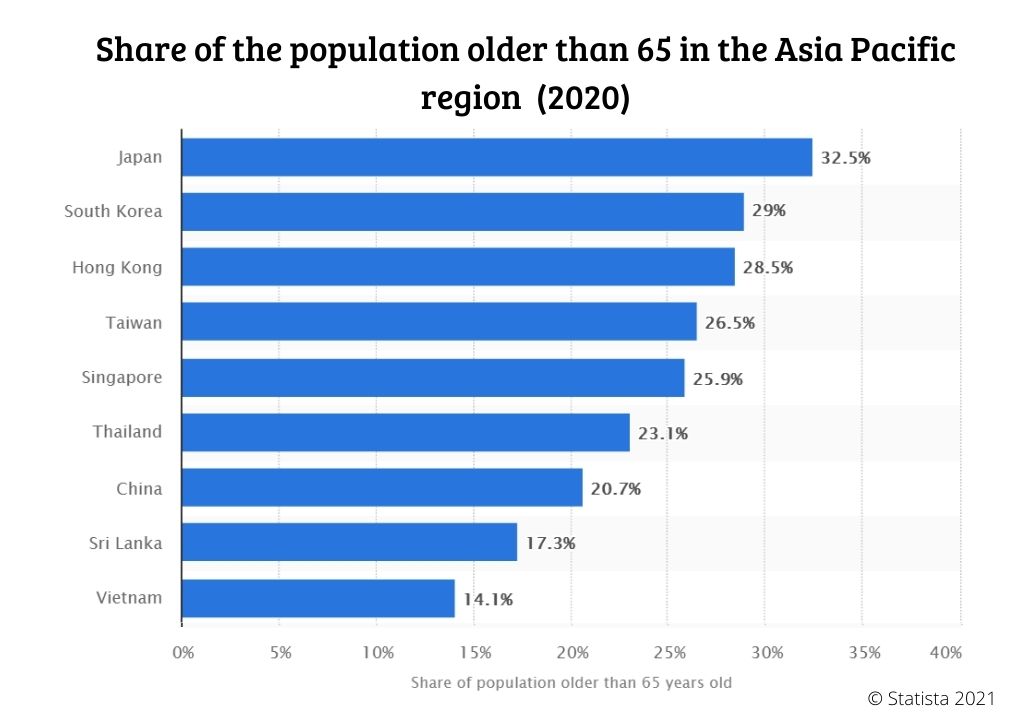
Following China’s economic development, many buildings and skyscrapers have emerged over the last decades and the country is leading the APAC region when it comes to the elevators & lifts market. The Chinese population has benefited from increasing wages as well as more purchasing power than before and is also growing older with 20.7% of its population aged over 65 years old as of 2020. All these factors have contributed to the rise of the lift and elevator market in China, a promising and lucrative industry for foreign brands that want to expand their activities overseas.
Why is the (personal) Lift & elevator Market growing in China?
China: An Aging Population
With almost 1.4 billion inhabitants, China is not only the country with the largest population on earth, but it is also one of the countries with the fastest aging population. This can be related to decades of falling birth rates on the one hand as well as the one-child policy, and the rising life expectancy on the other. It is estimated that 20.7% of the Chinese population was aged over 65 as of 2020.
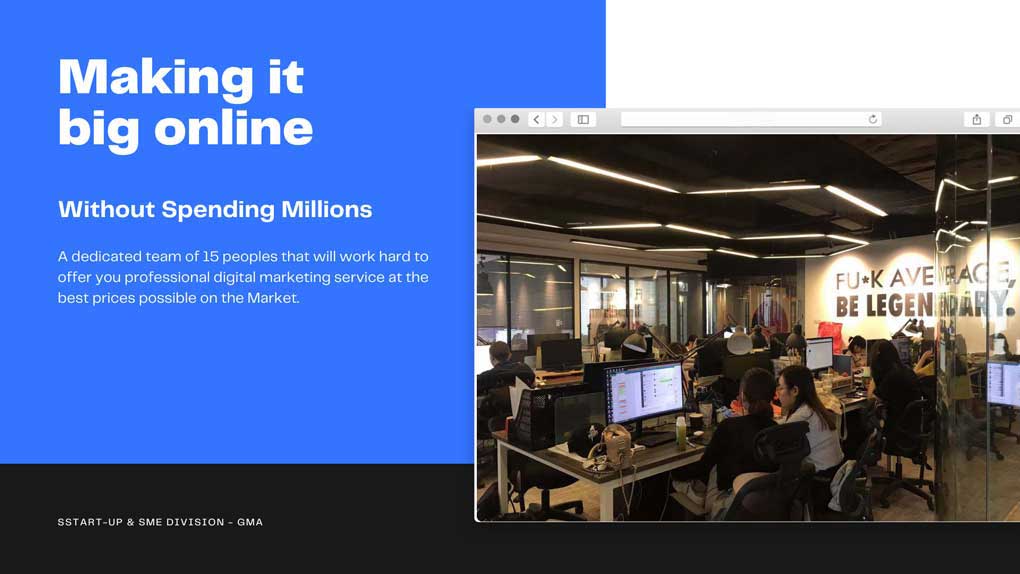
Cost-Effective Agency
KPI and Results focused. We are the most visible Marketing Agency for China. Not because of huge spending but because of our SMART Strategies. Let us help you with: E-Commerce, Search Engine Optimization, Advertising, Weibo, WeChat, WeChat Store & PR.
Thanks to China’s economic growth, the Chinese population has benefited from a rise in wages, thus contributing to their increasing purchasing power. This has paved the way to the rapid increase in the market of elevators, escalators, and lifts. On another hand for Chinese people, taking care of the elders is primordial, and children have to help their parents as much as they can. This is why many people are investing in in-home elevators for their old parents or grandparents.
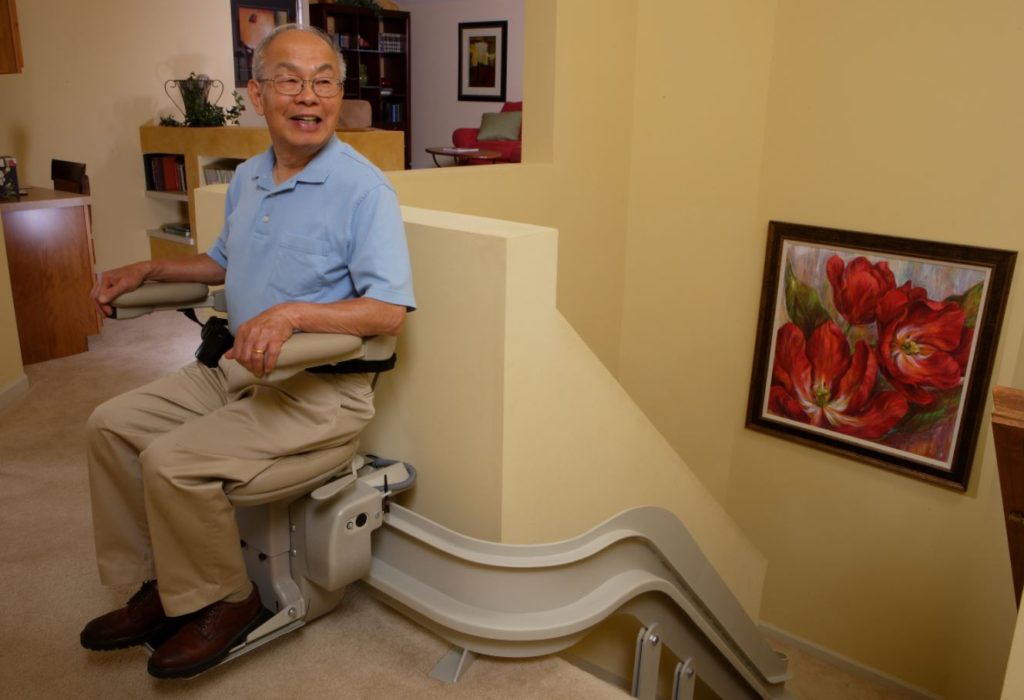
In China as anywhere else in the world, mobility may start to decrease and daily tasks such as walking up and down the stairs every day have turned into a daily chore for older people. In order to be autonomous, Chinese people are increasingly turning to stair lifts when they have their own stairs. So, if your company sells stair lifts, for example, China can be a lucrative and promising market for you as you’ll be able to attract a wide audience.
China: The world’s largest elevator and escalator markets
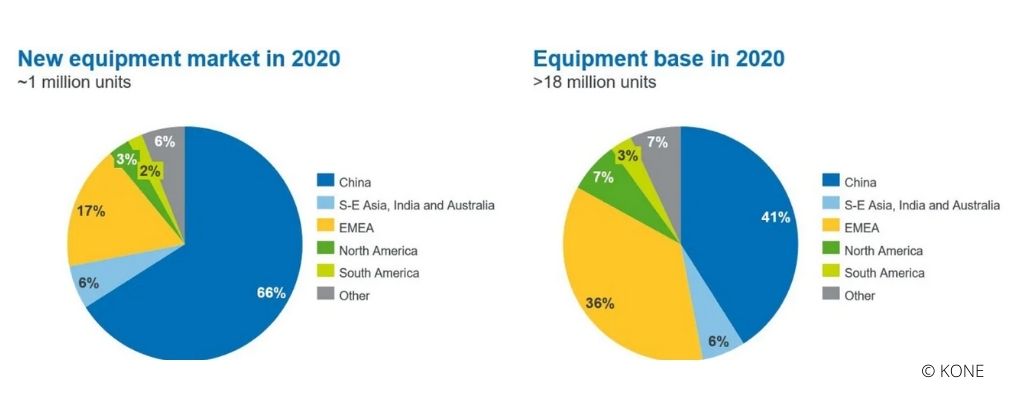
While the main manufacturers and companies specialized in elevators, lifts, and escalators are based in the United States, Switzerland, Germany, Finland, and Japan, the most prolific markets for elevators are the world’s most populous countries: China and India. According to the Finnish company KONE, China is both the world’s largest new equipment market and equipment base, followed by India.
In fact, if we look at the operating revenues of elevator, escalator, and lift manufacture in China, they have reached approximately 33.36 billion U.S. dollars in 2020 and this market is expected to grow even more after the Covid-19 pandemic.
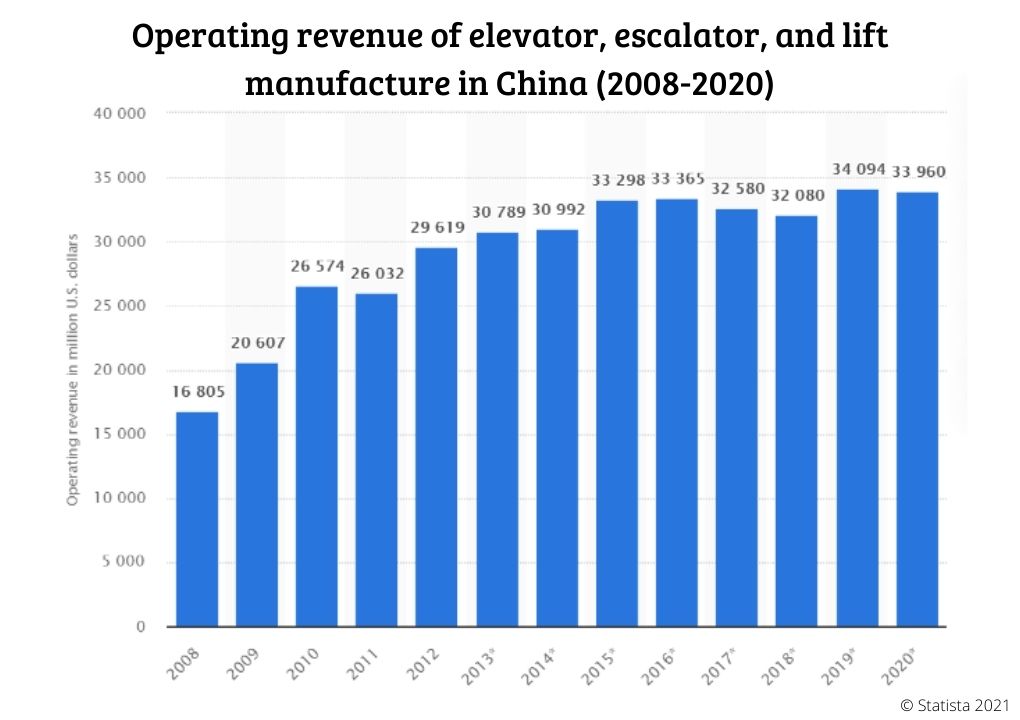
After the Covid lock-down in China, the escalators market has grown exponentially following various new installations. Moreover, nowadays people are conscious of their environmental impact and the importance of energy-efficient buildings, as well as the potential of smart elevators. Thus, because China has a dozen of buildings emerging all across the country every year, there is increasing demand for new installations as well as modernization and servicing.
Skyscrapers in China
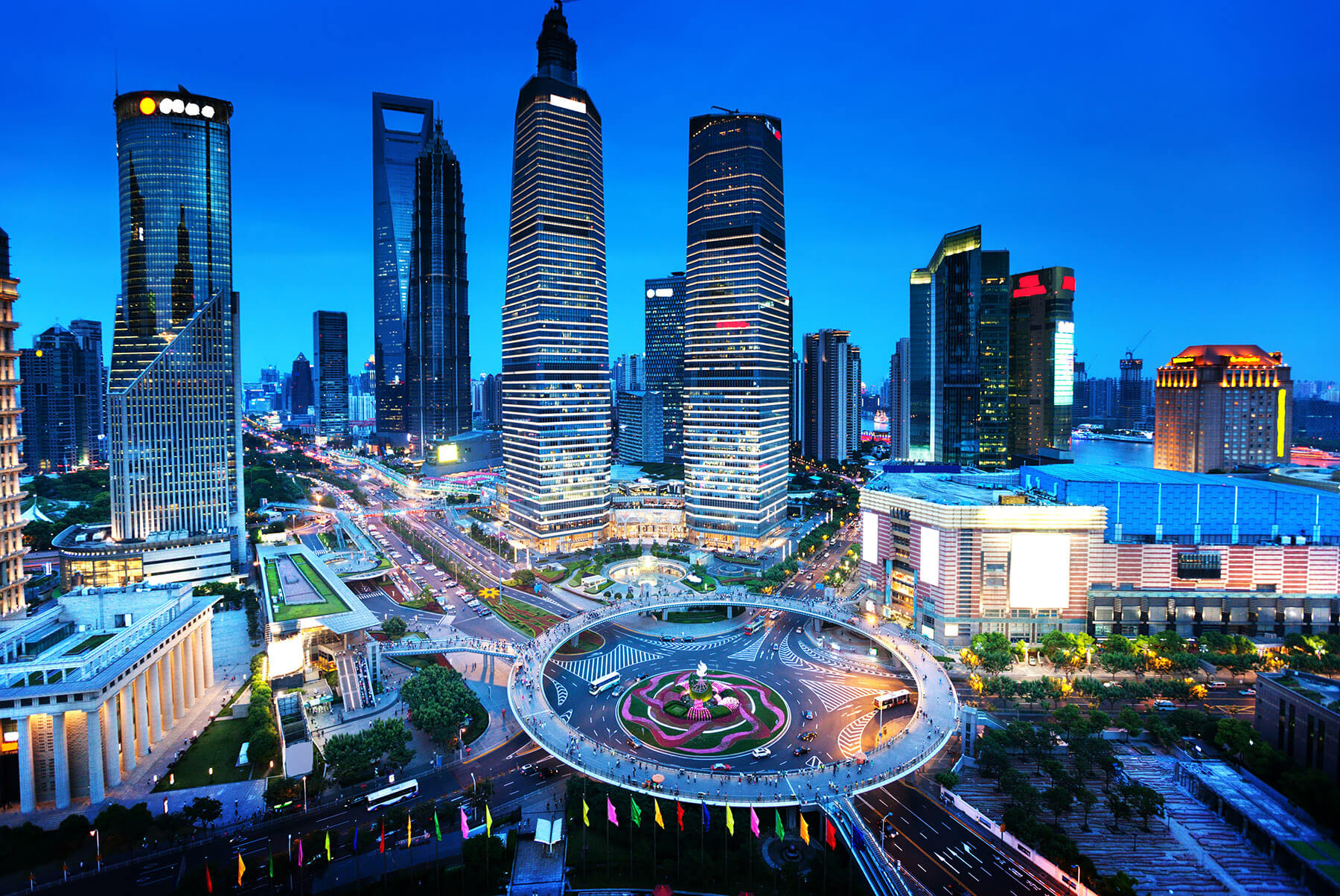
As you probably already know, over the past few years plenty of skyscrapers (200-meters or taller) have emerged all across China, not only in the first-tier cities but also in more rural cities. Thus, elevators and lifts are also linked to these skyscrapers as they are necessary for both residential apartments and business offices.
It is estimated that a single city in China built more skyscrapers than the US and Australia combined in 2016. Moreover, despite the disruption caused by the Covid-19 pandemic, China completed 56 buildings 200 meters tall or higher and is at the top of the rankings for the last 25 years, just after Dubai.
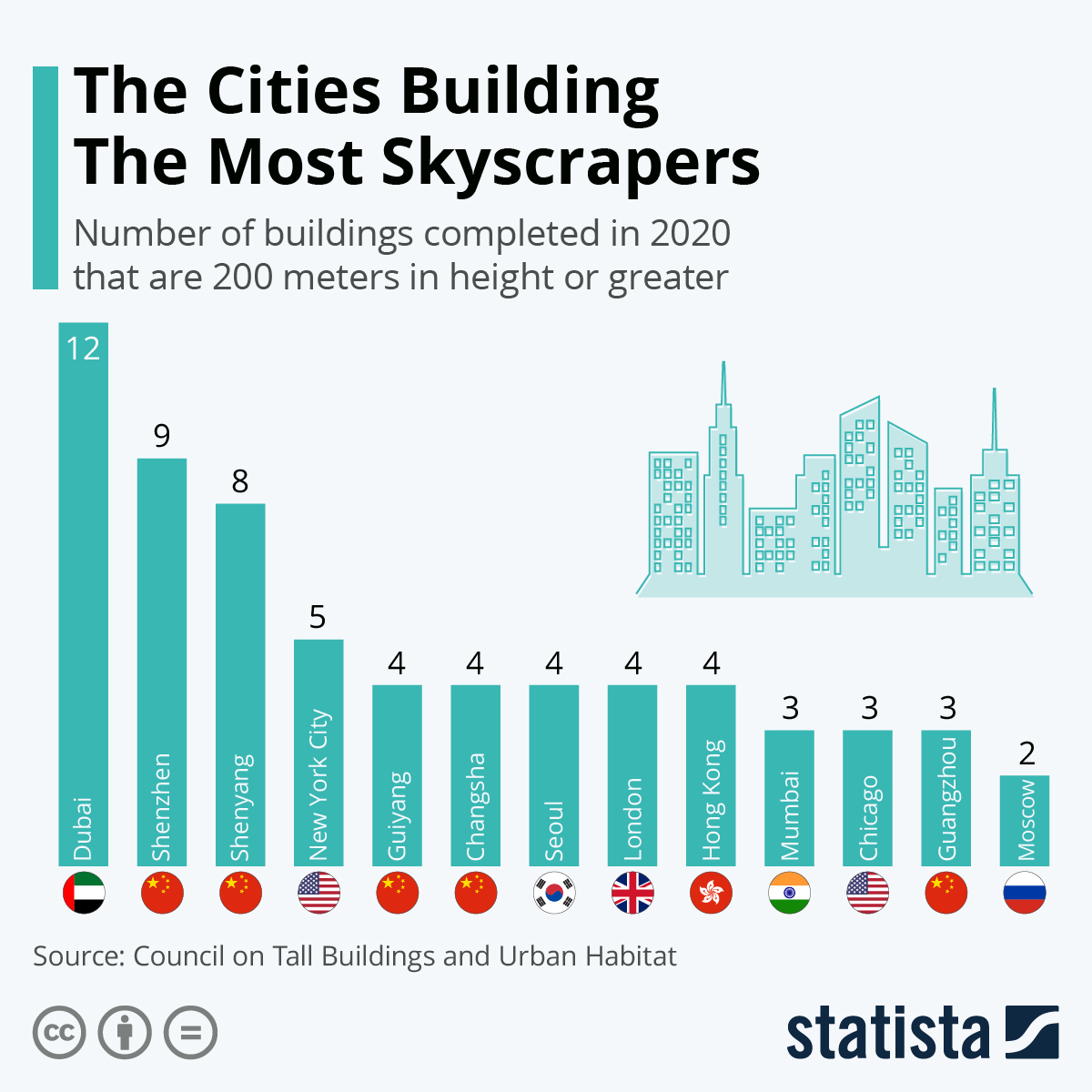
After the Covid-19 pandemic that has greatly impacted the elevator and lifts industry in China, the construction industry, in general, is expected to bounce back in the few months to come.
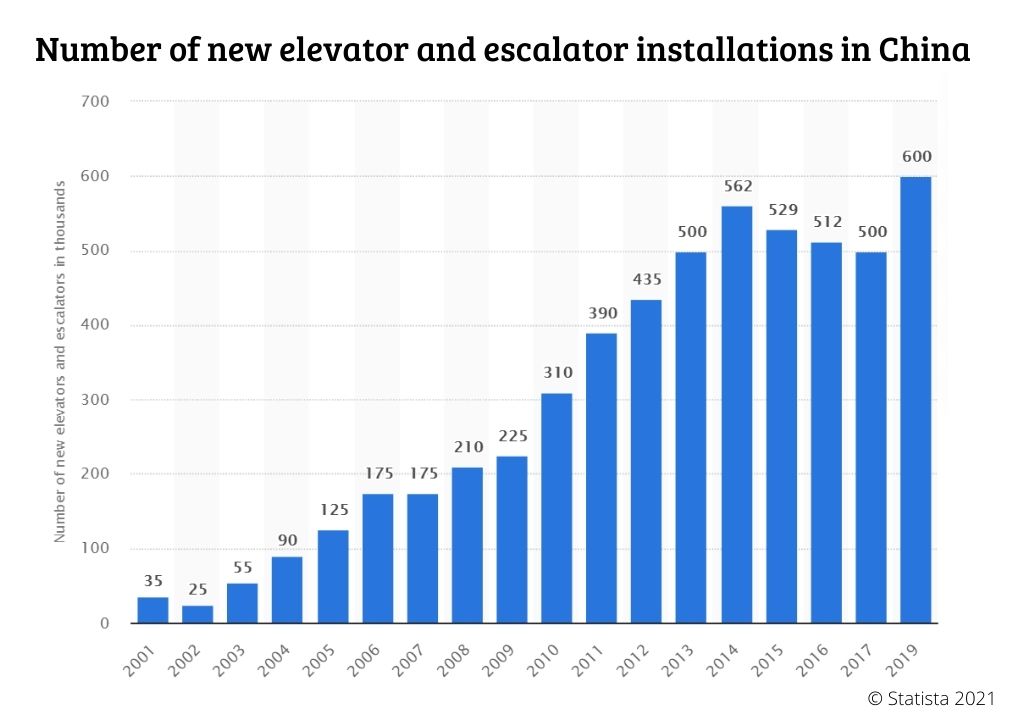
Over the last two decades, the number of new elevators and escalator installations annually in China rose exponentially following China’s economic expansion. By 2019, roughly 600,000 new escalators and elevators were installed in the country.
What are the major elevator and escalator manufacturers in the world?
In recent years, thanks to the low energy-efficiency of buildings and infrastructures, as well as an aging population in need of vertical transport allowing growth opportunities, many foreign companies were able to stand out in the field of elevators and escalators, such as Otis, Schindler, Mitsubishi, Kone, Fujitec etc. which are also ranked as the major elevator and escalator manufacturers worldwide.
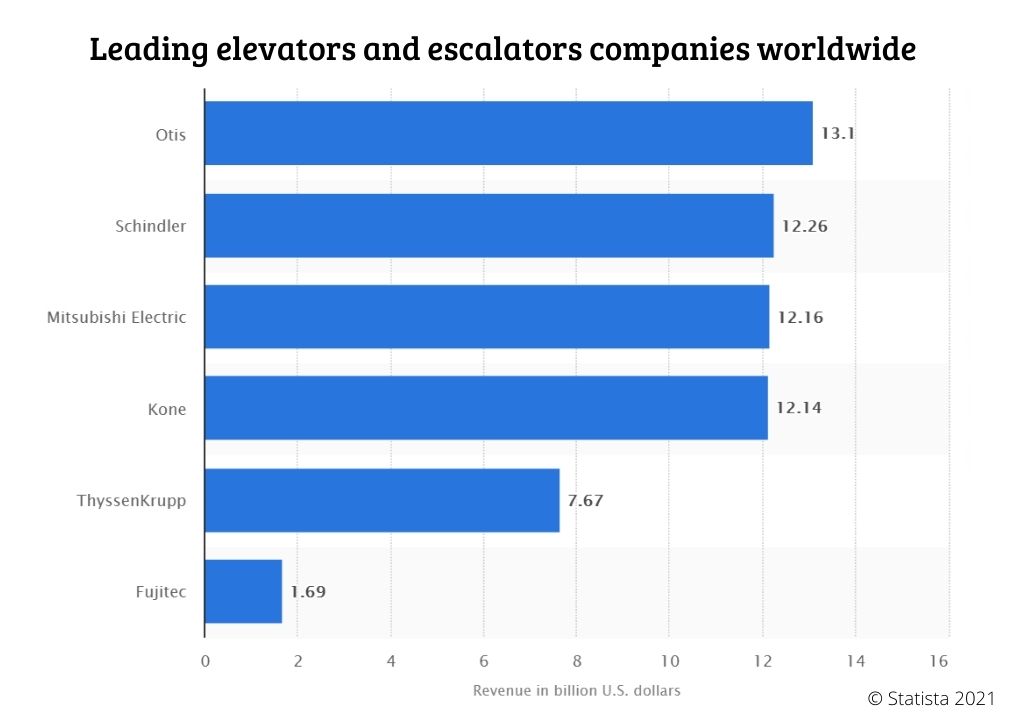
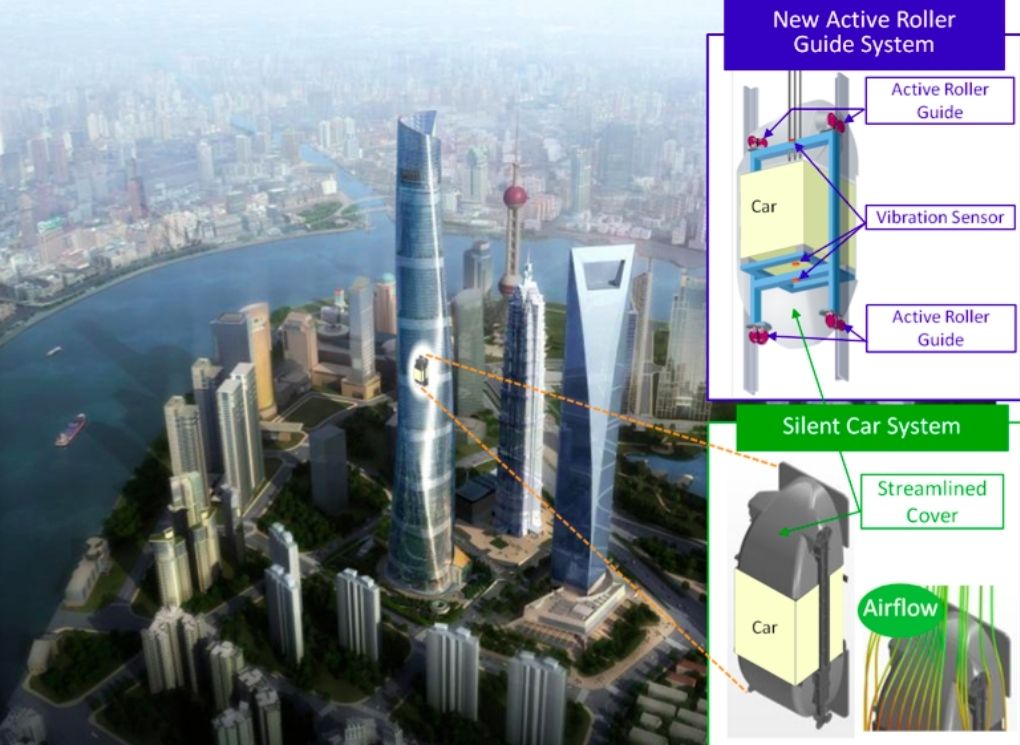
With $13.1 billion as of 2020, Otis is the leading elevators and escalators company in the world. It is also one of the leaders in the Chinese market for many years. Mitsubishi is also quite popular and appreciated in China, making its way into famous buildings around China, and especially in Shanghai.
How to sell your lifts and elevators in China?
Even though the lift and elevator market in China is very promising, it can be extremely difficult for new brands to conquer and attract potential partners and customers. In fact, some of the most popular brands specialized in lifts, elevators, and escalators have already established their company in China. Thus, you will need to do research about your competitors beforehand, in order to plan your marketing strategies. However, you can at first start with the basics of the Chinese market.
To sell lifts & Elevators in China you’ll need a Website in Mandarin
In order for a business to make it in China, having a website optimized with Baidu SEO is critical: it will not only allow your site to rank better on Google and other search engines but also be able to reach an audience of over 600 million people. There are many considerations when optimizing your site for the Chinese market including SEO keywords and PR.
First, you need to register a Chinese domain name. When people search for your website in Baidu, they’ll see the Mandarin version of it. Then, you can optimize your site using local keywords that are relevant to China.
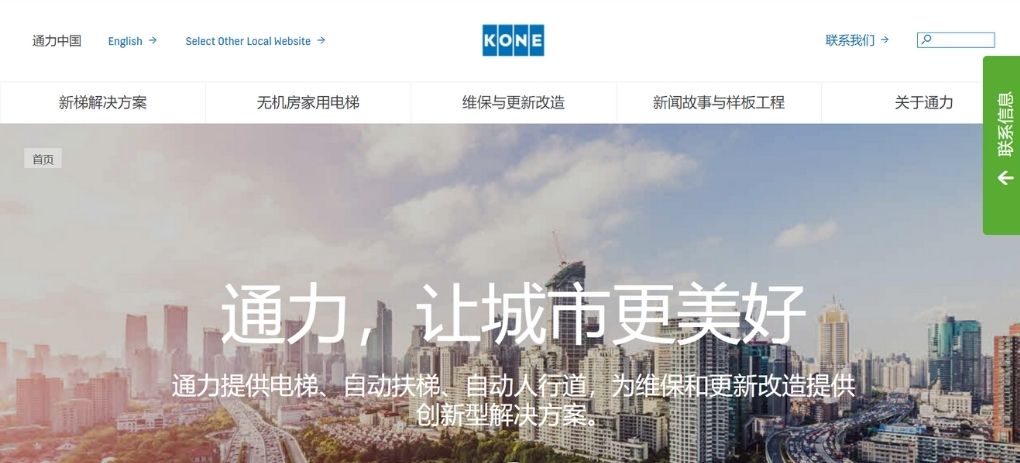
Making sure your website is designed to answer the UX habits of Chinese netizens is a must. They’re used to finding information with a few clicks or swipes, so make sure your site is mobile-friendly and has Chinese text.
Lastly, cultural misunderstandings leading to miscommunication are one of the biggest challenges that foreign companies have to face in China. In fact, if you want to do business in China, it is essential for you to hire someone who understands the subtleties of the Chinese language and culture. In order to attract Chinese consumers and convince them to invest in your elevators, you will have to create a Chinese website with precise and detailed descriptions of your products, services, costs, and give as much information as possible about your company.
Promote your lifts company to Chinese buyers with Baidu
As the most popular search engine in China, Baidu (considered as the Chinese Google) should be at the core of your strategy. If you want to partner with Chinese companies, sell your elevators to Chinese consumers, or even promote your brand in China, you will need to be ranked on the first pages of Baidu. How?
First of all, you will need a Chinese website, as mentioned earlier. You should also write clear content, and update your website regularly with original qualitative content. In order to rank high on Baidu, you not only need frequent content on your website but also on other Chinese social media platforms. The more you write the better your chances of ranking well on Baidu for China’s online population, which in 2015 is over 600 million people.
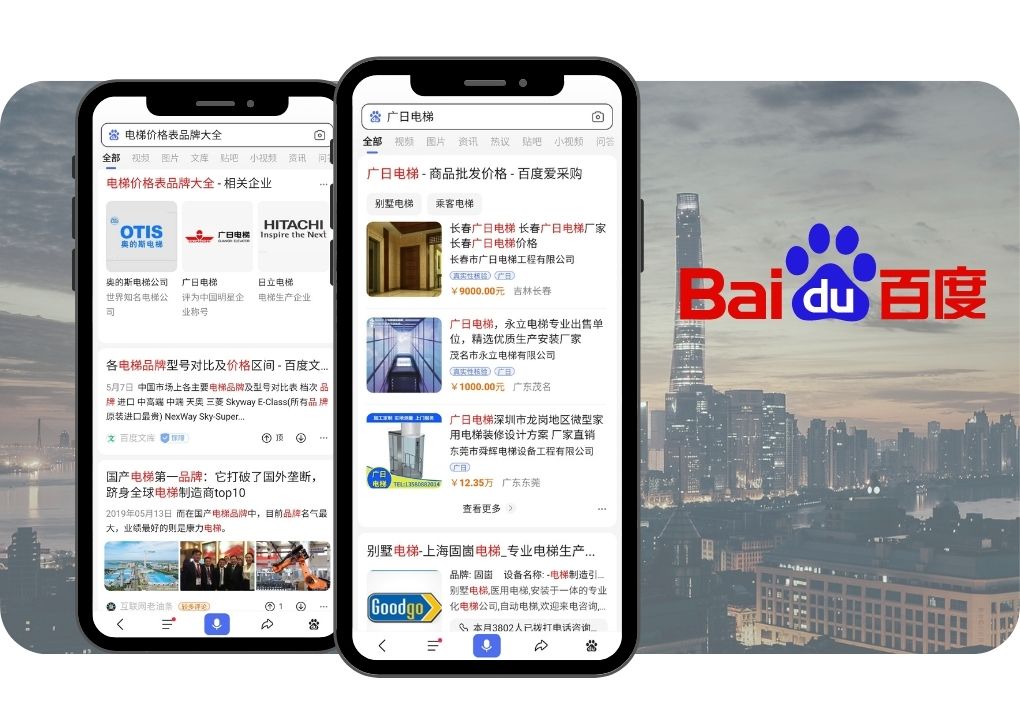
To perfect your Baidu SEO strategy bet on Press releases and backlinks. Baidu places a lot of emphasis on backlinks, which can only be generated with the help of an experienced SEO team.
Baidu SEO is something that goes beyond just putting your keyword in English. For example, if you are an Elevator Manufacturer and want to rank for “China elevator market”, the best Baidu SEO strategy would be to use Chinese words as well such as: 中国楼宇市场 (china building markets) 商用楼宇工程建设企业,新加坡大华集团有限公司 The more variations of keywords you include on your site, the higher it will rank in China’s search engine results
The main point is to get Chinese consumers’ attention and reassure them about your elevators. As a matter of fact, Chinese consumers are extremely cautious, especially when it comes to security, and the majority will look for your company on Baidu.
You can also read our full article on Baidu SEO
Contact us if you want to enter the Chinese elevator and lift market
Over the years, we were able to enhance our services and strategies in the Chinese market. We have had multiple experiences in a diversity of fields, as well as many successful collaborations. However, all companies are different and require a specific approach, especially when it comes to the elevator industry.
Working with an agency which has both the western and Chinese point of view like Gentlemen Marketing Agency can help you overcome the pitfalls of the Chinese market. Our agency has accompanied many companies entering the Chinese market. Proud of the success of the companies that contacted us, our experts are ready to help any company willing to do business in China. So, if you are interested in doing business in China, do not hesitate to contact us and we will reply within 24 hours.