How to sell to Costco China?
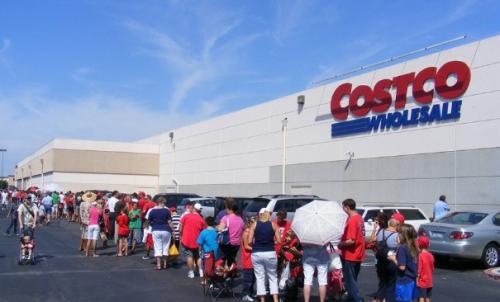
Costco entered China recently with a big buzz and sold online. How to start selling with Costco China? how to contact them and convince them?
Costco: the company that went international
Costco is the first international supermarket owner and the world’s third container ship-owners. Before becoming the huge player it is today, Costco was initially a state-owned business offering shipping and logistic services on a world scale.
Cost-Effective Agency
KPI and Results focused. We are the most visible Marketing Agency for China. Not because of huge spending but because of our SMART Strategies. Let us help you with: E-Commerce, Search Engine Optimization, Advertising, Weibo, WeChat, WeChat Store & PR.
Later, Costco Group develop in China
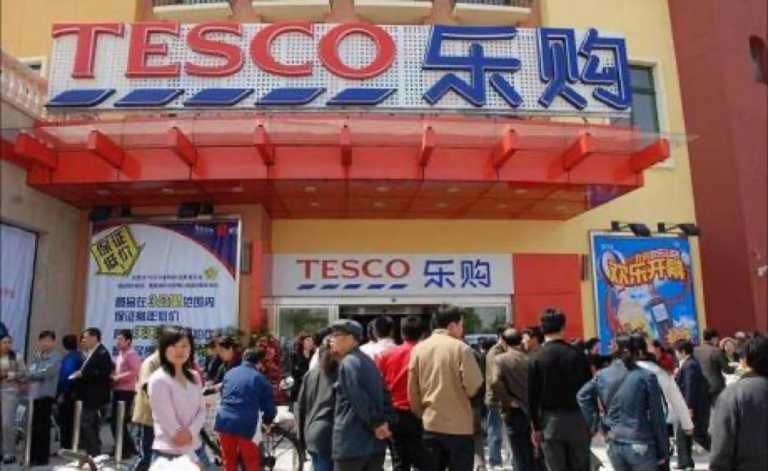
Costco China in Shanghai
US retail giant Costco (COST.O) will open a new store in the eastern Chinese city of Suzhou near Shanghai, media reports said on Thursday.
Costco’s Suzhou branch bought land in the new Suzhou district on Thursday for more than 142.5 million yuan ($ 20.2 million), the Suzhou new district management committee said. The plan is to build a warehouse store with an area of more than 50,000 square meters on the site.
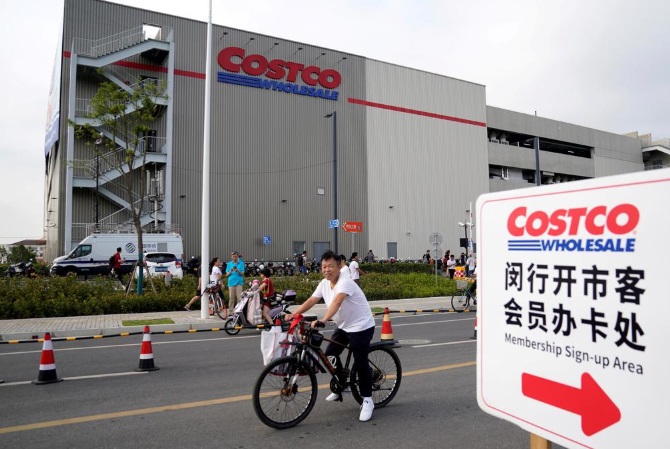
Costco Plans More Openings In China While Explosive Sales In Shanghai Store, but American discount chain says the first store in China will take a few years to break even Costco Just Opened Its First Warehouse In China – Here’s What People Can’t Stop Routing. So, we know the irresistible allure of Costco and there are a lot of things that attract buyers. But what in particular motivates such large numbers? While it was difficult to glean which products were the most popular in such a chaotic situation, these few products continued to appear as big sellers.
Costco China is on Tmall
https://costco.tmall.hk/shop/view_shop.htm
Costco Wholesale opened a flagship store on the B2C Tmall retail site, with the goal of expanding the number and categories of products it can sell to Chinese consumers.
The launch comes three years after the warehouse store started selling in China, using the dedicated cross-border e-commerce channel Tmall Global. But while Tmall Global only sells goods approved for preferential trade treatment by the Chinese government, Tmall has no such restrictions.
By operating on the two platforms, Costco will be able to offer nearly 800 references to customers in China, of which around 300 are part of the new Tmall store. The company is adding furniture, consumer electronics, and wine to its product line, expanding the clothing, food, health and beauty products, and more, available through Tmall Global.

Today, Costco China is representing:
- 235 Retail stores *, including 138 aboard
- Owns and operates more than 50000 references
- Ranked 13rd in China in term of selling capacity
- Operates in more than 400 domestic products and 15000 international brands
- Covers a total of 15 countries
By reading these numbers, it is easy to guess that Costco’s total turnover is counted in hundreds of billions of US dollars.
If you didn’t know about Costco China, now you know how big this company became in a few years. But don’t worry, it is always possible to work with commerce giants whatever your company’s size is!
If you are want to work with Costco to export your products to China or to improve your already existing logistic process, you can follow the next advice we give you.
Contact Costco
Even though Costco is a foreign company in China, it has many offices divided into the region. Asia, Oceania, Africa, Europe, and America. Wherever you are, you can ask for Costco’s services to export your products.
Depending on your location, you can get Costco’s contact in your country and maybe even in your city.
Costco offers severals trading option
Costco China offers different services and tariffs depending on your location. You can get an Export and also Import Tariffs list of 2020 to know more about the service they offer.
These lists also provide you some details and important information you need to know when doing business with them (as days and location of services, charges, conditions, …).
You can also make an appointment at their offices to expose your situation and needs if it is more convenient for you. Thus, the exchange can be faster and more efficient for both parties.
How to Export your products to China

Now that you work with Cosco, you can have access to their e-business platform in which you can track your products but also the sailing schedule.
Once your products will have arrived, you probably know where you will stock them, but how will you sell them?
You were not exporting your products in the best way possible before, what if we tell you that you could also sell better your products in China?
It is not easy to find Costco contact in China.
How?
Easy, follow what comes next.
Contact us and we will guide you and send you the process.