
How to Sell on Tmall Global (Done by experts)

Looking to expand your business into the Chinese market? Look no further than Tmall Global, China’s largest import cross-border e-commerce platform. With a potential customer base of over 800 million people, selling on Tmall Global can be a game-changer for international businesses. But where do you start in 2024?
In this total Guide, we’ll walk you through the key steps to becoming a successful seller on Tmall Global, including eligibility requirements, product registration and optimization, store design, marketing strategies, and more.
Cost-Effective Agency
KPI and Results focused. We are the most visible Marketing Agency for China. Not because of huge spending but because of our SMART Strategies. Let us help you with: E-Commerce, Search Engine Optimization, Advertising, Weibo, WeChat, WeChat Store & PR.
Let’s get started!
What is Tmall Global?
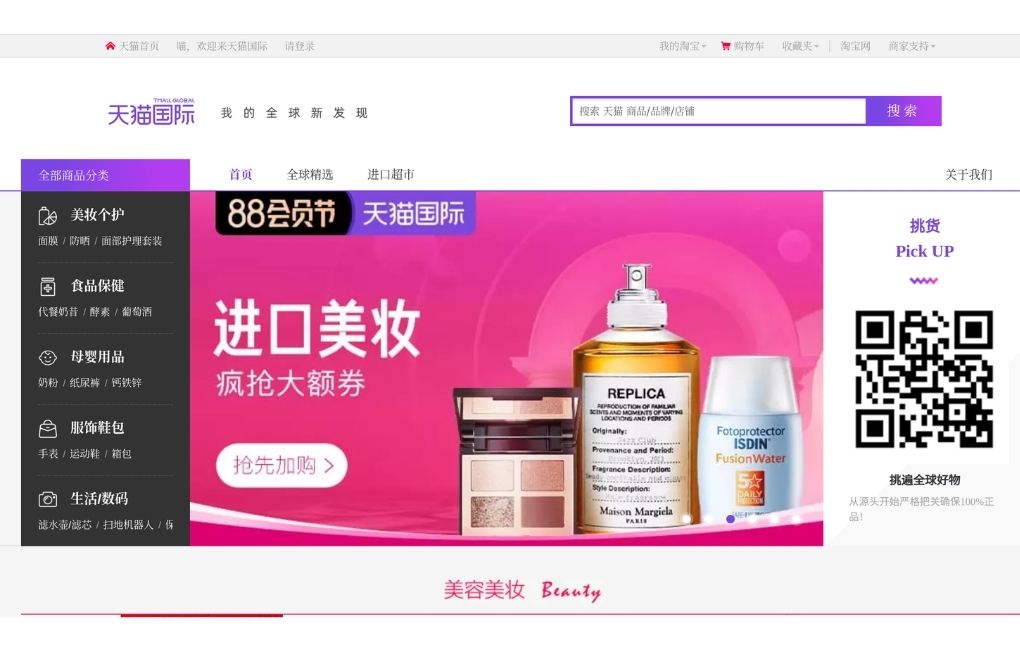
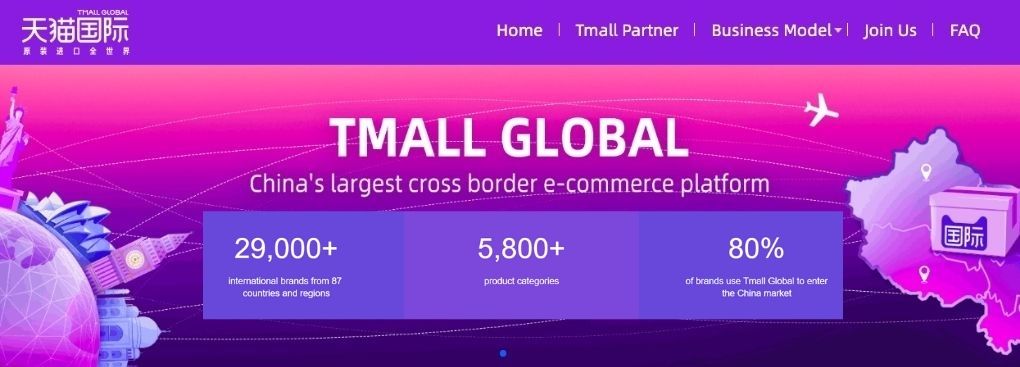
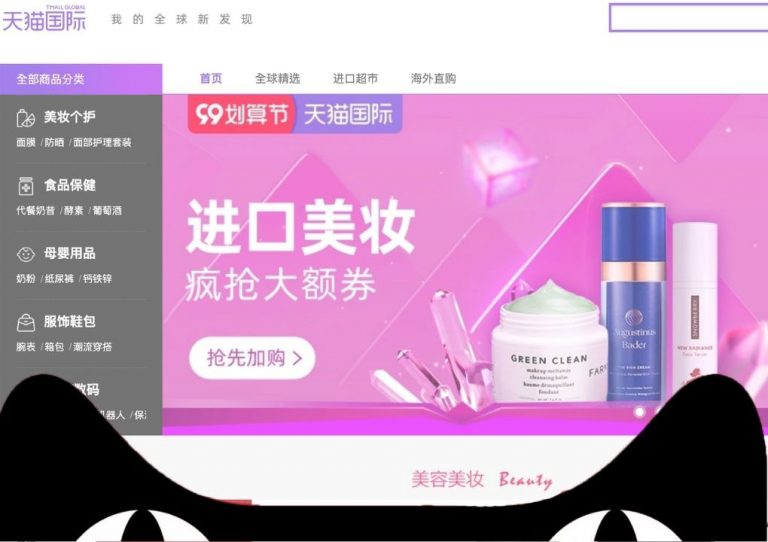
Tmall Global is a leading cross-border eCommerce platform that enables international businesses to tap into the booming Chinese market effortlessly. It was launched by Alibaba Group in 2014, as a sub-platform of Tmall, the biggest B2B e-commerce platform in China.
By opening exclusive flagship stores on Tmall Global, international brands can directly target Chinese consumers who are increasingly drawn to high-quality products from around the world.
800 Million Shoppers on Tmall
With over 800 million monthly active users, this online marketplace provides unparalleled access to one of the largest consumer bases globally. Furthermore, Tmall Global supports businesses by offering various store formats and marketing tools tailored to their needs while ensuring seamless operations and excellent customer service.
Why is it important for foreign brands to start selling on Tmall Global?
The importance of selling on Tmall Global for international businesses cannot be overstated, as it offers unparalleled access to the rapidly growing Chinese market. With a middle class that’s increasingly interested in purchasing high-quality foreign products, tapping into this lucrative market is a must for any business looking to expand globally.
This direct-to-consumer approach not only facilitates market entry but also helps build brand recognition among Chinese consumers who are known for their loyalty to brands they trust.
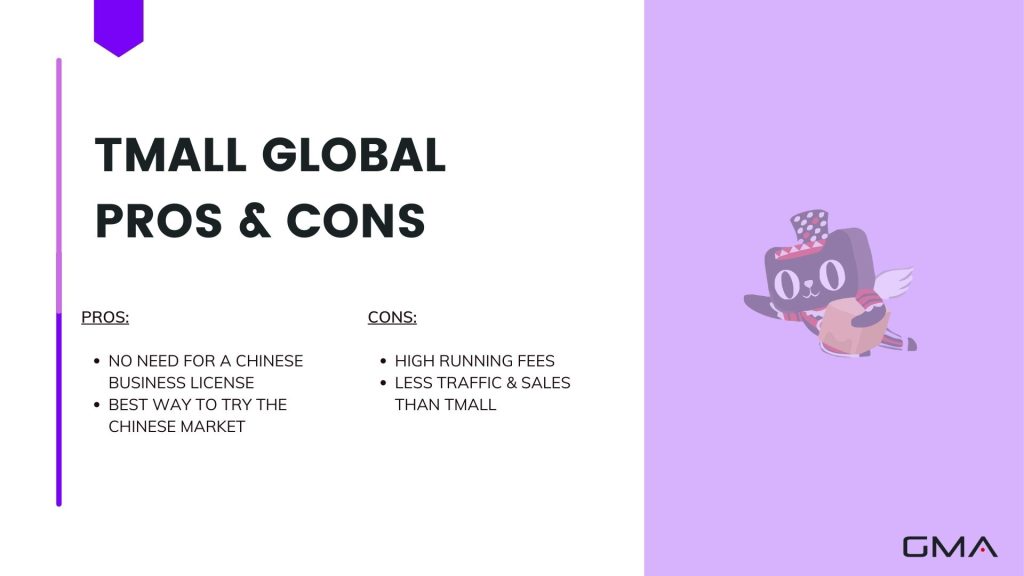
Furthermore, since Tmall Global is part of Alibaba Group – the largest e-commerce conglomerate in China – your business benefits from its extensive marketing tools and customer reach.
For instance, during popular shopping events such as Singles’ Day, millions of shoppers flock to platforms like Tmall Global to enjoy deals and promotions from various brands worldwide.
This increased exposure can significantly boost sales and secure repeat customers who will continue buying your products even after these events are over for 2024 and other years
| TMALL | Details 2024 |
|---|---|
| Popular Categories | Beauty and Skincare, Fashion and Apparel, Electronics, Health and Wellness, Luxury Goods, Mother and Baby Products, Food and Beverages |
| Estimated Revenue | Tmall’s exact revenue is not publicly disclosed, but it is a significant portion of Alibaba Group’s overall revenue, which is in the tens of billions of USD |
| Commission Rates | Commission rates vary by category but generally range from 2% to 5% of the transaction value |
| Payment Methods | Primarily uses Alipay, Alibaba Group’s own digital payment platform, known for its security and convenience |
| Consumer Demographics | Tmall caters to a wide range of consumers, with a significant portion being middle-class, tech-savvy, and quality-conscious, typically aged between 20 and 40 years |
| Famous Event | The 11.11 Global Shopping Festival (Singles’ Day), which records billions of dollars in transactions and is known for its massive discounts and promotional activities |
How to Start Selling on the Tmall Global E-Commerce Platform?
Firstly, your company must be registered outside mainland China and have at least two years of operations under its belt, boasting sales above $10 million. You also need to provide proof that you either own the brand or possess a license from the brand owner allowing you to sell directly on Tmall Global.
In addition, establishing a robust logistics plan is essential for ensuring seamless deliveries of your products to customers around the world.
The products you want to sell in China must be genuine and come with a certificate of origin. Tmall Global platform is very strict when it comes to ensuring the quality of products available on Tmall.com and Tmall Global marketplaces.
They also need to pass Chinese international customs regulations, ensuring their authenticity before they can be sold on this platform. The domestic Tmall requires businesses in possession of Chinese business licenses and product certification before they can sell on it.
Once you meet these criteria, you can apply to become a Tmall Global seller by submitting your application files and registering for an Alipay Global account to handle payments. You can always ask us for help, as there might be only Chinese language customer support available at times.
Choose The Right Tmall Global Store Format
When it comes to choosing the right Tmall store format for your business, it’s important to consider factors such as branding, budget, and target audience. In general, there are three store formats that Tmall provides for foreign companies to sell products in China.
These formats include flagship stores, specialty stores, and franchised stores. Tmall Global flagship stores are ideal for well-established brands that have a broad product range and target a diverse audience.
Specialty stores cater to niche markets with a particular focus on specific products or categories such as beauty or fashion.
Choosing the right store format is crucial as it affects everything from your visibility on the platform to how you manage customer relationships. For instance, if you’re launching a new brand in the China market and don’t have an established following yet, opening a flagship store in China may not be your best option since it requires significant investment in advertising and marketing.
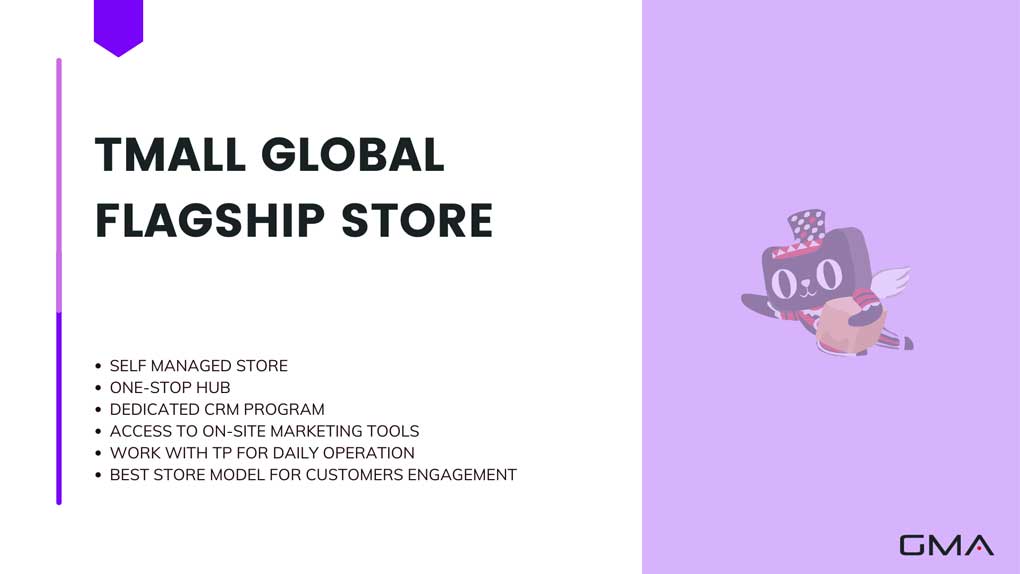
Flagship stores are only available to brands with a trademark, while authorized stores have been verified by Tmall Global Security.
A flagship store allows businesses to enjoy better visibility and higher credibility while providing a branded shopping experience to Chinese consumers. On the other hand, starting with an authorized or specialty store can be ideal for small businesses without a registered trademark but still want access to Chinese consumers through Tmall Global’s cross-border eCommerce platform to sell their products.
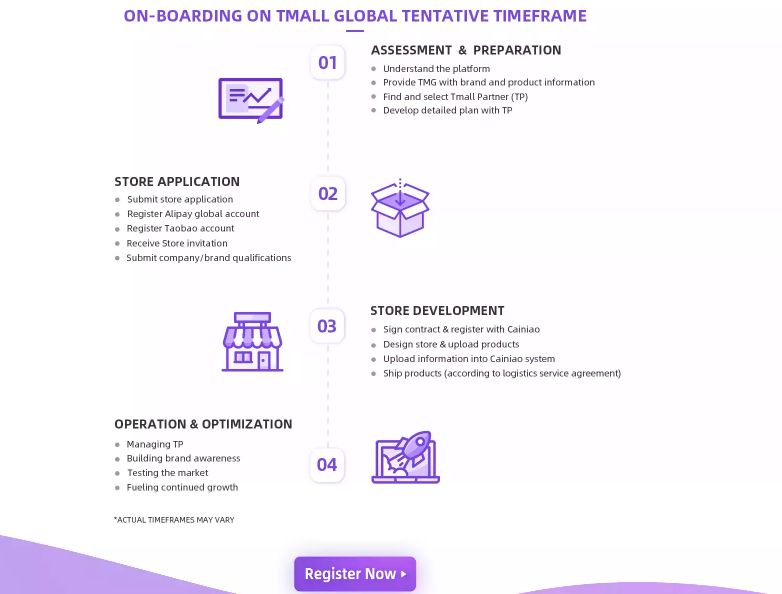
Overview Of The Registration Process
Registering your business and products on Tmall Global is a straightforward process. To begin, you need to ensure that your company has a registered corporate entity outside mainland China.
You also need to be an established retailer or brand owner outside of China.
During the registration process, you will need to provide detailed information about your business and product offerings. This includes providing documentation related to global business registration, product localization, payment processing, shipping logistics, and brand representation.
It’s important to note that Tmall Global only accepts businesses that are registered outside mainland China for participation on their platform.
You will also need to provide detailed product information including specifications and images.
Tips For Optimizing Your Tmall Global Product Listings
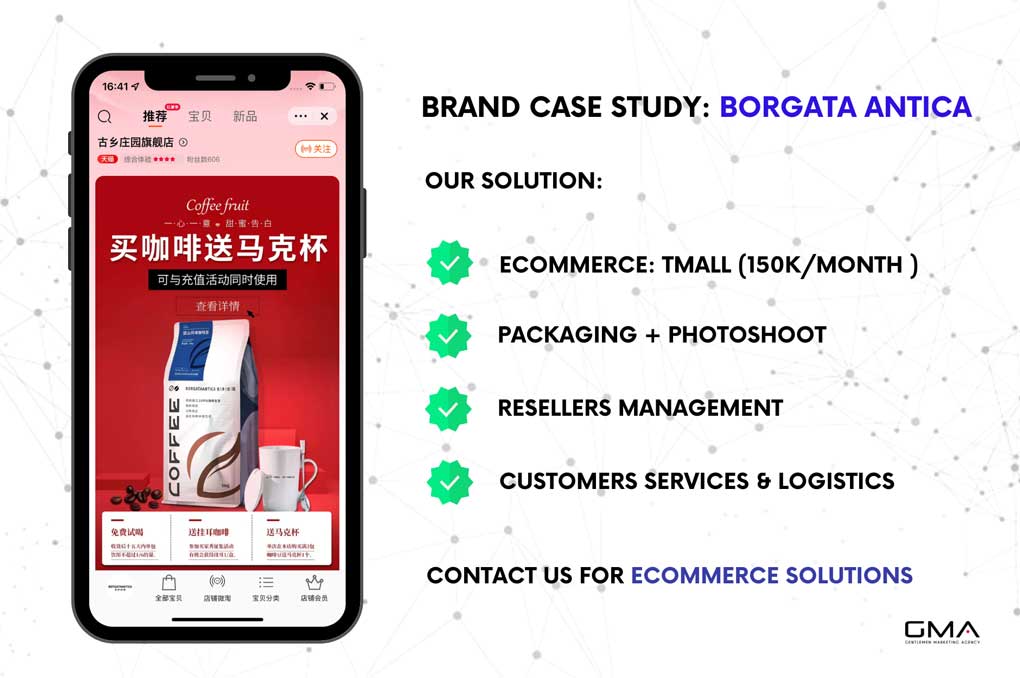
As a Tmall Global seller, optimizing product listings is crucial to ensure maximum visibility to sell your products and promote your company in China. One of the best ways to optimize your listings is by providing high-quality images and detailed descriptions of your products.
Including multiple photos from different angles, as well as product dimensions, material, and care instructions can help customers make informed purchasing decisions.
Another way to optimize your Tmall Global product listings is by highlighting any unique selling points or features that differentiate your products from competitors. For example, if you offer free shipping or have a particularly eco-friendly manufacturing process, be sure to mention it in the description or title of the product.
Best Practices For Designing Your Tmall Global Store
“When designing your Tmall Global store, it’s essential to keep the user experience in mind“explained Philip Qian founder GMA, TP
Consumers on Tmall Global expect a seamless shopping experience with intuitive navigation and clear images of the products they’re interested in purchasing.
Another best practice for designing your Tmall Global store is optimizing for search engines. Use relevant keywords in product titles, descriptions, and tags to improve visibility in search results of your business in China.
Promote Your Tmall Global Store And Products
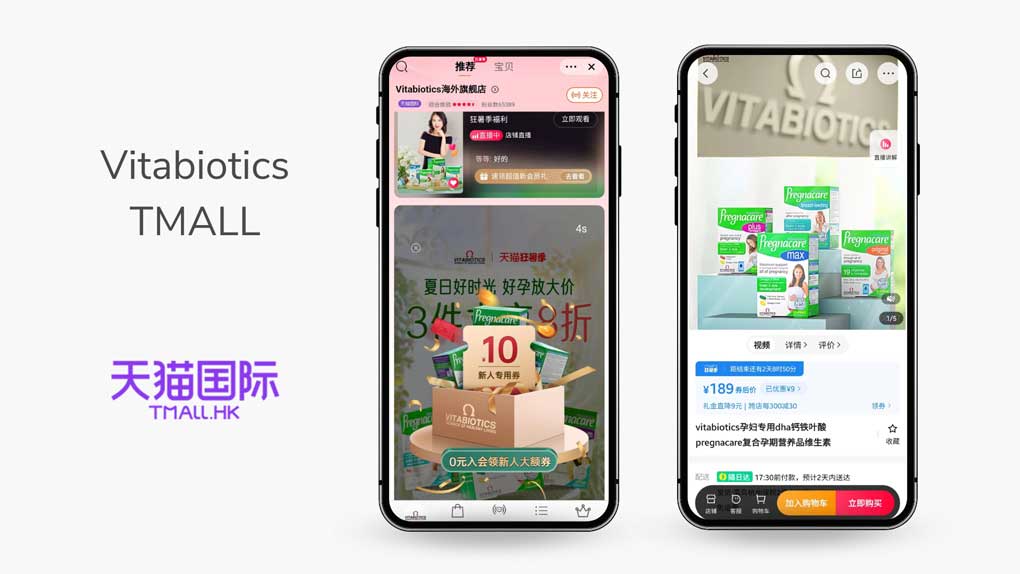
As a Tmall Global vendor, it’s important to understand Tmall and Tmall Global marketing and advertising options to effectively promote your products. Tmall Global offers various advertising strategies, including paid search ads, display ads, and social media ads.
One effective way to promote your store on Tmall Global is by creating eye-catching product pages that highlight key features and benefits of your products. Product listings should be optimized with relevant keywords from the [KEYWORDS] list to improve their visibility on the platform.
Utilizing popular Chinese influencers (KOLs) can also help increase exposure by sharing posts about your products with their large followings.
Tmall Global allows for various options for ad targeting, including keyword ads and displays ads on its homepage, category pages, and search results.
Additionally, sellers can leverage Tmall Global’s consumers in Mainland China with all the insights data to better understand their target audience and optimize their ad campaigns and online store in China to sell commodities to their customers.
Moreover, running promotions on Tmall Global is another effective way to drive traffic to your store during specific events like 11.11 (Singles Day) or Chinese New Year when Chinese consumers are actively shopping online for discounts and deals.
Manage Your Tmall Global Operations
To sell on Tmall Global, there are several operational requirements that sellers must adhere to. These include Chinese international customs and Tmall Global import regulations, being able to prove brand ownership or having a license from the brand owner, and having certifications and documentation to prove the location of their stock.
Additionally, merchants must have a logistics plan in place for the timely delivery of products and manage shop operations effectively with a specialized team either employed in-house or outsourced.
It is important to note that operating on Tmall Global requires a legal entity in China as products need to be imported from abroad.
How To Manage Your Tmall Global Orders And Inventory
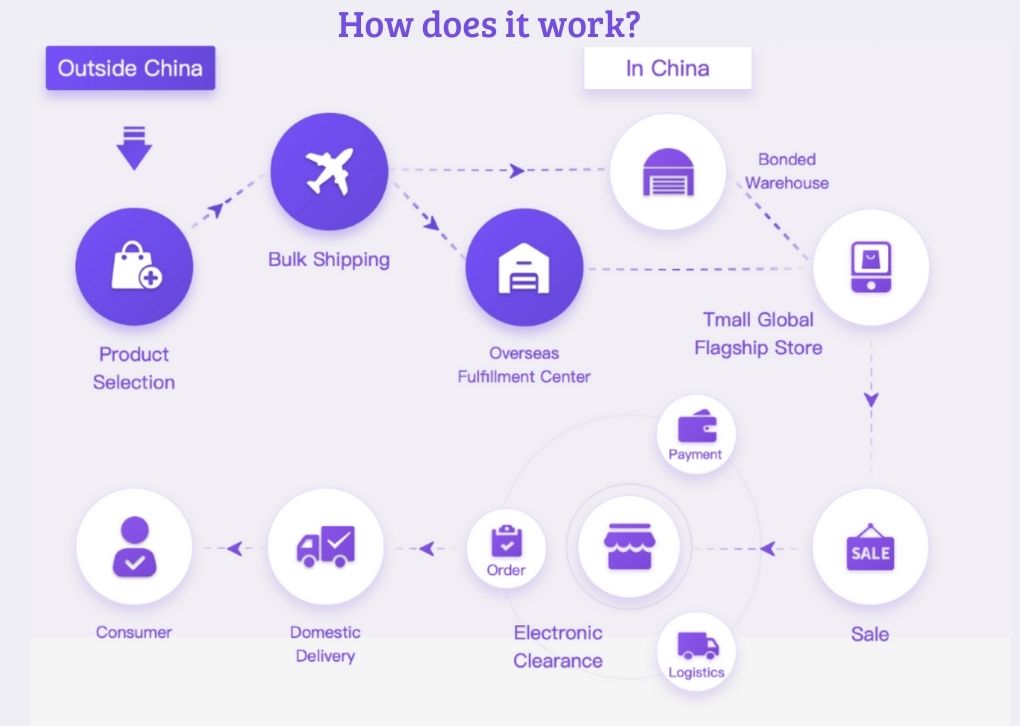
To manage your Tmall Global orders, you will need to regularly check for new orders and fulfill them promptly. You can also use data analytics tools provided by Tmall overseas fulfillment to monitor sales trends and make informed decisions about inventory management.
When it comes to managing inventory on Tmall Global, having an efficient supply chain management system in place is essential. From sourcing products from overseas suppliers to processing shipments through customs, there are many moving parts that must be carefully coordinated.
Tips For Providing Excellent Customer Service On Tmall Global
One of the most important tips for achieving this is to offer clear communication with your customers through speedy responses and detailed explanations.
Another essential aspect of delivering excellent customer service on Tmall Global is creating a positive shopping experience for the consumer. This can be achieved by providing high-quality product images, thorough product descriptions, and accurate sizing information.
By doing so, you can help reduce the risk of returns or negative reviews from unsatisfied buyers.
We are a Certified Tmall Partner-Agency !
Selling on Tmall Global can be a profitable opportunity for international businesses seeking to expand their reach in China and beyond. By following the steps outlined above, you can successfully set up your Tmall Global store and start reaching Chinese consumers.
We are a China-based marketing agency specializing in digital marketing and e-commerce solutions for Western businesses to sell their products and services in China. We have extensive know-how and experience in operating on Tmall and Tmall Global, we are also a certified Tmall Partner which is necessary for entry on Tmall.
We offer many Tmall services, and it’s up to you if you want us to just help with the store set-up or handle all the operations from registration to managing your store and customers.
Don’t hesitate to contact us so that we can schedule a free consultation with one of our experts of export to China. Let’s get you started!


Great blog post! As an e-commerce newbie, I found the tips on how to sell on Tmall Global very informative and helpful. I particularly liked the section on product localization, as I was unaware of the importance of tailoring products to the Chinese market. I’m looking forward to implementing these strategies in my own business and seeing the results. Thank you for sharing your expertise!