How to enter to Tesco in China
If you want to sell your products/brand to Tesco in China, you may need to read this article.
Cost-Effective Agency
KPI and Results focused. We are the most visible Marketing Agency for China. Not because of huge spending but because of our SMART Strategies. Let us help you with: E-Commerce, Search Engine Optimization, Advertising, Weibo, WeChat, WeChat Store & PR.
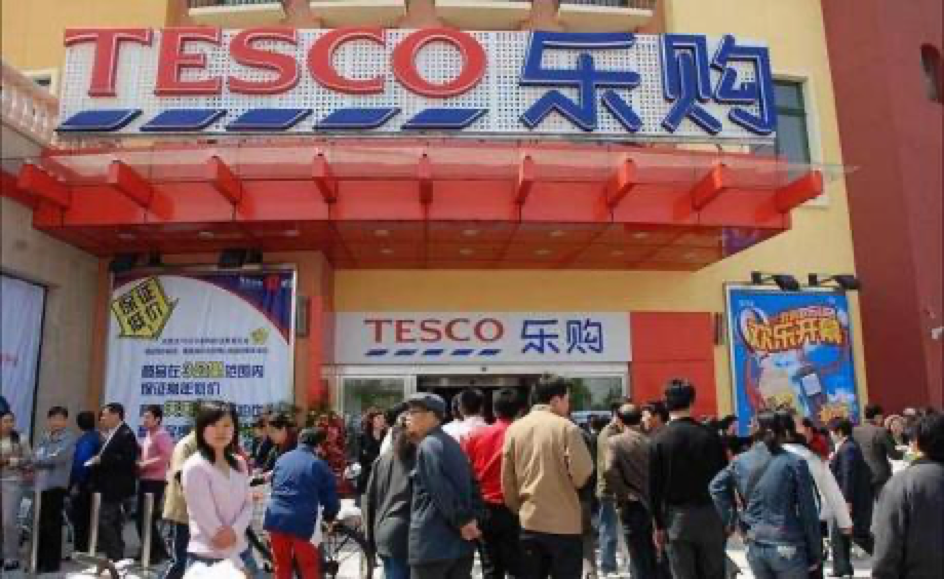
Tesco the English retailer in China
Tesco, Britain’s biggest retailer, entered China in 2004 a little bit later than its European competitors.
Tesco got into China by acquiring 50% of a Chinese food processing company and acquired 40% more in 2006!
Showing its enthusiasm to be present in the Chinese market and develop its business, Tesco expanded in China:
- Mainly present around Shanghai
- Tesco Express format launched in Shanghai (convenience store size)
- Joint venture with CRE in 2014, a state-owned enterprise operating in beer, food and beverage (and listed on the Hong Kong Stock Exchange for its beer division)
- A combination of 131 Chinese stores with CRE’s 3000 stores thanks to this joint venture
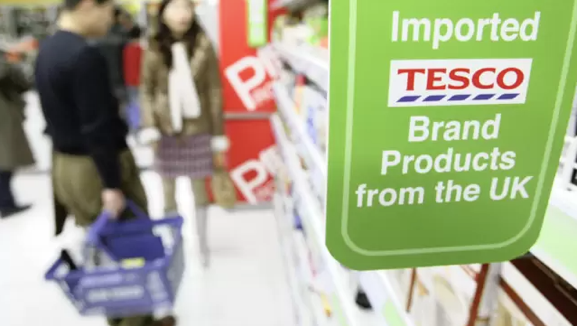
- Imported products offer
Yes, you read it right, Tesco offers some imported products as beer and spirits, wines and even cheese from Western countries! If you want to sell your products in China, through Tesco, here is how you can undertake it.
Become Tesco’s supplier
Becoming one of Tesco’s supplier is not that hard. They are always looking for new high-quality products they could offer to their customers. And it is especially the case when it is about offering imported products that can represent high-value for their customers.
- Identify Good tesco buyers
You can submit your application on Tesco’s PLC website in the Contacts section.
For that, you will have to complete a form about your company and your products. For example, you will be asked several aspects of your business: where your products are produced? Are you the manufacturer? What is your business’ scale? Describe your products’ packages and your current situation, etc….
After that, you may receive an answer in the following weeks, but do not hesitate to send a professional email to remind them that you are waiting for their answer!
- Meet them face to face
After studying your application, they will ask to meet you if they are interested in your product.
When getting to the interview, you better know everything about your business:
- Your presentation speech
- The key numbers
- Your answers to probable questions
- The margins
- Your assets and arguments
- …
This interview will determine if they will really be interested in your products or not and also if you are able to work with them.
One key point that could change everything is to show them that you already planned on how to launch your product. If you did that, you can win everything! You have to plan a real marketing campaign for the launch of your products. Thus, you won’t only be a product to launch from A to Z but a product that is almost ready to be sold and with a bigger potential than other new products.
For that, you should take advantage of China’s digitalization and be present on the local platforms that gather hundreds of millions of people.
If you need assistance, feel be free to contact us
We can help you.