
How Does Promotion on Tmall Work?
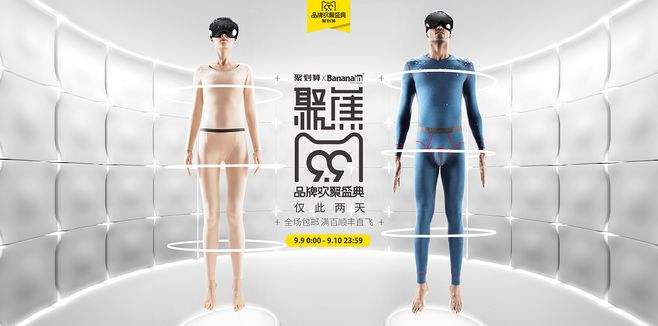
Tmall is a self-service backend that offers a variety of paid digital marketing services.
Usually, brands manage the platform’s performance marketing or allows a Tmall partner (so-called TP) to do it for them.
Cost-Effective Agency
KPI and Results focused. We are the most visible Marketing Agency for China. Not because of huge spending but because of our SMART Strategies. Let us help you with: E-Commerce, Search Engine Optimization, Advertising, Weibo, WeChat, WeChat Store & PR.
GMA is a TP Tmall also for Tmall Global which allows any foreign brand or retailer to sell into China without having to have a legal entity or warehouse.
Tmall’s most popular paid marketing tools are:
- P4P (“Express Train”) – PPC keyword bidding to Taobao & Tmall search results
Flagship Store Banner / (“MingXingDianPu”) – This banner product is exclusive to Tmall flagship shops and will be triggered for brand searches on Taobao and TMall. - CPM (“Diamond Booth”) Banner display advertisement at a cost per 1,000 basis. There are many slots available (e.g. Category pages, shopping cart crossselling / upselling front pages, ads within Aliwangwang Messenger etc.
- CPS (“Taoke”): Affiliate marketing / CPA platform marketing that pays a commission to an affiliate per transaction
- CRM – Email or SMS (wechat messages) sending to certain consumers and rental of an address. This is based on past purchase behavior as well as demographic information. Most commonly, charges are per SMS or email.
- Juhuasuan is a flash sales channel within Tmall that offers promotions with substantial mark-downs.
Tmalls has invested in or owns Pinterest style platforms such as FaXian

SEO on Taobao search engine
Tmall & Taobao SEO are two other options for indirectly paying advertisements. This requires a specialist agency to manage the resources. Coupons, bookmarks management, Tmall albums, and user favorites & bookmarks management are also available.
Tmall Global – Tmall’s cross border e-commerce tool is restricted to regular stores that sell paid advertising products. However, so-called key account level stores have full access to all paid advertising products as of May 2015.

The management of different channels is usually done on a “ROI” basis. This is rather than return on ad spending “ROAS”. Based on the channel, product offering, price and other factors, ROI can range from 1:1 to 1:20.
We recommend that you budget 15% of the targeted revenues for the first year of your Tmall store, and then reduce it to 10% the second year. The average ROAS for T-Mall purely used for paid marketing is typically around 1:5 across all industries, to give you an idea of the benchmark. However, brand awareness and the resulting “free” brand searches traffic and SEO optimization can generate the bulk sales. This should be emphasized more than the paid marketing channels.
Tmall negotiates with agencies and TP partners to generate the majority of revenue. This will depend on the size of the brand, awareness, and sales level. It also depends on the negotiation power of the agency / TP partners in terms of their relationship with TMall and the pooled media budgets they manage for their clients.
Tmall is China’s most popular B2C online eCommerce site. It accounts for almost 65% of all transactions within the sector.
The platform scored a GMV of more than $500 million US dollars in 2020 and showed no signs that it was slowing down.
We want to show you how to make Tmall digital marketing strategies that work.

Let’s start with the basics.
Check out our guide to setting up a Tmall Global store if you have not yet. This guide will help you get started on Tmall Global’s sister website for international businesses such as yours.
This process can take up to 90 days and involves a lot of legal documentation, financial information and contract-signing.
How to get more traffic to your Tmall shop
There are two ways to drive traffic to your Tmall shop once you’re up and running.
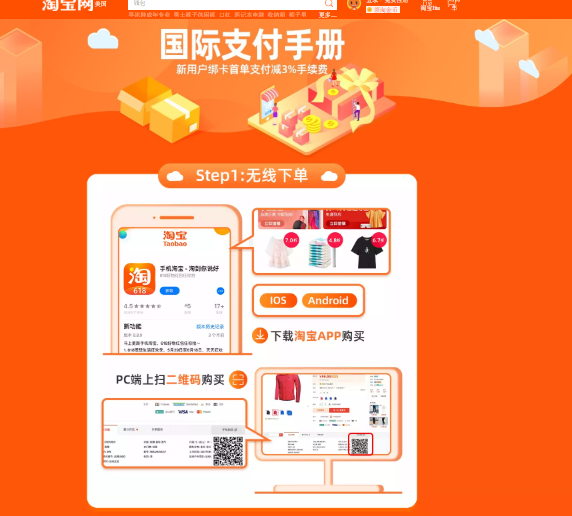
Driving on-platform sales to your Tmall shop
Let’s first take a look at Tmall’s advertising options.
Keyword ads
Tmall Keyword ads appear on the platform’s results page if a user searches for a specific keyword. They are served using a competitive bidding system and managed through ‘s Zhitongche tool — a similar to Google Adwords.
Zhitongche allows you to target a specific keyword that is searched by a particular group of users based on a variety of criteria. The ads will contain a product picture, as well as a link to the advertiser’s website.
Super recommendation ads
Super recommendation ads appear at the checkout and home pages. This is due to an algorithm that pushes relevant products for Tmall users based upon their in-app behavior.
These include a photo of a product that matches the user’s key interests and a direct link to purchase the product.
These are ideal for targeting new customers who may not know your brand and won’t naturally search for it.
Banner ads on Tmall/Taobao
Banner ads appear at the top of Tmall’s homepage. They are usually video or images that can be linked to your product or store page. This ad format is the most expensive on Tmall, but it offers the greatest potential to reach the largest audience.
Juhuasuan ads
Juhuasuan, an integrated flash-sale platform, is available in Tmall. It offers limited-time discounts and encourages users to act quickly before it’s too late.
This platform is an excellent way to establish a profile in China particularly in lower-tiered cities which are responsive to discount marketing.
Juhuasuan advertisements appear on Tmall’s homepage,. They redirect users to a product page within the flashsale channel.
Tmall Search
SEO is an important aspect of paid-for Tmall advertisements.

Why?
Tmall is basically a search engine for product listings.
Optimizing your store for search engines is a must.
It will also include…
- Write keyword-rich product names and descriptions
- Include keywords in your store name and biography
- Uploading high-quality photos
- Refund requests are not allowed to be reduced
- Conversions are constant
- Encourage user reviews
- Retention of customers
How well you fulfill each of these requirements (and other ) will impact how Tmall ranks your store in its search results.
Driving outside traffic to your Tmall shop
Here’s the next step: How can you use other platforms in China to promote your Tmall digital marketing campaign.
Investing on Tmall Advertising on China’s Biggest Channels
You can drive traffic to your Tmall store by using a variety of popular and highly-populated platforms in China. These are some of our favorite platforms:
Advertising on Weibo
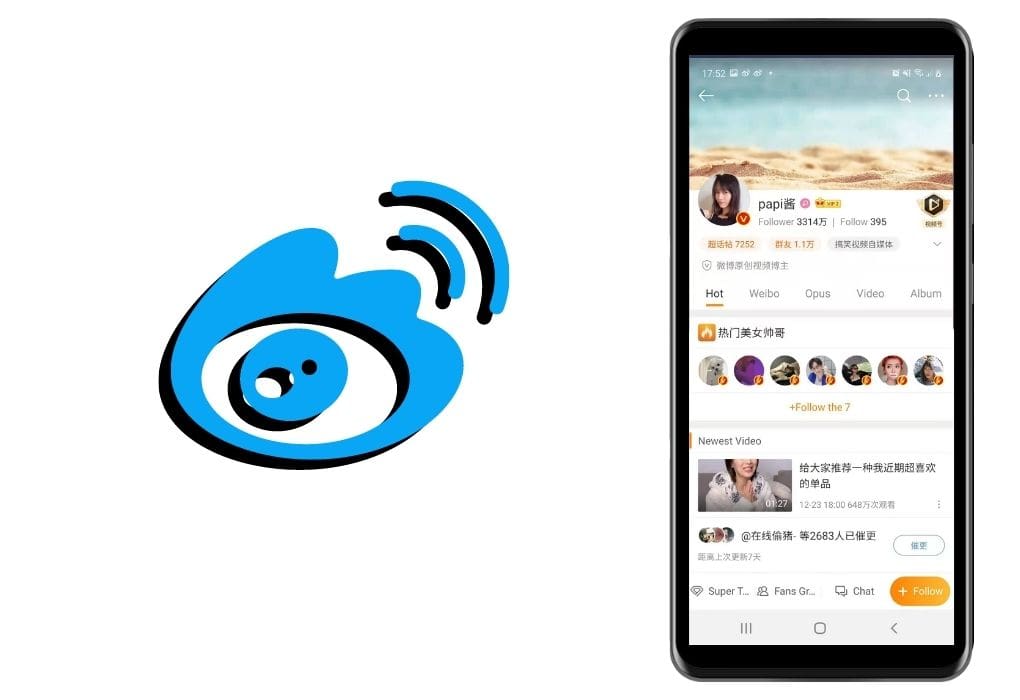
Weibo, China’s third largest social media platform, has over 520 million users . It is also an affordable advertising channel making it ideal for any Tmall-based digital marketing strategy that requires tight margins.
There are many ad types available:
Fan headlines which appear at the top a user’s timeline for 24 hours. These headlines will be displayed for both your followers and their personal connections on Weibo.
Fan Tunnels that appear exactly like fan headlines but are targeted at all Weibo user — not just the account’s base. These are great for brands who don’t have a lot of Weibo followers but still want to reach a huge audience.
Display ads that appear in different places on Weibo. These include the homepage’s ‘discover’ section and individual feeds.
For more information, please visit our guide to advertising on Weibo.
Advertising on Douyin
Douyin (or TikTok), is the place to be for Tmall Advertising — particularly for brands that target young women. Douyin offers many paid-for advertising solutions such as:
- Open screen advertisements that appear each time Douyin is opened. These ads fill the screen and make a big impact.
- Infeed ads which seamlessly integrate into users’ daily feeds. These ads can be shot natively in the style of Douyin content and could produce great results.
- Sticker ads are custom-branded stickers that users can attach to their Douyin videos. Top tip:create stickers to reflect your brand and tap into the current trends in Douyin.
- Promoted to the top of users’ daily feeds to encourage viral content creation and engagement about your Tmall store.
This year’s Double 11 Festival is the biggest sales event in China.
A record 290,000. brands participated. Alibaba Tmall offers more than 14,000,000 deals to China’s over 900 million customers. Double 11 2021 will again offer two sales windows. The first will run from November 1 through 3, while the second will run on November 11, the day before the main event.
Livestreaming is a key method for merchants and brands to engage consumers and increase awareness. Taobao Live, featuring KOLs, celebrities, and brand representatives, will be available livestream sessions.
Taobao will also offer a new feature that allows users to share “shopping cart” items and create a more social shopping experience.
Taobao introduced a ” senior Mode” option to its app. This feature is designed to make it easier for seniors to use the app’s user interface.
Voice-assisted technology is available, as well as simplified navigation, large font sizes, icons, and voice-assisted technology. It also features games for seniors to get special grocery discounts, making it more appealing for those of silver age.
Alibaba will donate RMB1 for each successful social media post.
Alibaba’s 2006 “Goods for Good” program allows merchants to donate a percentage of their sales to charities of their choosing, while customers can support their favourite charitable causes through their purchases.
The Double 11 Festival will donate to three main beneficiary groups: seniors living alone, left-behind kids in remote areas, and low-income workers.
Pre-sale Tmall Double 11
Tmall Double 11 officially launched the pre-sale at 8 p.m., October 20. Tmall’s Double 11 will discount 14,000,000 products this year. All the top products in 1000 brand flagship shops will be subsidized up to 50%.
Taobao live streaming data shows that Li Jiaqi (one of the top anchors) listed 439 products in the evening of October 20, according to Taobao. The total transaction value for the live broadcast room can reach 11.5 billion Yuan and the sales volume is estimated at 37.71 millions.
Additionally, the maximum volume for a single product was 1.87 million yuan and the maximum value was 389 million Yuan. The average customer purchase was 306yuan and there were 2.83 million new followers.
Viya
Viya, another top influencer, started live streaming on October 20 at 12:55. It lasted 14 hours and 28 seconds. The average customer purchase was 317 Yuan, and total sales reached 8.53 billion yuan.

There are 499 products on the market and an estimated cumulative sales volume of 26.89 millions. Maximum sales volume for a single product can be 605,600 and maximum sales value is 490 millions yuan.
Alibaba Tmall Double 11 Sales/GMV
Tmall Double 11’s shopping festival, Alibaba, set a new record for gross merchandise volume at US$84.54 trillion in 2021.
Tmall sold green products to more than 2.5 million customers. Tesla sold more electric car charging stations in the first 30 seconds of November 11, than any other festival.
Alibaba is still the largest ecommerce company in the world, but it had a disappointing 2020. It saw its share of China’s ecommerce market fall below 50% for the very first time. Pinduoduo (PDD), and JD.com have been growing faster. PDD will have a 13.2% market share in 2021, and JD.com will have a 16.9%. These three “Big Three” will control 77.2% this year.
What is the market size for livestreaming ecommerce?
If China’s livestreamers of ecommerce were their country, they would be third in terms of retail ecommerce sales this year at $299.66 billion. Livestreaming ecommerce grew 160.0% last fiscal year, and it will continue to grow by 85.0% in the coming years.
What’s next in China’s social commerce?
China’s social commerce figures, which are $351.65 billion higher than those in the US, are already 10x greater than they are in China. Livestreaming social commerce is the new story. It will increase by 95.5% and account for over 50% of social commerce by next Year.

Read more
We are a Tmall Agency – Tmall Partner
Connect via email for all tmall information.

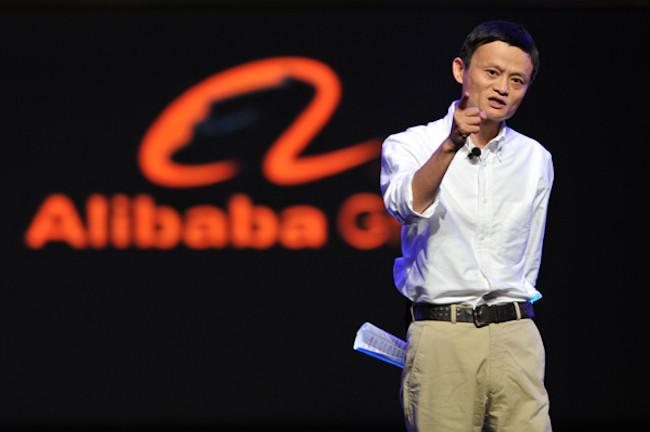


Discussion about Jack ma and future of tmall
https://www.linkedin.com/posts/jon-wang-5427b0118_now-that-jack-ma-has-reappeared-what-is-activity-7159107128673095680-LyKY
I have shared your post here …