
Getting Food into China: the Importer, the Customs File, the Shelf (23 Guides)
Updated

Importing food into China is a chain, and every link can stop you. You need a Chinese importer of record, a production site registered with customs, a label that will still be legal in March 2027, a cold chain that holds, and a retail channel that wants your category. Get them in the wrong order and you pay for a container that sits in a bonded warehouse while your launch date passes.
I am Jon Wang. I run a small search and content team in Shanghai, and the food companies that call us are rarely stuck on marketing. They are stuck on a registration lane nobody explained, a label their head office printed before checking, or an importer who went quiet after the first sample. None of that is a marketing problem. All of it decides whether marketing is worth paying for yet.
The rules moved twice in eighteen months. GACC Decree 280 replaced Decree 248 on 1 June 2026 and pulled overseas cold storage into the registration net. The two label standards published in March 2025 take effect on 16 March 2027, which sounds far off until you count how long a packaging run lasts. Anyone quoting you 2022 rules is quoting the wrong decade, and your importer will notice.
This page collects 23 pieces from this site on the chain itself, from the first importer email to the shelf. It leaves the product categories alone, because those have their own page. Six of these articles had no internal link pointing at them before today. That is a structure problem, and pages like this one are how we fix it. Each entry says who the piece serves and carries one line lifted straight from it.
Jon Wang founded SEO Agency China and works from Shanghai. He sits in on importer meetings most weeks, and he has read more rejected Chinese labels than he would like to admit.
What this guide covers
- Why does China buy so much imported food, and who is the buyer?
- Who actually imports your food, and how do you reach them?
- What does Chinese customs need before anything ships?
- Why do labels and lab reports decide whether you get a second order?
- Which shelf are you aiming for, and does it still exist?
- How much do you have to change the product itself?
- If you sell meals rather than packs, what replaces the importer?
- FAQ
Key numbers to know
| Fact | Source |
|---|---|
| GB 7718-2025, the rewritten label standard for prepackaged food, enters into force on 16 March 2027. The text is dated 16 March 2025 and it supersedes GB 7718-2011. | UNEP Law and Environment Assistance Platform, FAOLEX record for GB 7718-2025 |
| The two label standards were released on 27 March 2025, inside a batch of 50 national food safety standards and 9 amendments, each with a two-year transition. Allergen declaration becomes mandatory for eight ingredient groups, and wording such as no added sugar is no longer allowed. | Xinhua, 27 March 2025, on the National Health Commission and market regulator release |
| GACC Decree 280 came into effect on 1 June 2026, replacing Decree 248. Registration runs five years and renews automatically in most cases, the renewal window moved to three to twelve months before expiry, and overseas cold storage holding food of terrestrial animal origin and aquatic products now needs registration. | Singapore Food Agency trade circular, 28 July 2026 |
| China imported 59.97 billion US dollars of food in the first six months of 2025, down 7.4 percent year on year. The three largest suppliers were Thailand at 5.28 billion, New Zealand at 5.17 billion and Brazil at 4.88 billion. | Ministry of Commerce and CFNA, China Import and Export Monthly Statistical Report, Food, June 2025 |
| Cold chain demand in China reached 381.4 million tonnes in 2025, up 4.5 percent, and cold storage capacity reached 267 million cubic metres, up 5.53 percent, on China Federation of Logistics and Purchasing figures published on 29 January 2026. | FreshPlaza, 29 January 2026, citing the China Federation of Logistics and Purchasing |
| By mid-November 2025 Chinese market regulators had tested 5.7026 million food samples for the year and found 2.74 percent non-compliant, across 39 food categories and 2,066 indicators. | Xinhua, 25 November 2025, on the market regulator press conference |
Read it in order if you have not shipped yet, because the sections follow the real sequence: the market, the importer, the customs file, labels and testing, the shelf, the product, then food service. If you are already selling and something broke, jump. A container stuck at the border is section three. An importer who stopped answering is section two. Flat sell-through after a listing is sections five and six. Each entry says who the piece was written for, and the quoted line lets you judge the tone before you click. Where an article carries old survey numbers, I say so.
Why does China buy so much imported food, and who is the buyer?
Start with the honest size of the thing. China buys food from abroad because it has limited arable land per person, a large urban middle class and quality expectations that rose faster than domestic supply could answer. The half-year customs figure, 59.97 billion US dollars of imported food, also came in 7.4 percent lower than the year before. Growing market, tougher year. Both are true, and your plan has to survive both.
China’s food market is not just big, It is the Biggest

A short brief for anyone who still has to justify a China budget internally. It gives the size of the imported food market, the reason demand keeps building, and the part most decks skip: none of your reputation at home follows you across the border automatically. Useful before a board meeting rather than after one.
That is not a niche, it is a market the size of a large country.
Read the full article: China’s food market is not just big, It is the Biggest
China Food Industry: Opportunities for Foreign Producers

Slower and longer than the brief above, and worth the time if you supply ingredients or processed food rather than a consumer brand. It walks through Chinese agriculture, domestic processing capacity and where imports fill the gap, so you can see which part of the chain actually pays a foreign supplier.
China remains a predominantly agricultural nation despite the rise of Chinese food plants, Chinese food processing, and manufacturing.
Read the full article: China Food Industry: Opportunities for Foreign Producers
China: The #1 Food Importer


Read this one for the structural argument rather than the mood. Limited land, a large middle class and rising quality expectations mean imports are not a fashion cycle. It also names the biggest import categories by value and the entry points that are realistic for a branded food company instead of a commodity trader.
The demand is structural: a large middle class, limited arable land per capita, and rising expectations for food quality and variety all point to continued growth.
Read the full article: China: The #1 Food Importer
Who actually imports your food, and how do you reach them?
In general trade, the importer of record is a Chinese company whose business scope covers food import and distribution. It carries the customs filing, the Chinese label and the liability, which is why it asks hard questions before it answers your second email. These four pieces cover the routes available to you, what the buying side wants to see, and why a bulk grain desk and a branded snack buyer behave nothing alike.
4 ways to make money in the China food industry
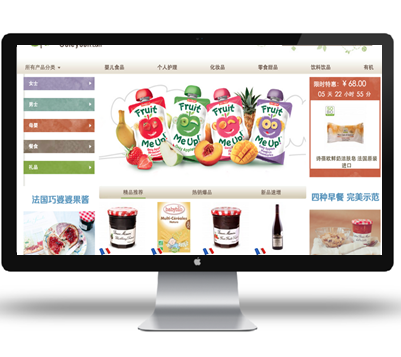

Four routes laid side by side: a distributor, cross-border e-commerce, food service, and running your own store. Older than the rest of this page and rough in places, but it is still the clearest map of the business models open to a foreign food company, and it says plainly which of them has slowed down.
Foreign food brands used to enter China the traditional way: find a distributor, get shelf space, wait.
Read the full article: 4 ways to make money in the China food industry
Selling Grains and Cereals to China: The B2B Opportunity
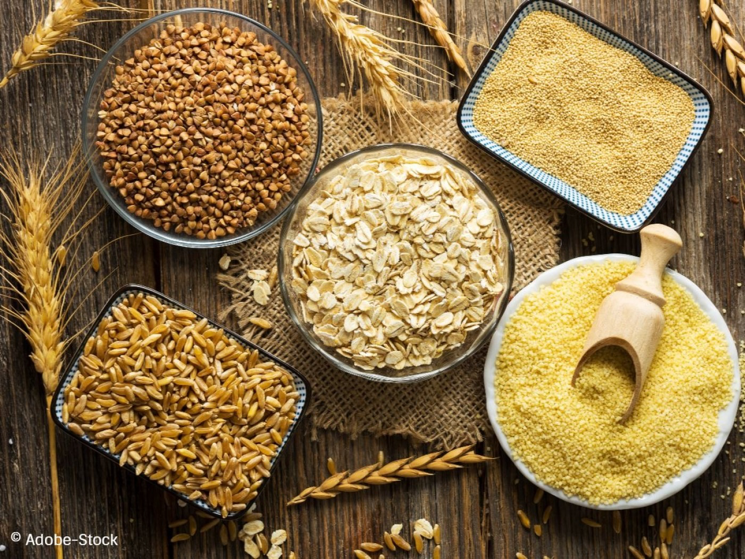

For bulk suppliers, not brands. Grain, oats and wheat move on procurement logic: proof of origin, standards, consistency, volume. The piece explains why consumer social platforms are the wrong place to spend a B2B budget, and where a Chinese buying team really looks when it needs a new supplier. Aimed at an export desk.
It is an importer, a manufacturer, a procurement team, and reaching them takes a different playbook entirely.
Read the full article: Selling Grains and Cereals to China: The B2B Opportunity
Selling Art and Decoration to China’s Taste-Driven Buyers


Not food, and included on purpose. Art and decoration travel through the same import and agent structure, but the decision is emotional and the trust bar sits higher. If you sell anything bought on taste rather than need, this is the closest case on the site to your own problem, and the discovery advice transfers.
The demand is driven by identity and self-expression, not by need, which changes everything about how you sell.
Read the full article: Selling Art and Decoration to China’s Taste-Driven Buyers
China Food Importers: How Do You Contact Them?

The practical one. Listing fees, exclusivity demands, sample logistics, what an importer checks before replying, and why any ranked list of top importers deserves suspicion. Best read with a draft email already open. It also warns you off treating an importer as a customer instead of a partner with its own shelf to defend.
Make sure to do your research regarding your industry's regulations and other legalities before working with a Chinese distributor.
Read the full article: China Food Importers: How Do You Contact Them?
Top Agents and Food Distributors in China: F&B Distribution Company


The long guide, and the first one I send. Four routes to a Chinese shelf, the customs registration that sits in front of all of them, and the channels that decide whether stock moves or ages. Dense, but written in the order you will actually meet these problems. Keep it open while you read the rest of this page.
A Chinese distributor imports, clears customs, and sells you into online and offline stores nationwide.
Read the full article: Top Agents and Food Distributors in China: F&B Distribution Company
What does Chinese customs need before anything ships?
This is the section that decides your launch date. Your production site needs a registration with GACC, and the number goes on the inner and outer packaging where the border checks it. Decree 280 replaced Decree 248 on 1 June 2026: same duty to register, managed by risk category, five years of validity that now renews automatically in most cases, and cold storage brought into scope. Pet food adds a second registration on top.
China Does Not Ask for Your Recipe: What GACC Registration Really Requires

Written to kill one specific fear. Chinese customs asks for the ingredient list in order, the identity of your additives, nutrition values and a process description. That is not a formula. Dosages become unavoidable in three situations, and two of them can be designed out before artwork goes to print. Read it before your R&D team refuses to file.
Every plant that produces, processes or stores the food for export to China needs its own registration.
Read the full article: China Does Not Ask for Your Recipe: What GACC Registration Really Requires
China’s Pet Food Market: A Niche Worth Entering

Pet food sits in the strictest corner of this subject and the piece is honest about it. Plant registration with customs comes first, product registration with the agriculture ministry follows for complete feeds, and a domestic responsible person in China is required. It also shows why small niche brands do well once they are through.
Pet food has real import and registration rules, and they matter, so this is one category where the regulatory path needs proper attention before you scale.
Read the full article: China’s Pet Food Market: A Niche Worth Entering
GACC Registration: How to Get Your Food and Beverage Approved to Sell in China (2026)


The end-to-end map. Which lane your product falls into, who files, what the CIFER system asks for, how long each step takes and where the registration number has to appear on the pack. Updated after the June 2026 rule change. If you read one compliance page before quoting a customer a ship date, make it this.
A wine, a biscuit, and a block of cheese follow different lanes, and assuming the wrong one is the most common early mistake we see.
Read the full article: GACC Registration: How to Get Your Food and Beverage Approved to Sell in China (2026)
Why do labels and lab reports decide whether you get a second order?
Chinese regulators tested 5.7 million food samples in the first eleven months of 2025 and failed 2.74 percent of them. Shoppers know that, and they read packs accordingly. From 16 March 2027 the label itself changes: allergens declared for eight ingredient groups, dates written year then month then day, and claims built on an absent ingredient no longer allowed. These three pieces explain why proof sells here, not just safety.
Food Safety in China: The Fear That Becomes Your Opportunity
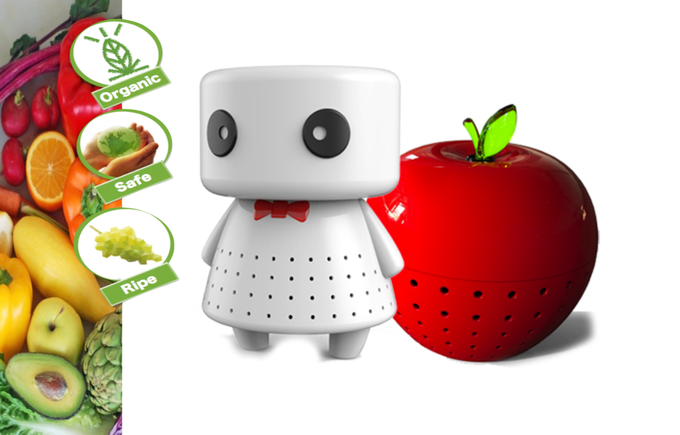

The commercial reading of Chinese food anxiety. Past scandals left a shopper who checks labels, pays for proof and treats clean sourcing as something close to a luxury. For packaging, preservation, testing and traceability suppliers, that fear is the pitch. For food brands, it explains why your certificates belong in your marketing, not in a drawer.
A product that genuinely protects, preserves, or proves the safety of food is selling into an anxiety the whole country shares.
Read the full article: Food Safety in China: The Fear That Becomes Your Opportunity
The Chinese Food Market : 10 Trends


An older trend piece, kept for one reason: it shows how a Chinese shopper cross-checks food information before buying, and how regional taste splits a national plan into five. The survey percentages in it come from the 2010s, so take the direction and ignore the figures. Still useful when you write a marketing brief.
While having food safety issues still in mind, Chinese consumers are seeking multiple sources of information before making any purchase decision.
Read the full article: The Chinese Food Market : 10 Trends
What Aldi and Costco’s Success Says About Chinese Shoppers
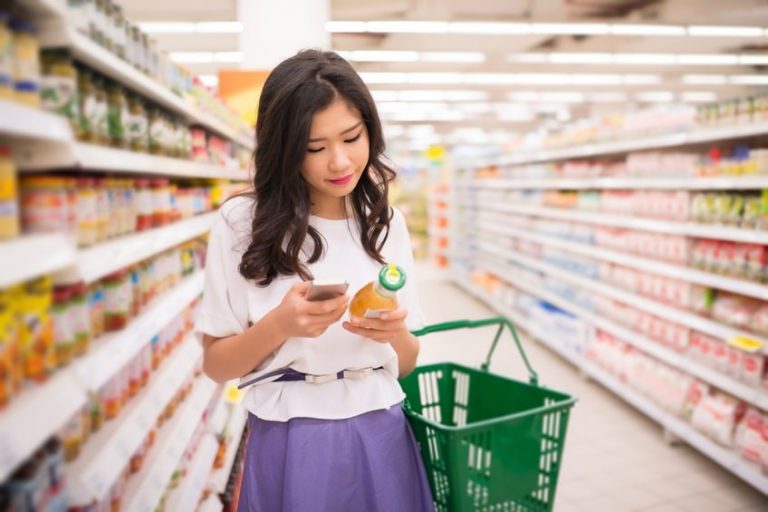

Two foreign retailers that worked here while bigger names packed up. Both sold curation: a short vetted range at a fair price, with the choosing already done. For a supplier the lesson is double. Getting into a trusted retailer borrows its credibility, and cutting price destroys the only asset a foreign label starts with.
They want to trust that what they buy is good, and they value a source that removes the doubt.
Read the full article: What Aldi and Costco’s Success Says About Chinese Shoppers
Which shelf are you aiming for, and does it still exist?
Ask a distributor for national coverage and you will get a polite answer and no plan. The shelf splintered. Membership clubs, premium grocers, convenience chains, pre-made meal retailers and delivery apps each buy on different terms, and the old hypermarket listing carries far less weight than it did. Cold chain decides which of them you can even serve: 381.4 million tonnes moved through it in 2025, and 267 million cubic metres of cold storage is still being added to.
GrandPa Cui, a new generation of Supermarket in China


A close look at one pre-made meal retailer, and a short way to understand the format that replaced the hypermarket aisle. Store, app, WeChat group and short video all feed one basket. If you make chilled, frozen or ready-to-heat food, this is the kind of buyer worth pitching before you chase a national chain.
If you can get your product on the shelf of one strong store, you reach many loyal, big-basket shoppers at once.
Read the full article: GrandPa Cui, a new generation of Supermarket in China
The Growing Popularity of Online Grocery Shopping in China
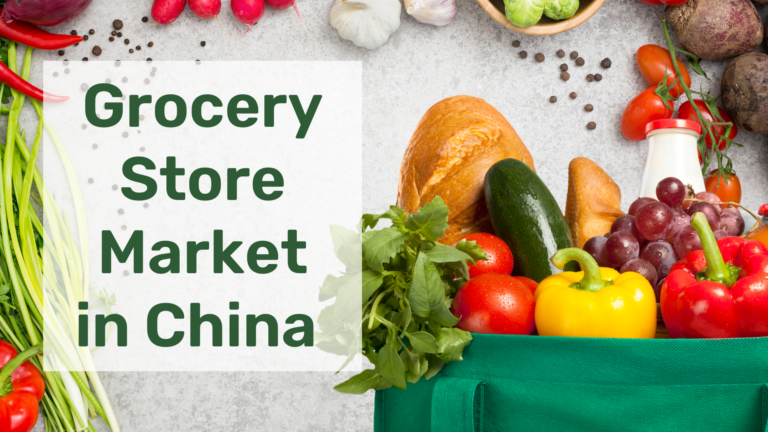
Grocery moved to the phone and the piece tracks how: fast delivery, fresh-food platforms, community group buying. Written for brands that still assume retail means a physical aisle. It also covers how imported produce reaches a shopper cheaper online than in a store, which is useful and uncomfortable if you sell on margin.
Online grocery has gone from convenience to daily habit, powered by fast delivery, fresh-food platforms and community group buying.
Read the full article: The Growing Popularity of Online Grocery Shopping in China
Carrefour, Suning and the Decline of the Old Hypermarket in China
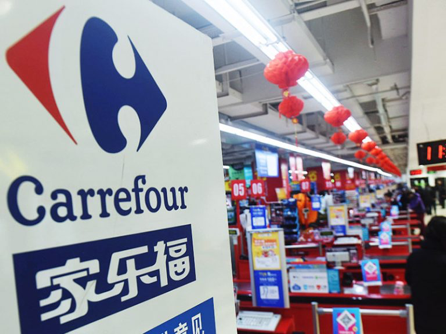

Short, and it will change a channel plan. Carrefour sold most of its China business and stepped back, squeezed by e-commerce above and convenience formats below. If your China strategy rests on hypermarket listings, this explains why your distributor keeps changing the subject when you ask about them.
That channel is shrinking in importance, and tying your strategy to it means tying it to a declining model.
Read the full article: Carrefour, Suning and the Decline of the Old Hypermarket in China
How much do you have to change the product itself?
Clearing customs gets your pack into the country. It does not make anyone pick it up. The brands that struggle here are usually the ones that shipped the home-market product and the home-market argument, then waited. These three pieces come from opposite directions: a ranking that shows how fast local competitors now move, a giant that rebuilt its menu, and a category that had every reason to succeed and did not.
Chinese Brands Took the Shelf: What the 2026 Rankings Mean for Imported Food
The uncomfortable one. Chinese food and drink companies now hold the top brand positions, and they take a product from idea to national shelf in months while an imported pack needs a year and a half. It separates the patriotic buying story from the competitive one, and only the second is yours to do anything about.
Most foreign brands are still arriving with a European pack and asking the channel to adapt.
Read the full article: Chinese Brands Took the Shelf: What the 2026 Rankings Mean for Imported Food
What McDonald’s Adapting to Chinese Customers Teaches Food Brands
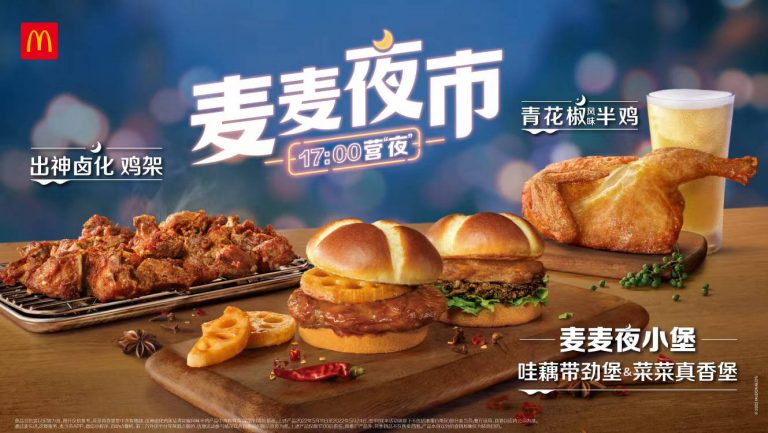

Taro pies, rice burgers, congee at breakfast. A brand big enough to ignore local taste decided not to, and kept its identity anyway. Useful as an argument to take upstairs when head office insists the product travels unchanged. Short, with a clear line between adapting a recipe and losing a brand.
It did not simply translate its standard menu, it built dishes around what Chinese customers like to eat and when they like to eat it.
Read the full article: What McDonald’s Adapting to Chinese Customers Teaches Food Brands
The Plant-Based Food Market in China: The Opportunity and the Lesson
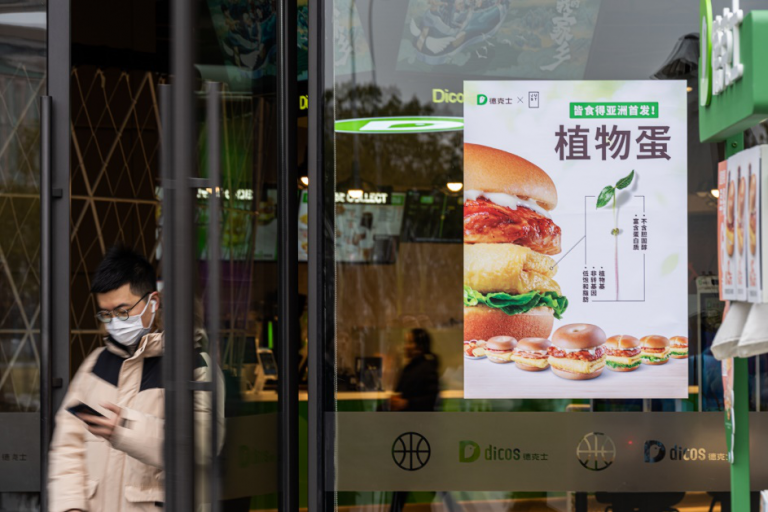

A corrective. Every macro signal pointed at plant-based success here, and several well-funded brands still stalled. The gap was positioning: ethics and sustainability move fewer Chinese buyers than health, taste and price do. Read it if a category report has convinced you the demand is already waiting for you.
A market can have every reason to want a category and still reject a specific product that does not fit how people actually eat, cook, and decide.
Read the full article: The Plant-Based Food Market in China: The Opportunity and the Lesson
If you sell meals rather than packs, what replaces the importer?
Some food businesses never meet an importer. They open an outlet, or they license a brand to someone who does. The chain is different: a lease instead of a container, a franchisee instead of a distributor, a review platform instead of a shelf. Demand still has to be built before opening day, because diners here choose on Dianping, Meituan and Xiaohongshu long before they choose on the street.
How to Start a Successful Franchise in China
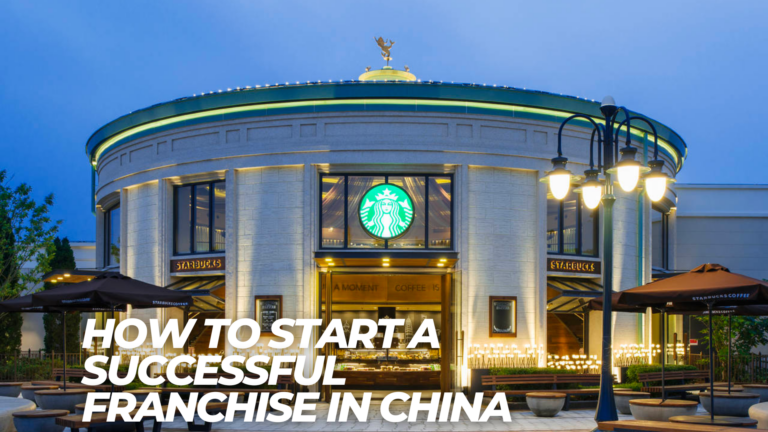

The longest piece in this collection, and the one to read if your model is franchising rather than exporting. Commercial reform, middle class growth, urban convenience and the rules that protect franchisees. Heavy going in places, but it covers the legal and partner questions that webinars skip and lawyers bill for.
The continuous growth of China's middle class and their increasing disposable income has created abundant opportunities for franchise businesses to thrive.
Read the full article: How to Start a Successful Franchise in China
5 Best Ways to Promote Your Restaurant in China
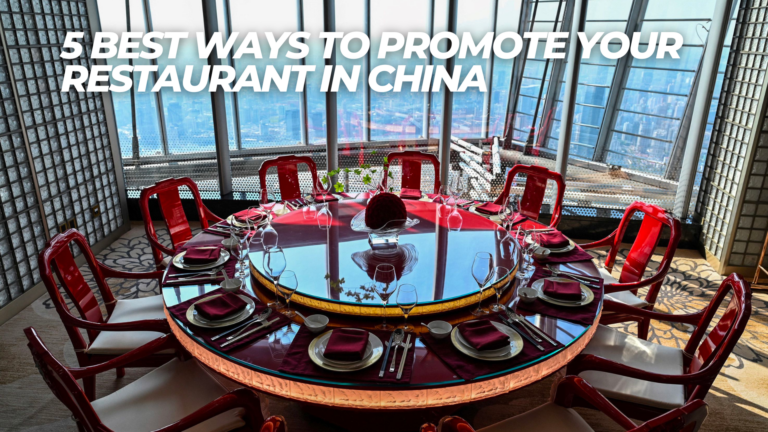
Restaurant demand here is built on Dianping, Meituan and Xiaohongshu well before anyone walks in. Five concrete promotion routes, with examples from Shanghai dining rooms, plus the delivery platforms that now carry a large share of covers. Written for an operator opening one or two sites rather than a chain.
Diners here do not stumble in off the street, they pick you on Meituan and Dianping, after seeing you on Xiaohongshu.
Read the full article: 5 Best Ways to Promote Your Restaurant in China
Innovation part of the content of Food Franchise brands in China
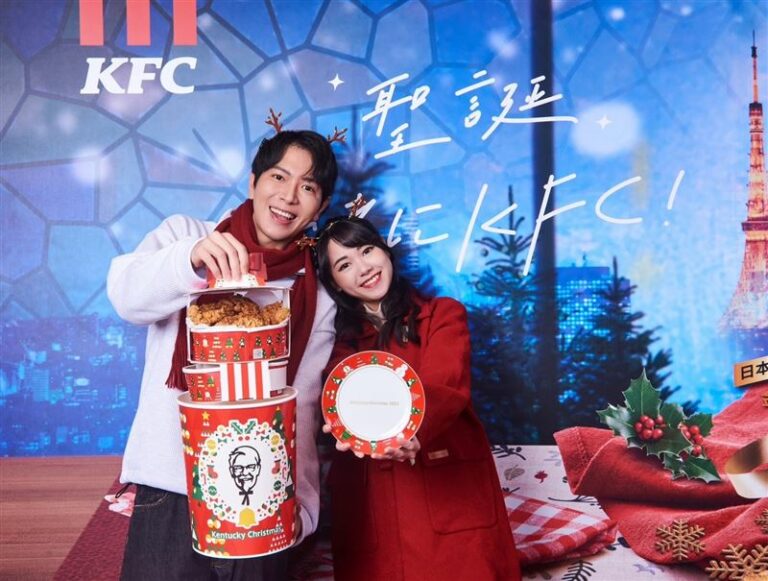

KFC China read as a content machine: a bucket-shaped cooker at Christmas, build-your-own burgers, a healthier spin-off brand in Hangzhou. The point is the cadence, not the budget. Every launch gets filmed. If you run food outlets in China, it shows what your social calendar is actually competing against each month.
They treat every dish, store opening and limited drop as something to film and share.
Read the full article: Innovation part of the content of Food Franchise brands in China
The costs that are never in the first quote
Three things, and they are rarely in the first quote. Import costs, a contribution to the distributor’s own distribution costs, and listing fees to get onto the shelf. They sit on top of a buying price already set at roughly 10 percent of final retail, against a resale to the store at around 50 percent. Brands that discover these line by line over six months usually conclude the market is hostile. It is simply priced differently.
Reported by Jon Wang from current client negotiations, not taken from a market report.
Frequently asked questions
Do I need a Chinese importer to sell food in China?
For general trade, in practice yes. The importer of record has to be a company established in China whose business scope covers food import and distribution. It carries the customs filing, the Chinese label and the liability. You can skip that for a first test by selling cross-border from a bonded or overseas warehouse, where the consumer is the importer. Most brands end up doing both, cross-border first, general trade once the volume justifies the paperwork.
What is GACC registration, and who has to do it?
It is the registration of your production site with Chinese customs. Every plant that produces, processes or stores food destined for China needs its own number, and that number goes on both the inner and the outer packaging, where the border checks it. Higher-risk categories are recommended to GACC by your own national authority. Everything else self-registers through the CIFER system on China’s Single Window, often with your importer doing the filing.
Has GACC Decree 248 been replaced?
Yes. Decree 280 came into effect on 1 June 2026 and replaced Decree 248. The duty to register did not change and registrations granted under 248 stay valid. What changed is the management: registration now runs by risk category, the five-year validity renews automatically in most cases, the renewal window moved to three to twelve months before expiry, and overseas cold storage for animal origin and aquatic products came into scope.
How long does food import registration take?
Plan in months, not weeks. A clean self-registration in a general category can clear in a few weeks. A category that needs a recommendation from your own ministry depends on that ministry’s queue, and three to six months is normal. Pet food with a complete feed formula adds a separate product registration on top of the plant file. Start the paperwork before you promise an importer a shipping date, not after.
Which parts of my label have to be reprinted before 16 March 2027?
GB 7718-2025 and GB 28050-2025 enter into force on 16 March 2027. Allergen declaration becomes mandatory for eight ingredient groups. Dates are written year, then month, then day, with the expiry date shown directly. Claims built on an ingredient you never added are no longer permitted. Font size, date placement and manufacturer details moved into separate administrative measures rather than sitting in the standard itself.
Can I still write no added sugar on a label for China?
Not after 16 March 2027, and not in any equivalent wording. The new standard stops producers emphasising an ingredient that was never added, because the claim describes the process and not the finished product. A juice with no added sucrose still contains fruit sugar, and the regulator decided that reading misleads shoppers. If your pack leans on that line, rebuild the product story before the next artwork run.
Do I have to give Chinese customs my recipe?
No. What customs asks for is the ingredient list in order, the identity of your additives, the nutrition values and a description of the process. That is not a formula. There are three situations where one specific dosage becomes unavoidable, and two of them can be designed out before you file anything. The piece above on what GACC registration really requires sets out who in the chain receives which level of detail.
Does my cold storage facility need to be registered?
Since 1 June 2026, yes, if it stores food of terrestrial animal origin or aquatic products for export to China. Cold storage came into scope with Decree 280, which caught a lot of chilled and frozen suppliers who believed registration applied only to factories. Check every site in your chain, including a third-party warehouse where you rent space, because the border checks the numbers printed on the pack.
Can I test the Chinese market without full import registration?
Yes. Cross-border e-commerce from a bonded or overseas warehouse lets you sell to Chinese consumers without general trade registration and without a Chinese label printed on the physical pack. It is the cheapest way to find out whether anyone wants your product. The limits are volume, channel and price. Once a product sells, general trade is the only route into offline retail and food service.
Why was my shipment held at the port?
Usually paperwork, not the product. A missing or wrong registration number on the pack, a Chinese label that does not match the certificate, an additive outside its permitted use, a health certificate showing a different plant address. Chinese authorities publish non-compliant batches every month, and foreign suppliers appear on those lists for small clerical reasons. Ask your importer for the actual rejection notice rather than a summary of it.
Does pet food follow the same rules as human food?
No, it is stricter. The plant registers with customs like any food site, and a complete feed also needs separate product registration with the agriculture ministry, which runs several months and requires a domestic responsible person in China. Treats sit in the other pet food category and skip that product registration. The pet food piece above explains why the niche is still worth the wait for a small brand.
How do I get my product onto a Chinese supermarket shelf?
Decide which shelf first. A membership club, a bulk snack chain, a premium grocer and a convenience chain each buy on different terms, and an old hypermarket listing matters much less than it did ten years ago. Then make sure the importer or distributor who covers that channel can see Chinese demand for your name. Retail buyers check what shoppers already ask for before they give up space.
Working with us on this
We have an office in Jing’an, Shanghai, with a small team. On food files we usually start somewhere unglamorous: checking what a Chinese importer finds when they search your brand name in Chinese, and whether your category shows any demand at all on Baidu and Xiaohongshu. We fix that first, and the importer conversation gets shorter. See how we help brands find a reliable Chinese distributor, or send us your product, your HS code and your target channel through our contact page. If the registration path makes your launch date impossible, we will say so before you spend.
Last updated: October 2026. This guide is reviewed when new articles are published on the topic.