
Food in China: 5 B2B Tips for Export Manager
Updated

Let’s dive into the F&B sector in China, especially from a B2B perspective.
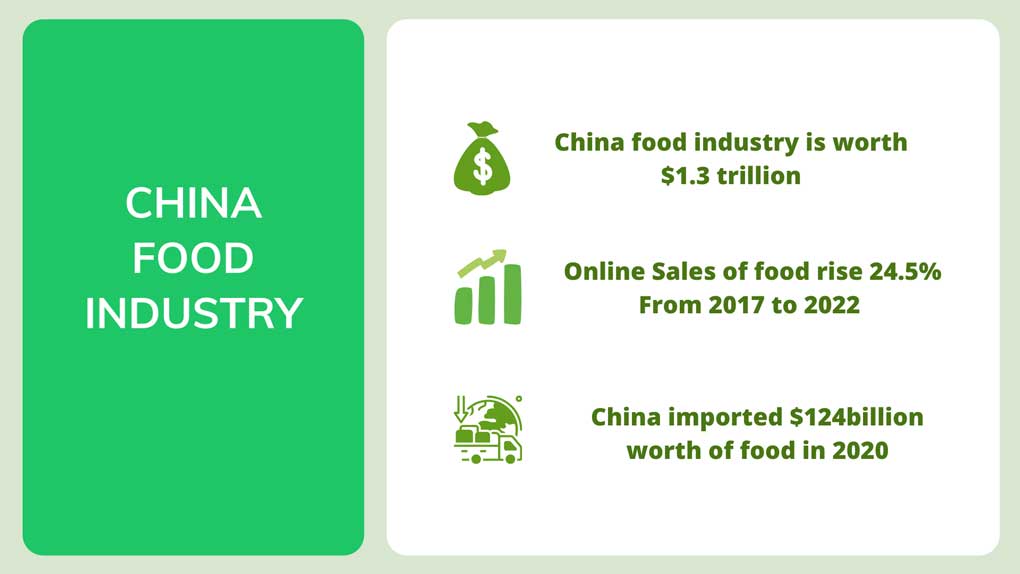
Introduction: The F&B industry in China is massive, and the B2B space is bustling with action. Whether it’s supply chains, bulk sales, or ingredient sourcing, if you’re in F&B, China’s your playground.
Trends:
- Health and Sustainability: There’s a huge push towards healthier, sustainable options. If you’re not thinking green or clean, you’re behind.
- Tech Integration: From blockchain for traceability to AI in supply chain management, tech is king in streamlining operations and ensuring product quality.
- Local Tastes: International brands succeeding here are those that adapt flavors and products to match local palates.
What Distributors Really Want: Distributors are looking for products that not only meet the stringent regulatory environment but also cater to the evolving tastes of Chinese consumers. They crave reliability in supply chains, innovation in product offerings, and brands that understand the importance of marketing directly to Chinese business buyers and consumers.
Here are 5 killer B2B tips

let’s lay out the playbook for Food Export Managers in China. Here are 5 killer B2B tips to crush it:
- Leverage WeChat: Not just for chats—think big with WeChat video updates and newsletters. Stay on your distributors’ radar by consistently delivering fresh content and updates right where they spend their time.
- Website in Chinese: If your website isn’t optimized for the Chinese market, you’re invisible. Localize the language, design, and user experience to cater to local business needs and search behaviors.
- Rank on Baidu: SEO isn’t just a Google game. Optimize your content for Baidu to ensure you’re the first name that pops up when local distributors, restaurants, and bar owners are searching.
- Douyin Videos: Tap into the power of Douyin by creating engaging, informative content that can go viral. Show off your products in action—make them fun and shareable to catch the eye of B2B buyers.
- Xiaohongshu (Little Red Book) Strategy: This platform is all about trust and community. Share insights, product info, and behind-the-scenes looks to build credibility and connect with food industry professionals.

Website or not Website for China ?
Absolutely YES, if you’re launching a website in China and aiming for B2B visibility, starting with Baidu is a strategic move. You’d want to focus first on Baidu ads. Here’s the play:
- Optimize for Baidu: Make sure your site is fully optimized for Baidu’s SEO standards, which differ from Western search engines. This includes using Simplified Chinese and understanding Baidu’s specific meta tags and keyword preferences.
- Leverage Baidu Ads: Deploy Baidu PPC (Pay Per Click) campaigns to gain immediate visibility. It’s similar to Google Ads but tailored for the Chinese market. This can drive targeted traffic to your new site right off the bat.
- Analytics: Utilize Baidu’s analytics tools to track your ad performance and optimize based on real data to refine your approach and boost awareness and develop B2B.

This approach ensures you’re not just launching a website; you’re making it discoverable and driving targeted traffic from day one. Let’s make sure your tech scales in one of the world’s most dynamic digital landscapes!
Douyin, A must have
Opening a Douyin account for your Food & Beverage (F&B) venture is not merely about entering a new market; it’s about changing the way we interact with food and technology.

Douyin offers unprecedented reach, with millions of potential customers at your fingertips, each one seeking the next culinary trend. Here, your dishes are more than meals—they’re an experience, a shared moment. Douyin allows for direct engagement with your audience, turning viewers into participants and participants into loyal customers.
It’s about harnessing the power of video to not just show but to inspire, creating a brand that is as innovative as it is influential.
This is the future of dining—visual, interactive, and immediate. Joining Douyin isn’t just a choice, it’s an essential step forward. View my post on linkedin
XIAOHONGSHU Good or Pass ?
Absolutely Need it, Xiaohongshu (Little Red Book) is becoming a necessary platform for F&B brands in China, especially for those targeting the lifestyle and wellness-conscious demographic. Here’s why:
- Community Engagement: Xiaohongshu is a community-driven platform where users seek and share genuine recommendations. It’s ideal for building trust around your F&B products.
- Brand Visibility: By creating quality content that resonates with the health and lifestyle interests of users, your F&B brand can significantly increase its visibility and engagement.
- Consumer Insights: The platform offers rich insights into consumer preferences and trends, which can guide your marketing strategies.
RED- Xiaohongshu is not just a marketing tool; it’s a vibrant community to engage with potential customers authentically and effectively. If your F&B brand is about lifestyle, wellness, or luxury, being on Xiaohongshu is nearly essential. Read more on linkedin jon Wang

Read more
What changed in 2026: key updates for this topic
China’s food import rules tightened in 2025. The General Administration of Customs (GACC) now requires all foreign food manufacturers to register directly on the CIFER portal before shipping. No registration means no entry. Over 2,000 overseas facilities were removed from the approved list in late 2024 for documentation gaps. Cross-border e-commerce food sales grew to RMB 142 billion in 2025, up 18% year-on-year, but regulators increased spot inspections at bonded warehouses (GACC, 2025). Labeling rules also changed: Chinese-language labels must now include allergen declarations aligned with GB 7718-2025 standards. Many exporters missed this update and faced shipment holds at ports. Meanwhile, Douyin’s food category surpassed Tmall in live-stream food GMV for the first time in Q3 2025, with dairy and snack categories leading (Statista, 2026). If you sell packaged food, your channel mix and compliance checklist both need a refresh.
Frequently asked questions
What certifications does a food exporter need to enter the Chinese market?
Foreign food manufacturers must register with GACC via the CIFER system before exporting to China. Products also need Chinese-language labels that meet GB 7718 standards. Depending on the category, you may need additional health certificates from your home country authority. Dairy, meat, and seafood face the strictest controls. Budget 3 to 6 months for the full registration process. Working with a local China import agent speeds things up considerably.
Is Douyin or Tmall better for selling food in China in 2026?
Both platforms work, but for different goals. Douyin drives discovery and impulse purchases through short video and live-stream. It works best for snacks, beverages, and new brands with strong visual packaging. Tmall Global is better for building long-term brand credibility and repeat buyers. Many export managers now start with Douyin to test demand, then move volume through Tmall once the brand has traction. A combined approach outperforms either channel alone.
How do you find a reliable Chinese food distributor?
Start at Canton Fair or SIAL China, where active distributors attend specifically to scout foreign brands. Verify any distributor candidate on the National Enterprise Credit Information Publicity System. Check their existing brand portfolio: you want someone who sells complementary products, not direct competitors. Negotiate exclusivity by region rather than nationally. Define minimum order volumes and marketing spend commitments in the contract before signing anything.
What food categories have the best growth potential in China right now?
Health-positioned foods are growing fast: protein snacks, low-sugar products, and functional beverages all saw double-digit growth in 2025. Plant-based alternatives gained ground in tier-1 cities, especially among consumers under 35. Premium olive oil, specialty cheeses, and European charcuterie also posted strong numbers through cross-border e-commerce. Products with a clear country-of-origin story and visible certifications convert better on Douyin and Xiaohongshu than generic mass-market items.
Need help with this in China? Contact SEO Agency China for a free consultation.
Jon Wang has spent 15 years helping foreign brands enter and grow in China. He leads digital strategy at SEO Agency China and publishes regular market insights on LinkedIn.
Sources: https://www.gacc.gov.cn | https://www.statista.com/topics/9356/e-commerce-in-china/ | https://www.sial.com/en/china.html
Jon Wang founded SEO Agency China. He works with export managers who have a good product, a real budget, and no clear picture of who in China actually buys it. Connect with Jon on LinkedIn.
Reviewed and updated on 02 October 2026 by the SEO Agency China team in Jing’an, Shanghai. If anything here is out of date, tell us and we will correct it.
Best Ways to Sell Alcohol and Beverages in China: Key Tips for New Brands
Hello! Here’s a quick look at how new alcohol and beverage brands can succeed in China’s market:
Go Big on Tmall and JD 🍾
Chinese consumers trust these platforms for quality and variety. Having your brand on Tmall or JD ensures visibility and credibility, plus it’s where most people shop for international drinks.
Engage with Influencers and KOLs 🌟
Work with influencers on Douyin or Xiaohongshu who specialize in lifestyle or food content. Seeing a KOL enjoy your drink in a classy setting or with friends makes it relatable and desirable.
Create Limited-Edition and Festive Packaging 🎉
Unique packaging for festivals like Chinese New Year or Mid-Autumn Festival attracts buyers looking for something special. Limited editions can create excitement and boost sales.
Emphasize Premium and Health Aspects 🌿
Chinese consumers love premium and healthy options. Highlight quality ingredients, low-sugar content, or any unique health benefits to make your brand stand out.
To win in China, make your brand visible, leverage trusted influencers, and tailor your offerings to match the demand for quality and unique experiences. Cheers!