
Dubai Is A Hot Spot For Chinese Real Estate Investors

Over the years, Dubai has gained a reputation as a sought-after destination for real estate investment, drawing investors from across the globe. In recent times, however, there has been a significant increase in Chinese investment in Dubai’s property market, with Chinese buyers now ranking among the top 10 nationalities for property purchases in the city. This growing trend can be attributed to various factors, including tax incentives provided by the Dubai government and the country’s stable economic growth.
In this blog post, we will explore why Dubai is so attractive to Chinese investors and how businesses can leverage this trend to their advantage.
Cost-Effective Agency
KPI and Results focused. We are the most visible Marketing Agency for China. Not because of huge spending but because of our SMART Strategies. Let us help you with: E-Commerce, Search Engine Optimization, Advertising, Weibo, WeChat, WeChat Store & PR.
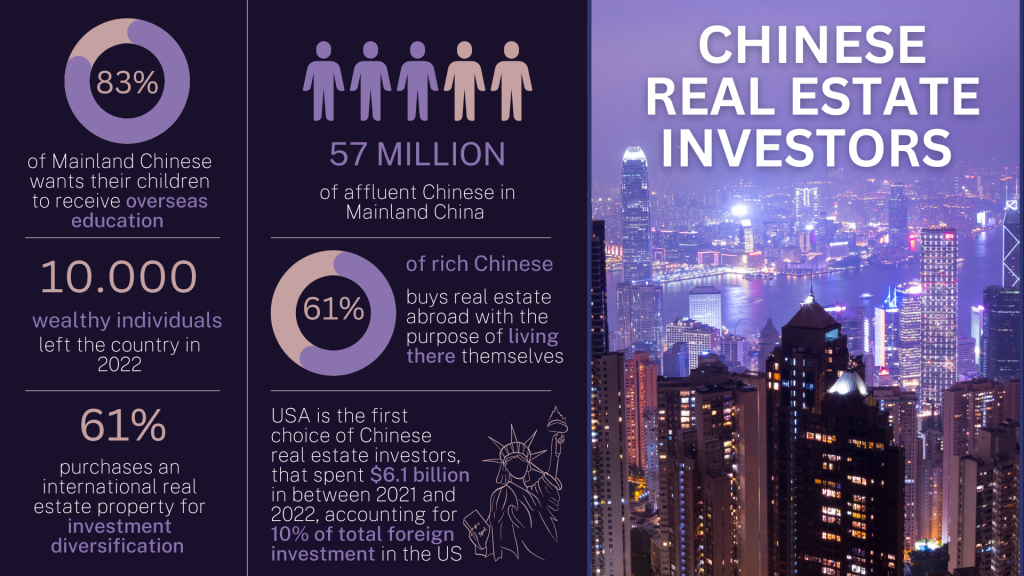
The Chinese Real Estate Investor’s Profile
Chinese investors interested in Dubai’s real estate market are typically wealthy individuals or companies with high net worth, seeking luxury properties and commercial spaces for investment purposes.
The demographics of potential investors are rapidly growing in the market. The majority of investors are middle-aged, affluent individuals and families interested in luxury residential and commercial properties.
They are seeking financial stability and new business opportunities outside of their home country, with many Chinese investors being influenced by cultural associations, government policies, and geopolitical developments such as China’s Belt & Road Initiative.
What These Investors Are Looking For?
Chinese property buyers in Dubai’s real estate market have a particular interest in luxurious properties, including high-end apartments, villas, and townhouses, for both self-use and investment purposes.
They also seek commercial opportunities in prime locations, such as business hubs and retail districts, that offer excellent returns on their investments.
For instance, Wealth Report 2023 by Howard Horowitz highlights that almost a third of these investors consider property investments in Dubai as an effective inflation hedge.
Why Dubai Is Attractive To Chinese Real Estate Investors
Chinese real estate investors are attracted to Dubai due to its geographic proximity, economic stability, tax incentives, safety, and high quality of living, making it an appealing destination for investment.
Geographical Proximity And Connectivity Between China And Dubai
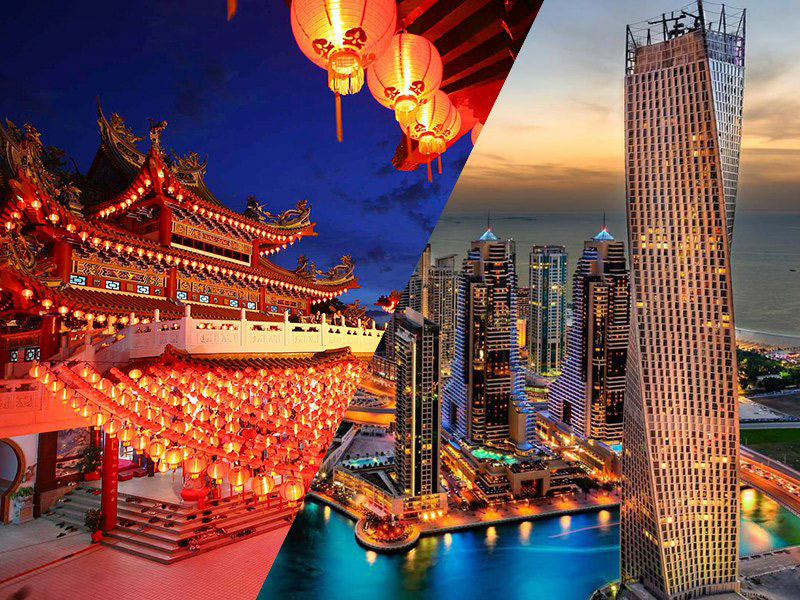
Dubai’s location and proximity to China make it an attractive investment destination for Chinese real estate developers. With direct flights from major Chinese cities, Dubai is easily accessible, making travel convenient for business owners and executives.
Moreover, the cultural similarities between China and Dubai have facilitated a strong relationship that extends beyond just commerce. This connection makes doing business easier as it helps bridge any communication gaps or misunderstandings that may arise during negotiations.
Tax Advantages And Incentives Offered By The Dubai Government
Dubai is particularly attractive to Chinese real estate investors due to the tax advantages and incentives offered by the Dubai government.
Investing in Dubai’s real estate market is considered tax-free, as there is no annual property tax or income tax.
Moreover, purchasing a luxury home in Dubai offers a lot of investment opportunities such as substantial tax benefits compared to other countries like the UK where taxes could be 15% or more.
Recent government policy changes, like the cancellation of corporate fines, aim to create an investment-friendly environment for foreign entities, including Chinese investors seeking to expand their international portfolios.
Economic Stability And Consistent Growth Of Dubai’s Real Estate Market
From an investment perspective, Dubai offers a stable political and economic environment that has consistently grown over time. According to experts, the outlook for rated Dubai-based real estate companies is positive due to expected growth supporting the market in 2023.
In fact, as more foreign investors establish second homes in Dubai and visa policies become more attractive, property sales are forecasted to exceed $82 billion by 2023.
This trend presents an excellent opportunity for businesses wanting to sell products in mainland China as Chinese investors continue to pour money into Dubai’s real estate industry.

Safety And High Standard Of Living
Dubai is a safe and secure location for Chinese real estate investors. The city boasts one of the lowest crime rates in the world and has established itself as one of the most stable countries globally.
This reputation adds to its appeal to wealthy investors who are looking for high-quality living standards.
Investors are attracted to Dubai’s high-end real estate assets because of its luxurious lifestyle offerings, including high-rise buildings, advanced infrastructure, and short-term residency visas provided by the UAE government.
Dubai’s Unique Positioning As A Global Hub
Dubai’s location as a global hub for trade, commerce, and travel, along with its strategic position at the crossroads of Europe, Asia, and Africa, makes it an attractive destination for real estate investment from Chinese potential buyers.
The upcoming Expo 2020 has further increased interest in the city’s property market, and it offers advantages over other cities in terms of taxation policies and incentives for foreign investments.
The Impact Of China’s Belt And Road Initiative
The Belt and Road Initiative has opened up investment opportunities for wealthy Chinese investors in Dubai’s real estate market, with Sheikh Mohammed announcing a $3.4 billion investment deal via this initiative.
The initiative has also improved transportation connectivity between China and Dubai, making it easier for wealthy Chinese investors to explore business opportunities in the region.
Current Chinese Real Estate Investment Trends And Stats In Dubai
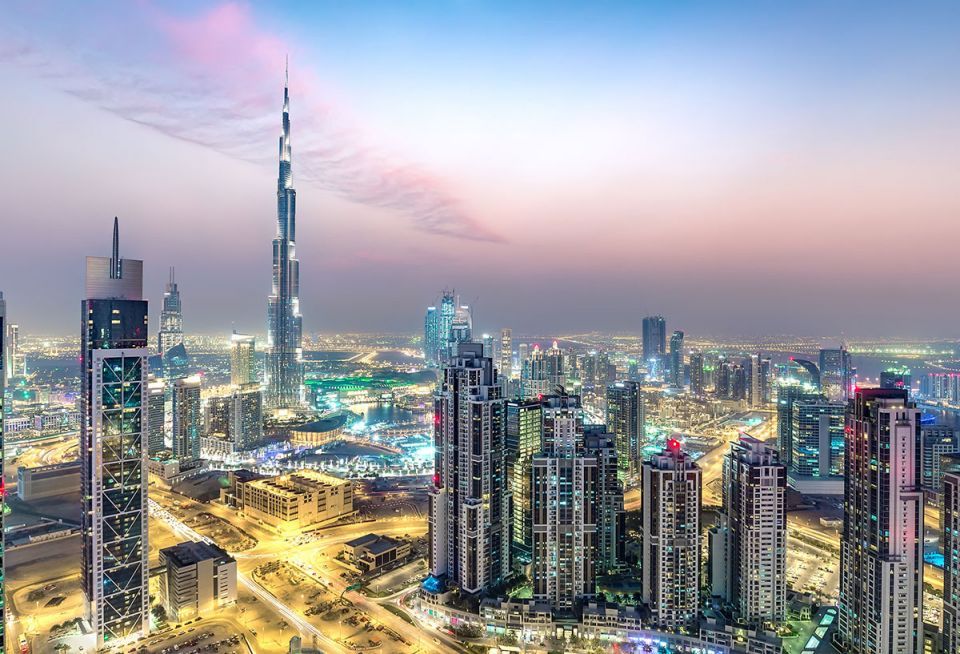
Chinese investors continue to show growing interest in Dubai’s real estate market, with China consistently ranking as one of the top 10 buyer nationalities for properties in Dubai over the past eight years.
Chinese investment in Dubai’s real estate market is rapidly increasing, with Chinese buyers accounting for AED 1.7 billion of total transactions in the first year alone.
This trend is expected to continue growing as China’s Belt and Road Initiative promotes further economic ties with the UAE and Dubai becomes a key point in this initiative.
The Top Investment Areas And Popular Property Types Among Chinese Investors
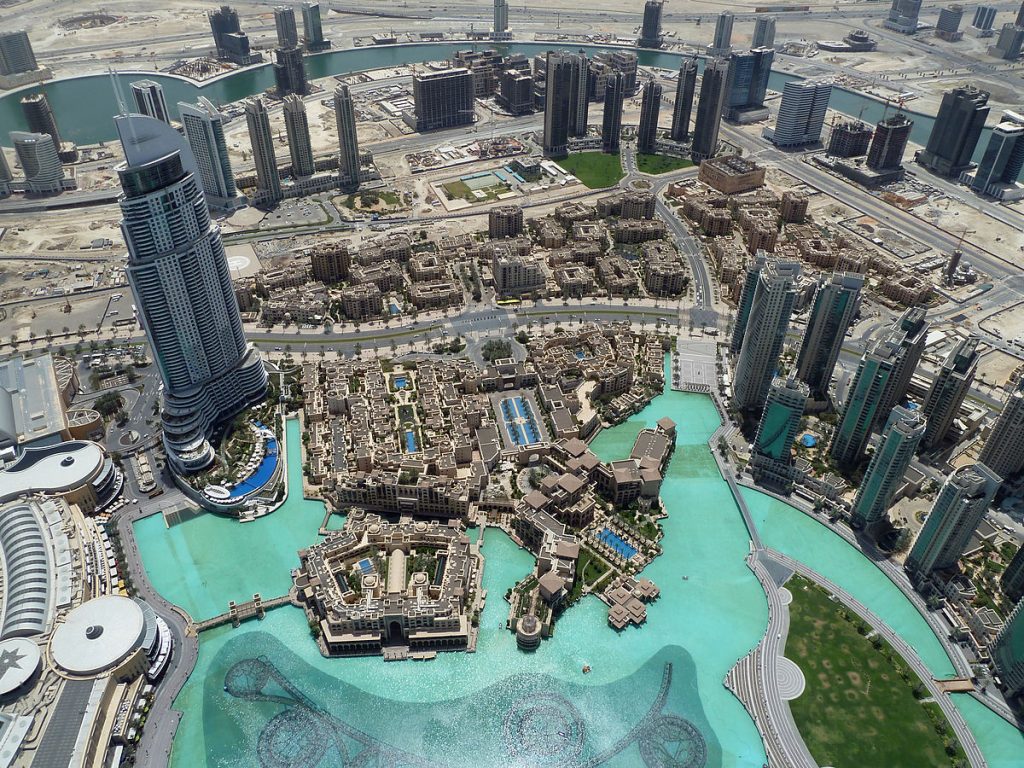
The top investment areas and popular property types among Chinese consumers are in Dubai. According to recent statistics, Downtown Dubai is the most favored area for Chinese investors to invest their money in real estate market projects.
Chinese people prefer luxurious areas like Palm Jumeirah, Emirates Hills, and Arabian Ranches in Dubai, which offer high-end amenities and modern facilities such as villas, apartments, penthouses, and commercial spaces. They prioritize easy access to transportation hubs and business districts.
The Future Trends And Predictions Based On Current Stats

Chinese investment in Dubai’s real estate market is expected to increase and boost the city’s economy, with Chinese buyers predicted to become the top property purchasers in the UAE.
The Emerging Trends in Real Estate report suggests that evolving real estate trends can be applied globally.
Dubai’s property market has many emerging trends, including a recent increase in house prices by 10.6%.
Overall, businesses wanting to sell products amidst this emerging trend should seize every opportunity presented but also be aware of the potential challenges and risks involved.
Opportunities And Challenges For Business Owners Or Executives
Business owners and executives can take advantage of the growing Chinese investment trend in Dubai’s real estate market by developing marketing strategies that target Chinese investors, establishing partnerships with UAE-based developers, and staying updated on visa rules and regulations.
The Opportunities This Trend Presents For Businesses Wanting To Sell Products In China
With more and more Chinese investors flocking to Dubai’s real estate market, there are opportunities for businesses that want to sell products in China.
One opportunity is the potential for increased brand awareness as well as easier access to the Chinese market.
However, cultural and language barriers may pose challenges in adapting sales strategies accordingly. Brands should invest time and resources into localizing their messaging so that it resonates with the target audience they are trying to reach.
The Potential Challenges And Risks Involved
Investing in international real estate can pose challenges and risks, especially for Chinese investors considering Dubai.
These challenges include complying with regulations and navigating the legal system, as well as effectively managing the local workforce.
On the other hand, foreign companies also face challenges accessing the Chinese market due to complex regulations.
Additionally, there are risks associated with underdeveloped contract law and deficient legal systems for real estate investors.
Tips And Strategies On How To Leverage This Trend
There are several ways to leverage the increasing Chinese investment in Dubai’s real estate market. Firstly, identify the target audience of Chinese investors interested in Dubai’s real estate market.
This will enable them to tailor products or services to meet their needs better.
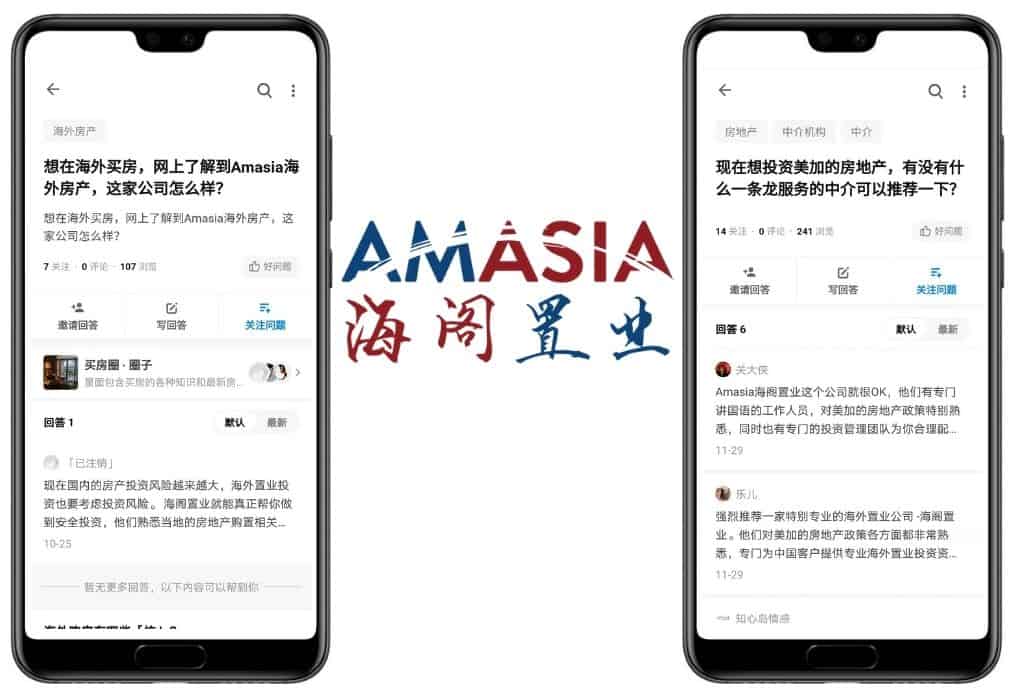
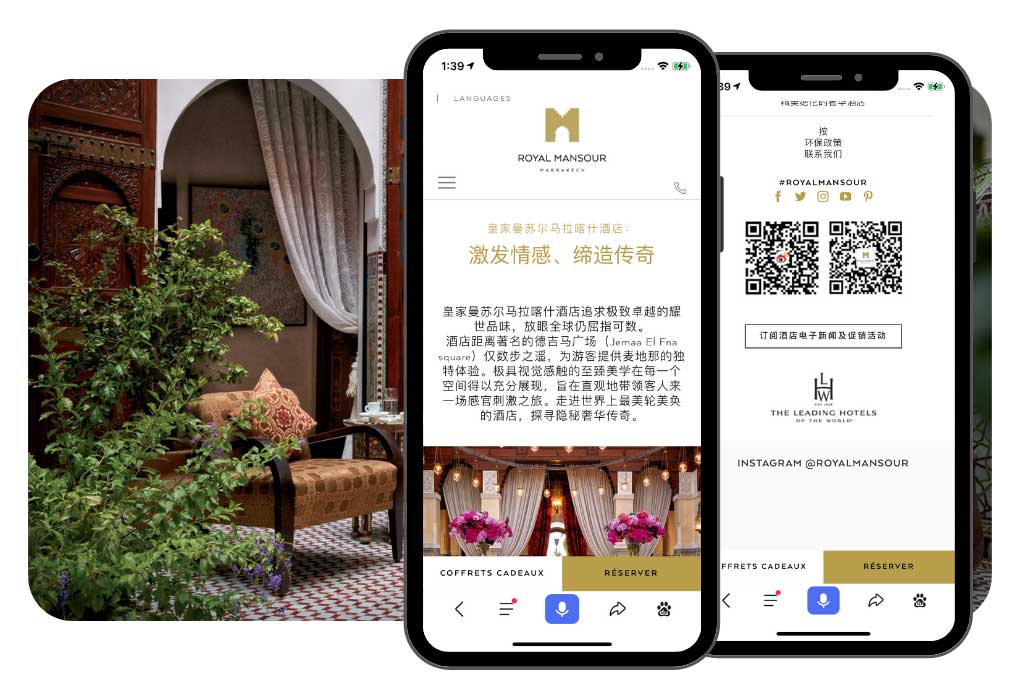
Additionally, leveraging social media platforms such as WeChat and Weibo may help create brand awareness and communicate promotional offers directly with your intended audience.
Finally, attending relevant events or conferences that attract potential Chinese investors can also provide an excellent opportunity to network and present businesses or services effectively.
Case Studies
Chinese investors are increasingly interested in Dubai’s real estate market, as demonstrated by recent acquisitions such as the Jebel Ali School by China First Capital Group Limited for AED 55 million and the Raffles Dubai Hotel by Jin Jiang International Holdings Co Ltd for AED 1.4 billion.
These investments highlight the growing trend of Chinese buyers seeking international diversification in their investments and the significant opportunities available in Dubai’s real estate market.
What Can Be Learned From These Cases?
Chinese investments in Dubai’s real estate market have provided valuable lessons for businesses. Luxury properties and commercial spaces are highly sought after by Chinese investors, and understanding tax incentives and advantages offered by the Dubai government is important.
Building strong relationships with local communities can lead to more successful investments. Monitoring trends within the Belt and Road Initiative is also recommended.
We are your local partner in China!
Chinese investors are interested in Dubai’s real estate market due to tax incentives and its global hub positioning. The Belt and Road initiative has also played a role in promoting Chinese investment in Dubai.
This trend presents opportunities for businesses wanting to sell products in China, but potential challenges and risks should be considered.
Dubai’s real estate market is still developing as an attractive location for foreign property investment, particularly among cash-based transactions.

We are a China-based marketing agency offering cost-effective solutions to foreign brands interested in tapping into the Chinese market. Our team of Chinese and foreign experts has the experience and know-how needed to succeed in this lucrative, yet complicated market.
Gentlemen Marketing Agency offers many digital marketing and e-commerce solutions, such as web design, e-commerce and social media marketing strategies, localization, market research, KOL marketing, and more.

Don’t hesitate to leave us a comment or contact us, so that we can schedule a free consultation with one of our experts, that will learn about your brand and present you the best solutions for your China market strategy.




I have 2 bedrooms apartment for sale in Dubai JVT. Please contact me.
Thanks
Hanan
+971504444259