Disastrous Chinese New Year campaign and what you can learn from it
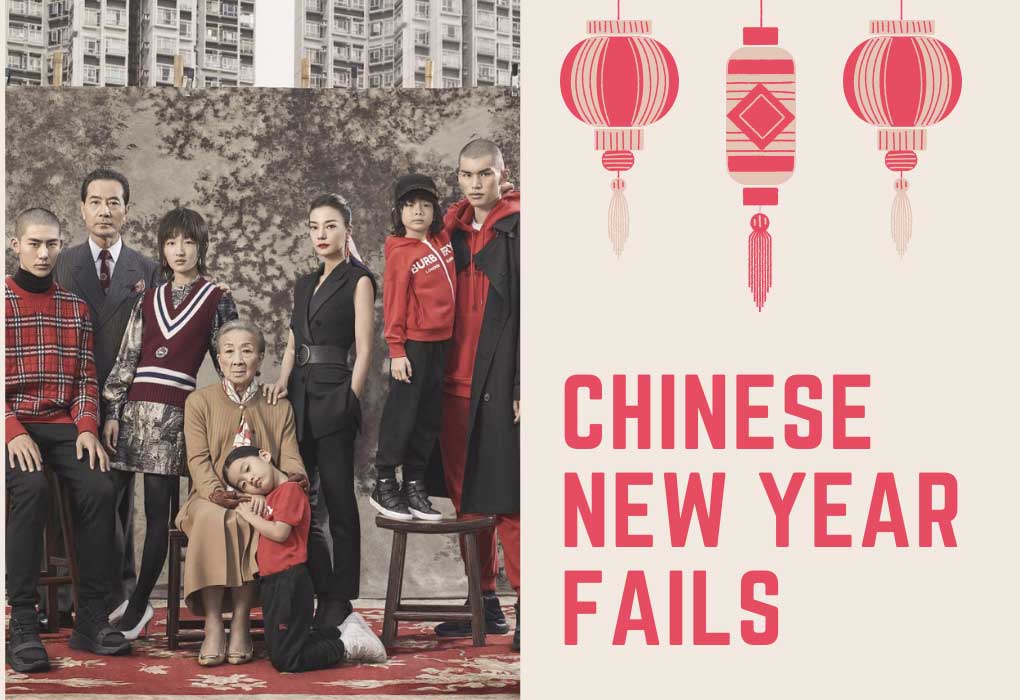
Chinese New Year is the most famous celebration in China which opens up many advertising opportunities.
It is said that during Chinese New Year Chinese people spent at least US$ 149 billion on shopping and food.
Cost-Effective Agency
KPI and Results focused. We are the most visible Marketing Agency for China. Not because of huge spending but because of our SMART Strategies. Let us help you with: E-Commerce, Search Engine Optimization, Advertising, Weibo, WeChat, WeChat Store & PR.
As we said before, the Chinese New Year is a massive advertising opportunity, whether if you are a local brand or an international brand.
What not to do with your Chinese New Year Campaign
- Cultural insensitivity and a lack of understanding the local market can lead to huge issues.
One of most famous example is definitely Dolce & Gabbana’s disastrous advertise published last year. This advertise showed a Chinese woman trying to eat Italian food with chopsticks. So, Chinese consumers considered that an act of racism.

The biggest mistakes foreigners make when marketing in China
- Misunderstanding Chinese culture
- Not properly translating campaign messaging
- Not properly using stereotypical images of China
- Some international brands campaigns touch sensitive issues
Some advice for Chinese New Year advertising topic
What is the biggest topic during Chinese New Year for Chinese people?
The answer is pretty easy, family. During Chinese New Year many Chinese people spent a lot of their time traveling to visit their friends and family.
So, one advice would be use meaningful stories which allow consumers to emotionally connect with your brand. In fact, you could emphasize the ways that your products help people get the most out of their quality time together or discuss the family values your organization holds.
So, welcoming stories would help consumers feeling good when they are approaching your company.
For instance, many Chinese people are used to immigrate. During 2021 many of them won’t probably get home for holiday. So, you could show how they can connect with their families without being in the same place.
An example is Coca-Cola that uses real-life stories in 2021 Chinese New Year.
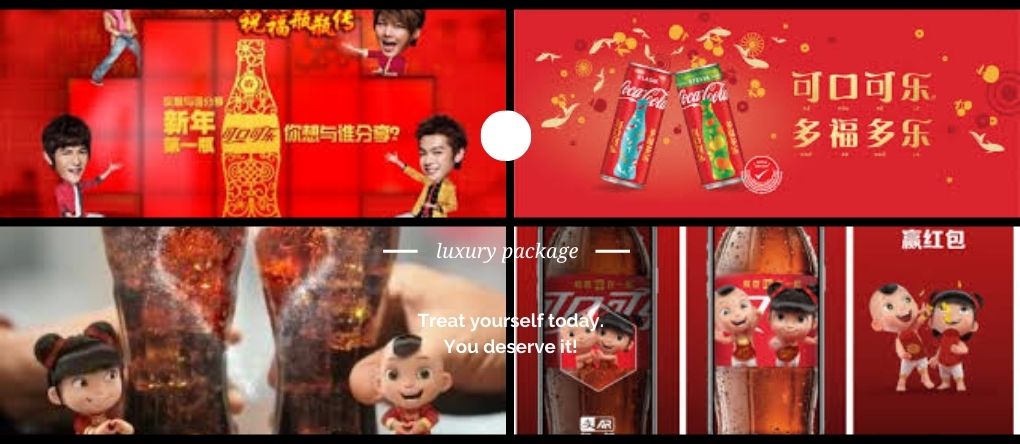
Coca-Cola has launched its Chinese New Year Campaign based on real-life stories which are meaningful for Chinese New Year.
This campaign is concentrated on three stories of three young citizens living in China. Every year these young people and many others like them, go on with their routine lives, often seeing tasks as a burden. They do the chores more as compulsion than by choice or out of happiness.
This until 2020, when everything changed. All three protagonists realise the true meaning of Chinese New Year. The true meaning is referred to little things, the things we do often.
What is the most common gift during Chinese New Year?
Well, the most common gift is definitely lucky red money packets, called 红包 hongbao. A great action would be incorporate your own version of hongbao in your marketing messages.
When you set up your marketing plan, don’t forget to add WeChat and Weibo into your digital advertising channels.
These platform give you access to the largest audience in China.
Want to set up the perfect marketing strategy for china ?
SEO agency is a digital marketing agency based in China, Shanghai. Our team has helped several companies to enter the Chinese market and strengthen their position in China.