Anti-Aging Market in China is Growing, as Chinese People Invest in High-Quality Skincare Products
Updated
Anti-aging cosmetics have become increasingly popular in China in recent years, as more and more people look for ways to maintain a youthful appearance and slow the visible signs of aging. Anti-aging products, which can include creams, serums, and other skincare items, are designed to reduce the appearance of wrinkles, fine lines, and other blemishes associated with aging. While some of these anti-aging skincare products are formulated with natural ingredients, others rely on more advanced technologies to deliver their anti-aging benefits.
In this article, we will explore the trend of anti-aging cosmetics in China, examining the factors that have contributed to their growing popularity among Chinese consumers and the opportunities for domestic and foreign brands in the anti-aging market in China.
Overview of China’s anti-aging market
Looking young is a serious priority for Chinese consumers, and brands are reaping the rewards. China’s anti-aging market is on track to reach about 153.2 billion yuan by 2026, growing around 13.3 percent a year. The premium skincare slice alone is forecast to climb from roughly 4.33 billion US dollars to 9.43 billion. What is new is who is buying: it is no longer only women over 40.
Millennials in China are in their 30s, and with that milestone comes aging panic. This generation is the first of their kind – willing to invest time and money into self-care for an effortless anti-aging routine. With younger generations entering this “skincare era,” growth in the market continues at a feverish pace at 12% year over year in 2022.
Who buys anti-aging products in China?
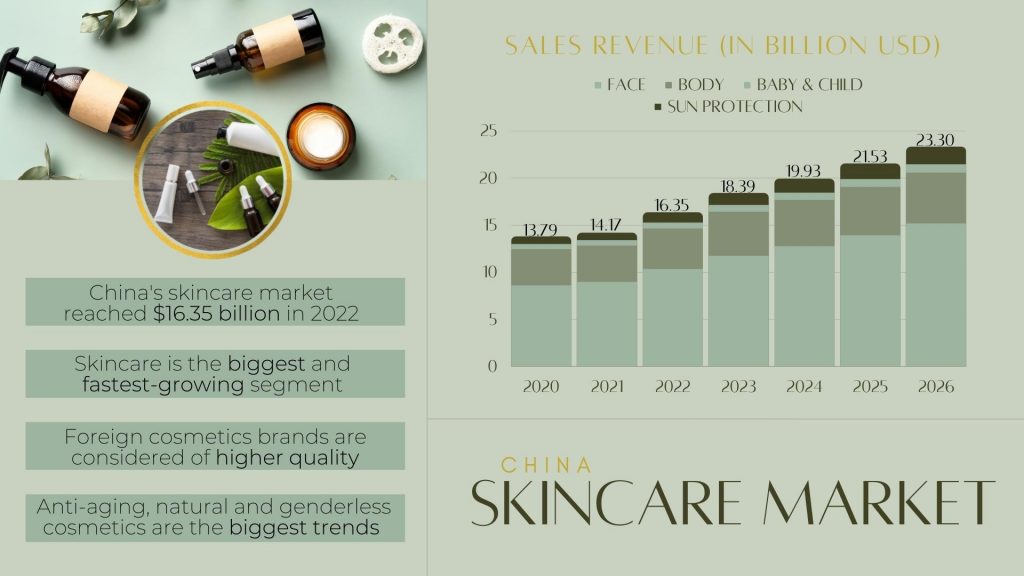
Chinese consumers are becoming the biggest spenders in anti-aging skincare products, with younger generations splurging on luxury items from domestic and foreign brands. Skincare has become a top priority for them, taking up to 40 percent of their annual salary – showing that personal care is more important than ever as people strive towards looking youthful and vibrant. The demand for these solutions continues to skyrocket due to increasing wealth among this main consumer group.
Fan Fan is a 25-year-old HR manager living in Beijing with a 4,000 RMB monthly salary and when she was 22 years old she spent half of it on her first anti-aging purchase, a 75ml bottle of Advanced Night Repair serum from Estée Lauder. “Anti-aging only works when you start early. I know it’s a bit pricey, but at least this is a better investment than a Louis Vuitton bag”, she said.
Indeed, women under 30 years old spent far more than they did in previous years on anti-aging eye creams and skin-aging products. Consequently, in their 20s women are the biggest consumers of cosmetics and skincare. They are even spending more money than older women wither higher disposable incomes.
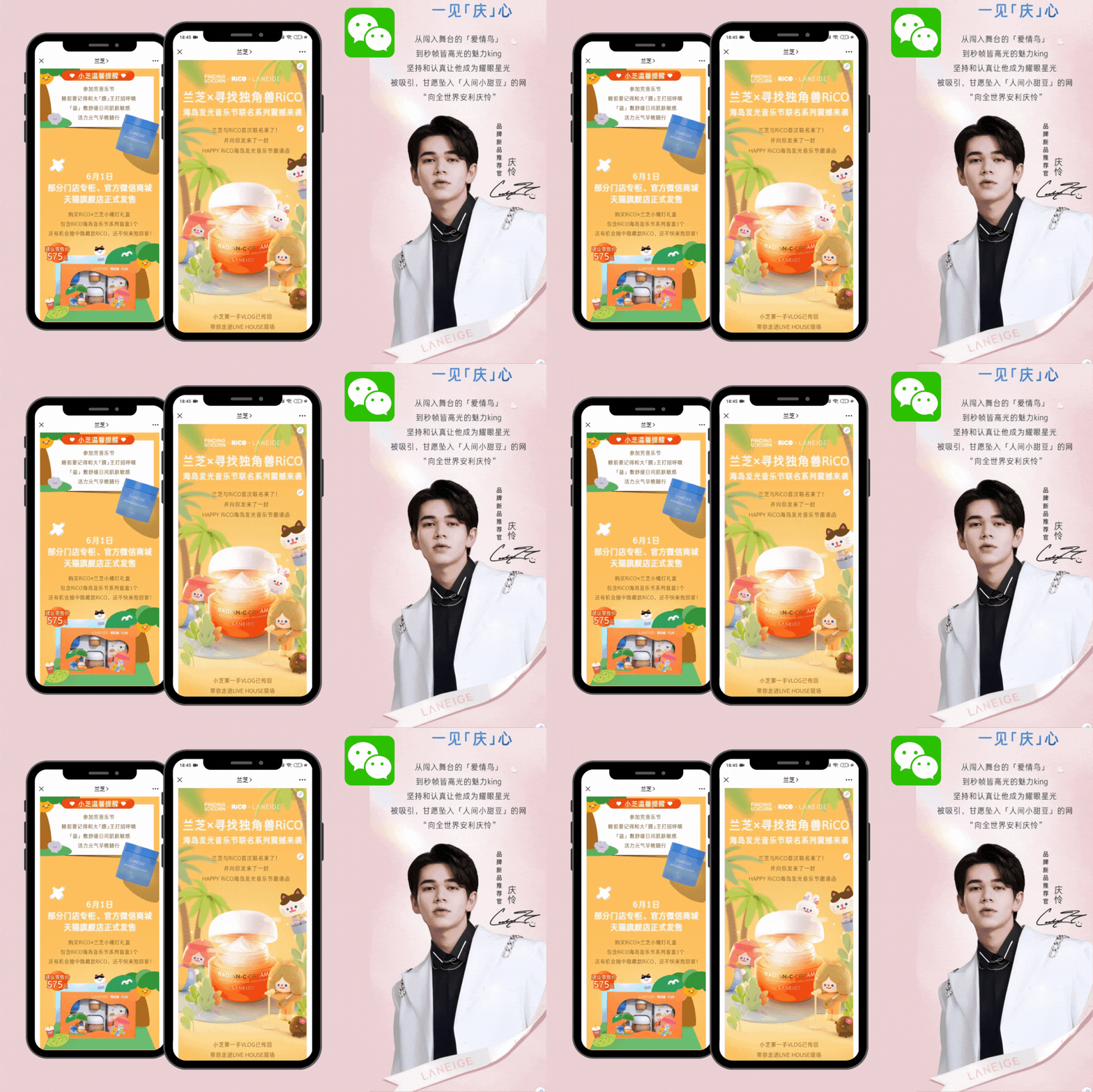
These young consumers are willing to spend a lot of money on skincare because they are expecting real results from the products considered investments. Indeed, the investment in cosmetics and anti-aging products is significantly higher than what consumers tend to spend on handbag prices at more than 1,000 RMB.
In China and in the West, skincare markets are different. Skin texture and radiance are more important in the West. Wrinkle prevention is more important in China. The anti-aging market is even declining in the US, according to Mintel. Chinese women prefer to focus on preventing damage to their skin rather than treatment. They are looking for anti-aging solutions, starting at a very early age, investing in anti-aging creams and at-home beauty devices or professional treatments.
What are the main market trends?
As anti-aging cosmetics are becoming more and more popular in China, beauty brands need to follow the newest trends in the market driven by young consumers, so that they stay on top of the shopping preferences of their target audience.
Consumers are willing to spend more on advanced technologies
Millennials are leading the charge in premium anti-aging products, with more of them than ever willing to pay over RMB 1000 for a single product. The demand is clear: they crave advanced technologies offered by international big-name brands that domestic companies still struggle to compete against. That Millennials’ needs may be even greater than those of Gen Zs lends further insight into this trend – and shows just how determined younger generations are when it comes to combating aging!
Chinese consumers trust foreign brands more
Chinese consumers prefer foreign brands more when it comes to many sectors, from food to cosmetics. Thanks to many regulations, those products are believed to have better quality than Chinese products and as anti-aging products are treated as investments, consumers want to be sure of their quality.
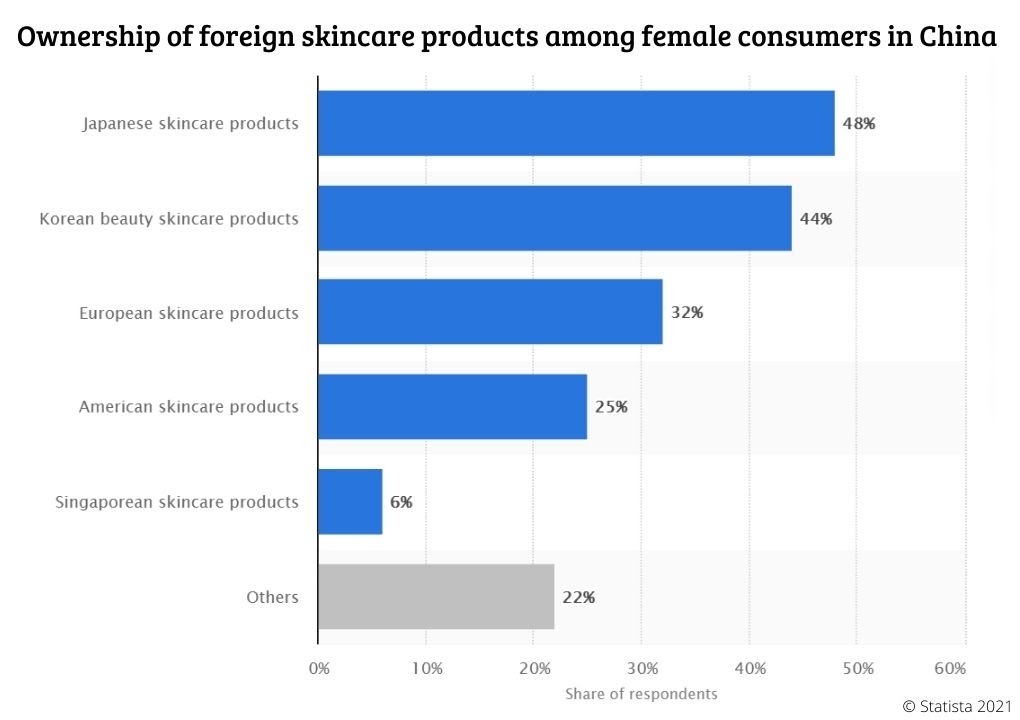
As you can see from the data from Statista above, Japanese and Korean cosmetic products are the most popular among Chinese women, and European brands, with the majority of them being French, are also very popular on the market in China. The owner of La Mer, Tom Ford Beauty, MAC, and the South Korean skincare brand Dr. Jart+, saw a general crisis during the last year, but it also has a gradual recovery from COVID-19 primarily due to China, which has become Estée Lauder’s third-largest online market.
Aesthetic medicine is becoming a very popular way to prevent aging
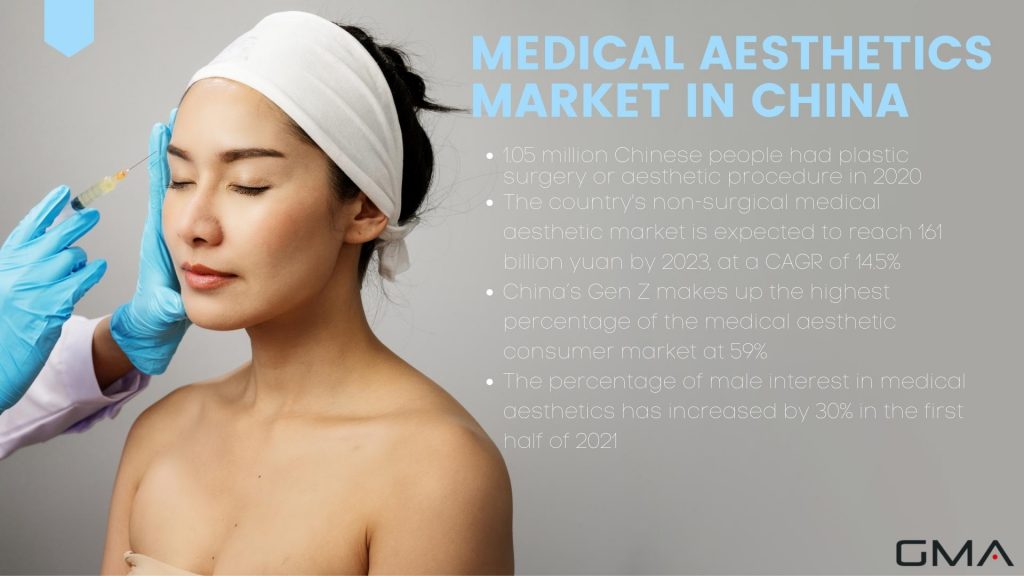
Aesthetic medicine is becoming popular all around the world, but Asia, led by South Korea is at another level. China is following its steps and the market is expected to reach 311.5 billion yuan in 2023. Non-surgical measures are becoming especially popular among young consumers, for example, botox injections, photorejuvenation, thermage etc.
Consumers invest in anti-aging devices
As the pandemic kept people quarantined at home, professional beauty devices have become the new normal in many households. Market data shows that since 2018, more and more consumers are investing in premium anti-aging products worth over RMB 3000 — making formerly science fiction-sounding technology like Radiofrequency, Thermolift, and Infusion readily accessible to everyone.
The China anti-aging market in 2026: younger buyers, harder science
Two shifts define the market now. First, the buyers are younger. Gen Z has driven the rise of “early anti-aging,” where people in their twenties start prevention long before the first wrinkle, and men are joining fast: the men’s skincare market has passed 20 billion yuan, with men aged 18 to 25 making up a large share of new buyers. Brands that still talk only to women over 40 are missing most of the growth.
Second, Chinese consumers now buy on ingredients and proof. Recombinant collagen, peptides, retinol and bakuchiol are searched by name, and shoppers read clinical data and before-after results before they trust a claim. A premium price is fine, a vague promise is not. They learn all of this on Xiaohongshu (RedNote), where real users post routines, ingredient breakdowns and honest reviews, then buy on Tmall. If your anti-aging brand is missing from those notes, you are invisible at the moment of choice. Our Xiaohongshu marketing guide for 2026 shows how to get there on a small budget.
How to promote your anti-aging cream in China?
The most important thing to understand about China in 2023 is that people prefer to buy products online, especially when it comes to those that they don’t need to try on. Cosmetics are a very popular online product, so you need to make sure you have a good digital strategy to sell anti-aging cosmetics in China.
Increase your visibility with SEO on Baidu
SEO on Baidu is the key to the visibility of your brand in China. Baidu is the most popular search engine in China, it ranks 5th among the most visited sites in the world and currently has more than 800 million web pages. Baidu now offers a wide range of services, such as web searches, image searches, music, forums, or a Q&A service.
Baidu SEO requires several steps, which may be different from what needs to be done on Google. The notions of trust and notoriety remain essential for companies wishing to enter the Chinese market and be visible on Baidu. Key SEO strategies include keyword optimization, backlinks, and content sharing, this is the way to generate quality traffic.
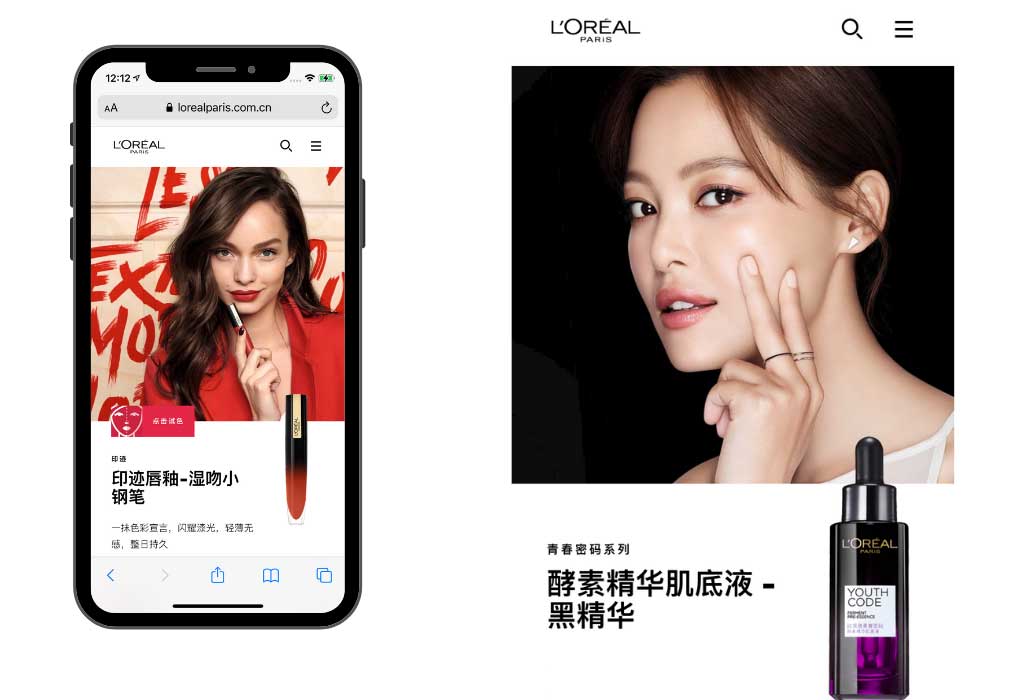
It’s also important to have a Chinese website hosted in China, so you rank high in search results. Consumers tend to check information on websites, even though they can check everything on WeChat official accounts and so on.
Compared with SEA, SEO takes more time, but it is a long-term solution in terms of developing a better e-reputation and is ultimately more stable. The quality search result won’t disappear after you stop the campaign, on the contrary, you will remain higher in the rankings and continue to drive traffic.
China is the world’s largest connected country: more than 90% of Chinese people have an account on at least one Chinese social network. Wechat is the social media most used in China and, regardless of the size of your company, it is an essential platform to develop your marketing strategy in the country. By promoting your anti-aging creams on social media, you can build a community surrounding your company, reach your target, get feedback and create a friendlier company image.
Weibo, China’s largest SNS so far, has got a nearly 88% penetration rate among the nation’s excess of 358 million users. It has also attracted over 130,000 companies including one-third top 500 enterprises in the world. They don’t just join Weibo on impulse, but for the benefit, Weibo can bring them. Some come to Weibo for brand awareness, some for brand image, and others for closer relationships with customers.
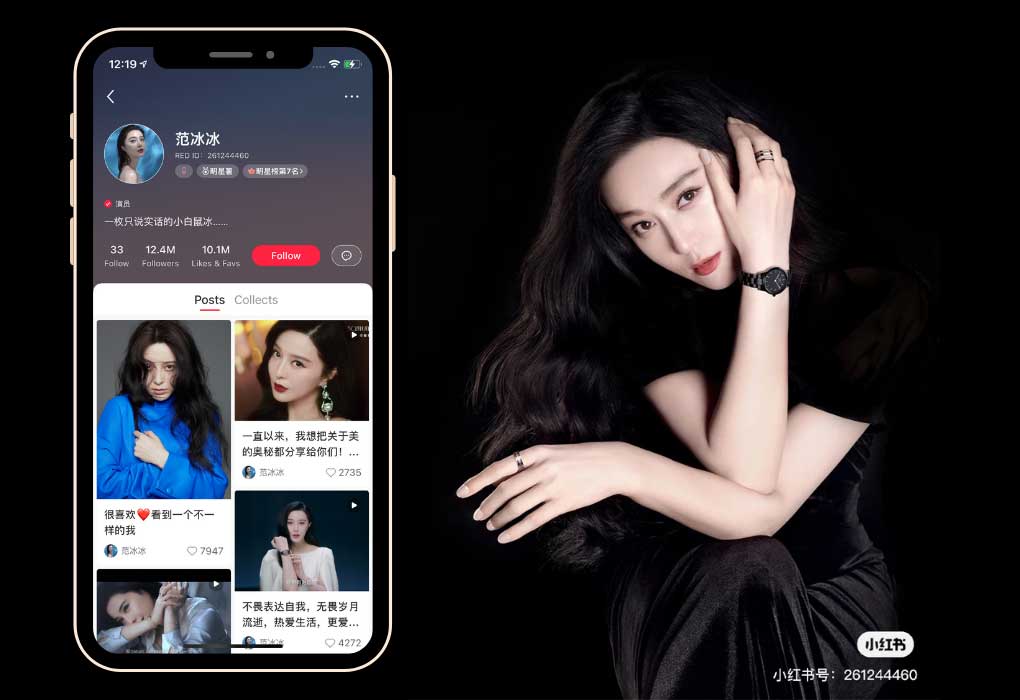
Another great social media platform when it comes to attracting young Chinese women is Little Red Book (Xiaohongshu). Often compared to Instagram, this is one of the most popular social media platforms in China, especially useful when it comes to fashion and beauty. It’s based on user-generated content, where users and influencers share tips, recommendations, and reviews of products they use.
Short videos and live-streaming
Chinese people like to watch videos on smartphones and you can develop unique ideas to spread your brand awareness campaigns through effective video messages. Videos always get more views than photos and there are also short-video platforms like Douyin, very popular among young consumers.
Apart from videos, one of the best ways to promote your products is through live-streaming, especially if you collaborate if a well-known influencer. During a streaming session, the influencer will show your products and how to use them, contributing to greater sales during the stream.
Key opinion leaders
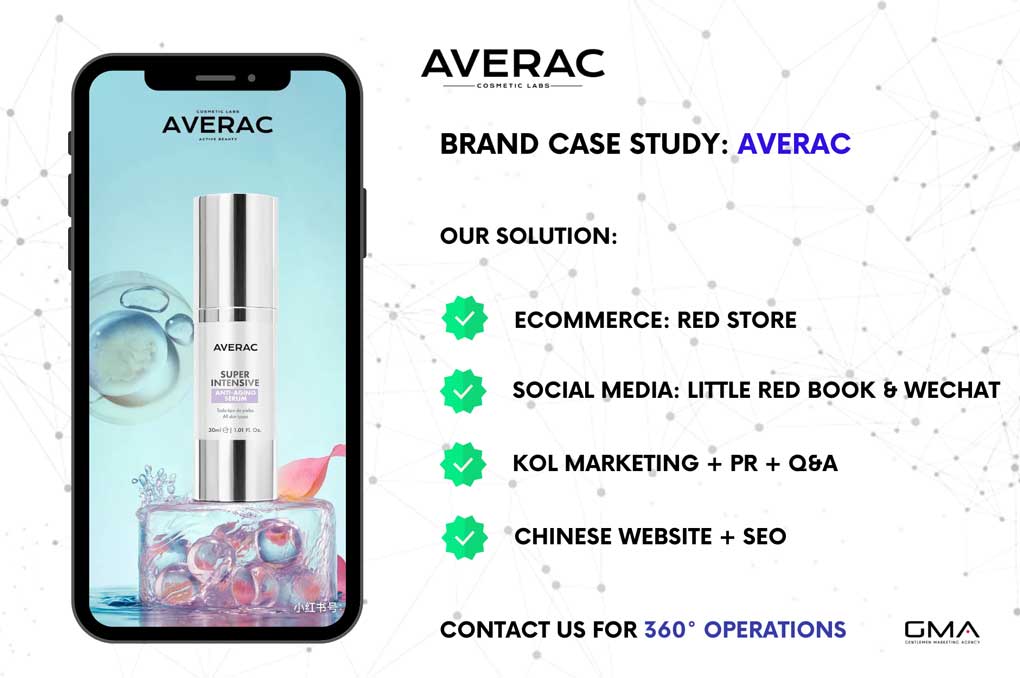
KOLs (Key Opinion Leaders) are social media influencers who have anywhere between a thousand and millions of followers on Chinese digital platforms such as WeChat, Weibo, RED, Douyin, or video platforms such as Youku or Meipai. You can recruit these Key Opinion Leaders to represent your company, brand, product, or service in China through paid posts or live streaming.
This is a very powerful tool for international companies new to the Chinese market, allowing you to tap into large active communities that are strongly influenced by a KOL’s opinion. KOLs are usually specialists in their field, so they gather communities that can be your target audience, depending on the products you sell.
E-commerce platforms
The development of new technologies and the increased use of smartphones and tablets allowed explosive growth of eCommerce in China. One of the best Chinese e-commerce platforms is Tmall which is part of the Alibaba Group. This is definitely the largest B2C platform in China, it offers a wide selection of affordable products and decent logistics and attracts value-conscious shoppers.
Contrary to its competitor Taobao, the company has made arrangements to ensure that products sold on Tmall are authentic. Known as the “Amazon of China”, JD.com is also one of the main B2C e-commerce platforms and is Tmall’s biggest rival. Consequently, using e-commerce platforms to develop your business is a must to efficiently enter the Chinese market.
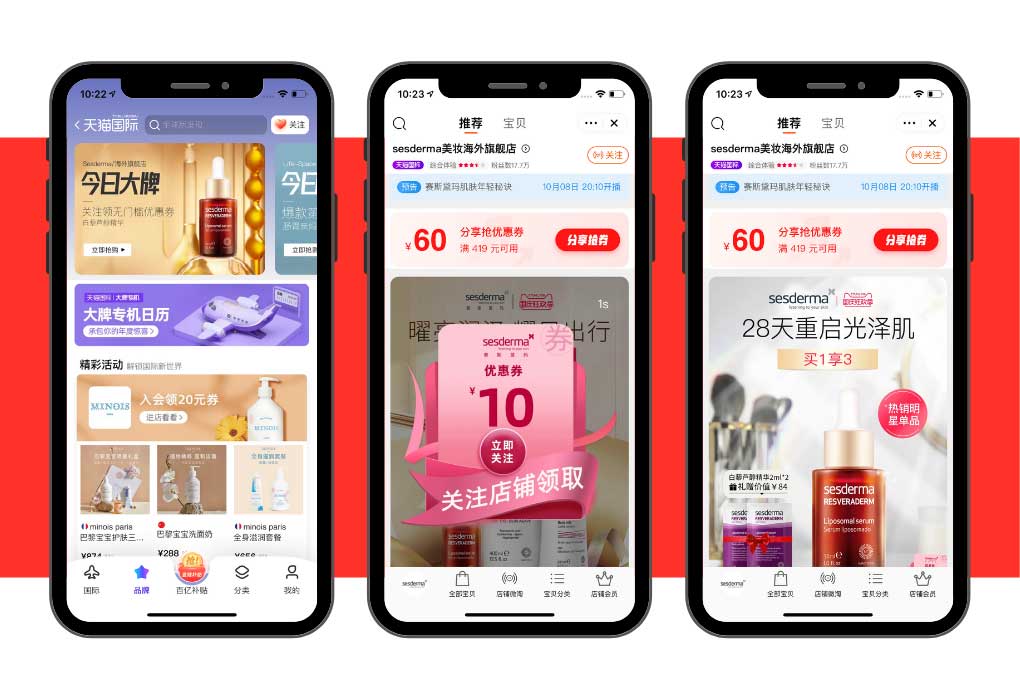
The two mentioned online marketplaces, although giving you the best visibility, are very expensive. If you are a small brand wanting to test the market, we advise selling your products through WeChat or RED e-commerce, as it’s cheaper and better for the start.
We can help you promote and sell anti-aging products in China!
SEO Agency China (SAC) is a China-focused agency built for smaller and challenger brands. We give you a custom plan based on your size, goals and budget, from Xiaohongshu reviews to Tmall stores, without the big-agency price tag.
We offer many services, from market research, through web design, to social media marketing strategy and localization. Don’t hesitate to leave us a comment or contact us, so that we can schedule a free consultation with one of our experts, that will learn about your brand and guide you about your next steps in China.
Now I have enough data to write the article. Let me compose the full Gutenberg HTML block.The 2026 market reality: what the data shows
China’s anti-aging skincare market reached CN¥ 129.8 billion in 2025, growing at +26.3% year-on-year, nearly three times the pace of the broader beauty category at +9.7%, according to MooJing Global. Every single month in 2025 sustained above +14% growth, with eight months exceeding +20%. The market is projected to reach USD 9.07 billion by 2033 at a 9.5% CAGR, per Grand View Research. Body anti-aging products alone surged +146.7% year-on-year, from CN¥ 1.2 billion to CN¥ 3.0 billion, a signal that the category is expanding well beyond facial care. China’s population aged 60 and above now stands at 310 million, or 22% of the total population, creating structural demand that will not slow down.
Who is actually buying: the new consumer profile
The typical anti-aging skincare buyer in China is younger than most foreign brands expect. The 31-35 age cohort now holds the largest share of purchases at 23.4%, up from 20.7% the year before, according to MooJing Global data. This is not a senior market. It is a prevention market.
Chinese consumers in their late twenties and early thirties grew up with access to South Korean beauty content, ingredient education on Xiaohongshu, and dermatologist accounts on Douyin. They entered the market already skeptical of generic claims. By the time they reach 30, they want proof. Over 72% of urban consumers check ingredient labels before buying a skincare product. Over 60% follow dermatologist accounts on Xiaohongshu or Douyin, according to ChoZan. That shift from aesthetic appeal to evidence-based purchasing is the single most important behavioral change shaping this market.
Preventive spending starts early. More than 46% of consumers allocate over CN¥ 1,000 per year specifically to anti-aging skincare, per China Briefing data. That budget is not shared with general skincare or makeup: it is a dedicated line item in the household budget. Tier 1 and New Tier 1 cities still account for 69.2% of anti-aging engagement, but Tier 2 cities grew their share from 14.4% to 15.0% in a single year. The geographic expansion is real and accelerating.
Popular ingredients drive conversations directly. Retinol, Pro-Xylane, carnosine, fullerene, and astaxanthin appear regularly in Xiaohongshu posts and Douyin videos. Consumers do not just know these names: they debate dosages, compare concentrations, and request certificates of analysis. A foreign brand that does not communicate at this level of ingredient transparency will lose the conversation before it starts.
The social media data confirms the scale of engagement. Anti-aging topics generated 25.5 million mentions and 766.2 million total engagements across platforms in 2025. August was the peak month at 212.7 million engagements, driven by summer skin concerns around UV damage, pigmentation, and barrier repair. October followed closely, tied to Double 11 pre-sale activity when the market peaked at CN¥ 18.4 billion in a single month.
Domestic brands are winning on science, not price
The common assumption among foreign brands is that Chinese domestic competitors compete on price. In anti-aging skincare, that assumption is wrong. The brands gaining ground are winning on science communication, not discounts.
Proya is the clearest example. The brand operates a dedicated biotechnology research institute focused on molecular biology and microbiome science. Its “Barrier Code” and “Ocean Power” lines are positioned around specific functional claims, not lifestyle imagery. In 2025, Proya invested heavily in Douyin education content featuring ingredient scientists explaining mechanisms in plain language. The result: brand recognition among the 25-35 demographic surged, and the brand tripled revenue in the serum category according to MooJing Global tracking.
Forest Cabin, a domestic brand, reached CN¥ 1.29 billion in anti-aging serum sales in 2025, tripling its revenue year-on-year. That puts it alongside SK-II (CN¥ 1.45 billion) and La Mer (CN¥ 1.34 billion) in the same segment. Forest Cabin competes not on luxury positioning but on ingredient transparency and domestic sourcing narratives that resonate with younger, nationally-minded consumers.
Biohyalux, under Bloomage Biotech, the world’s largest hyaluronic acid producer, takes a clinical approach. It publishes efficacy data and positions products alongside medical-grade hydration benchmarks. Winona and Dr. Yu follow a similar path, conducting hospital-grade clinical testing and making results public. These brands are not imitating international luxury. They are building a separate credibility category that foreign brands cannot easily enter without local clinical partnerships.
Traditional Chinese medicine integration is a second domestic advantage. Brands like Bayankala and Inoherb incorporate ginseng, goji berry, and peach gum collagen into formulations validated through clinical research. This appeals to a consumer segment that wants measurable results but distrusts purely synthetic ingredient lists. Foreign brands without TCM formulation capabilities or partnerships will find this segment difficult to address.
Functional cosmetics now represent over 45% of new skincare filings with the NMPA, per ChoZan. Domestic brands have adapted faster to this regulatory direction because they have local legal teams, existing relationships with testing laboratories, and experience navigating NMPA processes. For a foreign brand, matching this speed requires a local regulatory partner from day one.
What changed between 2024 and 2026
Several concrete shifts define the gap between 2024 and 2026 in this market.
On regulation: in February 2025, the NMPA issued new provisions specifically supporting cosmetic ingredient innovation, encouraging brands to file novel active ingredients with a clearer pathway to approval. In June 2025, the NMPA updated the Inventory of Existing Cosmetic Ingredients (IECIC), splitting it into two lists and adding a dynamic review mechanism for new ingredients. NMPA filings for anti-aging ingredients increased 40% between 2024 and 2025, per MooJing Global. November 2025 brought further reform: the NMPA published 24 specific measures aimed at streamlining cosmetics supervision through 2030, including an “immediate review upon submission” mechanism for advanced efficacy claims. This is a significant change for foreign brands that previously faced multi-year approval timelines for new actives.
On consumer attitude: the focus shifted from ingredient stacking to precision biotechnology. In 2024, consumers collected products with long ingredient lists. By 2026, the preference moved toward fewer, better-understood actives with measurable outcomes. Claims like “28-day firming” and “one-night repair” now require supporting clinical data to gain traction on Xiaohongshu. Unverified claims are actively called out in comment sections.
On platforms: Douyin accelerates trial, but Xiaohongshu drives credibility. Dermatologist accounts, ingredient bloggers, and long-form before-and-after diaries on Xiaohongshu now carry more purchase influence than celebrity endorsements. Device-serum integration, where skincare tools and topical products are sold and marketed together, emerged as a new product category in 2025-2026.
Frequently asked questions
What anti-aging ingredients sell best in China?
Retinol remains the benchmark ingredient for anti-wrinkle claims, but Chinese consumers have moved well beyond it. Carnosine, fullerene, astaxanthin, and Pro-Xylane are all actively discussed on Xiaohongshu and Douyin by ingredient-literate consumers. Hyaluronic acid is table stakes rather than a selling point: Bloomage Biotech alone produces the majority of the world’s supply in China. The most commercially successful positioning in 2025-2026 combines one or two validated actives with clear clinical outcome data and a defined mechanism of action. Brands that list fifteen ingredients without explaining what each does at what concentration lose consumer trust quickly. NMPA filings for anti-aging actives increased 40% between 2024 and 2025, which means competition at the ingredient level will intensify further over the next two years.
How should a foreign brand register anti-aging skincare products with NMPA?
China does not formally recognize the term “anti-aging” as an approved efficacy claim. Products must register under specific categories: “anti-wrinkle,” “firming,” or “moisturizing,” depending on the primary claim. Special-use cosmetics require full NMPA registration before sale, which can take 12 to 18 months under standard procedures. The February 2025 ingredient innovation provisions and the November 2025 reform package introduced a faster pathway for novel actives, but brands still need a China-registered responsible entity and a local testing partner. Efficacy substantiation data must follow NMPA guidelines, which differ from EU or US requirements. Foreign brands entering this market without a local regulatory agency or distributor with NMPA experience typically face delays that erode their first-mover advantage. Budget at least 18 months for the full registration and launch process.
Which platforms drive anti-aging skincare sales in China?
Douyin and Xiaohongshu (Red) are the two primary drivers, but they serve different roles. Douyin accelerates product trial through short video education, ingredient explainers, and livestream commerce. October 2025 saw the anti-aging market reach CN¥ 18.4 billion in a single month, largely driven by Double 11 pre-sale livestreams. Xiaohongshu drives credibility: peer reviews, 30-day usage diaries, and dermatologist recommendations build the trust that converts higher-priced products. Anti-aging content generated 25.5 million mentions and 766.2 million total engagements across platforms in 2025. WeChat supports private traffic and membership programs for repeat purchase. Tmall and JD.com remain essential for official flagship store presence and logistics. A brand that enters only one of these platforms will miss the majority of the purchase journey.
Is the anti-aging market in China only for older consumers?
No. The largest purchasing cohort is 31 to 35 years old, accounting for 23.4% of anti-aging skincare purchases in 2025, up from 20.7% the prior year. Consumers in their twenties are also entering the market, driven by preventive skincare logic, not cosmetic correction. The idea of starting anti-aging routines early, sometimes called “anti-aging in advance” (提前抗衰) in Chinese social media, is mainstream among urban women in their mid-to-late twenties. This demographic is well-informed, skeptical of vague claims, and highly influenced by dermatologist content on Xiaohongshu and Douyin. For a foreign brand, targeting only 45+ consumers is a strategic mistake. The growth volume is in the 28-40 age bracket, concentrated in Tier 1 and New Tier 1 cities, with growing penetration in Tier 2 cities.
How to move forward
Foreign brands entering China’s anti-aging skincare market in 2026 face a different landscape than five years ago. Domestic brands compete on science. Consumers demand proof. Platforms reward credibility over spectacle.
Start with regulatory clarity. Identify which NMPA efficacy category covers your product claims before anything else. Work with a local regulatory partner on efficacy substantiation data and responsible entity registration. Without this, you cannot sell legally, and you cannot build credibility on Chinese platforms.
Build your ingredient story before your brand story. A clear explanation of what your key active does, at what concentration, with what clinical evidence, will outperform any lifestyle campaign on Xiaohongshu and Douyin. Engage dermatologist KOLs and ingredient bloggers early. Their content builds the trust that drives conversion.
Choose your distribution channel based on your price point. Premium products (above CN¥ 300 per unit) perform well on Tmall via a Tmall agency and on Xiaohongshu for credibility-building. Mid-range products grow fastest through Douyin livestream commerce. Both channels need content, KOL activation, and ongoing platform management.
If you need guidance on entering or scaling in this market, the team at SEO Agency China works with foreign cosmetics brands on digital strategy, platform setup, and KOL campaigns. Contact us to start the conversation.
Marcus Zhan is a China marketing specialist based in Shanghai. He covers digital marketing, consumer trends, and brand strategy for the Chinese market. Connect with him on LinkedIn for more on China skincare and beauty marketing.
Sources: MooJing Global, Anti-Aging Drives China’s Skincare Boom +26.3% YoY (2025) | Grand View Research, China Anti-Aging Products Market Report | China Briefing, Investing in China’s Anti-Aging Market | ChoZan, How Chinese Skincare Brands Are Transforming the Global Market (2026) | China Briefing, NMPA Cosmetics Regulation Reform | GlobeNewswire, China Anti-Aging Products Market Trends and Forecast 2025-2033

Chinese Women Are Never Too Young For Anti-Aging Creams …
What are anti aging secrets Brands in China ?
What are anti aging serum Brand popular in China ? Korean cosmetics companies are popular in China , and spanish Martidem Brand, for super growing anti-aging Brand