
Chinese Social Media Marketing for Small Businesses: 53 Guides (2026)
Updated

Chinese social media marketing for small businesses comes down to three jobs: be found, be trusted, keep the buyer. Douyin and Kuaishou create demand with short video. Xiaohongshu and Zhihu are where buyers research. WeChat is where you sell again and keep the relationship. Weibo makes you visible in public. A foreign SME with a small team should start with two platforms, not six, and choose them by who its buyer is.
Western platforms are blocked in China, so nothing you run on Instagram, Facebook or YouTube reaches Chinese users at home. You start from zero, with new accounts, new content in Chinese and often new paperwork. The good news: small brands can still win here, because Chinese algorithms reward relevance, and buyers trust small honest voices more than big ads.
This guide gathers the articles we wrote on the subject, sorted by the questions founders and marketing managers ask us most. Each entry says what the article gives you and who it is for, with one line from the article so you can judge before you click. The FAQ at the end answers the questions people type into Google.
Jon Wang, founder of SEO Agency China, works with a small team in Shanghai. He sets up and runs Chinese social media accounts for foreign SMEs, from the first WeChat verification to Xiaohongshu seeding and Douyin livestreams.
What this guide covers
- Which Chinese social platforms should a small business start with?
- How do you set up WeChat as a foreign company?
- How do you turn WeChat into sales and repeat customers?
- Is Weibo still worth it for a small brand?
- How do Douyin, Kuaishou and the video platforms work for brands?
- How do Xiaohongshu and Zhihu help buyers find and trust you?
- How do you work with KOLs, KOCs and livestreams on a small budget?
- What makes a campaign work in China, and do you need an agency?
- FAQ
Key numbers for 2025-2026
| Fact | Source |
|---|---|
| Weixin and WeChat had 1,439 million combined monthly active users at 30 June 2026, up 2% year on year. | Tencent 2026 Q2 results (PR Newswire Asia) |
| Tencent's marketing services revenue, mostly WeChat ads, reached RMB 43.6 billion in Q2 2026, up 22% year on year. | Tencent 2026 Q2 results (PR Newswire Asia) |
| Weibo had 561 million monthly active users and 254 million average daily active users in June 2026. | Weibo Q2 2026 results (SEC filing) |
| The Kuaishou app averaged 412.3 million daily and 797.3 million monthly active users in Q2 2026. | Kuaishou Q2 2026 results (TechNode Global) |
| Bilibili averaged 116.5 million daily active users in Q2 2026. | Bilibili Q2 2026 results (SEC filing) |
| China had 1.125 billion internet users in December 2025, an internet penetration rate of 80.1%. | CNNIC 57th report (Xinhua) |
Read the first section to pick your platforms, then jump to the sections for those platforms only. Each entry links to the full article. If you are short on time, read the overview of the five platforms, the WeChat cost guide and the Xiaohongshu seeding guide first.
No small brand can run six Chinese platforms well. The guides below help you pick two, maybe three, based on who your buyer is and how they decide. Read them before you open a single account.
A one-page map of the five platforms that matter in 2026 and the job each one does: WeChat keeps customers, Douyin sells, Xiaohongshu informs, Weibo makes you visible, Kuaishou reaches smaller cities. The fastest read here for a founder who has never touched Chinese social media.
Pick the wrong one and you pour budget into an audience that was never going to buy.
Read the full article: The Top 5 Chinese Social Media Platforms in 2026 (and What Each Is For)

Eight rules from the field for foreign brands launching on Chinese social media. It covers native content per platform, seeding with small creators before any ad spend, and moving buyers into WeChat after discovery. Useful as a checklist before a first campaign brief.
After discovery on RED or Douyin, serious buyers follow you on WeChat for CRM, offers, education, and service.
Read the full article: Social Media Marketing in China: 8 Essential Tips to Win
Content Marketing In China: How Does it Work?


Content marketing in China works as one system spread over several platforms, not as a blog. Here you see how WeChat, Xiaohongshu, Zhihu and Baidu split the work, and why translated content rarely converts. Good for marketing managers planning their first editorial calendar.
It is a system across WeChat, Xiaohongshu, Zhihu and Baidu that builds trust before the sale.
Read the full article: Content Marketing In China: How Does it Work?
Top, Middle, and Bottom of Funnel Marketing in China
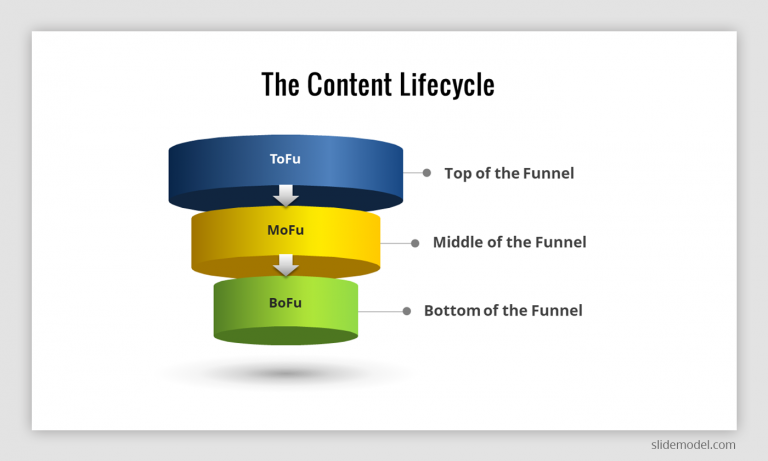
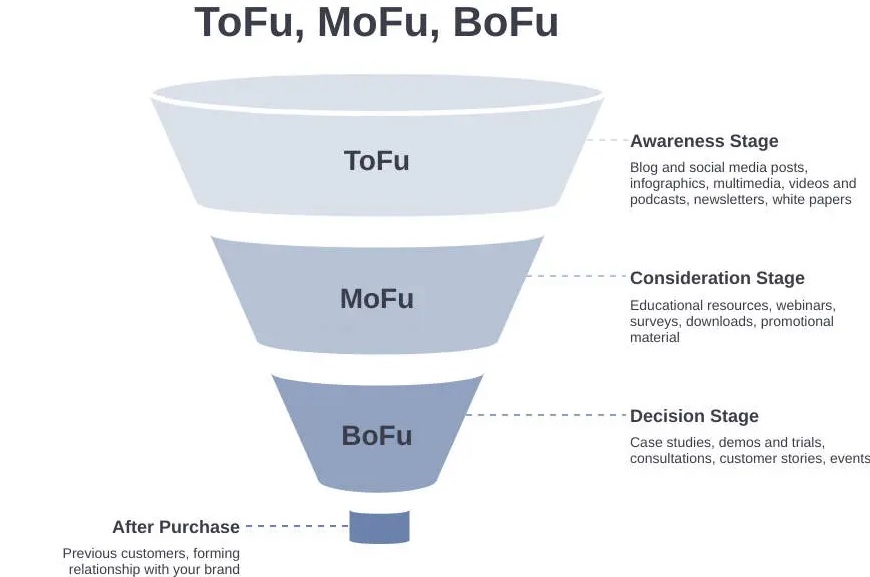
The classic funnel, adapted to China. Discovery happens on video and feeds, research on review platforms, purchase and repeat inside WeChat or a store. Read it if your budget all goes to awareness or all goes to the final click and sales stay flat.
The brands that win build for the whole journey, guiding a Chinese consumer from first awareness to confident purchase.
Read the full article: Top, Middle, and Bottom of Funnel Marketing in China


A short brief on what moved Chinese marketing in early 2026: saturated feeds, brands going back to brand building, budgets still growing, AI in daily use. It ends with three moves a smaller foreign brand can act on this quarter.
This matters most for foreign brands, which often arrive with aggressive performance marketing and then struggle to build loyalty in a market where trust and cultural fit decide repeat buying.
Read the full article: Marketing China: Key News and Social Media Strategies for Brands
The Apps Wealthy Chinese Buyers Actually Use

For anyone selling premium products. It lists where affluent Chinese buyers spend their screen time, from WeChat private groups to Xiaohongshu, Douyin and Dewu, and explains why a smaller, richer audience beats a huge one for high-ticket goods.
Wealthy Chinese buyers cluster in specific places and follow specific signals: authentication, scarcity, social proof from people like them.
Read the full article: The Apps Wealthy Chinese Buyers Actually Use
How do you set up WeChat as a foreign company?
WeChat is the one account almost every brand needs, and the setup is where foreign companies lose the most time. These pieces cover account types, documents, the entity question and the real running cost.
How to start business on WeChat (2025 update)

A blunt starter plan for doing business on WeChat, written after an audit of a French brand that had an account and no sales. Four building blocks: a verified Service Account, a mini-program, WeChat Pay plus a CRM, and native Chinese content.
WeChat mini-programs are the backbone of e-commerce, bookings, lead gen in China.
Read the full article: How to start business on WeChat (2025 update)
Opening an Official WeChat Account Without a Legal Entity in China

Can you open an official WeChat account with no Chinese company? Yes, with trade-offs. The piece explains the routes and, more usefully, asks what the account must achieve before you pick one. Read it before paying anyone for setup.
A WeChat account is a tool, and like any tool it only matters if it serves a real purpose in how you reach and serve Chinese audiences.
Read the full article: Opening an Official WeChat Account Without a Legal Entity in China
How to Open a WeChat Official Account as a Foreign Enterprise
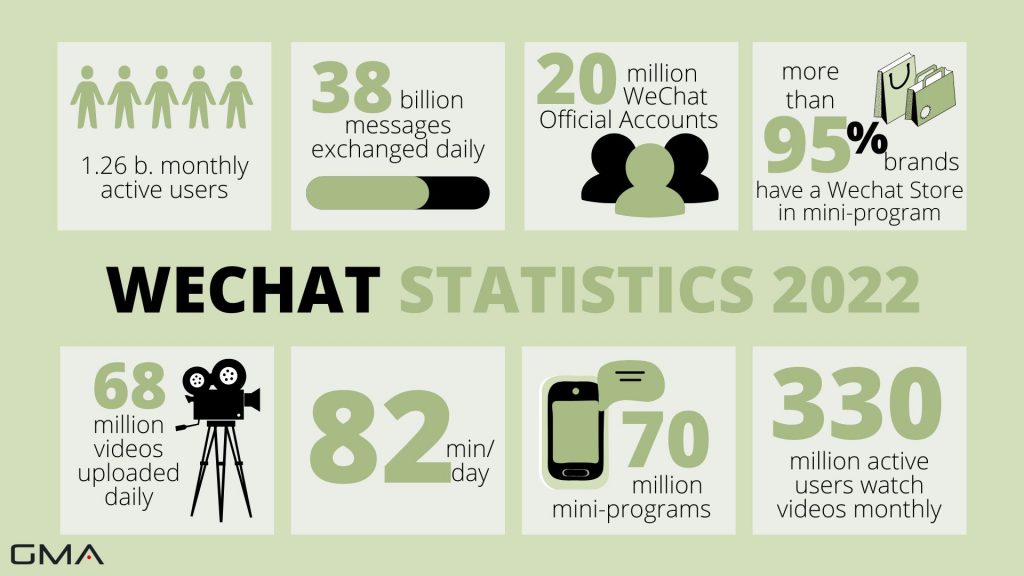
The paperwork view of an overseas WeChat Official Account: account types, the annual verification fee, the documents Tencent asks for and the order of the steps. Keep it open while you fill in the forms, it saves back-and-forth with the reviewers.
That said, for all overseas businesses, verifying their accounts is a must for the account to be fully activated.
Read the full article: How to Open a WeChat Official Account as a Foreign Enterprise
How to Open a WeChat Channels Pro Account as a Foreign Brand


Step by step guide to a business account on WeChat Channels, the video and live feed inside WeChat. It explains why a personal account is a dead end for brands and what the Official Account has to be in place first.
Before you start, you need a verified WeChat Official Account (Service Account type).
Read the full article: How to Open a WeChat Channels Pro Account as a Foreign Brand
What Does WeChat Actually Cost to Run?

Straight talk on what a WeChat presence costs a small brand: verification, account management, a mini-program, optional ads. The useful part is where money gets wasted and the minimum setup that is enough to start.
The biggest waste is paying for a fancy mini-program before you have anyone following you.
Read the full article: What Does WeChat Actually Cost to Run?
WeChat Mini-Programs: Your Real China Storefront

Why a mini-program often beats a website as a China storefront for small businesses: no download, native WeChat Pay, borrowed trust. It also explains why you still need a China-hosted site for Baidu and for buyers who check you.
And here is the part most foreign brands have not grasped: for a lot of small businesses, a WeChat mini-program is a better China storefront than a website.
Read the full article: WeChat Mini-Programs: Your Real China Storefront
How do you turn WeChat into sales and repeat customers?
Once the account exists, the question becomes what to do with it. WeChat is weak at finding strangers and very strong at keeping buyers. These guides show how brands build that second half.
A short correction for teams that treat WeChat like Facebook. WeChat is a super-app where people pay, book and shop, so the brand job is retention, not reach. Read it to decide what role WeChat plays next to Douyin and Xiaohongshu.
It decides whether you treat WeChat as a place to post, or as the place to run your entire China relationship.
Read the full article: WeChat Is a Super-App, Not a Social Network
WeChat for Business: How Brands Can Make Money on WeChat?


A long how-to on making money on WeChat in 2026: the five parts of the app that matter, the ways brands actually earn from them and a 90-day plan to start. Written for brands whose account exists but does nothing.
It is a full shop, a payment system, a customer database, and a video app rolled into one, and brands that treat it that way make real money on it.
Read the full article: WeChat for Business: How Brands Can Make Money on WeChat?
WeChat Retail in China: What a WeChat Agency Builds, With a Worked Example (2026)

WeChat as a retail system, with one worked example from first follower to repeat sale. It explains private domain traffic in plain words and gives a checklist to judge an agency before you sign. Best for retailers with a modest budget.
Businesses use it to reduce reliance on third-party platforms, own customer data, and sell again to people who already follow them.
Read the full article: WeChat Retail in China: What a WeChat Agency Builds, With a Worked Example (2026)
Using WeChat for B2B Marketing in China

WeChat for B2B sellers, where deals are slow and personal. It covers what to post, how to stay present with buyers over months and why loud promotion fails with procurement teams. Useful for industrial and service companies.
Chinese business buyers research, talk, and decide inside WeChat the way Western ones might use email, LinkedIn, and phone calls combined.
Read the full article: Using WeChat for B2B Marketing in China
WeChat Campaigns That Work: Interactive Content and Mini-Programs


Interactive WeChat campaigns, quizzes, H5 pages and mini-programs, explained without the hype. You learn why a few spread through group chats and why most copies flopped. Read it before you brief a developer on a shareable campaign.
They became a money pit because most brands copied the format without understanding why the good ones worked.
Read the full article: WeChat Campaigns That Work: Interactive Content and Mini-Programs
WeChat new White Paper 2026 (from Tencent)


Notes from Tencent's August 2026 business growth camp in Shanghai. The message: stop buying WeChat traffic one shot at a time and build user and content assets you own. It summarises the Three Rings, Four Forces model for brand operators.
Brands that still treat WeChat as just another traffic channel risk falling behind.
Read the full article: WeChat new White Paper 2026 (from Tencent)
WeChat Moments Ads: Are They Worth It?
Are WeChat Moments ads worth the money for a small brand? Sometimes. The piece explains how the format looks, how tight the targeting is and why it suits high-ticket products better than low-margin ones. Check your landing points first.
Moments ads are not cheap and there is usually a meaningful minimum spend.
Read the full article: WeChat Moments Ads: Are They Worth It?
WeChat Mini-Programs: The Private Boutique for Luxury Brands
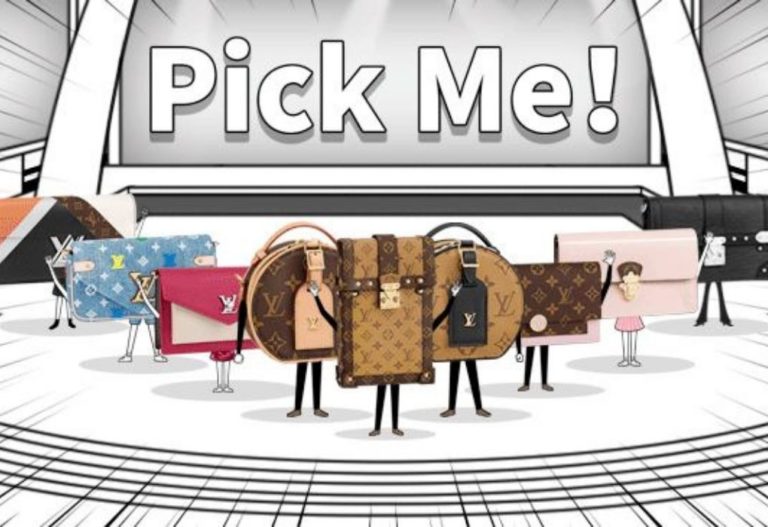
How luxury and premium brands use a WeChat mini-program as a private boutique instead of a marketplace stall: fewer products, member access, personal advisers who send clients straight into the store. Relevant to any high-margin niche brand.
Luxury is sold through relationships, and a WeChat mini-program is the only storefront that lives right inside the relationship.
Read the full article: WeChat Mini-Programs: The Private Boutique for Luxury Brands
Is Weibo still worth it for a small brand?
Weibo gets written off, yet it remains China’s open public feed and the place people check whether a brand is active. These four pieces cover setup, ad cost, a small-budget plan and brand safety.
Sina Weibo Marketing: How to Create a Weibo Official Account?


A full walkthrough of opening and verifying a Weibo official account as a foreign company, with what each feature does once you are verified. Start here if you want the blue V and a public brand page in Chinese.
A verified Weibo Official Account is your public voice in China, where news, stars and brands are all visible together.
Read the full article: Sina Weibo Marketing: How to Create a Weibo Official Account?
How Much Does It Cost To Advertise On Weibo?

How Weibo advertising is priced, which formats exist and how to test with a small budget before a bigger buy. The point is return on spend, not the price list, which helps marketers who must defend a budget internally.
The honest answer to "how much does it cost" is: it depends, on your goal, targeting and formats.
Read the full article: How Much Does It Cost To Advertise On Weibo?
How to Use Weibo for a Small Business in China (2026)


The small-business version of Weibo: five steps, one example and advice for teams that do not read Chinese. It treats Weibo as a credibility and discovery channel run on hours, not celebrity budgets. Probably the most practical Weibo read on the site.
Here is the answer most small businesses miss: Weibo is the public square where your brand looks real to strangers.
Read the full article: How to Use Weibo for a Small Business in China (2026)


What can get a foreign brand in trouble on Weibo and other Chinese platforms: tone, sensitive words, platform rules, community norms. A short safety read for whoever approves posts, so a campaign does not turn into a crisis.
Brand safety in China is not about being timid, it is about being aware.
Read the full article: Marketing Safely on Weibo and Chinese Social Media
How do Douyin, Kuaishou and the video platforms work for brands?
Short video is where Chinese attention goes, and where buying now starts. These guides cover Douyin from account to ads, then Kuaishou, Bilibili and long video, so you can choose the right screen for your product.
Douyin : The Mini-video in China that Change "Digital"

Five Douyin trends for 2026 from people who run campaigns: AI ad tools, store livestreams going professional, search inside Douyin, longer content. Read it to see where the platform is heading before you plan a year of content.
Chinese viewers get bored of the same content fast, so the brands that keep winning are the ones that stay native to the platform and keep their creative fresh.
Read the full article: Douyin : The Mini-video in China that Change "Digital"
The Secret Behind Douyin’s Algorithm

A plain explanation of how Douyin's recommendation engine picks videos, based on what the platform itself disclosed: the content pool, filtering, user and video matching. Helpful for content teams who want to know why some posts take off.
Both users and videos are turned into mathematical vectors (think digital coordinates).
Read the full article: The Secret Behind Douyin’s Algorithm
Why Douyin Matters for Your Brand in China


Why Douyin matters even for a small foreign brand: the algorithm pushes relevant content to the right viewers whatever your follower count, and the buy button sits next to the video. A good piece to share with a sceptical boss.
Douyin rewards relevance over spend, which is good news for focused brands and bad news for lazy, generic ones.
Read the full article: Why Douyin Matters for Your Brand in China
Douyin Paid Advertising: A Plain Introduction for Foreign Brands
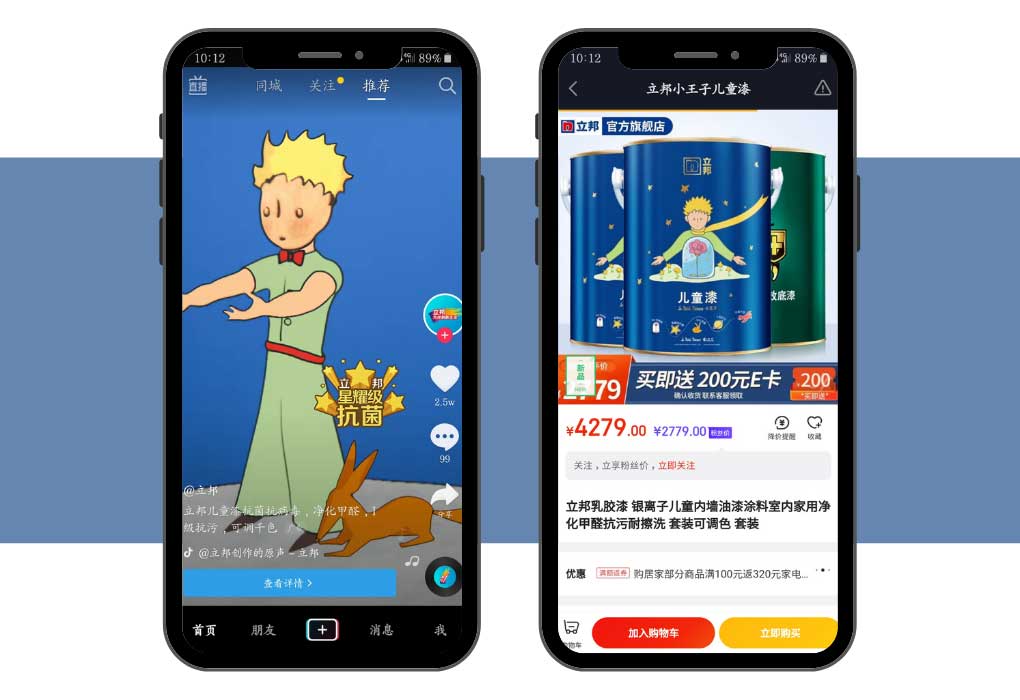
A plain introduction to paid ads on Douyin: what the formats do, why Western video ads fail there and what must exist after the click. For brands about to test their first Douyin budget and keen not to burn it.
It is also one of the easiest places for a foreign brand to pour money down the drain.
Read the full article: Douyin Paid Advertising: A Plain Introduction for Foreign Brands
How To Open A Douyin Account for Business?

The practical steps to open and verify a Douyin business account, from downloading the Chinese app to choosing the right category and setting up a shop. Use it as a companion while you do the setup.
Opening a business account is the first step, but doing it right, verification, shop setup, the right category, decides whether you can actually sell.
Read the full article: How To Open A Douyin Account for Business?
Douyin Is the #1 Channel for Alcohol Brands in China.


Why wine and spirits brands stuck with unsold stock in China should look at Douyin: live tastings, algorithmic reach for unknown labels, in-app checkout. A step plan follows for importers and small producers, from enterprise account to livestream.
The Douyin algorithm doesn't care if you're Coca-Cola or a Bordeaux startup.
Read the full article: Douyin Is the #1 Channel for Alcohol Brands in China.
How Sports Teams Use Douyin to Build a Chinese Following
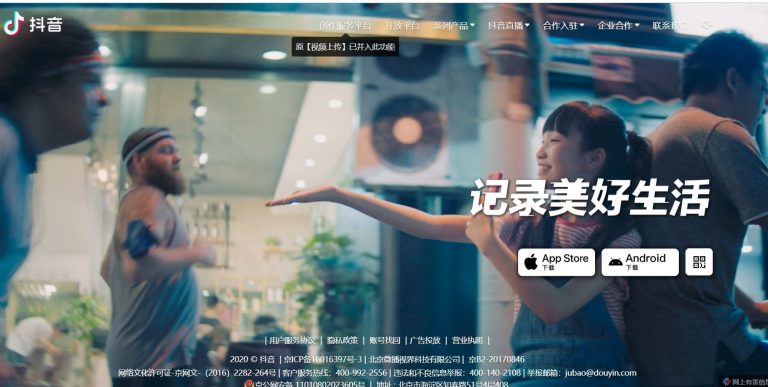

How European football clubs built Chinese fan bases on Douyin without playing a match in China. The lessons on localised content and steady posting apply to any sports or lifestyle brand selling to fans far away.
They made content for the Chinese fan, in the right language and style, often featuring the moments and players Chinese audiences cared about most.
Read the full article: How Sports Teams Use Douyin to Build a Chinese Following
Kuaishou Marketing in 2026: A Practical Guide for Brands

A full 2026 guide to Kuaishou: who uses it, five differences with Douyin, account setup, creators, livestreams and ads, with official Q2 2026 figures. Read it if your buyers live outside the big coastal cities.
Douyin pushes content to strangers. Kuaishou is built on relationships between creators and the people who follow them, with a core audience in lower-tier cities, small towns and rural China.
Read the full article: Kuaishou Marketing in 2026: A Practical Guide for Brands
Douyin vs Bilibili vs WeChat Channels: Which Video Platform for Your Brand in China?
Douyin, Bilibili or WeChat Channels? A side by side comparison of reach, audience, content format and starting budget for each. The best page here if you can only afford one video platform this year and need to justify the choice.
A new brand account can publish a video on Monday and have one million views by Wednesday if the content performs.
Read the full article: Douyin vs Bilibili vs WeChat Channels: Which Video Platform for Your Brand in China?
Bilibili Marketing: How to Reach China's Young, Engaged Audience


Bilibili for brands that sell to young, interest-driven buyers: gaming, tech, anime, hobbies, education. It explains the community culture, why intrusive ads get rejected and how to work with trusted creators instead of buying banners.
Unlike platforms built for quick scrolling, Bilibili rewards depth, authenticity, and genuine content that respects the community, and it is unforgiving toward brands that show up with obvious, intrusive advertising.
Read the full article: Bilibili Marketing: How to Reach China's Young, Engaged Audience
Is Long Video Worth It for Brands in China?

When long video on Youku, Tencent Video or iQiyi beats a short clip: products that need explaining, heritage brands, premium goods. A short read to decide whether product placement or branded series fit your budget.
If your product needs explaining, or your brand story is the reason people buy, long video earns its place.
Read the full article: Is Long Video Worth It for Brands in China?
How do Xiaohongshu and Zhihu help buyers find and trust you?
Chinese buyers research before they spend, and they do it on Xiaohongshu for consumer goods and on Zhihu for complex or B2B purchases. These guides show how a small brand gets into those searches.
Rednote Ban: What It Means for Brand Prospection in China


What the January 2025 rush of American users to Rednote changed for brands, and the 2026 trends that followed: saves over likes, reference content, the app as a pre-purchase research tool. Useful for brands weighing an account this year.
Chinese consumers use Xiaohongshu the way Western consumers use Google Reviews or Reddit.
Read the full article: Rednote Ban: What It Means for Brand Prospection in China
How to Seed Your Product on Rednote: a Startup Guide to Organic Growth
Product seeding on Rednote for startups on a tight budget: how to pick nano creators, what to send, how to brief without scripting and why real-looking photos beat studio shots. One of the most hands-on guides in this list.
A slightly blurry photo taken in someone's apartment with good natural light often performs better than a studio shot.
Read the full article: How to Seed Your Product on Rednote: a Startup Guide to Organic Growth
Xiaohongshu for Food Brands: The Goldmine Most Entrepreneurs Ignore


A Xiaohongshu playbook for food and drink brands: verified account, notes instead of ads, KOCs before KOLs, search ads, plus the common mistakes. For food exporters who still think only in terms of distributors and supermarket shelves.
The platform's search-driven algorithm rewards authentic, keyword-rich content over paid advertising, giving SMEs a real chance against giants.
Read the full article: Xiaohongshu for Food Brands: The Goldmine Most Entrepreneurs Ignore
What African Businesses Can Export to China and Why REDnotes Is Your Best Entry Point


For African exporters: which products have a chance in China under the zero-tariff scheme, what paperwork applies and why REDnote is a cheap first digital step. Written for niche brands with small budgets and no Chinese office yet.
You need the right product, the right paperwork, and the right first move online.
Read the full article: What African Businesses Can Export to China and Why REDnotes Is Your Best Entry Point
Want to Reach 50,000 Coffee Distributors in China? Little Red Book or Douyin : No Cold Email

A short case for coffee brands chasing Chinese distributors: build visibility on Xiaohongshu and Douyin and let distributors come to you, instead of sending cold emails. The logic works for most imported food and drink.
In China, no one buys coffee from a stranger in their inbox.
Read the full article: Want to Reach 50,000 Coffee Distributors in China? Little Red Book or Douyin : No Cold Email
How Mbappé's Meme Magic is Winning Over Chinese Fans
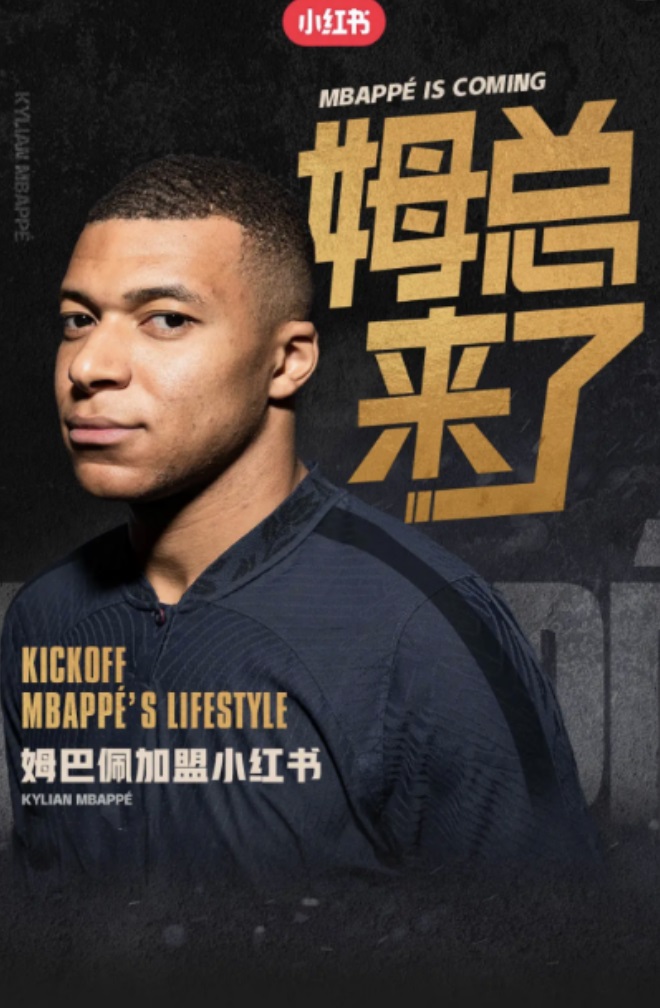

How Kylian Mbappé won Chinese fans on Xiaohongshu with bilingual posts, local memes and travel and food content. A clear example of what being native looks like for any foreign brand or public figure that wants Chinese fans.
Unlike Lionel Messi, who faced criticism for neglecting his Chinese followers during a trip to Hong Kong, Mbappé is actively embracing Chinese internet culture.
Read the full article: How Mbappé's Meme Magic is Winning Over Chinese Fans
How Zhihu Ranks Answers, and Why B2B Should Care
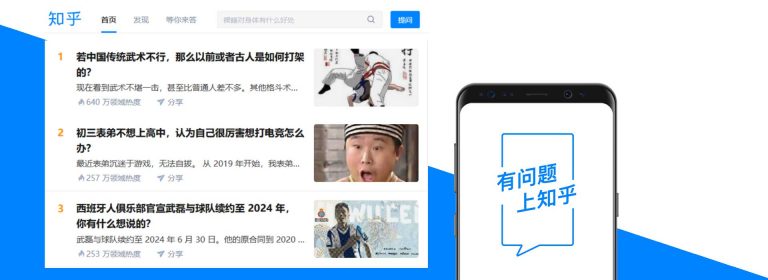
How Zhihu orders answers, what a company can and cannot do there and why good answers keep showing up in search for years. Essential for B2B firms whose buyers research a lot before contacting a supplier.
You find the questions your buyers are already asking and you try to own the answer.
Read the full article: How Zhihu Ranks Answers, and Why B2B Should Care
How do you work with KOLs, KOCs and livestreams on a small budget?
Influencers drive a large share of buying decisions in China, and they also eat budgets fast. These guides cover how to choose creators, what they really cost and what livestream selling looks like after the superstar era.
How to Run a Successful Influencer Campaign in China


The principles behind influencer campaigns that sell in China: start with the goal, match the audience, check real engagement, brief well and measure. Read it before your first creator brief, whatever the size of the budget.
A campaign built around a name you liked gets vanity metrics and no learning.
Read the full article: How to Run a Successful Influencer Campaign in China
How to Find and Use the Right Influencers in China

Why the list of top Chinese influencers is the wrong starting point. The guide explains the KOL and KOC tiers and shows how many small honest reviews on Xiaohongshu beat one celebrity post for a small brand.
A creator with 30,000 followers who owns your niche will outsell a celebrity with 30 million almost every time.
Read the full article: How to Find and Use the Right Influencers in China
How Fashion Brands Actually Make KOLs Work in China


How fashion brands make KOLs work in China, with a list of influential fashion voices and the right mix of big and small creators. For apparel and accessories brands tired of glamorous posts that bring likes and no orders.
The problem is not the influencer. It is using one big post where China rewards a chorus of trusted voices.
Read the full article: How Fashion Brands Actually Make KOLs Work in China
China's Billion-Dollar Influencer Economy: What Those Numbers Really Mean for Your Brand

What the billion-dollar livestream headlines really mean for an ordinary brand. The piece separates the superstar cases from the daily reality of influencer selling and helps set realistic sales targets that your board and your distributor will accept.
The billion-dollar day is the visible tip of a giant system, and the tip is not where most brands live or where most of the useful selling happens.
Read the full article: China's Billion-Dollar Influencer Economy: What Those Numbers Really Mean for Your Brand
What a Chinese KOL Really Costs, and How to Budget Influencer Marketing


What Chinese KOLs and KOCs really cost and what drives the price: platform, follower quality, category, workload, commission. A budgeting guide for brands that have no reference point, fear paying double and need a first number.
On top of the flat fee, many arrangements involve product, commission on sales, or both, so the headline post price is only part of the real cost.
Read the full article: What a Chinese KOL Really Costs, and How to Budget Influencer Marketing
Top 10 Livestream Sellers in China 2026 (And Who to Avoid)

The ten livestream sellers that count in 2026, what happened to each one and which ones carry risk. The key data point: small and mid-size streamers now drive most livestream sales, which is good news for smaller brands.
Five years ago the big names were the whole market. Now they are one tenth of it.
Read the full article: Top 10 Livestream Sellers in China 2026 (And Who to Avoid)
James Harden sell out 10,000 bottles of Wine via Chinese Livestreaming

A story worth knowing: James Harden's wine sold out in seconds on a Chinese livestream with a famous host. The piece draws the practical lessons on host, product, price and offer for wine and drinks brands.
The right host, the right product and a tight offer can shift a season of stock in an hour.
Read the full article: James Harden sell out 10,000 bottles of Wine via Chinese Livestreaming
What makes a campaign work in China, and do you need an agency?
The last group looks at what works across platforms: participation, timing, cultural moments, a local giant’s playbook. It ends with how to judge an agency if you decide not to run everything in-house.
What Actually Makes a Marketing Campaign Work in China

The principles behind Chinese campaigns that spread: give people something to do, ride a real feeling or moment, keep the idea simple. A useful antidote to copying last year's viral case study, written for small teams with small budgets.
A small brand with a sharp, participatory idea and good timing can outperform a giant that just bought reach.
Read the full article: What Actually Makes a Marketing Campaign Work in China
How China's Cultural Moments Drive Sales


How TV series, festivals and viral clips push sudden demand for one product in China, and how a brand gets ready to ride the moment instead of arriving late. For marketing teams that plan a year ahead.
In China, cultural moments move shopping more sharply and quickly than almost anywhere, because trends spread fast and young consumers love being part of something.
Read the full article: How China's Cultural Moments Drive Sales


A case study of Yili, China's dairy leader, and the cultural and social media playbook behind its dominance, from Olympic campaigns to its agency setup. Worth reading to see the bar local competitors set in any consumer category.
Yili is not just big because they make good products or have efficient distribution.
Read the full article: Yili: How China's Dairy Giant Wins With Social Media
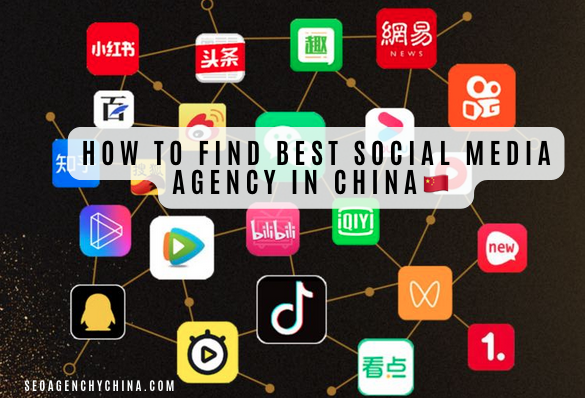

How to pick a social media agency in China without getting burned: ask for results, check real platform skills, look at contracts and account ownership. For founders who fear choosing wrong and end up choosing nothing.
Match their real strength to where your buyers actually are, not where they wish you would spend.
Read the full article: How to find best social media agency in china
Frequently asked questions
WeChat. Tencent reported 1,439 million combined monthly active users for Weixin and WeChat at 30 June 2026. Almost every adult with a smartphone in China uses it every day for messages, payments and services. For a brand it is the place to keep customers, not the best place to find new ones. Douyin is the biggest platform for short video and impulse buying.
Start from your buyer. Consumer goods that people research, like cosmetics, food or fashion, start on Xiaohongshu plus WeChat. Products that sell through video and demos start on Douyin. B2B firms start with WeChat and Zhihu. Two platforms done well beat five done badly. Our overview of the five main platforms helps you pick.
Can a foreign company open a WeChat Official Account without a Chinese entity?
Yes. Overseas companies can register an Official Account with their home business registration and pay an annual verification fee to Tencent. Some features, like certain payment options, are easier with a Chinese entity or a local partner. Decide first what the account must do, then pick the route. The steps and documents are in our guide to opening a WeChat Official Account as a foreign enterprise.
Can Americans and other foreigners use WeChat?
Yes. Anyone can download WeChat outside China and register with a foreign phone number. The international version is called WeChat, the Chinese one Weixin, and they talk to each other. For a brand, a personal account is not enough: you need an Official Account, verified, to publish content, run a menu and connect a mini-program or shop.
What is the Chinese equivalent of TikTok?
Douyin. Both belong to ByteDance, but they are separate apps with separate users, rules and content. Douyin has a full shop built in, with livestream selling and search, so it works as a sales channel as much as an entertainment app. Kuaishou is the other big short-video platform, stronger in smaller cities. Our comparison of Douyin, Bilibili and WeChat Channels shows which suits your product.
What is China's version of Instagram?
Xiaohongshu, also called RedNote or Little Red Book, is the closest match, but it behaves more like a search engine than a photo feed. Users search product names and read notes from real people before they buy. For a foreign brand, a verified account plus reviews from small creators is the usual first step, as our product seeding guide explains.
Each platform has its own ad system: Ocean Engine for Douyin, Tencent ads for WeChat Moments and Channels, Weibo’s ad platform, and Juguang for Xiaohongshu. You usually need a verified business account, Chinese creative and a landing point that converts, such as a mini-program or a store. Start with a small test budget and measure cost per lead or sale, not views.
Account setup and verification are cheap. The real costs are people to produce Chinese content and reply to users, creator fees, and ads if you buy them. Many small brands start with one or two platforms, a few small creators and no paid ads for the first months. Our guide on what WeChat really costs to run shows where money gets wasted.
You need other people talking about you, but rarely a celebrity. Small creators and ordinary users, called KOCs, often bring more sales per yuan because buyers trust them more. Small and mid-size streamers now carry most livestream sales. Start with a handful of niche creators, see who converts, then scale. Our KOL cost guide helps you budget.
Is Weibo still worth it in 2026?
For many small brands, yes, as a credibility channel. Weibo reported 561 million monthly active users in June 2026. Posts are public, so a buyer who checks your name sees an active, verified brand. It is weaker for direct sales than Douyin or WeChat. Our guide on using Weibo as a small business keeps the effort to a few hours a week.
Partly. You can register several accounts from abroad and post from anywhere, but platforms favour Chinese content, Chinese phone numbers for admins and fast replies in Chinese. Most foreign SMEs work with a local team or partner for content, customer replies and creator outreach, and keep strategy and product decisions at home.
We have an office in Jing’an, Shanghai, with a small team that runs WeChat, Xiaohongshu, Douyin and Weibo accounts for foreign SMEs, in Chinese, on budgets measured in hours and not millions. We start with one or two platforms, set up the accounts in your company’s name and report on leads and sales, not follower counts. See our WeChat and social media agency service or tell us about your brand.
Last updated: October 2026. This guide is reviewed when new articles are published on the topic.
I prefer now… Red Note
you know it feels more like a search and trust engine than a pure social platform.
I live in China and I see my friends go there with purchase intent already formed. Have you noticed that conversion quality from Xiaohongshu is often higher even when traffic volume is lower than Douyin?
if you read chinese you know 🙂