
China’s Billion-Dollar Influencer Economy: What Those Numbers Really Mean for Your Brand
Updated

Every so often a headline goes round about a single Chinese influencer selling over a billion dollars of goods in one day, and foreign brands read it with wide eyes and start dreaming. The numbers are real, and they are genuinely staggering, China’s influencer and livestream economy operates at a scale the rest of the world has not matched. But those headline figures are also one of the most dangerous things a foreign brand can read, because they create completely wrong expectations about what influencer marketing will do for you. The brands that get dazzled by the billion-dollar days waste fortunes chasing a result that was never available to them. Here is what those huge numbers actually mean, and how to think clearly about the influencer economy instead of being blinded by it.

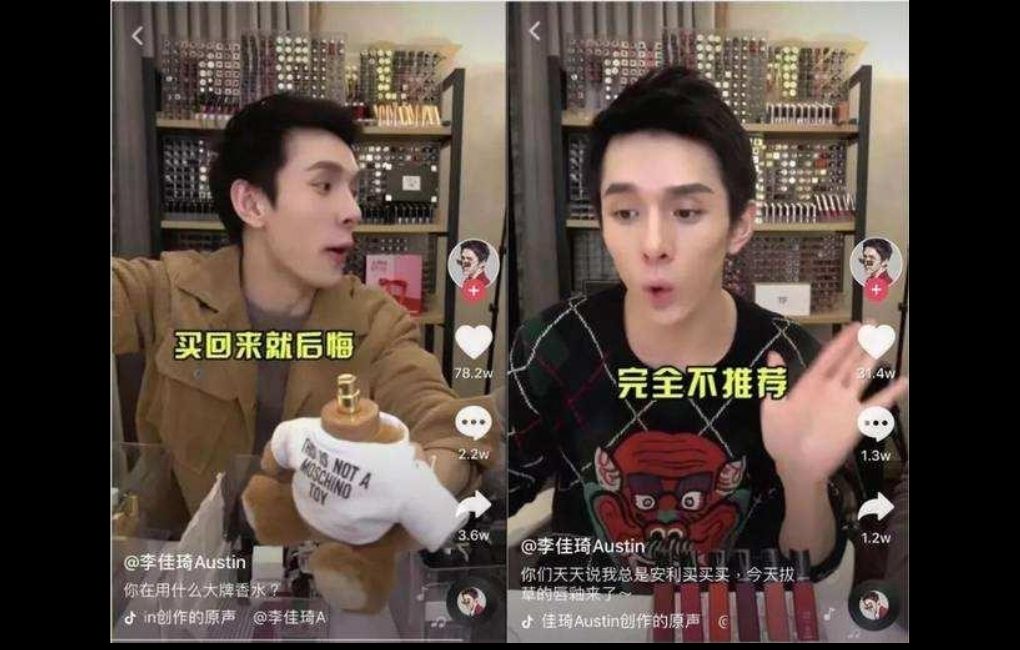
The numbers are real, and they are enormous
China genuinely runs the most developed influencer and livestream selling economy on earth. Top hosts have moved astonishing volumes of product in single sessions, whole careers and companies are built around content-driven selling, and the integration of entertainment, recommendation, and instant buying is years ahead of most Western markets. This is not hype, it is a real, working machine that drives a massive share of Chinese consumer spending. So the instinct that influencer marketing matters enormously in China is correct, and a foreign brand that ignores it is missing the single most important way Chinese consumers discover and decide on products.
The mistake is not believing the numbers, it is misreading what they mean for you. The billion-dollar day is the visible tip of a giant system, and the tip is not where most brands live or where most of the useful selling happens.
Why the headline figures mislead foreign brands
The mega-host selling a billion dollars in a day is a tiny, exceptional case built on years of audience-building, enormous infrastructure, and, crucially, the deepest discounts brands can offer. When a brand appears in one of those sessions, it often does so at a margin-crushing price, paying for the privilege, with no guarantee of building any lasting customer relationship. The spike is real, the profit and the brand-building frequently are not. Worse, those numbers make smaller brands believe that hiring any big influencer will produce similar magic, so they overspend on the wrong, oversized names and get views without sales.
- The mega-days are exceptions. A handful of top hosts at massive scale, not a result available to a normal brand.
- The discounts are brutal. Big-volume sessions usually demand price cuts that destroy margin and brand value.
- Views are not sales. Reach from the wrong influencer impresses in a report and converts nothing.
- The real work is below the top. Smaller, well-matched voices quietly drive most of the useful selling.
So how should a brand actually use the influencer economy?
Forget the billion-dollar headline and think about fit and trust. The influencer economy works for you when you match the right voices to your actual buyer, give them room to be authentic, and treat the relationship as ongoing rather than a one-off splash. A spread of smaller, credible voices whose followers are genuinely your customer will almost always beat one expensive star whose audience does not care about your category. The value of an influencer in China is the trust they have with their audience, and that trust converts when the recommendation feels real and the product fits the followers. Spend on relevance and credibility, not on the biggest number you can afford.
This is where platform choice matters too. Xiaohongshu suits considered, review-led categories, while Douyin brings reach and impulse. Pick where your buyer actually researches and decides, and go deep there rather than scattering a small budget across everything chasing the dream of a viral, billion-dollar moment.
What happens when the influencer sends people to check me?
This is the step the headline numbers never show, and it quietly decides whether any of it works. A good influencer post or stream sends curious people to find out who you are, and if they search you and find a thin, unconvincing presence, the trust the creator built evaporates before it converts. Make sure that when buyers verify you on Baidu, you hold up as a real, credible brand, and that there is a clean path from the post to where they can buy. The influencer creates the spark, your owned presence has to catch it, and no amount of reach fixes a brand that falls apart the moment someone looks closer.
Is influencer marketing worth it for a small brand?
Yes, and often more than for big ones, as long as you ignore the billion-dollar fantasy and play your own game. A small brand cannot buy a mega-host, but it does not need to. Working with smaller, focused voices whose audience is exactly your buyer is affordable, credible, and effective, and it builds the kind of genuine word-of-mouth that Chinese consumers trust most. The influencer economy is not reserved for giants, it is arguably better suited to a focused small brand that picks the right voices and measures real results. Be honest about your scale, match the spend to a clear goal, and the same economy that produced those dazzling headlines can quietly build you a real business.

Where we come in
We have an office in Jing’an, Shanghai, with a team of 15 who help foreign brands use China’s influencer economy sensibly rather than chasing headline numbers: the right voices matched to your real buyer, authentic content, the right platform, and a credible presence on Baidu to catch the interest. If you want influencer spend that converts instead of just impressing, tell us your goal.
Jon Wang is a hands-on business man specialising in ecommerce, distribution, and down-to-earth solutions for brands entering the Chinese market.
see comment on linkedin about this star influencers
https://www.linkedin.com/feed/update/urn:li:activity:6747608699751170048
That’s a huge amount of money… I might think about becoming an influencer in China then ahah…