
China Outbound Tourism FAQ: 25 Guides to Win Chinese Travellers (2026)
Updated

China outbound tourism is back at record levels. China’s National Immigration Administration counted 335 million border crossings by mainland residents in 2025, up 15.1% on 2024, and another 176 million in the first half of 2026. Most of these trips are now planned by independent travellers on their phones, on Xiaohongshu, Douyin and booking apps such as Trip.com and Fliggy. To win them, a hotel, shop or destination has to be visible there, in Chinese, before the trip starts.
I get the same questions every week from hotel owners, tourism boards and retailers. How many Chinese tourists are really coming? Where do they look? Do I sign with a Chinese tour operator or list myself on an OTA? Is my English website enough? The short answers are in the FAQ at the bottom of this page. The long answers are spread across 25 articles on our blog, written over several years and updated since.
This guide puts those 25 articles in one place and sorts them by the question you are asking. Each entry says what the article covers and who it helps, with one line taken straight from it, so you can decide in ten seconds if it is worth your time.
A word on numbers. Forecasts on Chinese outbound travel vary a lot from one firm to another. Below, I only use official border data and clearly labelled forecasts, with the source next to each figure.
Jon Wang is the founder of SEO Agency China, a small digital marketing team based in Shanghai. He works with hotels, tourism boards and travel brands that want Chinese visitors, and reads Chinese border data every quarter to check where travellers really go.
What this guide covers
- Who are Chinese outbound travellers today?
- Where do Chinese travellers plan and book their trips?
- How do I attract Chinese tourists to my business?
- Should I work with Chinese tour operators and travel agencies?
- How should hotels, restaurants and shops welcome Chinese guests?
- How can a destination get on Chinese travellers' list?
- Which niche travel segments are worth targeting?
- FAQ
Chinese outbound travel: the numbers that matter
| Fact | Source |
|---|---|
| 697 million border crossings in China in 2025, up 14.2% year on year, a record (National Immigration Administration). | China Daily, 28 January 2026 |
| 335 million crossings by mainland Chinese residents in 2025, up 15.1% on 2024 (National Immigration Administration). | China Daily, 28 January 2026 |
| 176 million crossings by mainland residents in the first half of 2026, up 10.7%, out of 369 million in total (National Immigration Administration). | China Daily, 10 July 2026 |
| 4.444 million outbound exits by mainland residents during the October 2026 National Day holiday, up 9.3% on 2025 (National Immigration Administration). | Guangming Daily, 8 October 2026 |
| Forecast: 175 million outbound trips and USD 280 billion of overseas spend in 2026, with about USD 85 billion going to accommodation (China Trading Desk). | Skift, 24 February 2026 |
| Bangkok ranked first, ahead of Kuala Lumpur and Seoul, on Tongcheng Travel's list of destinations outside mainland China for Golden Week 2026. | The Nation Thailand, 3 October 2026 |
Start with the section that matches your business. A hotel manager can jump to the hotels and restaurants part. A tourism board should read the destinations part first, then the tour operator part. If you are new to the Chinese market, read the first two sections in order: who travels, then where they plan. Several older articles still carry useful field advice, but check their figures against the table above.
Who are Chinese outbound travellers today?
The picture of the flag-following tour bus is out of date. Most Chinese travellers now plan their own trips, want food, nature and culture more than shopping, and book late on their phones. These five articles explain who they are and how they changed. If you only read one section of this guide, make it this one, because every channel choice later depends on it.
Chinese Outbound Tourism: How to Actually Reach These Travellers


A clear starting point for any business new to Chinese visitors. It explains why the market is worth the effort, how Chinese travellers differ from Western tourists on platforms, payment and sharing, and why a small hotel or restaurant can compete with big chains.
They expect to pay by phone with the methods they use at home, and friction loses sales.
Read the full article: Chinese Outbound Tourism: How to Actually Reach These Travellers
The Modern Chinese Tourist: Trends That Shape How They Travel


Written for hotels, attractions and destinations that still picture the old group tourist. It lists the four shifts that matter now (independent trips, authentic places, digital planning, shareable moments) and shows how a characterful small business can benefit from each one.
The biggest shift is from group tours toward independent, self-planned travel, with more travellers wanting to explore on their own terms rather than follow a fixed itinerary.
Read the full article: The Modern Chinese Tourist: Trends That Shape How They Travel
5 Stereotypes of Chinese Tourists that Travel Agencies should know


Five common clichés about Chinese tourists, taken apart one by one: tour groups only, shopping only, low spending, no English, all the same. Travel agencies and hotels get a quick table of what each myth hides and how to adjust their offer.
Families, young couples, solo Gen Z, luxury seekers and eco-travelers all want different trips.
Read the full article: 5 Stereotypes of Chinese Tourists that Travel Agencies should know
How Independent Chinese Travellers Plan and Book Today
Independent travellers decide, book and pay for everything themselves. Hotels and attractions learn here what that changes in practice: no operator brings guests to the door, so you must be found during planning, trusted when checked, and easy to pay.
This independence changes what a business has to do, because there is no tour operator delivering guests to your door.
Read the full article: How Independent Chinese Travellers Plan and Book Today
The most Important Chinese luxury Travel Trends 2017


An older but detailed look at wealthy Chinese travellers, based on the Hurun luxury traveller survey: favourite hotel brands, room budgets, island and polar trips, airlines. Read it as background on how high-end tastes formed, not as current data.
Human service is the most important consideration, followed by a good view of the room.
Read the full article: The most Important Chinese luxury Travel Trends 2017
Where do Chinese travellers plan and book their trips?
Google, TripAdvisor and Instagram play almost no role in mainland China. Trips start on Xiaohongshu, get confirmed on search and reviews, and close on Chinese booking apps. These four guides map each step. The common thread: the decision is made in Chinese, on Chinese apps, weeks before anyone lands, so your presence there matters more than your own website.
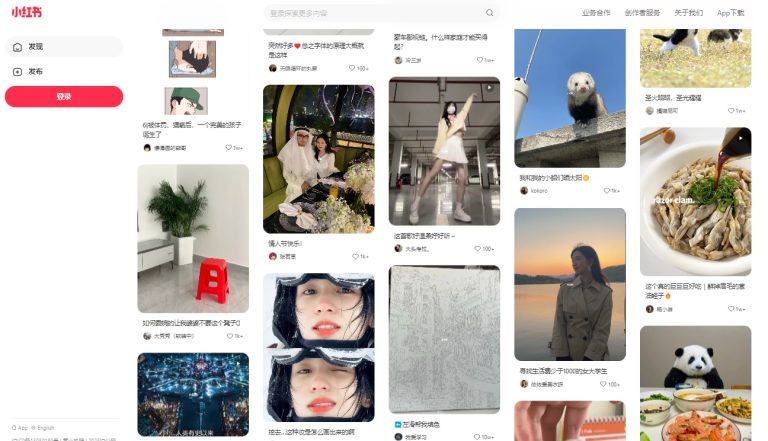

The most complete piece on our site about Xiaohongshu (RED) and travel. It explains how the app became the first stop for trip planning, compares it with WeChat, Douyin, Weibo and the OTAs, and lists what a hotel or tour operator should actually post.
They dream on one, check on another, book on a third, and share on a fourth.
Read the full article: China Social Media for Travel: How RED (Xiaohongshu) Became the Top Platform
Chinese travelers are planning trips on Xiaohongshu.


A short, punchy playbook for hotels, resorts and tour agencies starting on Xiaohongshu: verified account, guide-style notes, small creators, city targeting and booking links. Useful for its five steps and its posting calendar. Treat its market percentages with caution.
Post heavy 6 to 8 weeks before Chinese New Year, Golden Week in October and the May Day holiday.
Read the full article: Chinese travelers are planning trips on Xiaohongshu.
Fliggy and Reaching Chinese Travellers Where They Actually Book


Fliggy is Alibaba's travel platform and many Western hoteliers have never heard of it. Here you see where it fits in the Chinese travel journey, why the booking app alone is not enough, and how a boutique hotel can still compete with chains.
The booking platform captures the decision, but the content layer creates the desire.
Read the full article: Fliggy and Reaching Chinese Travellers Where They Actually Book
Personalized AI Travel Suggestions in China


Aimed at hotels and operators that get Chinese enquiries day and night. It describes how Trip.com, Fliggy and Meituan use AI assistants, then gives a step-by-step plan for a WeChat chatbot that answers, recommends three options and takes payment.
This “present 3 choices” pattern drives higher conversion than lists or search pages.
Read the full article: Personalized AI Travel Suggestions in China
How do I attract Chinese tourists to my business?
Every business asks this one first. The answer is rarely one channel: a Chinese website, a presence on social apps, listings on booking platforms, and a welcome that works on site. These five articles give the core playbook from different angles. Pick the one closest to your business type, then come back to the others when you plan your budget.
7 Digital Marketing Strategies to Attract Chinese Tourists

Seven digital levers for destinations and travel businesses, in order: a Chinese website, real content, Baidu SEO, travel platforms, social media and more. Good for marketing managers who need a checklist to brief a team or an agency.
Second, Chinese travelers now plan trips inside their phones, not on travel desks.
Read the full article: 7 Digital Marketing Strategies to Attract Chinese Tourists
Useful Tips to Attract Chinese Tourists

Ten field tips for hotels, villa owners, malls and luxury stores, each with a short example: a Paris hotel, a Bali resort, a Canadian ski area. Its best point: sell the destination and the experience around you, not only your building.
Whether you are Louis Vuitton or Mercure hotel, do not only focus on your brand, property, facilities, products, and services.
Read the full article: Useful Tips to Attract Chinese Tourists
How to Attract Chinese Tourists (Groups and Independent Travelers)


Covers both tour groups and free independent travellers, which few guides do. Destination managers and retailers will find practical points on Chinese signage, translated menus, UnionPay and Alipay acceptance, and social media for each type of visitor.
Work with your service provider to implement some of the entry-level, Chinese-friendly innovations, such as Chinese signage and simplified restaurant translation menus, along with Chinese language services, digital payment, etc.
Read the full article: How to Attract Chinese Tourists (Groups and Independent Travelers)
Marketing Travel and Tourism to Chinese Travellers

For travel agencies and destinations, a simple idea: Chinese travellers buy on inspiration but book on trust. The piece explains how to build both, with travel content on Xiaohongshu and Douyin, creator recommendations and a credible Baidu presence.
A destination or agency that is invisible or unconvincing in China simply does not make the list.
Read the full article: Marketing Travel and Tourism to Chinese Travellers
How to Market a Travel Business to Chinese Travellers

The shortest guide in this list, and a good one to send to a busy owner. In under 500 words it shows how a Chinese traveller goes from inspiration to booking, and why a specialist travel brand should target independent travellers first.
The pattern is: see it somewhere beautiful and real, research it obsessively, check the provider is trustworthy, then book.
Read the full article: How to Market a Travel Business to Chinese Travellers
Should I work with Chinese tour operators and travel agencies?
Group tours still fill planes and hotels, mostly for first-time and older travellers. But Chinese agencies are hard to approach from abroad. These two articles cover when to use them and how to get a reply. Read them before you send your first brochure, it will save you months of silence.
Working with Chinese Outbound Tour Operators in 2026


Updated in 2026 for DMCs, hotels and destinations. It compares four routes to Chinese travellers (tour operators, OTAs such as Trip.com and Fliggy, direct social, luxury and MICE partners) with speed and best use for each, then explains how to vet an operator.
If you take one thing from this table, take this: do not pick just one.
Read the full article: Working with Chinese Outbound Tour Operators in 2026
Why Is It So Hard to Collaborate with Chinese Outbound Tourism Agencies?

Written from the Chinese agency side of the table. Foreign suppliers learn why their emails go unanswered and what agencies expect instead: WeChat contact, a Mandarin brochure, a fast Chinese website, social proof and packages built for Chinese holidays.
If you don’t have reviews from Chinese travelers or endorsements from Key Opinion Leaders (KOLs), it’s hard for us to take you seriously.
Read the full article: Why Is It So Hard to Collaborate with Chinese Outbound Tourism Agencies?
How should hotels, restaurants and shops welcome Chinese guests?
Once a traveller arrives, small details decide the review they post. Payment, menus, language and service all count. These three guides deal with what happens on site and how it feeds the next booking. None of this needs a large budget, only attention to what a Chinese guest sees, pays and reads.
How to Market Your Hotel for Chinese Travelers?
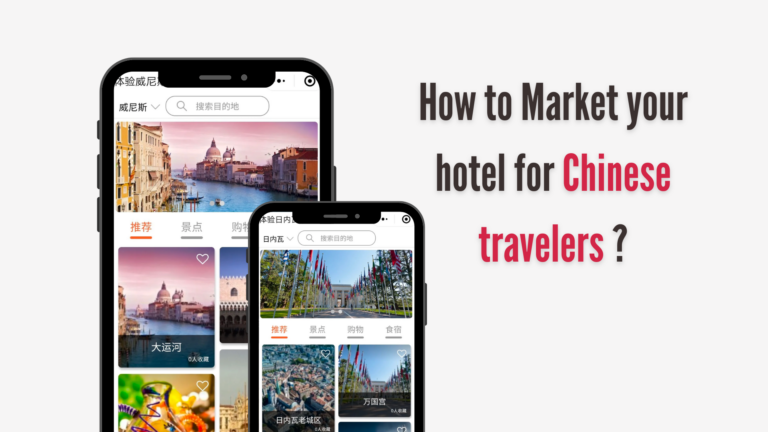
A hotel-specific guide that separates the budget traveller from the wealthy one, then walks through a Chinese website, Baidu SEO, mobile marketing and WeChat. Hotel owners and revenue managers get a list of actions they can start without a large budget.
Chinese travelers are high-spending and digital, and they pick hotels on Xiaohongshu and Fliggy, not a Western booking site.
Read the full article: How to Market Your Hotel for Chinese Travelers?
Xiaohongshu for Restaurants That Want to Attract Chinese Tourists


For restaurant owners in tourist cities who see Chinese visitors walk past. It gives a five-step Xiaohongshu plan (location pin, creator visits, exclusive perk, Alipay and WeChat Pay, a proper menu translation) and the mistakes that keep tables empty. Its statistics are not sourced.
Without a location pin, Chinese tourists can't find you on the map.
Read the full article: Xiaohongshu for Restaurants That Want to Attract Chinese Tourists
Making Chinese Travellers Feel Welcome, and Why It Pays

Being welcome is not a soft extra. Hoteliers, shops and attractions see here why practical touches (mobile payment, Chinese information, briefed staff) shape reviews and repeat visits, and why they cost little compared with advertising.
These small touches stand out precisely because so many businesses do not bother, so a business that does feels noticeably more welcoming than its neighbours.
Read the full article: Making Chinese Travellers Feel Welcome, and Why It Pays
How can a destination get on Chinese travellers' list?
Tourism boards face a different problem from a single hotel: being known at all. These four articles look at lesser-known places, new flight routes and two real destination cases, Indonesia and Mauritius. Each one shows that awareness comes first, then flights and bookings follow.
How Lesser-Known Destinations Win Chinese Travellers


For regions and small countries off the usual Chinese route. It argues that being unknown can become a selling point for young travellers who want fresh places, provided you show up where they look and treat your first Chinese visitors as your best marketing.
A wonderful destination that stays invisible to Chinese travellers loses to a more famous one simply because it never entered the picture.
Read the full article: How Lesser-Known Destinations Win Chinese Travellers
Air Links Bring Chinese Travellers Closer: Be Ready When They Arrive

A new direct flight does not fill seats by itself. Tourism boards and airport cities will see why demand must be built on Chinese platforms months before a route opens, and what travellers check before they book.
When flights are frequent, direct, and affordable, more Chinese travellers can realistically visit, which widens the pool of people who might come to you.
Read the full article: Air Links Bring Chinese Travellers Closer: Be Ready When They Arrive
Indonesia : Hot Travel Destination for Chinese


A destination case study on Indonesia: arrival figures from 2023 and 2024, favourite spots from Bali to Raja Ampat, and what Chinese visitors do there. Handy for operators in Southeast Asia who want to see which experiences sell.
Emerging destinations include Lombok’s untouched beaches, Flores’ eco-lodges, and Yogyakarta’s cultural heritage sites, reducing overcrowding in Bali.
Read the full article: Indonesia : Hot Travel Destination for Chinese
Top Reasons Chinese Tourists Love Traveling to Mauritius: Visa, Paradise, Investment


Why Mauritius appeals to Chinese visitors: visa-free entry, resorts, nature, food and property investment. A short read for island destinations and resort groups that want to compare their own pitch with a place that already welcomes Chinese guests.
To cater to Chinese tourists, many hotels and resorts in Mauritius offer services in Mandarin, Chinese cuisine options, and entertainment that reflect Chinese cultural preferences.
Read the full article: Top Reasons Chinese Tourists Love Traveling to Mauritius: Visa, Paradise, Investment
Which niche travel segments are worth targeting?
Beyond hotels and sightseeing, some Chinese travellers come for a specific reason: a road trip, or medical care. These segments are smaller but less crowded, and they reward trust more than ad spend. If you serve one of these segments, start small, test one platform, and let real stories build trust.
How to Reach China's Self-Drive Travellers


Self-drive travel is growing among young, urban Chinese travellers. Car rental firms, motels and regional attractions learn how these travellers research routes, what worries them about driving abroad, and how to remove that fear in Chinese content.
The self-drive traveller is adventurous but not reckless, and a business that removes the friction and the fear wins their trust.
Read the full article: How to Reach China's Self-Drive Travellers
Kazakhstan a new Destination for IVF for Chinese People


Medical travel, seen through Kazakhstan's IVF clinics. Any clinic abroad that wants Chinese patients will find the trust problem explained clearly: patients research on Baidu and Xiaohongshu, read real stories, then contact the clinic that answers in Chinese on WeChat.
Patients do not pick a clinic from an ad, they pick the one that answers their questions clearly in Chinese, with real stories.
Read the full article: Kazakhstan a new Destination for IVF for Chinese People
China outbound tourism: frequently asked questions
How many Chinese tourists travel abroad each year?
There is no single official count of outbound trips, so most people use border data. China’s National Immigration Administration recorded 335 million crossings by mainland residents in 2025, up 15.1%, and 176 million in the first half of 2026. A crossing counts each exit and each return, and many trips go to Hong Kong and Macao, so the number of international trips is lower. Private forecasts such as China Trading Desk put 2026 at about 175 million outbound trips.
Is Chinese outbound tourism back to pre-pandemic levels?
Yes, by most measures. Border crossings set a record in 2025 at 697 million, and the first half of 2026 was again a record. Spending is close behind: China Trading Desk forecasts about USD 280 billion of overseas spend in 2026, which would put China back at the top of world outbound markets. What changed is the way people travel: fewer bus tours, more independent trips, more late bookings.
Where do Chinese tourists travel most?
Short-haul Asia still dominates. For Golden Week 2026, Tongcheng Travel ranked Bangkok first outside mainland China, then Kuala Lumpur and Seoul, with Singapore, Bali and Ho Chi Minh City also in the top ten. Hong Kong and Macao take a large share of crossings. Long-haul trips to Europe, the Middle East and Oceania are growing again, helped by more direct flights and easier visa rules on both sides.
How do I attract Chinese tourists to my hotel, shop or destination?
Work in this order. First, be ready: accept Alipay and WeChat Pay, translate key information, brief your staff. Second, be found where trips are planned, mainly Xiaohongshu and Douyin, with real posts from real visitors. Third, be bookable on Trip.com or Fliggy, or through a Chinese tour operator. Fourth, keep in touch on WeChat. The guide How to Attract Chinese Tourists covers each step for groups and independent travellers.
What apps do Chinese tourists use to plan trips?
Xiaohongshu (RED) is the first stop for inspiration and honest reviews. Douyin adds short videos and live sessions. Trip.com (Ctrip), Fliggy and Qunar handle bookings, Dianping covers restaurants and attractions, and Mafengwo still hosts long travel diaries. Baidu is used to check that a business is real. WeChat runs payment and customer service. Google, TripAdvisor and Instagram are blocked or barely used in mainland China.
Do Chinese tourists still travel in tour groups?
Some do, especially first-time travellers, older people and visitors to complex long-haul destinations. But independent travel now leads, and younger travellers book flights, hotels and activities on their own. A destination needs both routes: a few solid tour operator partners for groups, and direct visibility on social apps and booking platforms for independent travellers. Working with Chinese Outbound Tour Operators in 2026 compares the options.
What do Chinese tourists want from a hotel?
Practical comfort first: a kettle and tea, slippers, fast Wi-Fi, a breakfast with some Chinese or Asian options, and staff who can handle a few requests in Mandarin or through a translation app. Then mobile payment with Alipay or WeChat Pay, and a booking page on Fliggy or Trip.com with Chinese descriptions. Above all, they want a place that looks good in photos and has good reviews from other Chinese guests.
Which payment methods should I accept for Chinese visitors?
Alipay and WeChat Pay are the two that matter, and both work abroad through acquirers in most tourist countries. UnionPay cards are a useful third option. Many Chinese travellers carry little cash and some have no Visa or Mastercard. If a shop or restaurant cannot take a QR payment, the sale often stops at the till. Display the logos at the entrance and on your Chinese social pages.
When do Chinese tourists travel abroad?
The peaks follow Chinese public holidays: Chinese New Year (January or February), the May Day holiday in early May, the summer school break in July and August, and Golden Week from 1 October. During the 2026 National Day holiday, mainland residents made 4.444 million exits, up 9.3%. Trips are researched weeks in advance, so put your content and offers online six to eight weeks before each peak.
Should I work with a Chinese tour operator or list on an OTA?
It depends on your guests. Tour operators fit group trips, first-time destinations and long multi-country itineraries. OTAs such as Trip.com and Fliggy fit hotels, tickets and activities sold to independent travellers, and listing can take two to four months. Most successful destinations use both and add social media on top. Before you email an agency, read why Chinese agencies ignore most foreign suppliers.
Do I need a website in Chinese to attract Chinese tourists?
You need Chinese information somewhere, but a full website is not always the first step. Many travellers never visit a foreign website: they read Xiaohongshu notes and book on an app. A simple Chinese landing page, fast to load from China, with prices, photos, location and a WeChat contact, helps when they check you on Baidu. For hotels and tourism boards that sell directly, a proper Chinese site pays off.
Can a small business attract Chinese tourists?
Yes, and often more easily than before. Independent Chinese travellers look for distinctive places, a family-run hotel, a local restaurant, an unusual tour, rather than big chains. A small business wins by being present on Xiaohongshu with real photos, inviting a few small creators, accepting mobile payment and answering reviews in Chinese. Budget matters less than consistency. The guide on reaching Chinese outbound travellers explains why distinctive businesses have an edge.
Want Chinese travellers to find you?
We have an office in Jing’an, Shanghai, with a small team and we help hotels, destinations, tour operators and shops get found by Chinese travellers where they plan: Xiaohongshu, Douyin, Baidu and the booking apps. We start with a short audit of how you look to a Chinese traveller today, then fix the gaps in order of impact. See what we do for travel brands on our Chinese tourist marketing page, or tell us about your project through our contact page.
Last updated: October 2026. This guide is reviewed when new articles are published on the topic.