
E-commerce in China for Startups: 55 Articles on Tmall, JD, Douyin and Cross-Border
Updated

A China ecommerce guide for startups starts with one fact: you rarely need a Chinese company to begin. Most small foreign brands open on a cross-border store (Tmall Global or JD Worldwide), ship from a bonded warehouse, and test demand before any local setup. The store is the easy part. The real work is getting Chinese buyers to find you, trust you and come back, on Xiaohongshu, Douyin and Baidu.
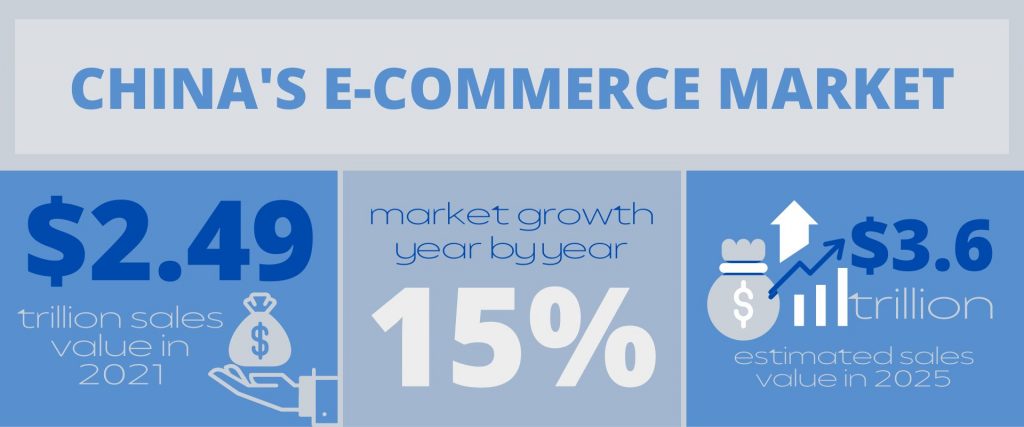
China sold close to 16 trillion yuan online in 2025. That number proves the buyers exist. It does not tell a founder where to start, what a store costs, or why a new Tmall shop can sit silent for six months. Those are the questions we hear every week in Shanghai, and they are the questions this page answers.
We have written about Chinese e-commerce for years, one platform or one problem at a time. Many of those pieces were hard to find. Here they are in one place, sorted by the question a small brand actually asks, with a short note on what each one gives you and one line taken straight from it.
Jon Wang is the founder of SEO Agency China, a small team in Shanghai working with foreign SMEs and startups. He has opened cross-border stores on Tmall Global and JD for small brands and plans their festival seasons every year.
What this guide covers
- How big is China e-commerce in 2026, and is it too late for a startup?
- Which platform should a small foreign brand start on?
- Tmall and Taobao: what does a store really take?
- JD, Pinduoduo, Vipshop and Kaola: is there life beyond Alibaba?
- Can you sell in China without a Chinese company?
- Douyin, Xiaohongshu and livestream: where demand is built
- Shopping festivals: how do Double 11, 618 and promotions work?
- Payments, logistics and fulfilment: the operational basics
- What sells online in China? Category guides
- FAQ
China e-commerce in numbers (2025-2026)
| Fact | Source |
|---|---|
| Online retail sales reached 15.97 trillion yuan in 2025, up 8.6%. Physical goods sold online made up 26.1% of all retail sales of consumer goods. | National Bureau of Statistics of China, 19 January 2026 |
| Cross-border e-commerce imports and exports reached about 2.75 trillion yuan in 2025, up 69.7% on 2020 (preliminary customs data). | Jiemian News, citing China Customs, January 2026 |
| 2,415 overseas brands opened a new store on Tmall Global in 2025. The platform hosts more than 40,000 brands from over 110 countries and regions. | 36Kr Japan, 16 February 2026 |
| Double 11 2025: total online sales of 1.695 trillion yuan, up 14.2%. Instant retail (delivery within the hour) made 67 billion yuan, up 138.4%. | Southern Metropolis Daily, citing Syntun data |
| New Measures for the Supervision of Livestream E-Commerce took effect on 1 February 2026, covering platforms, livestream room operators, hosts and MCN agencies. | Cyberspace Administration of China, 7 January 2026 |
| Rural online retail sales passed 3 trillion yuan for the first time in 2025, up 6.7% year on year. | Beijing News, citing Ministry of Commerce data |
Read the sections in order if you are starting from zero: market first, then platform choice, then the store, then traffic. If you already know your platform, jump to its section. Each entry tells you who the article is for. The FAQ at the end answers the questions founders ask us most, in a few lines each.
How big is China e-commerce in 2026, and is it too late for a startup?
The market is huge but mature. Growth now comes from taking share, not from riding a wave. These six articles explain what that means for a small brand with a small budget.
How Big Is China's E-commerce Market Really? (2026)

Short and blunt. It takes the 15.97 trillion yuan headline and shows why it matters less than one narrow question: does your buyer find you or your competitor? Good reading for a founder deciding whether China is worth the effort at all.
When a market matures, the game shifts to who gets found and who gets trusted.
Read the full article: How Big Is China's E-commerce Market Really? (2026)
China's e-commerce top 10 Trends 2024
Ten trends for 2026, written for busy founders: brand-run livestream rooms, instant retail, AI hosts, content before listings. Each trend comes with what a foreign brand should actually do. A fast way to update a China plan written two years ago.
Discounts still pull traffic, but a low price with no reviews and no content behind it does not convert anymore.
Read the full article: China's e-commerce top 10 Trends 2024
eCommerce in China: Online Shopping Statistics and Consumer Behavior (2026)


The statistics page: online retail growth in early 2026, category splits, mobile share, livestream and platform shares. Useful for a pitch deck or an internal memo. The closing advice for small brands is simple: one marketplace, one social channel.
Pick one marketplace and one social channel that match your category, then add cross-border only if you sell imported goods.
Read the full article: eCommerce in China: Online Shopping Statistics and Consumer Behavior (2026)
Selling on China's Ecommerce Platforms Through a Slowdown

For brands spooked by headlines about a consumer slowdown. Buyers do not stop buying when times are tight, they get choosier. That shift helps a focused brand with a clear reason to be chosen, and hurts the loud, cheap ones.
When times are tighter, consumers do not stop buying, they become more careful, favouring products and brands they trust and that feel worth the money.
Read the full article: Selling on China's Ecommerce Platforms Through a Slowdown
How AI is Changing the Way Brands Sell on Tmall, JD and Douyin in 2026

How AI now runs search, recommendations, pricing and customer service on Tmall, JD and Douyin. Practical for anyone writing product listings: fill every attribute, edit AI copy by hand, and test video openings on Douyin every week.
Brands that stuff keywords into product titles without thinking about intent now rank lower than before.
Read the full article: How AI is Changing the Way Brands Sell on Tmall, JD and Douyin in 2026
The wave of e-commerce in China expands to the countryside!

Rural China crossed 3 trillion yuan in online retail in 2025, with livestream driving farm sales. A useful read if your product fits lower-tier towns, and a reminder that China is not only Shanghai and Beijing.
A farmer with a phone can sell oranges, tea or honey to buyers a thousand miles away, in real time, with no middleman.
Read the full article: The wave of e-commerce in China expands to the countryside!
Which platform should a small foreign brand start on?
There is no single Amazon in China. Each platform has its own buyer, fees and rules, and the choice is also a positioning decision. Start here before you sign any contract.
Chinese eCommerce Platforms: Guide to The Most Popular Online Marketplaces in China
The overview of the main marketplaces: Taobao, Tmall, Tmall Global, JD, JD Worldwide, Suning, Gome and Vipshop, with who shops where. Some figures are dated, but the map of who does what still helps a newcomer.
Tmall, JD, Pinduoduo and Douyin each have a different buyer, fee and rule.
Read the full article: Chinese eCommerce Platforms: Guide to The Most Popular Online Marketplaces in China
My Top 4 E-Commerce in China: Tmall, JD, Douyin & Xiaohongshu (RED) Explained


A one-page comparison of Tmall, JD, Douyin and Xiaohongshu by buyer, strength and budget stage. Founders who want a quick answer to 'where do I start' get a simple rule: credibility on Tmall or JD, speed on Douyin, trust on RED.
It's China's most trusted platform for lifestyle discovery, especially for imported and boutique brands.
Read the full article: My Top 4 E-Commerce in China: Tmall, JD, Douyin & Xiaohongshu (RED) Explained
Tmall vs Taobao: What's the Difference?
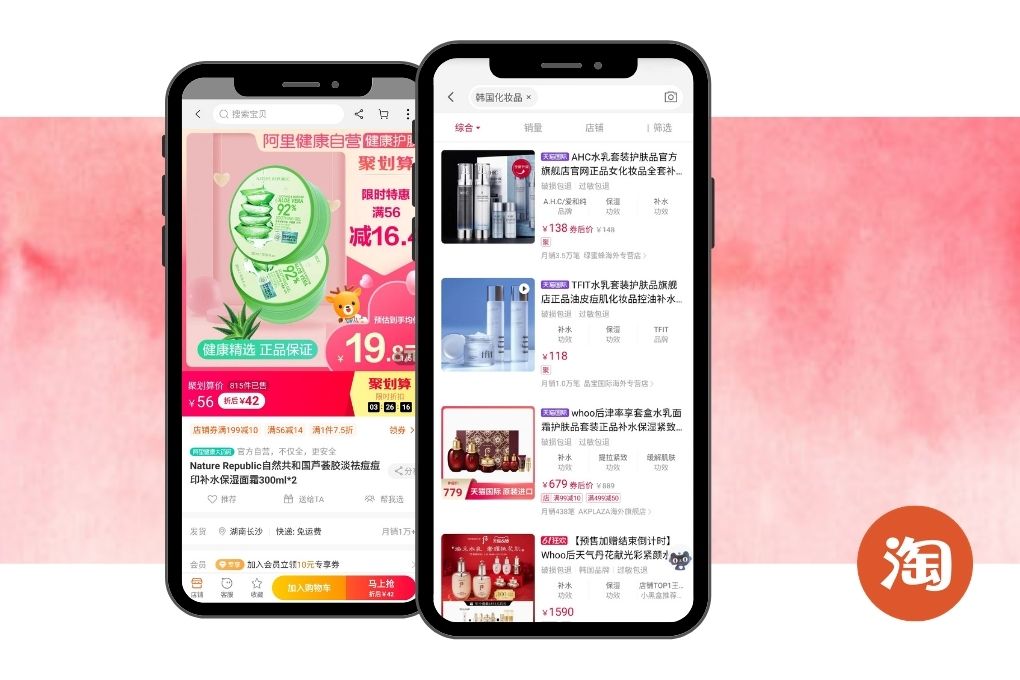
Tmall and Taobao belong to the same group but send very different signals. This piece explains who can sell on each, what shoppers expect, and why a newer brand may start lighter before paying for a full Tmall presence.
In simple terms, Taobao is the open bazaar and Tmall is the brand mall.
Read the full article: Tmall vs Taobao: What's the Difference?
JD.com vs Tmall: Which Platform is Right for Your Brand in 2026?


JD against Tmall in 2026: buyer profile, deposits and fees side by side, and the categories where each wins. The price rule is handy for any product above or below RMB 500, and the advice not to open both at once saves budget.
If your product is above RMB 500 and quality is your differentiator, start with JD.
Read the full article: JD.com vs Tmall: Which Platform is Right for Your Brand in 2026?
JD vs Pinduoduo: What E-Commerce Platform Choice Means for Your Brand

JD and Pinduoduo sit at opposite ends of Chinese shopping. Read it if a sales rep is pushing you onto a price-led platform: it explains why the same product can win on one and die on the other.
Being premium on JD while dumping the same product cheap on Pinduoduo can confuse buyers and damage the brand you are trying to build.
Read the full article: JD vs Pinduoduo: What E-Commerce Platform Choice Means for Your Brand
Chinese E-Commerce Platforms Want to Build Your Brand. Should You Let Them?

Tmall, JD, Pinduoduo and Douyin all now offer traffic subsidies and launch programs. Jon's view after applying for them with small brands: the money multiplies demand, it does not create it. Includes a worked example of a baby-food launch.
For most small foreign brands that means one content platform to build demand (usually Xiaohongshu or Douyin) and one store to capture it (Tmall or JD).
Read the full article: Chinese E-Commerce Platforms Want to Build Your Brand. Should You Let Them?
Amazon's China Strategy: No Marketplace, Just a Tmall Store


Amazon closed its China marketplace in 2019 and opened a store on Tmall Global instead. The lesson for a small brand: go where buyers already shop, and use your own Chinese website for trust, not for checkout.
It stopped trying to own the mall and rented the best window inside the mall everyone already visits.
Read the full article: Amazon's China Strategy: No Marketplace, Just a Tmall Store
Tmall and Taobao: what does a store really take?
Alibaba is still the default door for most brands. These five articles cover store types, real costs, the Tmall Partner question, and why Taobao is closed to most foreign companies.
How To Open a Tmall Store? Step-by-Step Guide

Step by step through Tmall and Tmall Global: the three store types (flagship, specialty, authorized), the documents, the fees and the 72-hour shipping rule. Useful for a team preparing its application file and wondering which store type it can claim.
Tmall Global allows companies to sell directly to consumers in China, without the need for a physical presence, Chinese business license or Chinese bank account.
Read the full article: How To Open a Tmall Store? Step-by-Step Guide
How Much Does a Tmall Store Cost, and Is It Worth It?

What a Tmall store costs beyond the deposit: annual fee, commissions, operations, content and the marketing that brings people in. Read it before budgeting, because most founders plan for the fees and forget the demand.
Pay for the store and nothing else, and you have bought a costly listing.
Read the full article: How Much Does a Tmall Store Cost, and Is It Worth It?
Do You Need a Tmall Partner (TP) in China?
Do you need a Tmall Partner (TP)? A short answer for small brands: usually yes at the start, but pick a partner your size, and keep the demand side in your own hands. The TP runs the shop, it does not fill it.
If you have a capable Chinese-speaking e-commerce team, you can run it yourself and save the fee.
Read the full article: Do You Need a Tmall Partner (TP) in China?
Sell on Taobao: How To Open A Taobao Store?

Opening a Taobao store: requirements, Chinese ID and bank account, commissions, and the real problems once the shop is live. Read it to understand why most foreign companies cannot open on Taobao without a local entity or partner.
Taobao also requires sellers to have a Chinese bank account which needs to be connected to their Taobao store.
Read the full article: Sell on Taobao: How To Open A Taobao Store?
What Niche Brands Can Gain From Taobao Boutiques


Taobao boutiques show that a narrow niche can be a real business in China. Written for design-led and niche brands: clear identity, consistent presentation, community, and traffic pulled in from Xiaohongshu rather than bought inside the marketplace.
On Taobao, being small and specific is not a weakness, it can be the whole advantage.
Read the full article: What Niche Brands Can Gain From Taobao Boutiques
JD, Pinduoduo, Vipshop and Kaola: is there life beyond Alibaba?
Alibaba is not the only route in. JD sells on trust and logistics, Pinduoduo on price, Vipshop on flash sales, Kaola on imports. Each suits a different kind of brand.
Practical Guide to JD eCommerce for Small & Medium-Sized Brands

The practical JD guide for small and mid-size brands: the three sales models, store types, registration steps and why the timing works in 2025-2026. A good first read if your product sells on quality and fast delivery.
In short, JD is actively courting foreign sellers, and cross-border lets you start without a Chinese entity.
Read the full article: Practical Guide to JD eCommerce for Small & Medium-Sized Brands
What Pinduoduo's Rise Teaches Foreign Brands About Value and Lower-Tier China
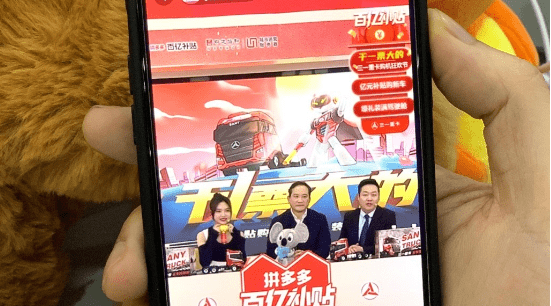
What Pinduoduo's rise teaches a foreign brand: lower-tier China is huge, value drives a large slice of buyers, and social sharing beats paid attention. The lesson is not to go cheap, but to look where competitors do not.
The country is many markets at once, and the one everyone is fighting over may not be the one where you can actually win.
Read the full article: What Pinduoduo's Rise Teaches Foreign Brands About Value and Lower-Tier China
How to sell on Vip Shop? (Vip.com)- China's biggest flash sales marketplace

How Vipshop and Vip International work: flash sales of branded goods, often from excess stock, at deep discounts. Useful for fashion and beauty brands with surplus inventory. Some company figures date from 2022, so check current ones.
The company's business model is to purchase products from excess inventory, add a markup and sell at deeply discounted prices.
Read the full article: How to sell on Vip Shop? (Vip.com)- China's biggest flash sales marketplace
Selling on Kaola: A Guide to Cross-Border E-Commerce in China

Kaola as one of several cross-border channels built for imported goods. The real point: pick the channel that fits your product and stage, not the biggest name, and build demand alongside it so the store has buyers to serve.
Kaola sits in this space, focused on imported goods, with the bonded-warehouse and logistics systems behind it that make cross-border practical.
Read the full article: Selling on Kaola: A Guide to Cross-Border E-Commerce in China
Can you sell in China without a Chinese company?
Yes, through cross-border e-commerce. Goods ship from abroad or a bonded warehouse and clear customs as personal imports. These eight articles cover the platforms, the costs and the limits.
Cross-Border E-Commerce in China: The Low-Risk Way In for Small Brands
The low-risk door for small brands, explained simply: what cross-border is, why it suits a tight budget, the usual mistake of opening and waiting, and where its limits are. The best first read in this section.
The key advantage is that you can sell and learn before you fully commit.
Read the full article: Cross-Border E-Commerce in China: The Low-Risk Way In for Small Brands
How to Sell on Tmall Global (Done by experts)

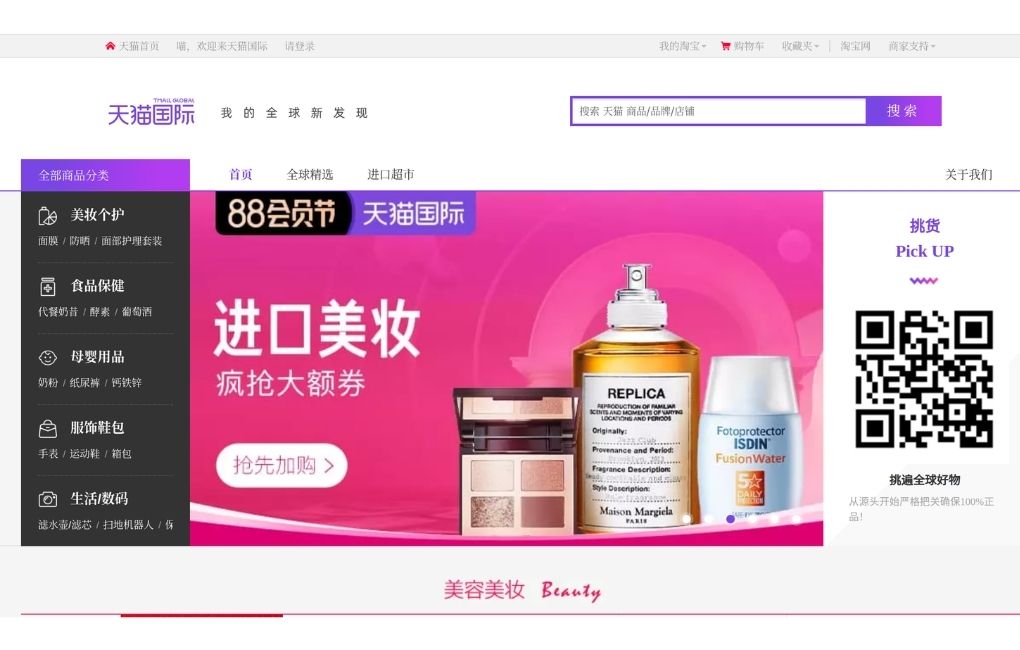
Selling on Tmall Global in 2026: eligibility, store formats, commission and deposit ranges, and an honest comparison with Douyin and RedNote. Written by someone who has set up these stores for smaller brands, so it flags what wastes money.
Your company must be registered outside mainland China, with a real trading history.
Read the full article: How to Sell on Tmall Global (Done by experts)
Enter China via Cross-Border: JD Worldwide vs Tmall Global

Tmall Global or JD Worldwide? A short decision guide: reach and lifestyle categories on one side, trust and authenticity on the other. It also covers when to move to a mainland setup later, and why not to wait for the perfect structure.
If you grow large, you may later want a mainland setup for more control and lower per-unit cost.
Read the full article: Enter China via Cross-Border: JD Worldwide vs Tmall Global
Why JD Worldwide Works Well for Cross-Border Sellers


Why JD Worldwide works for imported goods: buyers trust it on authenticity and delivery, which helps an unknown foreign brand. Read it if fakes are a worry in your category, or if your product is premium and easy to copy.
When Chinese shoppers buy imported goods, their biggest worry is whether the product is real, because the market has seen plenty of fakes.
Read the full article: Why JD Worldwide Works Well for Cross-Border Sellers
JD Worldwide Agency E-Commerce Plateform Management

Running a JD Worldwide store through an agency: buyer profile, what the agency handles, payment terms and the marketing budget the platform will not provide. Short and practical for a brand about to apply and comparing service quotes.
JD typically settles on 30-day payment terms in USD for cross-border sellers.
Read the full article: JD Worldwide Agency E-Commerce Plateform Management
China Cross-Border E-Commerce Market

The cross-border market as a whole: main platforms, popular sectors, export methods, taxes and hidden costs like storage and returns. Use it to build a first cost sheet. Several market figures are older, so treat them as context.
The cost of doing e-commerce in China covers storage fees as well as taxes on goods like VAT and customs duties.
Read the full article: China Cross-Border E-Commerce Market
Cross-Border E-Commerce Platforms in China: Choosing the Right One
How to choose among cross-border platforms, Suning Global included, with the 2.38 trillion yuan trade figure and the 26-35 buyer profile. The advice: match the channel to your product, test with a light setup, then expand when numbers justify it.
For the brand, they are a lower-barrier way in, which is exactly why they matter so much to smaller companies without deep pockets.
Read the full article: Cross-Border E-Commerce Platforms in China: Choosing the Right One
Find Distributors in China: E-Commerce First, or You’re Already Late


For brands hoping a distributor will do the work. Chinese distributors want proof of demand first: Tmall listings, Xiaohongshu reviews, sales data. Going e-commerce first gives you that proof and a better negotiating position, as one skincare case shows.
Truth is, distributors need you to have demand before they invest in you.
Read the full article: Find Distributors in China: E-Commerce First, or You’re Already Late
Douyin, Xiaohongshu and livestream: where demand is built
Chinese buyers discover products in feeds, not search bars. These articles cover selling on Douyin, low-cost demand on Xiaohongshu, and livestream done properly, including the 2026 rules.
Douyin E-Commerce Explained: Opening a Douyin Store

Opening a Douyin store: why Douyin creates demand rather than waiting for searches, how flagship stores work, and the requirements for cross-border sellers. A starting point for brands with a visual product that looks good in a 15-second clip.
A user watches a cooking video, sees a product used in it, and buys it without leaving the app.
Read the full article: Douyin E-Commerce Explained: Opening a Douyin Store
Douyin E-commerce: Best Platform in 2025 to Sell in China?


Douyin e-commerce tools (Douyin shop, Ocean Engine ads) and a long section on picking KOLs by data rather than follower count. Practical for teams planning their first influencer campaigns on a limited budget and worried about paying for fake reach.
Most high-performing KOLs (especially those with under 50k followers) are not listed on official platforms like Douyin's Star Map.
Read the full article: Douyin E-commerce: Best Platform in 2025 to Sell in China?
How To Integrate Douyin Supermarket?


Douyin Supermarket moves everyday grocery and FMCG buying into short video. The setup steps, deposit and 5% commission are covered, plus the usual hurdles with documents and credibility. Relevant for food, drink and household brands with repeat purchases.
Douyin Supermarket is a big shift: everyday grocery and FMCG buying moving into short video and shelf e-commerce inside the app.
Read the full article: How To Integrate Douyin Supermarket?
Douyin E-Commerce Slow Down (traffic costs keep rising)

Douyin traffic is getting expensive. Fashion and makeup still convert fast, skincare needs trust and education. A clear read on the new split: Douyin for discovery, Tmall and JD for repeat buying and premium positioning.
Douyin is becoming the main discovery engine: the place where trends are born, hero products get amplified, and new brands gain quick visibility.
Read the full article: Douyin E-Commerce Slow Down (traffic costs keep rising)
LittleRedBook (XiaohongShu) is a Low Cost E-Commerce in China
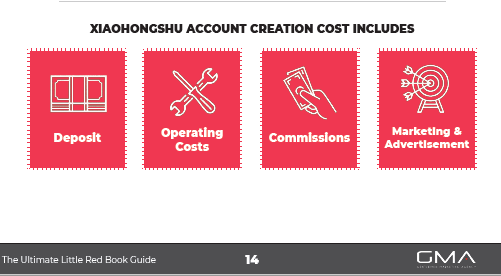

Why Xiaohongshu is a low-cost entry point: organic reach, search inside the app, small creators, and in-app shops. Good for founders who cannot afford big ad budgets and want to test interest first. Some case numbers come without named sources.
Xiaohongshu's algorithm prioritizes authentic, high-quality content over paid promotions, allowing brands to gain visibility without heavy ad spending.
Read the full article: LittleRedBook (XiaohongShu) is a Low Cost E-Commerce in China
E-commerce live streaming in China: Guide for Brands
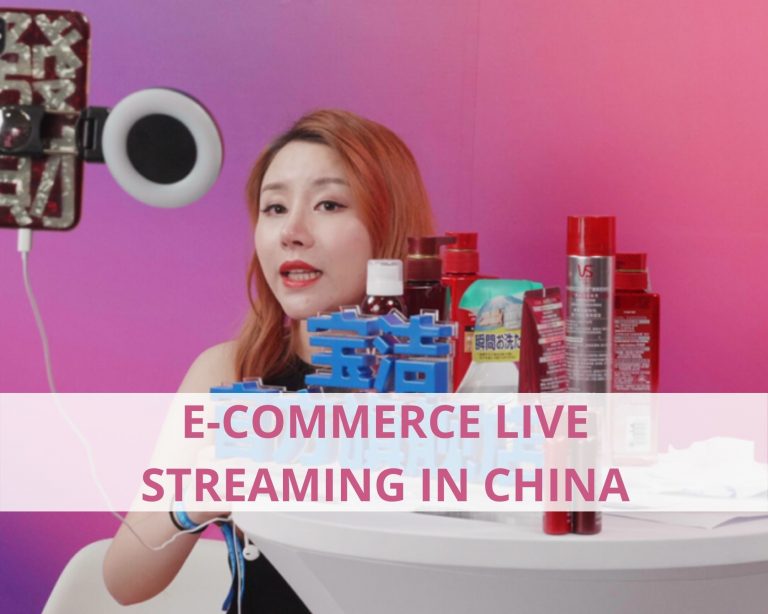

Live commerce trends for brands: AI hosts, short-video-to-live funnels, brand-owned rooms replacing paid KOL sessions, and cross-border live selling. The older half of the piece adds history and case examples, from beauty hosts to city officials selling tourism.
Store-owned live rooms overtaking KOL deals: more brands are building their own branded live rooms rather than paying KOLs per session.
Read the full article: E-commerce live streaming in China: Guide for Brands
Livestream E-Commerce in China: The Evergreen Guide


The evergreen guide to livestream for a foreign brand: why the celebrity-host spike rarely builds a business, how to match host to buyer, check the real economics, and keep the trust after the stream ends.
A smaller host whose audience is genuinely your customer beats a giant whose viewers do not care about your category.
Read the full article: Livestream E-Commerce in China: The Evergreen Guide
China's New Livestream Rules Make Your Chinese KOL Legally Liable

The 2026 livestream rules make influencers legally liable for claims, and close KOL livestreams for health food, drugs and medical devices. Essential for supplement and wellness brands planning China campaigns, with a three-step checklist to audit claims and contracts.
Every claim you intend a Chinese influencer to make now needs a document behind it: a test result, a certification, a number from the label.
Read the full article: China's New Livestream Rules Make Your Chinese KOL Legally Liable
Shopping festivals: how do Double 11, 618 and promotions work?
Festivals still move a large share of yearly sales, but they are won weeks before the date. Three articles on the calendar, platform strategies and discount mechanics.
China Ecommerce Festivals 2026: Double 11 Dates, 618 and the Full Sales Calendar


The 2026-2027 festival calendar with confirmed Double 11 dates for Tmall and JD, prep windows, and the categories that win each event. Includes a small-brand example showing why buyers must know you before pre-sales open.
So if a buyer discovers your brand on the morning of 11 November, you have already lost them.
Read the full article: China Ecommerce Festivals 2026: Double 11 Dates, 618 and the Full Sales Calendar
Double 11: Strategies of Top E-Commerce players in China
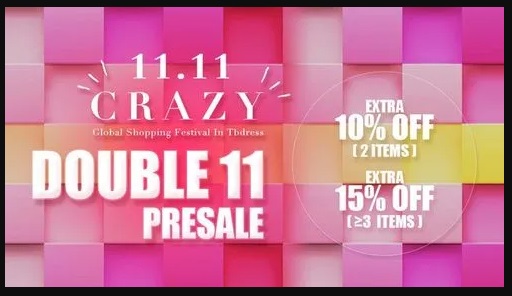
How Taobao, Tmall, JD, Douyin, Xiaohongshu and Kuaishou ran their Double 11 programs: subsidies, discount rules, traffic support. Useful to understand what each platform rewards before you sign up for a campaign, and which tricks hurt margins.
Whether you are big or small, the strategy matters more than the discount.
Read the full article: Double 11: Strategies of Top E-Commerce players in China
Tmall Promotions: How They Actually Work (With a Double 11 Example)


How Tmall discounts stack (platform discount, 88VIP coupons, store coupons, pre-sale deposits) and a worked example of one knife brand across two Double 11s. Read it before you agree to any festival pricing, then build your price from the bottom up.
If nobody is aware of your brand and nobody trusts it, a discount just means selling nothing at a lower price.
Read the full article: Tmall Promotions: How They Actually Work (With a Double 11 Example)
Payments, logistics and fulfilment: the operational basics
Checkout and delivery decide whether interest turns into orders. Three articles on mobile payments, cross-border logistics models and JD’s fulfilment service.
Mobile Payments and the End of Cash in China: What It Means for Your Brand

Why a foreign checkout loses Chinese buyers, and how WeChat Pay and Alipay connect payment to membership and repeat orders. Important for any brand planning its own store or mini-program rather than a marketplace that handles payment for it.
Payment is not the last step of the sale, it is part of the trust.
Read the full article: Mobile Payments and the End of Cash in China: What It Means for Your Brand
How To Choose The Best China Logistic Solution For Your Brand Entry?

Choosing a logistics model for China: direct import or bonded warehouse, the main carriers, taxes, and how to size your needs. Useful for operations managers building the first supply plan and comparing cross-border logistics partners on cost and speed.
Logistics is the unglamorous part that quietly decides your success: pick the wrong model and your margin and delivery times suffer.
Read the full article: How To Choose The Best China Logistic Solution For Your Brand Entry?
Fulfilment by JD(FBA): Almost no Fees for Brands in China


JD's fulfilment service handles storage, delivery and much of the store work for brands. Read it to weigh the fee structure against a 3PL, and remember that JD still will not build your brand awareness for you.
One of the major mistakes would be to rely solely on the platform for visibility.
Read the full article: Fulfilment by JD(FBA): Almost no Fees for Brands in China
What sells online in China? Category guides
Health, beauty, food, home and premium goods each follow different rules online. These guides show what sells and how brands in each category set up.
Top 5 Best Selling Brands on Tmall Global in 2026

The top five sellers on Tmall Global in 2026 (Nintendo, Coach, Swisse, Misttine and more) and four lessons: health and baby beat luxury, origin matters less than fit, and small specific products win. A good reality check before choosing your hero product.
With 850 new brands arriving in six months, opening a Tmall Global store is now the easy step.
Read the full article: Top 5 Best Selling Brands on Tmall Global in 2026
What are the e-commerce beauty trends in China?
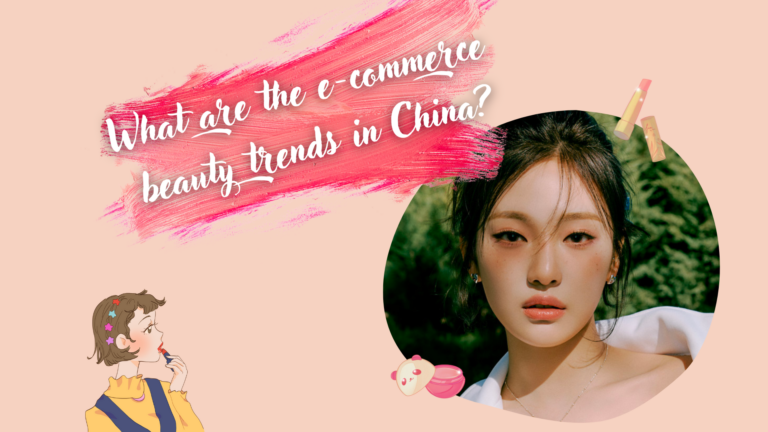

Beauty e-commerce trends: skincare first, KOL tutorials, bolder makeup, local brands rising. A useful read for cosmetics founders mapping where discovery, conversion and trust happen across Chinese platforms, and how local competitors price against imports.
E-commerce beauty here moves fast: discovery on Xiaohongshu, selling on Douyin live, trust on Tmall.
Read the full article: What are the e-commerce beauty trends in China?
Household Goods in China: Why 80% of Sales Now Happen Online

Household goods sell over 80% online in China. Platform split, live demos, and the mistakes foreign brands make: wrong product sizes for small apartments, heavy styles, ignoring gifting seasons. Written for home, kitchen and cleaning brands sizing up the market.
Foreign brands routinely ship their European or US product range into China without adapting dimensions.
Read the full article: Household Goods in China: Why 80% of Sales Now Happen Online
Cross Border E-Commerce for Food in China
Selling food through cross-border: the main platforms, fresh food demand, food safety and labelling rules, and promotion tactics around festivals. A solid starting point for food and drink exporters who want to test China before registering products for general trade.
Cross-border e-commerce is the smart first step: lighter rules, no local entity, and a real way to test if Chinese buyers want your product.
Read the full article: Cross Border E-Commerce for Food in China
Cross-Border E-Commerce for Imported Food in China


The rules for imported food via cross-border: positive list, tax rate, annual cap per buyer, labelling, facility registration. Written in a casual tone, but the checklist is useful for food SMEs checking whether their product can ship this way.
Prepackaged food needs Chinese labels at import, but CBEC flexes: Overseas pack okay if platform adds digital info (QR codes for ingredients, allergens).
Read the full article: Cross-Border E-Commerce for Imported Food in China
Whisky on Tmall: HUGE Potential

Whisky on Tmall: why buyers want official stores, how to choose between Tmall and Tmall Global, compliance papers, and how Douyin builds interest that Tmall converts. For spirits brands and their importers planning a first year with a sample launch plan.
E-commerce trust: consumers prefer buying from verified "official stores" on Tmall or JD to avoid fake alcohol.
Read the full article: Whisky on Tmall: HUGE Potential
Top 5 Wellness Products on Tmall

Five wellness categories that sell on Tmall (essential oils, supplements, recovery devices, sleep aids, herbal teas) and the store setup that works for them. Useful for wellness brands testing China via Tmall Global with a few hero products first.
Consumers like to see lab results, origin, and dosage guidance in Chinese.
Read the full article: Top 5 Wellness Products on Tmall
Top Beauty Products on Tmall


Top beauty product types on Tmall and a long checklist for beauty brands: hero SKUs, trial kits, tutorials, festival bundles, RedNote seeding. Practical for a skincare or makeup launch where the first order depends on trust and a low-risk trial size.
If you include clear tutorials (video, step-by-step usage, safety, order of layering), they feel safer to buy.
Read the full article: Top Beauty Products on Tmall
Chocolate on Tmall in China: Pros & Cons


Chocolate on Tmall: premium and dark chocolate trends, leading brands, why e-commerce beats a classic distributor deal, and a sample launch plan for a small artisan maker using Tmall Global, a bonded warehouse and three hero SKUs.
Small formats & sampling packs perform better than large bars, because many Chinese consumers prefer to try new flavors in smaller portions.
Read the full article: Chocolate on Tmall in China: Pros & Cons
Top 5 E-Commerce Platforms to Sell Luxury in China (2026)

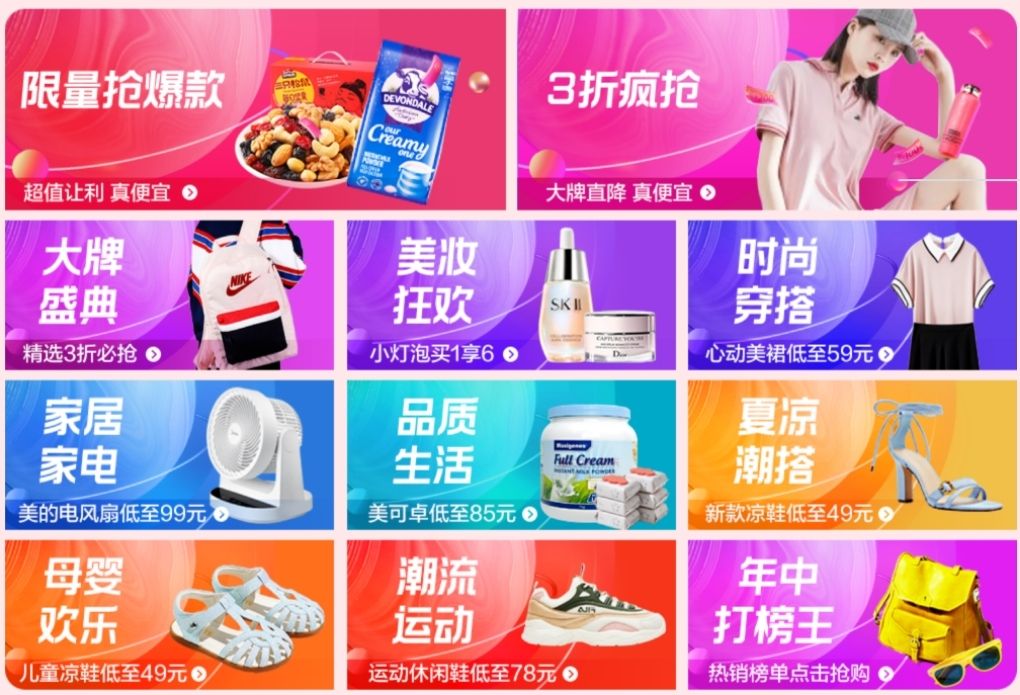
Where luxury sells online in China: Tmall Luxury Pavilion, JD, Douyin, Xiaohongshu, Vipshop and WeChat. It includes 2025 market data and trends for smaller and challenger luxury brands that want presence online without cheapening the label.
At the same time China's secondhand luxury market grew 15% to 20%, a sign that younger buyers care about value and resale, not just the logo.
Read the full article: Top 5 E-Commerce Platforms to Sell Luxury in China (2026)
Why Secoo Died, and What It Teaches Luxury Brands in China

Secoo was meant to own luxury e-commerce in China, then collapsed. A short case study for premium brands: use platforms for reach, but own your direct channels and reputation, so one platform failing cannot take your business down with it.
Do not outsource your customer relationship and your brand control to a platform that can fail or turn against you.
Read the full article: Why Secoo Died, and What It Teaches Luxury Brands in China
Cash planning around a Chinese distributor
If the distributor buys at about a tenth of the shelf price, your revenue per unit is settled long before any consumer sees the product. Add the import costs, the contribution to distribution and the listing fees that the brand carries, and the first year is usually an investment rather than a margin. Knowing that at the quoting stage is the difference between a plan and a disappointment.
This comes from Jon Wang rather than from a published statistic. No official figure exists for it.
Frequently asked questions about selling online in China
Can a foreign company sell on Taobao?
Usually not directly. Taobao asks for a Chinese ID or a mainland business licence and a Chinese bank account, and it has no cross-border option. Foreign brands either work through a local partner or open on Tmall Global or JD Worldwide instead. Taobao can still make sense later, once you have a Chinese entity and a niche audience. See our Taobao store guide for the details.
Do I need a Chinese company to sell online in China?
Not to start. Cross-border e-commerce lets a company registered abroad sell to Chinese consumers through Tmall Global, JD Worldwide and similar platforms. Goods ship from overseas or from a bonded warehouse and clear customs as personal imports. You need a trademark, a trading history and products on the cross-border list. A mainland entity becomes useful later, for domestic Tmall, Taobao or offline retail. Read the low-risk way in for small brands.
How much does it cost to open a Tmall Global store?
Expect a refundable deposit, an annual service fee and a commission of roughly 2% to 5% per sale, plus about 1% for Alipay. The deposit depends on store type and category, and Tmall Global has cut it for some new merchants. Then add operations, content and marketing, which usually cost more than the platform fees. Plan both together, as explained in our Tmall cost breakdown.
Which is better for a startup, Tmall or JD?
It depends on the product. JD buyers are more urban, more male in some categories and pay for authenticity and fast delivery, so it suits electronics, appliances, premium food and supplements. Tmall has wider reach and dominates fashion, beauty and baby products. A simple rule: above RMB 500 with quality as your edge, look at JD first. Start on one, not both. See JD.com vs Tmall.
What is the best e-commerce platform in China for a small brand?
For most small foreign brands, one content platform to build demand and one store to capture it. Xiaohongshu or Douyin create the interest. Tmall Global or JD Worldwide take the order. Platform subsidies and launch programs only help once people already search your name. Read why platforms will not build your brand for you.
Is Douyin a good place to start selling in China?
For visual products with a clear use, yes. Douyin creates demand through short videos and livestreams, and cross-border sellers can now open stores without a mainland company. But traffic costs keep rising, and products that need trust, such as skincare, convert better after education and reviews. Many brands use Douyin for discovery and Tmall or JD for repeat purchases. Start with our Douyin store guide.
When is Double 11 in 2026, and when should a brand prepare?
Tmall pre-sales and deposits open on 15 October 2026. Final payments and spot sales run from 20 October at 20:00 to 13 November. JD opened on 12 October. Buyers build wish lists weeks before, so a small brand should start content and reviews in July or August. Showing up in November is too late. The full calendar is in our festival guide.
Is daigou still a way to sell in China?
It still exists, but it is no longer a strategy for a brand. Since China’s E-Commerce Law came into force in 2019, personal shoppers who resell online must register as e-commerce operators and pay tax, and many moved to cross-border platforms or social selling. Daigou also takes control of price and brand image away from you. For a small brand, an official cross-border store is safer and builds data you own.
Can a foreign brand sell on Pinduoduo?
Pinduoduo is built for domestic merchants and price-led shoppers, often in smaller cities, so most foreign brands with a premium story are better served by JD or Tmall. If you have a real volume product and margins that survive group-buying prices, its reach is large. Just do not sell cheap there and premium elsewhere. See JD vs Pinduoduo.
What changed for livestream selling in 2026?
Since 1 February 2026, China’s livestream e-commerce measures assign duties to platforms, room operators, hosts and their agencies. Influential hosts can be treated as advertising endorsers, liable for claims they make. Drugs, health food, special medical food and medical devices are in practice closed to influencer livestreams. Every claim now needs a document behind it. Details in our analysis of the new rules.
Are Vipshop and Kaola worth it for a small brand?
They can be, for the right product. Vipshop runs flash sales of branded goods at deep discounts, which suits fashion and beauty brands clearing surplus stock, less so a new brand building its price. Kaola focuses on imported goods inside Alibaba’s cross-border system. Treat both as second channels after a main store works. Read how Vipshop works.
Selling online in China with a small team behind you
We help startups and small foreign brands choose the right first store, set up cross-border on Tmall Global or JD Worldwide, and build the demand that fills it: Xiaohongshu content, Douyin video and a Chinese presence that holds up when buyers check you on Baidu. We work with tight budgets and report real sales, not vanity numbers. See our cross-border e-commerce service, or tell us what you sell and we will tell you where to start.
Last updated: October 2026. This guide is reviewed when new articles are published on the topic.
Non Stop innovation in China… When technology stops feeling novel and starts feeling ordinary, adoption accelerates. China appears to be crossing that threshold faster than most markets….