
How to Find a Distributor in China: 64 Guides by Sector (2026)
Updated
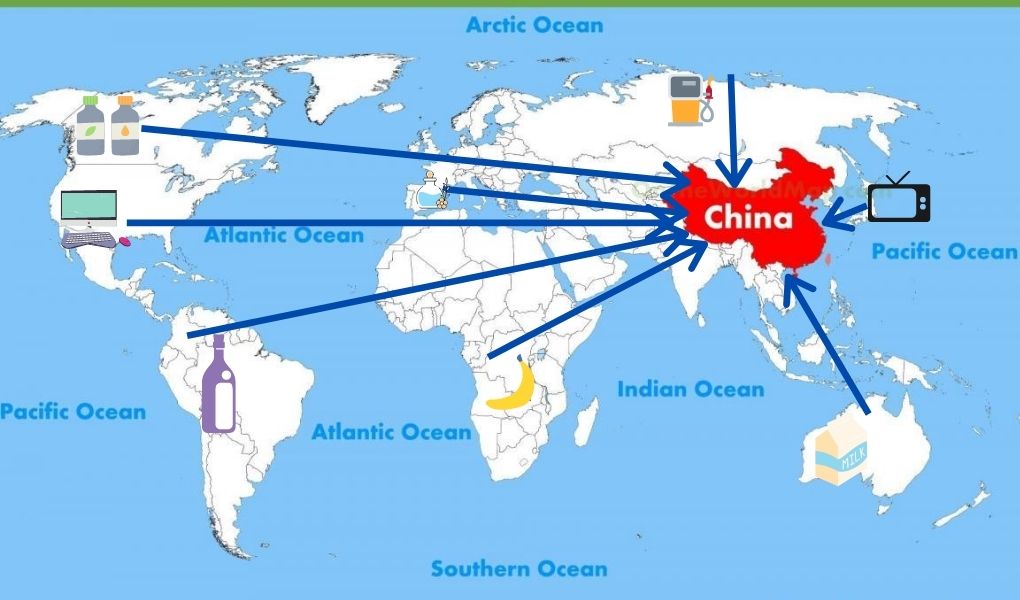
How to find a distributor in China comes down to four steps: pick the region and channel first, build visible demand in Chinese, shortlist importers through trade fairs, B2B platforms and referrals, then check each one in the official company registry before you sign. Chinese distributors carry brands that buyers already ask for. A good product with no Chinese presence rarely gets a reply.
I run a small team in Shanghai, and most of the export managers who call us have already sent a hundred emails to distributors. The usual problem is not the list of names. It is that the distributor searched the brand on Baidu, found nothing in Chinese, and moved on. The second problem comes later: a contract signed too fast, with national exclusivity and no sales target.
This page collects every guide we have published on Chinese distributors and importers. Some are general: how to approach a partner, how to read a contract, how long a first shipment takes. Most are sector guides, because a wine importer, a meat buyer and a medical device agent do not work the same way. They are grouped by product family below.
Jon Wang is the founder of SEO Agency China, a small team in Shanghai working on Chinese search and lead generation for foreign brands. He spends a good part of each month in meetings with importers and distributors, mostly in food, drinks and consumer goods.
What this guide covers
- How do you get a Chinese distributor to say yes?
- What should you settle before signing and shipping?
- Which cities and retail channels should your partner cover?
- Meat and seafood: who imports, and which approvals come first?
- Fruit, grocery and ingredients: where do importers find new suppliers?
- Wine: how do you reach an importer in a shrinking market?
- Beer, spirits and soft drinks: what do drinks distributors want?
- Beauty, health, pharma and pet: how do regulated products find a partner?
- Consumer goods and industry: how do you find resellers and agents?
- FAQ
Key numbers to know
| Fact | Source |
|---|---|
| China imported goods worth 18.48 trillion yuan in 2025, up 0.5% on 2024 (General Administration of Customs data, published 14 January 2026). | Yicai (第一财经) |
| The 8th China International Import Expo (November 2025) reported 83.49 billion US dollars of intended deals on a one-year basis, up 4.4%. | Xinhua (新华网) |
| 25.745 million new business entities were registered in China in 2025, which is why checking a distributor's registry record matters. | China News Service, citing SAMR |
| GB 7718-2025, the new label standard for prepackaged food, takes effect on 16 March 2027. | The Paper (澎湃新闻) |
| China's wine imports fell about 21% in 2025, to around 1.3 billion euros (Nomisma Wine Monitor). | Vinetur |
Read the first two sections whatever you sell: they cover how to get a distributor’s attention and what to settle before the first container. Then jump to your product family. If your category is regulated (meat, pharma, medical devices, pet food, connected devices), read the approval guide before you contact anyone, because no importer can sell what customs will not clear.
How do you get a Chinese distributor to say yes?
Distributors in China are selective because they take the stock risk. They check your brand online, your import readiness and your support plan before they answer. These guides explain what they look for and where to meet them.
How to deal with Chinese distributors (2026 update)

Start here if your China plan has been on hold for two years. Explains what a Chinese distributor checks before taking a call, and why visibility in Chinese now weighs as much as price and product quality.
They judge you on import rights, coverage, category fit, financial strength and how known your brand already is.
Read the full article: How to deal with Chinese distributors (2026 update)
Why Chinese Distributors Don’t Want to Work With You (and How to Fix It 😉 )


Written from the distributor's side of the table. Lists the gaps that make a buyer walk away, from untranslated catalogues to a slow foreign website, with a fix for each. Worth reading before any first email.
If your website is slow, hosted outside China, or only in English, you’re invisible to distributors.
Read the full article: Why Chinese Distributors Don’t Want to Work With You (and How to Fix It 😉 )
How to Reach Hundreds of Chinese Distributors (and Win Them)


For export managers planning to contact dozens of distributors at once. Shows why mass outreach produces signatures but no reorders, and how to build market pull so the partners you sign actually sell.
The mistake is not wanting to reach many distributors, it is assuming that reaching them is the same as winning them.
Read the full article: How to Reach Hundreds of Chinese Distributors (and Win Them)
Export to China: where should I start?
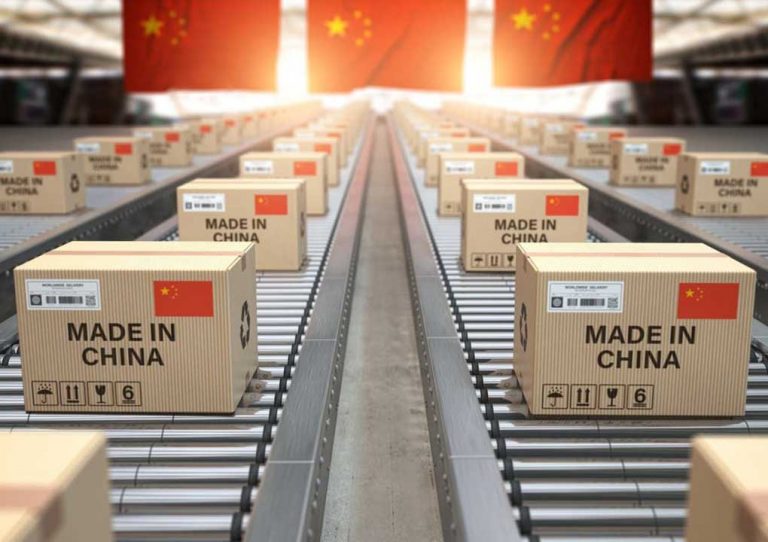

A ten-step checklist for a first export project: study competitor channels, choose the right trade show, use B2B platforms, negotiate, keep communication clear. Some market figures are dated, the method still holds.
Look at the distribution channels used by your competitors and analyze their effectiveness.
Read the full article: Export to China: where should I start?
USD 78 billion in deals at the China International Import Expo 2023 : a Record

Trade fairs still put buyers and sellers in one room. Covers the record deals at the 2023 import expo and why an expo lead converts only if the buyer finds you online in Chinese afterwards.
Chinese buyers and partners vet you online afterwards, on Baidu, Zhihu and your Chinese site.
Read the full article: USD 78 billion in deals at the China International Import Expo 2023 : a Record
How(and why) a Chinese Distributor partner with an Italian Brand in China


A real case: how S'Young International brought the Italian makeup brand Lord & Berry into China. Shows the order a distributor follows, online credibility first, offline retail second, so beauty brands can prepare.
For each brand in its portfolio, the process follows the same logic: build online credibility first, then push into offline retail.
Read the full article: How(and why) a Chinese Distributor partner with an Italian Brand in China
Interview of a Sport Distributor in China


An interview with a Chinese sports distributor, then the three problems sport brands meet and the fix for each. Good reading for gym, outdoor and fitness equipment makers chasing shelf space.
The honest issue with sport brands is this: distributors no longer want to do your marketing for you.
Read the full article: Interview of a Sport Distributor in China
What should you settle before signing and shipping?
Most failed partnerships go wrong on paper: a vague territory, no sales target, a label that customs refuses, a launch date nobody can hold. These guides cover the agreement, the calendar and the approvals that sit between a signature and a sale.
China Distribution: How to Find and Manage Distributors? (Done By expert)


The core management guide: territories, pricing, minimum quotas, payment terms, training and yearly performance reviews. Read it before drafting the distribution agreement, then reuse it for each review with your partner.
Negotiate pricing, profit margins, minimum sales quota, and payment terms with the distributor.
Read the full article: China Distribution: How to Find and Manage Distributors? (Done By expert)
Four Months to Your First Container: the Real China Food Import Timeline

The real calendar for a first food order: about four months from purchase order to sellable stock, then six to eight weeks per reorder. Helps you set a launch date your importer can actually meet.
It starts with a paper check, and skipping it is the single most expensive mistake in this whole process.
Read the full article: Four Months to Your First Container: the Real China Food Import Timeline
China's New Food Label Rules: What Importers Must Fix Before March 2027


Two rule changes hit imported food: new GACC registration rules since June 2026 and a new label standard in March 2027. Plain explanations for brands too small to keep a compliance lawyer.
If you sell food or drink into China, both of them land on your packaging and on your customs file.
Read the full article: China's New Food Label Rules: What Importers Must Fix Before March 2027
GB 7718-2025: The Label Rewrite Imported Food Needs Before March 2027
Biscuits, chocolate and sweets under GB 7718-2025. Lists the negative claims that disappear and where the sugar story moves instead. Useful when your distribution contract says who pays for new packaging.
If your sugar-reduction or clean-label story in China is built on "no added sugar", "no preservatives", "no artificial colours", that story needs rewriting before March 2027.
Read the full article: GB 7718-2025: The Label Rewrite Imported Food Needs Before March 2027
CCC, SRRC and NAL: Three Approvals a Connected Device Needs in China

For makers of connected devices: CCC, SRRC and NAL are three separate approvals from three bodies. Explains the order to get them, so a signed distributor is not left waiting on paperwork.
One does not substitute for another, and the order they come in decides your launch date.
Read the full article: CCC, SRRC and NAL: Three Approvals a Connected Device Needs in China
10 Mistakes Food Exporters Make in China

Ten short mistakes food exporters repeat in China, from cheap positioning to relying on one distributor. A quick audit list to run before a trade show or a first buyer meeting.
Most fail, not because their product is bad, but because they misunderstand the market rules.
Read the full article: 10 Mistakes Food Exporters Make in China
Food in China: 5 B2B Tips for Export Manager

Five B2B tips for food export managers: what distributors expect on supply, compliance and taste, and how to stay visible to them between orders with regular content in Chinese.
Stay on your distributors' radar by consistently delivering fresh content and updates right where they spend their time.
Read the full article: Food in China: 5 B2B Tips for Export Manager
Which cities and retail channels should your partner cover?
Giving one distributor the whole of China is the most common error we see. Territory and channel come first, then the partner. These guides cover city tiers, supermarket listing and the new channels that now move imported goods.
Chinese City-Tier System: Where Should You Sell?

Tier 1, new tier 1 and lower-tier cities explained, with how buyers differ between them. Use it to decide which territory a distributor gets first instead of handing over the whole country.
People in lower-tier cities will have different expectations, sales channels, and favorite platforms than people from the main Chinese cities.
Read the full article: Chinese City-Tier System: Where Should You Sell?
Distribution Strategies In China's Lower-Tier Cities
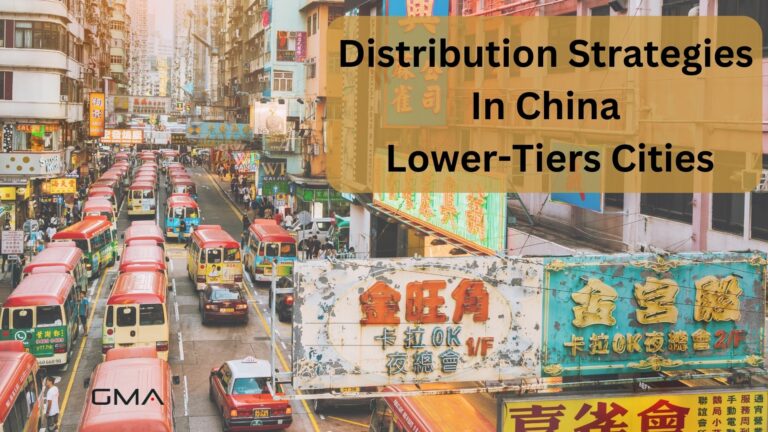
The lower-tier market, where Pinduoduo and Douyin sell more than malls. For brands weighing a regional distributor outside Beijing and Shanghai, with the channels that work in smaller cities.
It is cheaper to reach, less crowded, and hungry for new brands, if you use the right channels.
Read the full article: Distribution Strategies In China's Lower-Tier Cities
Aldi in China : How to Enter to the Discount Supermarkets Chains

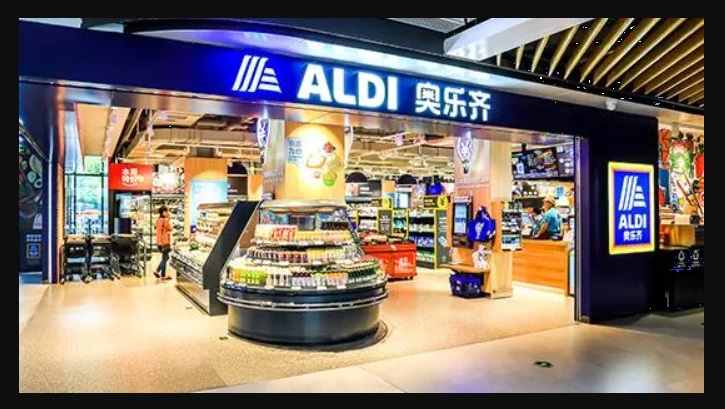
Aldi passed 100 stores in China in March 2026, almost all around Shanghai. Covers its short range, private label logic and what a supplier needs to get listed with a discount chain.
Aldi reached its 100th China store in March 2026, with 74 in Shanghai and 26 in Jiangsu province.
Read the full article: Aldi in China : How to Enter to the Discount Supermarkets Chains
How to sell to Chinese Supermarkets


How supermarket listing really works: buyers, fees, and why a product nobody searches for stays off the shelf. For food and household brands planning a retail push through an importer.
A buyer will not list a product no Chinese shopper has heard of.
Read the full article: How to sell to Chinese Supermarkets
How to Get Your Product Into Chinese Hypermarkets Like Auchan
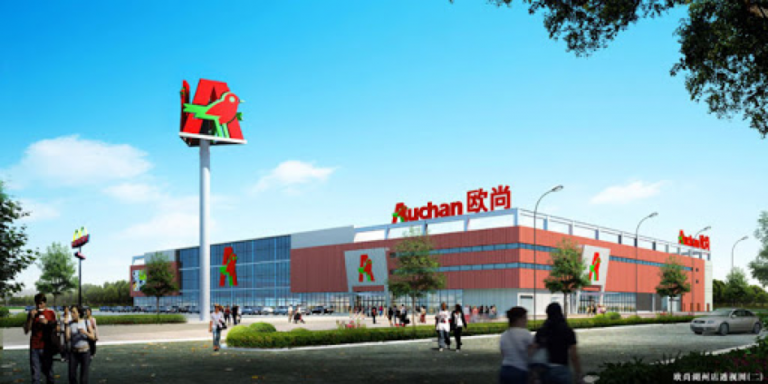

Hypermarket entry without the dream: listing fees, margins, promotion commitments and delisting risk. Read it before a distributor sells you a big-chain listing as the answer to everything.
Retailers expect listing fees, margins, promotional commitments, and reliable supply, and they hold the power in the relationship.
Read the full article: How to Get Your Product Into Chinese Hypermarkets Like Auchan
Why Tesco Failed in China: Lessons for Foreign Brands
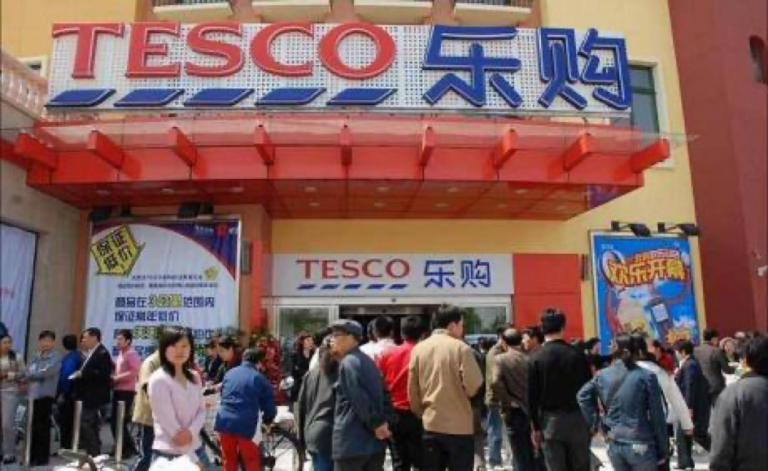
Tesco's exit from China, read as a list of wrong assumptions. Useful for any brand that expects a strong home reputation to carry it through Chinese grocery.
Respect the local competition and plan to be genuinely better at something specific, not just foreign.
Read the full article: Why Tesco Failed in China: Lessons for Foreign Brands
China's Two New Shelves for Imported Food: Membership Clubs and Bulk Snack Chains


Sam's Club and the bulk snack chains are now two shelves that move imported food. What each buys, at what price point, and which one fits your product.
Here is what these two channels are, what they buy, and which one your product belongs in.
Read the full article: China's Two New Shelves for Imported Food: Membership Clubs and Bulk Snack Chains
China's Delivery War Is Over: What Instant Retail Now Means for Imported Food Brands
The delivery subsidy war is over, instant retail stayed. What Meituan, Taobao Shangou and JD now mean for an imported food or drink brand planning its channel mix.
Almost none of them had instant retail in their channel plan two years ago.
Read the full article: China's Delivery War Is Over: What Instant Retail Now Means for Imported Food Brands
Meat and seafood: who imports, and which approvals come first?
Meat is one of the most controlled categories in Chinese trade. Plant registration, country eligibility and, for beef, a quota decide who can buy from you before any marketing starts. These guides name the buyer types and the gates.
Lamb and Mutton Distributors in China 2026: Who Buys Imported Sheep Meat

Sheep meat imports fell 20% in the first half of 2026 while value per tonne rose. Maps the buyer types, from importers to restaurant chains, and the cuts they actually order.
Frozen shoulder, leg and flap destined for rolled slices dominate the trade.
Read the full article: Lamb and Mutton Distributors in China 2026: Who Buys Imported Sheep Meat
Beef Importers in China 2026: Buyers, Quotas and How to Reach Them

China capped beef imports by country from January 2026. Explains the quota, the tariff above it and how it changes which importer can buy from you, and when in the year.
The quota changed who can buy from you, how much, and at what moment in the year.
Read the full article: Beef Importers in China 2026: Buyers, Quotas and How to Reach Them
Cured Meat and Ham Distributors in China 2026
Dry-cured ham sells while bulk pork falls. Covers the gifting and hotel circuit, the EU pork duties and the two registration gates a charcuterie producer must clear first.
Two gates apply: your country has to appear on the Chinese customs eligible list for that exact product category, and your plant has to be registered individually.
Read the full article: Cured Meat and Ham Distributors in China 2026
List of Chinese Meat Importers

A full path for beef, pork, lamb and poultry producers: plant approval, importer types, channels and how to make buyers come to you rather than chasing them.
The hard part is getting your plant approved, getting found by the right buyer, and building enough trust that an importer signs a real contract.
Read the full article: List of Chinese Meat Importers
Selling Pork and Meat to China: How the Import Market Works
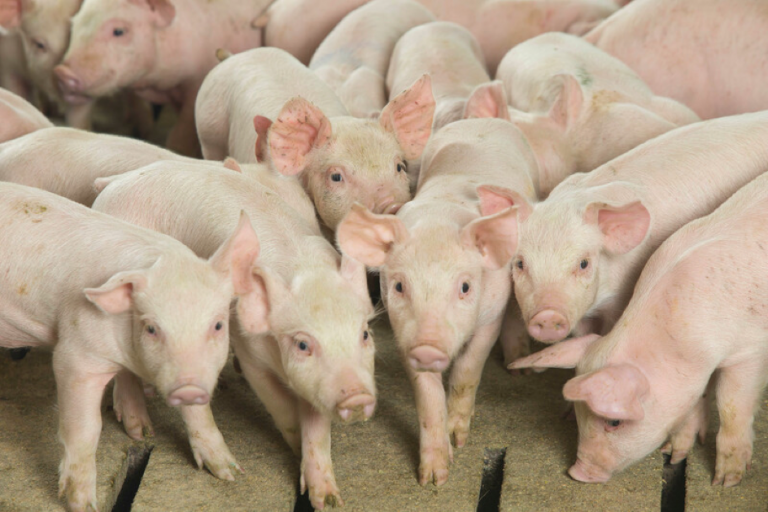

Why Chinese importers look abroad for pork when local supply drops, and what makes a foreign supplier the one they call: approval, documentation and being easy to find.
It is about being an approved, credible, reliable supplier that Chinese importers can find and trust.
Read the full article: Selling Pork and Meat to China: How the Import Market Works
Seafood Market in China, What are The Best Distribution Options?
Seafood distribution options compared, from wholesale markets to fresh e-commerce and livestream. Cold chain is the deciding factor. Some market figures are old, the channel logic holds.
The market is enormous and import-hungry, but seafood lives or dies on cold-chain logistics and trust.
Read the full article: Seafood Market in China, What are The Best Distribution Options?
Fruit, grocery and ingredients: where do importers find new suppliers?
Fresh produce and packaged grocery move through importers who buy on origin, proof of quality and price story. The fruit guides use 2025 customs data. The grocery guides show which categories distributors are actively sourcing.
Kiwifruit in China 2026: What Zespri Teaches Produce Exporters

China grows most of the world's kiwifruit, yet a New Zealand brand takes the premium shelf. A branding lesson for any produce exporter, including how a tight distributor list protects price.
It won on a brand system built over twenty-five years: one variety, one quality standard, a tightly controlled distribution list, one price story.
Read the full article: Kiwifruit in China 2026: What Zespri Teaches Produce Exporters
Cherries in China 2026: A 3.4 Billion Dollar Import Market

Cherries became a 3.4 billion dollar import in 2025, with volume up and value down. For growers and cooperatives who can ship but whose name means nothing to Chinese buyers.
Fruit exporters call us for one reason: they can ship to China, but Chinese buyers do not know their name.
Read the full article: Cherries in China 2026: A 3.4 Billion Dollar Import Market
Coconuts in China: Huge Demand from Distributors

Coconut went from niche to mainstream through tea and coffee chains. Explains where demand comes from and how coconut suppliers reach the distributors already looking for stock.
Chinese distributors are actively looking for reliable supply, which is a rare and good problem to have.
Read the full article: Coconuts in China: Huge Demand from Distributors
Cereal in Chinese (麦片) and How to Sell Breakfast Cereal in China
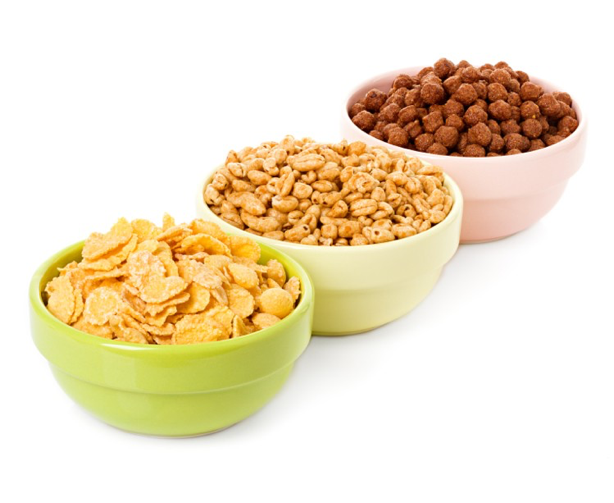
The Chinese words for cereal, then the harder part: selling a breakfast habit China does not have. For cereal and granola brands writing product titles and briefing an importer.
The business part is harder: breakfast cereal is not a Chinese tradition, and selling it in China means building a habit.
Read the full article: Cereal in Chinese (麦片) and How to Sell Breakfast Cereal in China
Selling Olive Oil in China: The Healthy Imported Food Playbook


Olive oil won in China on health and trust, with no place in traditional cooking. A playbook any healthy imported food can borrow when pitching resellers.
A product with no traditional place in Chinese cooking has carved out a real market, driven almost entirely by health.
Read the full article: Selling Olive Oil in China: The Healthy Imported Food Playbook
Chinese Distributors want to Import Quality Honey Brands
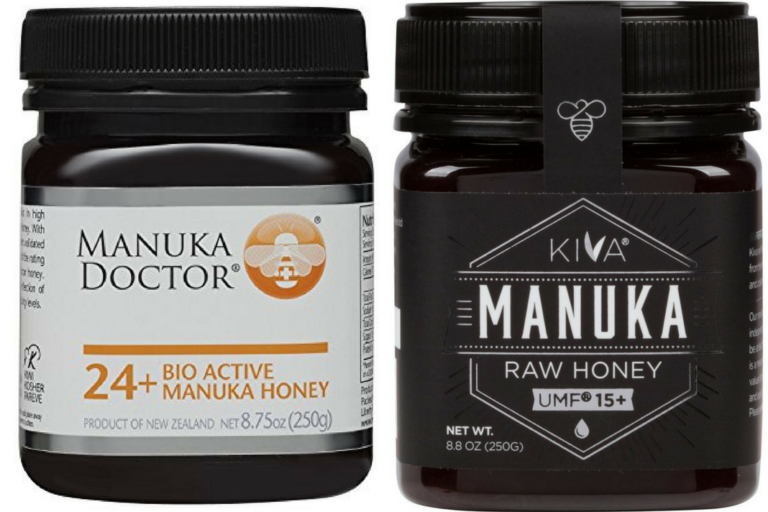

Imported honey sells on trust after local adulteration scandals. Covers what distributors ask for, origin certificates and lab tests, and the gift formats that drive sales.
Distributors are prioritizing brands with clear origin certification and visible lab-test results, because Chinese buyers now ask for proof before purchase.
Read the full article: Chinese Distributors want to Import Quality Honey Brands
Chinese Distributors Are Searching For Canned Food
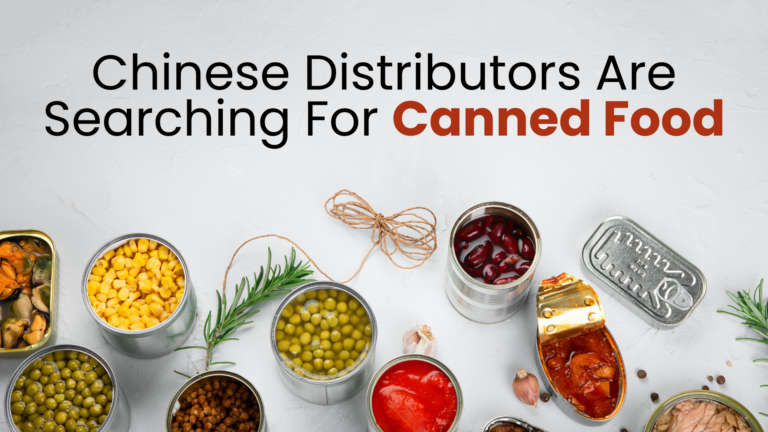
Which canned foods Chinese buyers favour and what distributors check: quality, safety labels, price and packaging. A starting point for canned and preserved food exporters.
Canned and preserved food is in demand here, driven by busy lifestyles and a taste for foreign products.
Read the full article: Chinese Distributors Are Searching For Canned Food
Chinese Distributors Want to Import Coffee


Why Chinese importers buy more coffee every year, from beans to ready-to-drink. Some chain figures are dated, the demand case for roasters and coffee brands still stands.
China was a tea country, and now it drinks coffee by the truckload.
Read the full article: Chinese Distributors Want to Import Coffee
Wine: how do you reach an importer in a shrinking market?
Wine imports have fallen for most of the decade. The importers still buying want a story, a clear price position and a brand they can find online. These guides cover licensing, labels and how smaller wineries get noticed.
Top Alcohol & Wines Distributors in China (2026 update)


The full wine path for 2026: import licence, Chinese back label, channels and a list of distributor types. For producers who want the whole map before talking to an importer.
The lesson for a foreign label is clear: the easy growth is gone, so you win on story, trust, and being easy to find, not on volume and price.
Read the full article: Top Alcohol & Wines Distributors in China (2026 update)
How to Export Wine to China in 2026: A Shrinking Market That Still Pays the Prepared

An honest read of the 2025 customs data and a roadmap for a small winery. For producers who still hear China called booming and need the real numbers before committing budget.
Chinese customs data analysed by Spain's wine interprofessional body show imports fell 14.6% in value to 1.03 billion US dollars and 26.7% in volume to 207.2 million litres.
Read the full article: How to Export Wine to China in 2026: A Shrinking Market That Still Pays the Prepared
Guide to Export Australian Wines to China
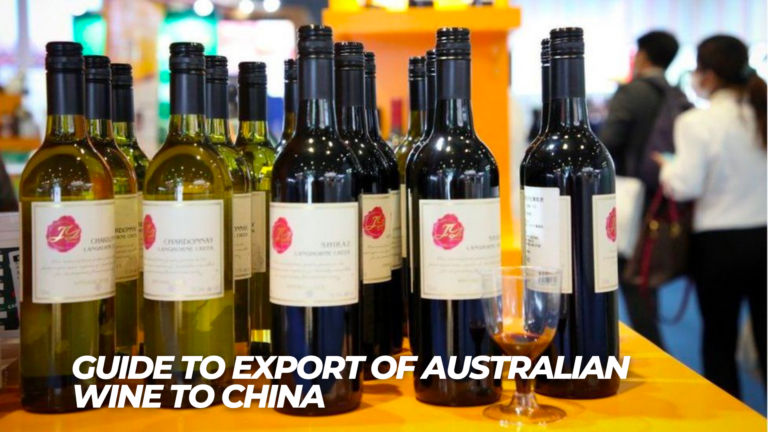
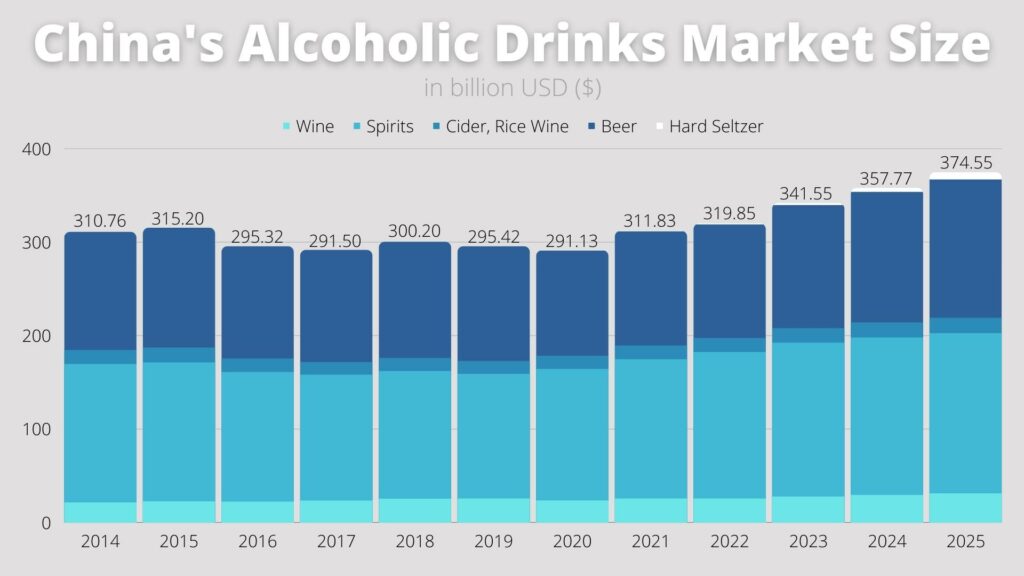
The return of Australian wine after the tariffs ended in March 2024, with what changed for Australian exporters and their Chinese importers. The background matters to any competitor on the same shelf.
China has decided to remove punitive tariffs on Australian wine, signaling a significant thaw in the previously frosty diplomatic relations between Beijing and Canberra.
Read the full article: Guide to Export Australian Wines to China
Why Chinese Importers Want Georgian Wine, and What It Teaches Winemakers
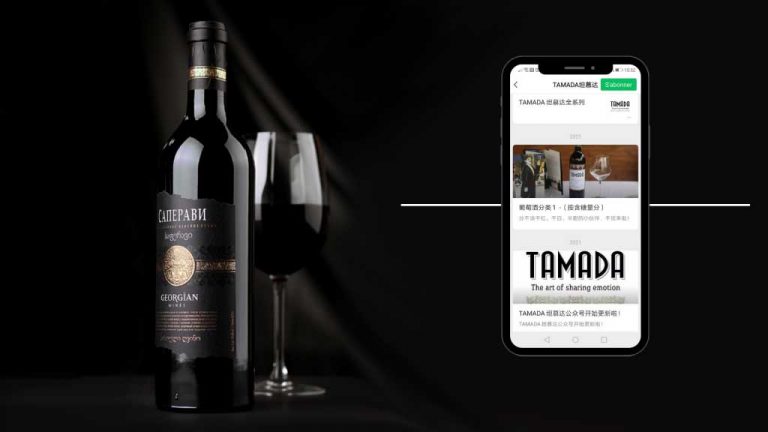
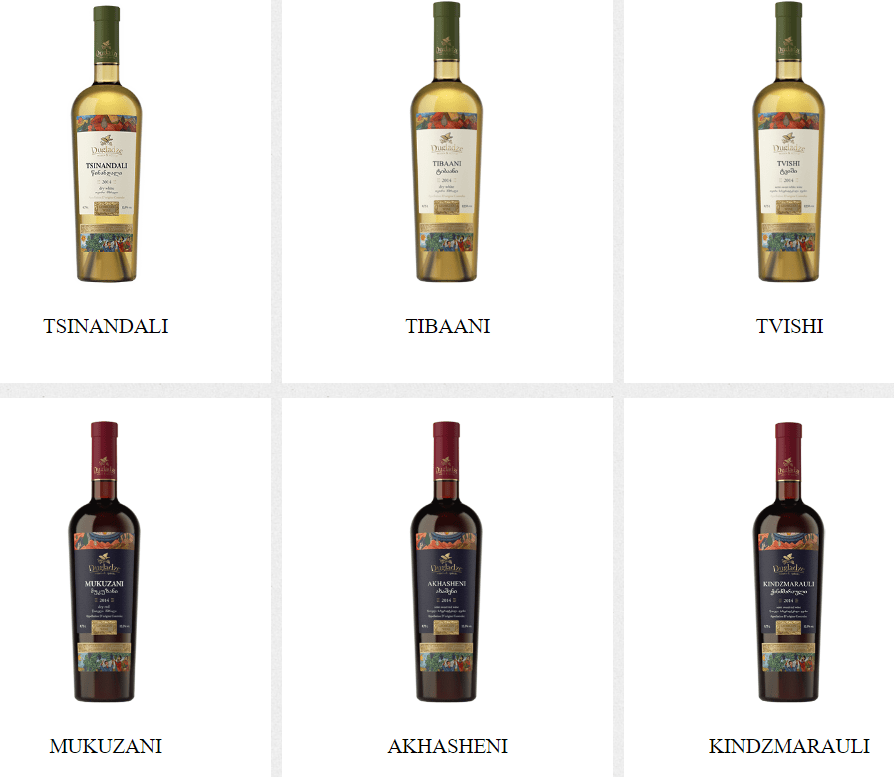
Georgian wine found Chinese importers through an old, distinctive story at a fair price. The lesson for wineries outside the famous French regions is direct.
The lesson for any foreign winemaker is that you do not need to be from the most famous region to succeed in China.
Read the full article: Why Chinese Importers Want Georgian Wine, and What It Teaches Winemakers
Smaller Wineries need Branding if they Want to Find Distributors in China
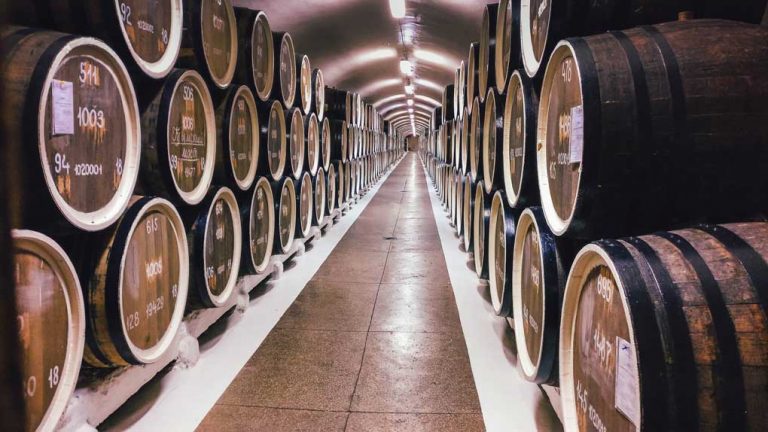

For small wineries: why branding comes before the distributor search, and how online presence in Chinese helps a bottle stand out among hundreds on the shelf.
On average a hypermart in Beijing or Shanghai customers can find 500 or more types of wines to choose from.
Read the full article: Smaller Wineries need Branding if they Want to Find Distributors in China
Beer, spirits and soft drinks: what do drinks distributors want?
Drinks distributors in China split between on-trade (bars, restaurants, KTV), retail and online. They pick brands that already have pull on Douyin and Xiaohongshu. These guides go category by category.
List Distributors of Alcohol and Beverage in China? (2026 update)

The route for any alcoholic drink: licence, back label, on-trade, online, and how to choose an importer. Works as the general guide before the category pages below.
Being easy to find and easy to buy beats being the cheapest bottle on the list.
Read the full article: List Distributors of Alcohol and Beverage in China? (2026 update)
Young Chinese like Vodka: Distribution Tips & Contact for sale in China.

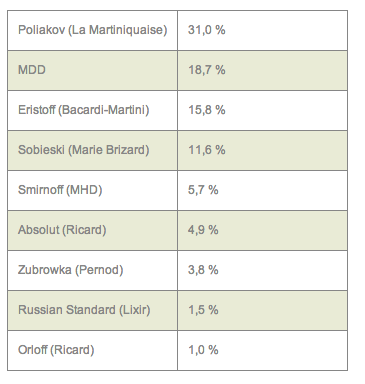
Where vodka sits in China's premium spirits market and how producers adapt to the way it is drunk. For vodka brands preparing distributor talks. Covers price tiers and channels.
Western spirits are no longer exotic in first and second-tier cities, and younger drinkers are open to trying them.
Read the full article: Young Chinese like Vodka: Distribution Tips & Contact for sale in China.
Sell Tequila in China: Jon Wang Tips for Export Managers


Field notes on tequila from importer meetings in Shanghai, Beijing and Guangzhou: who drinks it, where, and what distributors look for in a new agave brand.
The demand for high quality, authentic, and craft spirits is growing, especially among younger China consumers.
Read the full article: Sell Tequila in China: Jon Wang Tips for Export Managers
How to Sell Gin in China: Best Tips for Export Managers


Gin is still an emerging category in China, sold mostly online and in cocktail bars. Practical channel tips for gin brands before they look for a distributor.
Unlike whisky, which has strong retail distribution, gin is still an emerging category.
Read the full article: How to Sell Gin in China: Best Tips for Export Managers
The Beer market in China: (+Distribution Hacks 😉 )


Beer market trends and practical distribution tips for foreign brewers, from occasion-led launches to online sales. Useful for craft and premium beer exporters. Note: part of the page is in French.
Major brands are launching products built around specific drinking occasions, from sports events to hot pot dinners.
Read the full article: The Beer market in China: (+Distribution Hacks 😉 )
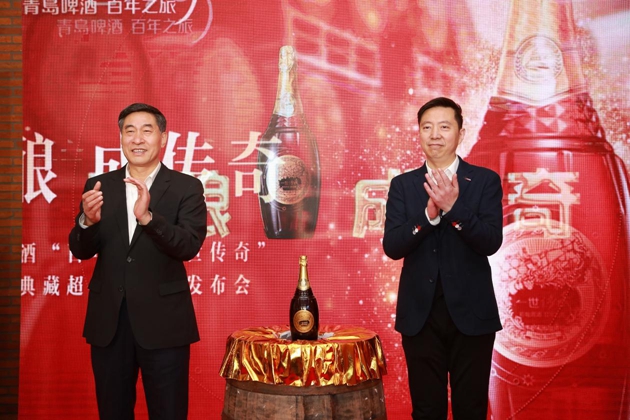

What Chinese distributors expect from a premium imported beer: price level, story and a real brand experience. For brewers moving from the mass market to premium.
For premium beer brands, the challenge is not just selling, but creating a strong brand experience .
Read the full article: Chinese Distributors For Premium Imported Beer Brands
Selling Soft Drinks in China: Distribution and Demand
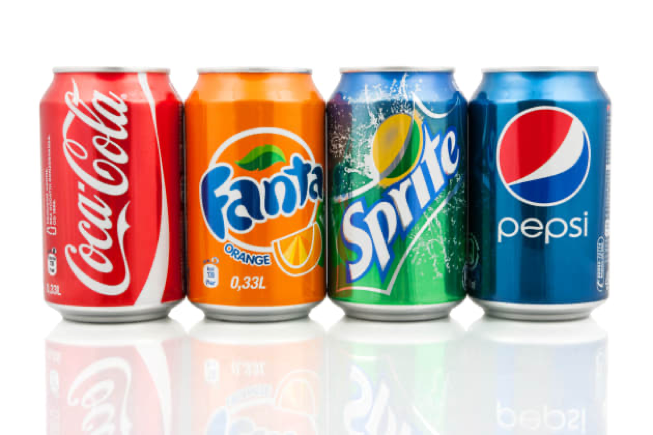

Soft drinks, functional drinks and premium imports: why demand has to exist before a distributor can move cases, and how to build both together. Useful for juice and sparkling brands too.
That matters, but a distributor moves products that already have demand, and demand for an unknown foreign drink has to be built.
Read the full article: Selling Soft Drinks in China: Distribution and Demand
Beauty, health, pharma and pet: how do regulated products find a partner?
In these categories the regulator comes before the distributor. NMPA registration, GACC listing or import licences decide whether a partner can sell at all. These guides set the order of the steps.
China's Skincare and Cosmetics Distributor / Agent


Four routes for skincare and makeup brands, the November 2025 rule changes and how to spot a distributor worth signing. For beauty founders comparing agent, distributor and cross-border.
You get in by being findable, credible, and easy to buy, not by being cheap.
Read the full article: China's Skincare and Cosmetics Distributor / Agent
List of Pharmaceutical Distributors in China

For drug and health product makers: NMPA approval, import licence and GMP come before any distributor. Explains the four entry models and how to choose a wholesaler.
China has more than 10,000 pharmaceutical wholesalers, and choosing the right one matters more than in most markets.
Read the full article: List of Pharmaceutical Distributors in China
Medical Device Distributors In China

Medical device distribution: NMPA certification, agent incentives and when to offer regional exclusivity. For device makers drafting their first agent agreement. Also covers pricing margins and Chinese-language sales material.
Consider offering exclusive distribution rights for a specific region or product line.
Read the full article: Medical Device Distributors In China
Probiotics in China: The Best Way to Sell and Distribute

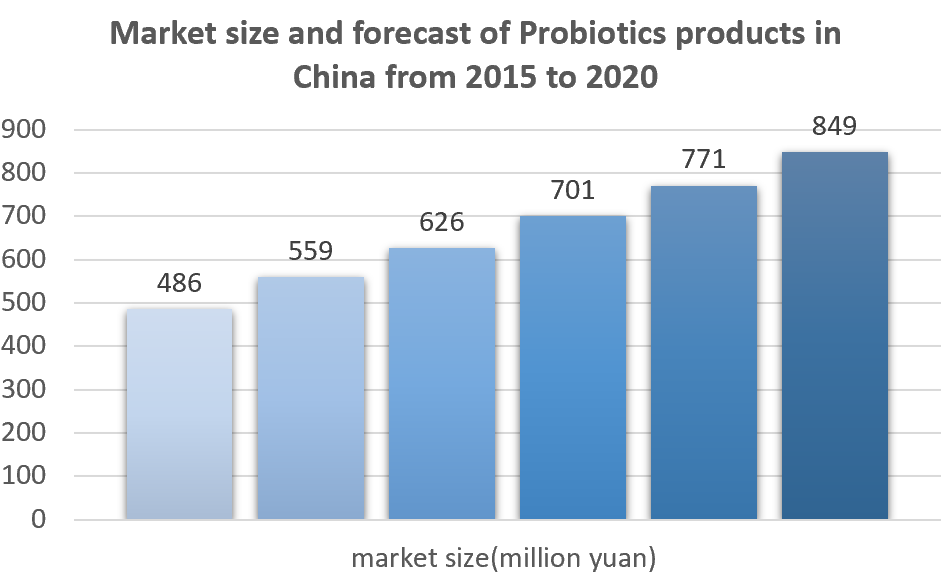
Probiotics sell on trust in imported quality. Explains why cross-border is often the first route and what a distributor needs to see before taking the category.
Buyers actively use cross-border channels to get imported supplements they believe are genuine and higher quality, which fits the probiotics story well.
Read the full article: Probiotics in China: The Best Way to Sell and Distribute
Pet Food & Accessories Distributors In The Pet Market in China
China's premium pet market, with named pet food and accessory distributors and tips to choose a reliable one. For pet brands building a shortlist. Check each name yourself before contact.
But distributors back pet brands that already show online demand, and owners buy on trust and reviews.
Read the full article: Pet Food & Accessories Distributors In The Pet Market in China
Exporting Pet Food to China: GACC Listing and the MARA Wait
Pet food needs two approvals people confuse: GACC facility listing and MARA registration. What to check first and what to do while you wait. Written for cat and dog food makers.
The conversation I would rather have first is whether their factory is on a list held by Chinese customs, because if it is not, the marketing question is academic.
Read the full article: Exporting Pet Food to China: GACC Listing and the MARA Wait
Consumer goods and industry: how do you find resellers and agents?
Outside food and drink, the partner is often a reseller, an agent or a B2B importer. Buyers check you on Baidu before they reply. These guides cover jewellery, appliances, toys, electronics, machinery and chemicals.
Watch and Jewelry Distributor in China


Watch and jewellery distribution in China, with why young buyers research online before any boutique visit. For brands choosing between a distributor and their own store.
Chinese buyers, especially young ones, research watches and jewelry on Xiaohongshu and WeChat before they ever talk to a distributor or visit a store.
Read the full article: Watch and Jewelry Distributor in China
Top Resellers of Gems, Precious Metals in China
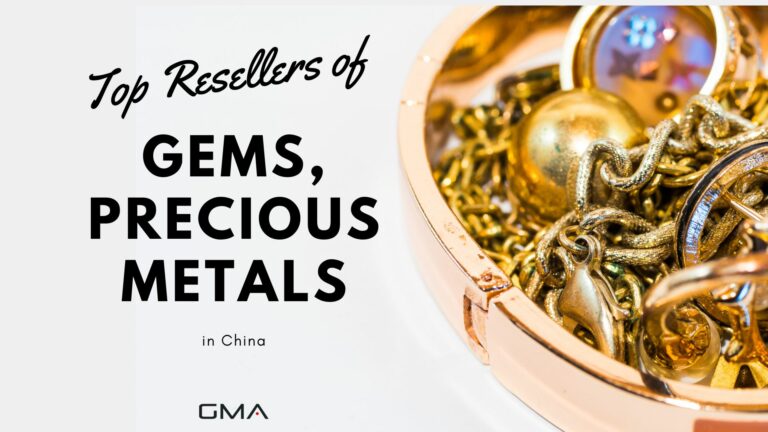
Gems, gold and precious metals: how resellers sit in the supply chain and why high-value goods need a credible brand before any reseller will carry them.
But moving high-value goods needs trusted resellers and a credible brand presence.
Read the full article: Top Resellers of Gems, Precious Metals in China
China Kidswear Market: How to Find The Right Distributors?


Kidswear clusters from Huzhou Zhili to Guangzhou, buyer trends and how to find dependable distributors. For children's clothing brands sourcing partners. Includes the main e-commerce channels for kidswear.
Parents are highly concerned about the safety and quality of materials used in kidswear.
Read the full article: China Kidswear Market: How to Find The Right Distributors?
How to Find Sex Toy Resellers in China
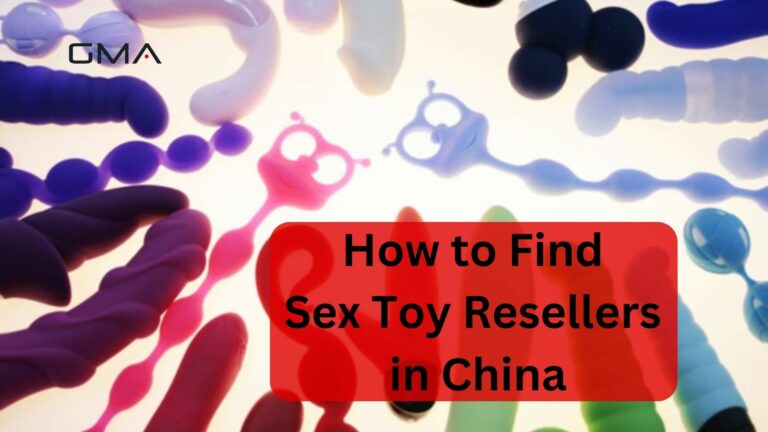
The adult products market, reframed by young buyers as wellness. How to approach resellers in a sensitive category without getting it wrong. Discreet online channels lead sales here.
By demonstrating cultural sensitivity, you'll lay the foundation for respectful and effective interactions with potential resellers.
Read the full article: How to Find Sex Toy Resellers in China
Kitchen Appliances in China: Top Chinese Brands and How to Sell Through Resellers
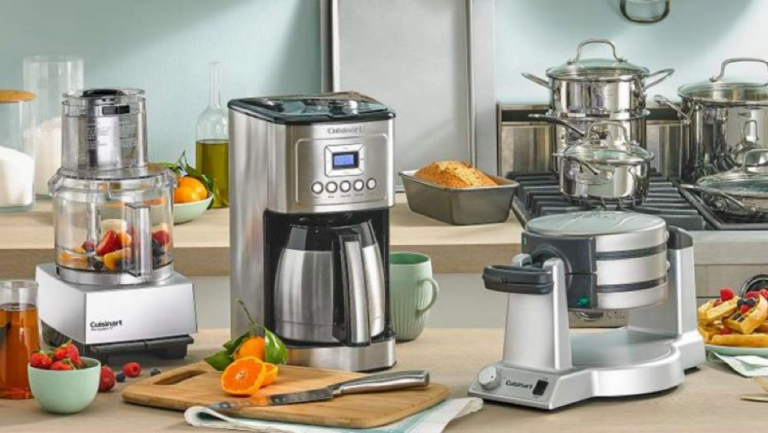

Kitchen appliances face Midea, Fotile and Robam. Compares selling direct with going through resellers, and shows the niche a foreign brand can still hold. Includes 2025 brand revenue figures.
Used badly, they become a black box that takes your margin and tells you nothing.
Read the full article: Kitchen Appliances in China: Top Chinese Brands and How to Sell Through Resellers
Home Appliance Distributors in China
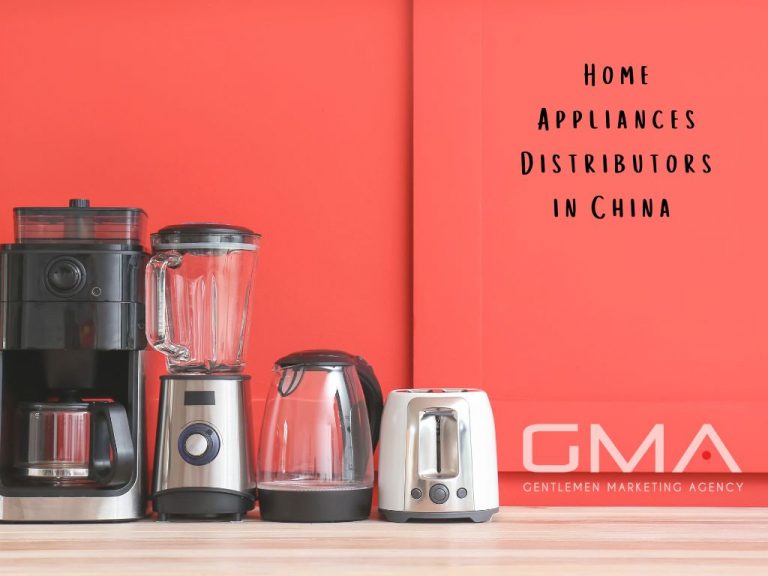

The 2026 trade-in subsidy pushes appliance sales, mostly online. Why foreign brands need both a distributor and a strong online store to catch it. Subsidy rules are explained step by step.
For foreign brands this is a real opening, but you still need the right distributor and the right online shop to capture it.
Read the full article: Home Appliance Distributors in China
Selling Electronics to China: How Importers Find Suppliers


Chinese electronics importers still buy specialist foreign parts and devices. How they choose suppliers on B2B rules, and how to make the shortlist. Covers components and finished devices.
Your buyer is a business making a rational sourcing decision, and reaching them takes credibility, findability, and proof rather than a clever campaign.
Read the full article: Selling Electronics to China: How Importers Find Suppliers
Toys and Board Games in China: Distribution and Demand


Toys and board games: children's and adult hobby markets, and why a distributor needs proven demand plus safety reassurance before carrying a foreign brand. Covers online and store channels.
Reassurance that a foreign toy is safe, genuine, and worth it, which matters hugely for children's products.
Read the full article: Toys and Board Games in China: Distribution and Demand
Top Chinese Agents for Machinery & Industrial Equipment
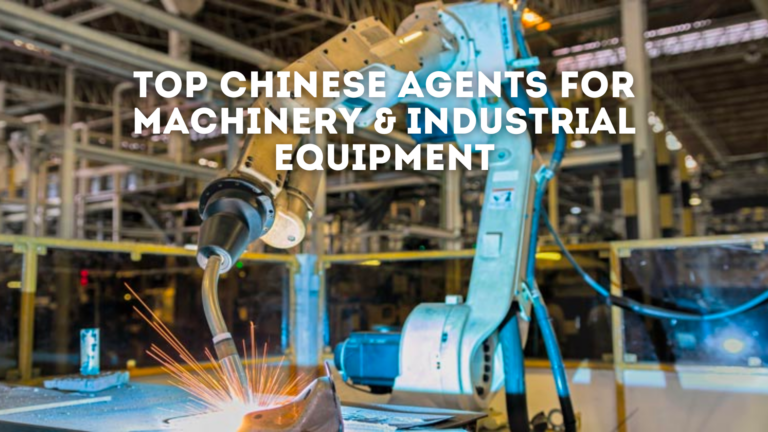

Machinery and spare parts through Chinese agents: what a good agent does and why both agents and factory buyers check you online first. Baidu visibility is the first test.
A good local agent is gold, but agents and buyers both check you online first.
Read the full article: Top Chinese Agents for Machinery & Industrial Equipment
Selling Chemicals and Industrial Materials to Chinese Buyers


Chemicals and industrial materials sell to a few cautious expert buyers. What they check on quality, documents and compliance before shortlisting a foreign supplier. For specialty and bulk suppliers alike.
They evaluate suppliers rigorously, want clear evidence of consistent quality and proper documentation, and strongly favour partners who feel established, dependable, and genuinely expert.
Read the full article: Selling Chemicals and Industrial Materials to Chinese Buyers
What we see in the room
The moment that decides a negotiation in China is rarely the tasting or the sample. It is the point where the distributor works out his own margin. In 2026 he is buying at about a tenth of final retail and reselling to the store at about half, with importation, a share of distribution costs and listing fees expected from the brand. Chinese suppliers hand him those conditions as a matter of course, so a foreign brand that hesitates simply looks more expensive to work with.
Jon Wang has watched this play out across categories, and the structure barely moves.
Extract from our distributor report
You will not find these in an export directory. We looked for each one in Chinese, and we kept the ones that exist.
- 北京百岁商贸有限公司. search 百岁商贸.
- 广州千岛贸易有限公司. search 千岛贸易.
- 上海典极国际贸易有限公司. search 典极国际.
- 威海爱宝国际贸易有限公司. search 爱宝国际.
- 金龍食品貿易有限公司. search 金龍食品.
- 上海泽如国际贸易有限公司. search 泽如国际.
The report lists 53 companies, explains the buying price they want, and gives the exact Chinese terms to search. Read the China Food Distributors 2026-2027 report, free, signed by our CEO Jon Wang.
Frequently asked questions
How do I find a distributor in China?
Combine three sources. Trade fairs in your sector (the import expo in Shanghai, SIAL, Canton Fair, category shows) let you meet buyers face to face. B2B platforms and referrals from chambers of commerce give you a shortlist. Inbound demand does the rest: a Chinese website, Baidu visibility and Xiaohongshu content make distributors contact you. Then check every candidate before you sign. Our guide on dealing with Chinese distributors lists what they look for.
How do I check that a Chinese distributor is a real company?
Ask for the business licence and the exact Chinese company name, then search it on the National Enterprise Credit Information Publicity System (gsxt.gov.cn). You will see the registered capital, shareholders, legal representative, business scope and any penalties. Check that the scope covers import and your product category. Paid tools like Tianyancha or Qichacha add lawsuits and related companies. Visit the warehouse if the order is large, and ask two current suppliers for a reference.
Should I give my Chinese distributor exclusivity?
Only with limits. Exclusivity for the whole of China is rarely justified for a first partner. Give it for a region, a channel or a product line, for a fixed term, and tie it to a minimum purchase or sales target. If the target is missed, the contract should let you end exclusivity without ending the relationship. Our guide on medical device distributors shows how exclusivity is used as an incentive.
What should a China distribution agreement include?
Territory and channels, exclusivity terms, minimum purchase targets, prices and payment terms, who handles registration and labelling, marketing commitments, reporting, trademark use, term and renewal, termination and what happens to remaining stock. Write it in Chinese and English, state which version prevails, and choose a dispute forum where a judgment can be enforced against the distributor’s assets. A lawyer who practises in China should review it before you sign.
What is the difference between an importer, a distributor and an agent in China?
The importer holds the licence, clears customs and owns the goods when they arrive. A distributor buys from the importer or from you and resells to retailers, restaurants or online shops in a territory. An agent does not buy stock: they find buyers and earn a commission. Many Chinese partners combine importer and distributor roles. For regulated products, check who will hold the import licence and product registration, because that party controls your access to the market.
Can I set the resale price my Chinese distributor charges?
Be careful. China’s Anti-Monopoly Law restricts agreements that fix or set a minimum resale price, so a clause forcing a minimum shelf price can be challenged. You can recommend retail prices, set your own wholesale price and protect your brand through channel and territory rules. Get local legal advice before writing pricing clauses, especially if you sell through several distributors and online at the same time.
How long does it take to get a first shipment on sale in China?
For food and drink, count about four months from the first purchase order to stock that can legally be sold, and six to eight weeks for each reorder after that. Registration, label review and document originals take most of that time, not the sea freight. Regulated products like pharma or medical devices take much longer. The full stage-by-stage calendar is in our China food import timeline.
Do I need to register my trademark in China before signing a distributor?
Yes. China works on a first-to-file system: the first party to register a mark usually owns it, whoever used it first abroad. Register your brand in Latin letters and in Chinese characters, in the classes you sell in, before you share samples or sign. The contract should state that the distributor uses the mark under licence and cannot register it or a similar name in its own name.
Why do Chinese distributors not answer my emails?
Usually because they searched your brand and found nothing in Chinese. No Chinese website, no Baidu results, no reviews on Xiaohongshu: to a distributor that means no demand and all the marketing cost on them. Cold emails in English with a long catalogue get ignored. Fix the visibility first, then contact fewer partners with a short Chinese deck and clear terms. The details are in why Chinese distributors don’t want to work with you.
Is cross-border e-commerce an alternative to a distributor?
It is often a good first step. Cross-border stores on Tmall Global or JD Worldwide let you sell without a Chinese entity or full product registration in many categories. You test prices, collect reviews and build sales data. That data is what convinces a distributor later. Some categories, like most meat, fresh produce and heavy goods, still need general trade and an importer from day one.
What payment terms are safe with a new Chinese distributor?
For a first order, ask for full payment or a large deposit before shipment, with the balance against shipping documents. Letters of credit work for large orders but add cost and paperwork. Move to credit terms such as 30 days only after several clean orders, and keep the right to return to prepayment if payments slip. Put the currency, the bank charges and the incoterm in the contract.
Working with us on this
We help foreign brands become visible in Chinese before they meet distributors: a Chinese website, Baidu and Xiaohongshu presence, and a shortlist of importers that fit your category. Our service page explains how we find a reliable Chinese distributor for food, drinks, beauty and industrial products. Send us your product, your target region and your volume through our contact page, and we will tell you honestly whether China fits now.
Last updated: October 2026. This guide is reviewed when new articles are published on the topic.